




Nuestro enfoque para los trastornos de cataratas y cristalino
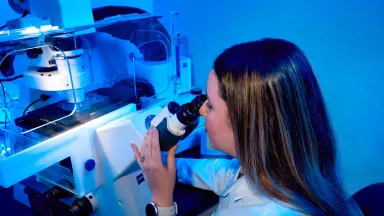
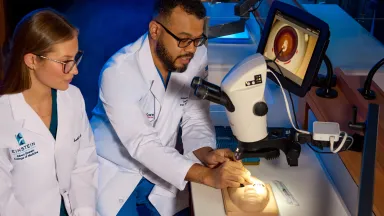
Montefiore Einstein es un líder reconocido internacionalmente que ofrece atención integral y de vanguardia para adultos y niños con todo el espectro de trastornos de cataratas y cristalino, desde cataratas relacionadas con la edad, secundarias y traumáticas hasta cataratas congénitas y pediátricas, luxaciones complejas del cristalino y anomalías raras del cristalino. Nuestro equipo multidisciplinario de médicos de renombre mundial incluye oftalmólogos certificados con amplia experiencia en cirugía de cataratas y cristalino, quienes colaboran estrechamente con optometristas, especialistas en retina, glaucoma, pediatría y oculoplástica, médicos de atención primaria y otros proveedores para garantizar una atención integral y coordinada. Nuestros especialistas en cataratas son expertos en los tratamientos más avanzados y ofrecen los diagnósticos y soluciones basadas en lentes más recientes. Estos tratamientos abarcan desde lentes intraoculares (LIO) monofocales y tóricas (para corregir el astigmatismo) hasta lentes multifocales y opciones avanzadas para corregir la presbicia, como lentes de profundidad de foco extendida (EDOF) que permiten la personalización de la visión postoperatoria. Utilizamos plataformas de facoemulsificación de última generación, técnicas de microincisiones y sistemas de visualización tridimensional (3D) de alta definición para optimizar la precisión quirúrgica y acelerar la recuperación. Como centro de referencia, nos especializamos tanto en casos de cataratas rutinarios como en los más complejos, incluyendo aquellos que requieren técnicas avanzadas para la luxación del cristalino, cataratas traumáticas o afecciones oculares coexistentes como glaucoma, enfermedades corneales o cirugía refractiva previa.
Ofrecemos un enfoque individualizado para el tratamiento de cataratas, adaptando cada plan de tratamiento a la anatomía ocular, los objetivos visuales y el estilo de vida únicos de cada paciente. Nuestros especialistas priorizan la toma de decisiones compartida para garantizar que cada paciente esté informado y empoderado durante todo su tratamiento. Como pioneros en cirugía de cataratas y cirugía ocular mínimamente invasiva, nuestros médicos-científicos también fueron co-inventores del Trabectome, el primer dispositivo aprobado por la Administración de Alimentos y Medicamentos de los Estados Unidos (FDA) para la cirugía mínimamente invasiva de glaucoma (MIGS), que a menudo se realiza en combinación con la cirugía de cataratas para ayudar a reducir la presión intraocular en personas con glaucoma coexistente. Para personas con cataratas congénitas o síndromes que afectan al cristalino, ofrecemos asesoramiento genético y colaboramos con el programa de Medicina Genética Pediátrica del Hospital Infantil de Montefiore Einstein, uno de los programas más antiguos y reconocidos del país. Durante más de 50 años, hemos sido líderes en el tratamiento de enfermedades genéticas y genómicas y seguimos siendo un referente en el sector.
Atención médica reconocida internacionalmente, cerca de casa.
Nuestro centro de vanguardia para cirugía LASIK y cuidado ocular amplía el acceso a atención oftalmológica de renombre mundial para pacientes de todo el estado de Nueva York. Diseñado para mejorar la experiencia del paciente, el centro cuenta con quirófanos personalizados equipados con las tecnologías más avanzadas para cirugía de cataratas, incluyendo las plataformas de facoemulsificación más modernas y microscopios quirúrgicos de alta definición. Casi todos los procedimientos se realizan de forma ambulatoria, lo que permite a los pacientes recibir atención de vanguardia en un entorno cómodo y accesible, cerca de su domicilio.
Diagnóstico y tratamientos avanzados
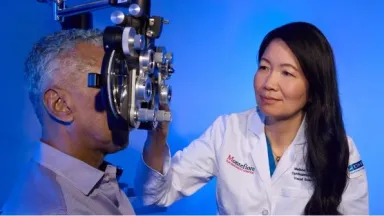
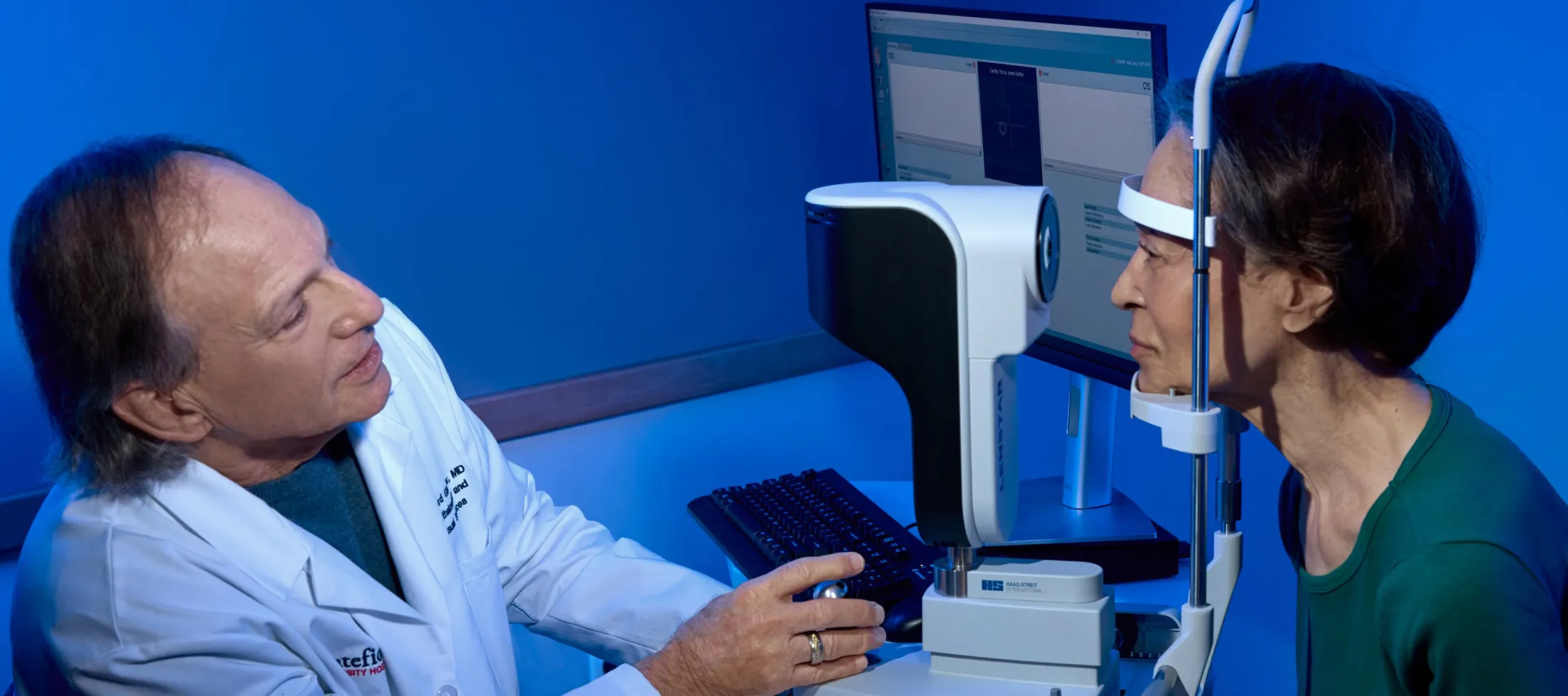
Ofrecemos los diagnósticos y tratamientos más avanzados para la prevención, detección y manejo de cataratas y trastornos del cristalino en todas sus etapas y tipos. Las tecnologías de diagnóstico de vanguardia de Montefiore Einstein brindan una precisión excepcional en la evaluación y planificación del tratamiento de cataratas. Utilizamos biometría mediante tomografía de coherencia óptica (OCT) de fuente de barrido avanzada, topografía y tomografía corneal de alta resolución y análisis del astigmatismo corneal posterior.
Montefiore Einstein ofrece una amplia gama de estrategias de tratamiento no quirúrgico para personas que aún no son candidatas a la cirugía, incluyendo la optimización de la prescripción, la reducción del deslumbramiento y las modificaciones del estilo de vida, junto con imágenes avanzadas para monitorear la progresión de las cataratas a lo largo del tiempo, brindando una atención integral y centrada en el paciente en cada etapa.
Para garantizar una atención integral, realizamos evaluaciones preoperatorias exhaustivas de la mácula y el nervio óptico, lo que nos permite optimizar los resultados en pacientes con afecciones retinianas coexistentes. Para las familias afectadas por cataratas congénitas, nuestro programa colabora con la prestigiosa División de Genética del Hospital Infantil Montefiore Einstein (CHAM) para integrar pruebas genéticas avanzadas, incluyendo la secuenciación masiva en paralelo de próxima generación, con asesoramiento genético personalizado. Este enfoque integral permite a adultos, niños y sus familias tomar decisiones plenamente informadas sobre su atención, comprendiendo los factores genéticos que pueden influir en las opciones de tratamiento.
Cuando la cirugía es la mejor opción para recuperar la visión, ofrecemos una gama completa de los procedimientos más avanzados de extracción de cataratas y reemplazo de lentes disponibles en la actualidad. Nuestros cirujanos de cataratas de renombre mundial, del Montefiore Einstein, emplean técnicas de vanguardia diseñadas para brindar resultados excepcionales con la máxima comodidad y precisión. Nuestras opciones quirúrgicas incluyen la facoemulsificación por microincisión con fluidos inteligentes para una extracción de cataratas suave y eficaz. Para casos complejos que requieren atención especializada, utilizamos técnicas avanzadas de microincisión y microincisión adaptadas a las necesidades específicas de cada paciente.
Montefiore Einstein ofrece las últimas tecnologías en lentes intraoculares (LIO) de alta gama para lograr una corrección visual personalizada en adultos y niños. Nuestro amplio catálogo de lentes incluye lentes monofocales, tóricas (para corregir el astigmatismo) y multifocales. Cada opción de lente se selecciona cuidadosamente para adaptarse a sus objetivos visuales y estilo de vida.
Nuestros cirujanos de cataratas son expertos en el manejo de las afecciones oculares y del cristalino más complejas, incluyendo subluxación o luxación del cristalino, debilidad zonular, complicaciones de cirugías refractivas previas y glaucoma coexistente. Empleamos técnicas sofisticadas como lentes intraoculares fijadas a la esclera o al iris, dispositivos de tensión capsular y cirugías MIGS combinadas para lograr resultados óptimos incluso en las situaciones más complejas.
Montefiore Einstein va más allá de la cirugía e incluye optimización preoperatoria avanzada y atención postoperatoria personalizada. Gestionamos afecciones de la superficie ocular, como el ojo seco y la disfunción de las glándulas de Meibomio (DGM), antes de la cirugía para garantizar la máxima precisión biométrica y mejorar los resultados quirúrgicos.
Para los candidatos idóneos, ofrecemos cirugía de cataratas sin gotas, lo que reduce la necesidad de gotas oftálmicas postoperatorias gracias a la administración intracameral de la medicación durante el procedimiento. Tras la cirugía, proporcionamos planes de rehabilitación individualizados que pueden incluir retoques y capsulotomía con láser de granate de itrio y aluminio (YAG) para la opacificación de la cápsula posterior cuando sea necesario, con el fin de garantizar una óptima recuperación de la visión.
El completo conjunto de diagnósticos y tratamientos avanzados de Montefiore Einstein para cataratas y trastornos del cristalino incluye:

Investigación en Oftalmología
Montefiore Einstein lidera la investigación colaborativa y encabeza numerosos estudios y ensayos clínicos, incluyendo varios financiados por el Instituto Nacional del Ojo (NEI)/Institutos Nacionales de la Salud (NIH), transformando los descubrimientos científicos más novedosos en nuevos diagnósticos y tratamientos para mejorar los resultados clínicos. Gracias a nuestros ensayos clínicos, nuestros pacientes pueden acceder a tecnologías emergentes y tratamientos innovadores que, de otro modo, no estarían disponibles para el público en general.
Nuestra investigación abarca la ciencia básica, traslacional y clínica, centrándonos en el avance del diagnóstico, el tratamiento y el manejo a largo plazo de las cataratas y las afecciones complejas relacionadas con el cristalino. Las áreas clave de investigación incluyen el desarrollo de nuevas técnicas y tecnologías quirúrgicas, soluciones de LIO de última generación y estrategias basadas en datos para mejorar los resultados quirúrgicos. Estamos estudiando el uso de la IA para optimizar el rendimiento de las fórmulas de cálculo de LIO y proporcionar un marco mejorado para su optimización.
Más allá de la innovación quirúrgica, nuestra investigación aborda desafíos cruciales en la atención perioperatoria, la terapia médica y la formación quirúrgica. Estamos evaluando el papel de las estrategias farmacológicas perioperatorias en la cirugía de cataratas, incluyendo el uso de AINE para reducir la inflamación perioperatoria, implantes intraoculares liberadores de fármacos para una protección antimicrobiana sostenida y medicamentos sistémicos que influyen en la fisiología del iris, como los antagonistas alfa-adrenérgicos, y sus efectos en los resultados quirúrgicos. También estamos explorando enfoques terapéuticos no quirúrgicos, incluyendo un análisis de subgrupos de un ensayo clínico aleatorizado de fase 1/2 que evalúa la solución oftálmica de edetato disódico (EDTA) al 2,6 % como posible tratamiento médico para pacientes con cataratas relacionadas con la edad.
Nuestro equipo también lidera los esfuerzos para avanzar en la formación y educación quirúrgica mediante el uso de simuladores de alta fidelidad, centrándose en la evaluación de simuladores quirúrgicos oftálmicos para el entrenamiento continuo en capsulorrexis curvilínea y el impacto de la complejidad del caso en la cirugía de cataratas realizada por residentes.
Líderes mundiales de confianza en atención oftalmológica basada en la evidencia.
Montefiore Einstein es uno de los únicos 13 centros en todo el mundo designados como Centro Cochrane de Ojos y Visión (CEV) para la Atención Oftalmológica Basada en la Evidencia, una prestigiosa distinción financiada por el NEI/NIH. Este reconocimiento refleja nuestro compromiso de renombre mundial con el avance de la medicina basada en la evidencia y el establecimiento de los tratamientos más eficaces para la atención al paciente. Nuestras contribuciones a la investigación sirven como modelo global para centros clínicos en todo el mundo.

Nuestro equipo de cataratas y trastornos del cristalino


Richard P. Gibralter, MD




Nuestro equipo multidisciplinario de oftalmólogos de renombre mundial se especializa en el diagnóstico y tratamiento de todo el espectro de trastornos de cataratas y cristalino, utilizando las técnicas médicas y quirúrgicas más avanzadas para preservar, restaurar y mejorar la visión, prevenir una mayor pérdida de visión, reducir la dependencia de las gafas y mejorar la calidad de vida de cada paciente.
Acerca de las cataratas y las afecciones relacionadas con el cristalino
Las cataratas son la principal causa de ceguera en todo el mundo. Otras afecciones relacionadas con el cristalino, como la luxación del cristalino o las complicaciones tras la cirugía de cristalino, son menos frecuentes, pero también pueden provocar una pérdida significativa de la visión si no se tratan adecuadamente. Una catarata es una opacificación del cristalino, que normalmente es transparente, o de la cápsula que lo rodea, lo que impide que la luz pase correctamente a través del cristalino hasta la retina. Esta opacificación del cristalino, generalmente causada por la degradación y acumulación gradual de proteínas en el cristalino con el tiempo, puede provocar diversos síntomas visuales, como visión borrosa, deslumbramiento, dificultad para conducir de noche, disminución de la agudeza visual, halos alrededor de las luces y mayor sensibilidad a la luz (fotofobia). Si bien la catarata relacionada con la edad es la forma más común, existen otros tipos, como la catarata congénita (presente al nacer), la catarata traumática (resultante de una lesión) y la catarata secundaria asociada a enfermedades sistémicas, ciertos medicamentos o uveítis anterior crónica (inflamación ocular).
Además de las cataratas, las afecciones relacionadas con el cristalino pueden incluir la luxación del cristalino (ectopia lentis), la inestabilidad del cristalino por debilidad zonular o complicaciones relacionadas con las lentes intraoculares tras la cirugía de cataratas. Un diagnóstico preciso y un manejo multidisciplinario oportuno son esenciales para preservar la visión y prevenir complicaciones a largo plazo. El tratamiento puede incluir un seguimiento cuidadoso, la prescripción de lentes correctivas o tratamiento médico en las etapas iniciales, y la intervención quirúrgica cuando las cataratas interfieren significativamente con las actividades diarias o la calidad de vida.