
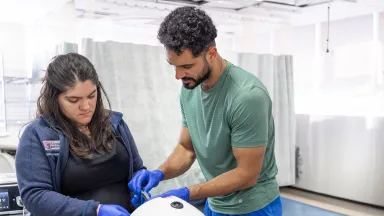


Nuestro enfoque con los fibromas uterinos

El Centro Integral de Fibromas Montefiore Einstein es uno de los principales destinos mundiales, ofreciendo atención médica integral y personalizada para toda la gama de fibromas uterinos (leiomiomas), incluyendo todos los tamaños, cantidades, tipos y centros médicos, desde los más comunes hasta los más complejos y raros. Nuestro equipo multidisciplinario de ginecólogos de renombre mundial colabora estrechamente con expertos en radiología intervencionista, endocrinología reproductiva e infertilidad, medicamento materno-fetal, cirugía ginecológica mínimamente invasiva y otras disciplinas para brindar una atención médica integral y coordinada. Nuestro enfoque individualizado se adapta a las necesidades únicas de cada paciente, sus objetivos reproductivos, las características de los fibromas, la gravedad de los síntomas y su salud general. Siempre que sea posible, priorizamos las opciones mínimamente invasivas y robóticas, con un fuerte enfoque en la preservación del útero. Ofrecemos una gama completa de tratamientos de vanguardia, desde terapia médica hormonal y no hormonal, embolización de fibromas uterinos y ultrasonido enfocado guiado por resonancia magnética (MRgFUS), hasta miomectomía mínimamente invasiva, ablación por radiofrecuencia (RFA) e histerectomía.
Somos un centro de referencia internacional para los casos más complejos, atendiendo a pacientes de todo el país y del extranjero. Nuestros especialistas en fibromas son reconocidos líderes en su campo, y cuentan con una experiencia inigualable en técnicas avanzadas mínimamente invasivas, entre ellas, abordajes laparoscópicos, histeroscópicos, vaginales y asistidos por robot, así como cirugía abierta cuando sea necesario. Realizamos incisiones pequeñas o nulas para reducir el dolor, acelerar la recuperación y preservar la fertilidad cuando esté clínicamente indicado. Cada paciente recibe atención personalizada, con escucha activa y énfasis en la toma de decisiones compartida, lo que permite a las personas tomar decisiones informadas alineadas con sus objetivos de salud, creencias, necesidades de planificación familiar y estilo de vida. Desde el diagnóstico inicial hasta el tratamiento quirúrgico especializado, nuestro compromiso se centra en aliviar los síntomas, preservar la fertilidad y mejorar la calidad de vida de cada paciente.
Marcamos la diferencia en el tratamiento de los fibromas
Ofrecemos las últimas innovaciones para preservar la fertilidad en mujeres que desean preservarla y optimizar sus resultados reproductivos. Nuestros especialistas en fibromas utilizan técnicas mínimamente invasivas avanzadas, como la miomectomía histeroscópica, laparoscópica y asistida por robot, así como la ablación transcervical de fibromas (Sonata®) y la ablación laparoscópica de fibromas (Acessa®) guiada por ultrasonido, para extirpar los fibromas manteniendo la integridad del útero. También ofrecemos terapias médicas y procedimientos no invasivos, como la embolización de la arteria uterina y la ecografía focalizada guiada por resonancia magnética, dirigidos a candidatas seleccionadas. Cada plan de tratamiento se diseña de forma personalizada, buscando el equilibrio entre el manejo eficaz de los fibromas y los objetivos de fertilidad, con el fin de alcanzar los mejores resultados reproductivos posibles.

Diagnóstico y tratamientos avanzados
Ofrecemos acceso a los últimos diagnósticos y tratamientos para la prevención, detección temprana y manejo de toda la gama de fibromas uterinos y afecciones asociadas como la adenomiosis.
Nuestro Centro cuenta con tecnologías de imagenología de última generación para identificar y evaluar con precisión los miomas uterinos. Se utilizan la ecografía pélvica transvaginal y transabdominal en 3D y 4D, resonancia magnética 3T de alta resolución y sonohisterografía con infusión salina (SIS) para una evaluación uterina detallada. Cuando se requiere visualización directa, se realiza histeroscopia avanzada, que permite la evaluación en tiempo real de la cavidad uterina mediante una minicámara de alta definición, ideal para diagnosticar fibromas submucosos y orientar la planificación terapéutica. Para una planificación preoperatoria integral, empleamos mapeo 3D y análisis volumétrico mediante técnicas avanzadas de reconstrucción por resonancia magnética para evaluar con precisión el tamaño, la cantidad y la ubicación de los miomas, aspectos clave para diseñar estrategias de tratamiento individualizadas y optimizar los resultados quirúrgicos. Las pruebas de laboratorio aportan información adicional para la planificación individualizada de la atención y ayudan a abordar afecciones asociadas, como la anemia y el sangrado uterino anómalo.
Montefiore Einstein obtuvo la prestigiosa designación de Centro de Excelencia en Diagnóstico por Imágenes (DICOE, por sus siglas en inglés), otorgada por el Colegio Americano de Radiología (ACR, por sus siglas en inglés), el máximo reconocimiento en el campo de las imágenes médicas. Además, contamos con la acreditación del Instituto Americano de Ultrasonido en Medicina (AIUM, por sus siglas en inglés), lo que certifica que cumplimos —y en muchos casos superamos— los estándares nacionales en la realización e interpretación de ecografías obstétricas y ginecológicas diagnósticas. Estos reconocimientos refuerzan nuestro firme compromiso con la excelencia clínica y la máxima calidad de atención.
Tratamientos no quirúrgicos y quirúrgicos
Nuestros tratamientos innovadores abarcan desde la vigilancia activa y las terapias médicas hasta procedimientos avanzados mínimamente invasivos. Para las personas con fibromas sintomáticos, ofrecemos distintas opciones destinadas a reducir el sangrado menstrual abundante, como antiinflamatorios no esteroideos (AINE), ácido tranexámico y anticonceptivos hormonales. En casos selectos, se utilizan agonistas de la hormona liberadora de gonadotropina (GnRH, por sus siglas en inglés) o moduladores selectivos del receptor de progesterona (SPRM, por sus siglas en inglés) para controlar los síntomas, ya sea como tratamiento transitorio antes de la cirugía o en mujeres cercanas a la menopausia.
Nuestra experiencia quirúrgica abarca abordajes avanzados mínimamente invasivos, como laparoscopia, histeroscopia, miomectomía vaginal y asistida por robot (extirpación de miomas), con incisiones pequeñas o nulas para reducir el dolor, acelerar la recuperación y preservar la fertilidad cuando está clínicamente indicado. Cuando se requiere un tratamiento definitivo, realizamos histerectomías abiertas y mínimamente invasivas, adaptadas a las necesidades específicas de cada paciente. En casos seleccionados, empleamos estrategias híbridas, combinando procedimientos de radiología intervencionista con cirugía mínimamente invasiva para maximizar el alivio de los síntomas y optimizar los resultados clínicos. Nuestro equipo también lidera el diseño y la implementación de protocolos de recuperación mejorada posoperatoria (ERAS, por sus siglas en inglés), estableciendo nuevos estándares en el tratamiento quirúrgico de los miomas y promoviendo una recuperación más rápida y segura.
Nuestro completo conjunto de diagnósticos y tratamientos avanzados refleja las últimas innovaciones en el cuidado de los fibromas, con una gama integral de opciones de vanguardia diseñadas para responder a las necesidades únicas de cada paciente. Estas comprenden:
Investigación y ensayos clínicos
Impulsamos proyectos de investigación colaborativa y desarrollamos numerosos estudios y ensayos clínicos, varios de ellos financiados por los Institutos Nacionales de Salud (NIH). Nuestro objetivo es transformar los descubrimientos científicos más recientes en nuevos métodos de diagnóstico y tratamiento que mejoren los resultados. A través de nuestros ensayos clínicos, nuestros pacientes pueden acceder a tecnologías emergentes y tratamientos innovadores que, de otro modo, no estarían disponibles para el público general.
Nuestra investigación abarca la ciencia básica, traslacional y clínica, con el objetivo de avanzar en la comprensión y el manejo de los fibromas uterinos. Entre las áreas de investigación están las estrategias de manejo que preservan la fertilidad de los miomas uterinos y el perfeccionamiento y la adaptación continuos de las herramientas de ayuda para la toma de decisiones de las pacientes: herramientas breves y basadas en la evidencia, diseñadas para facilitar la toma de decisiones compartida en el tratamiento de los miomas.
También hemos evaluado los patrones de tratamiento contemporáneos a nivel nacional entre mujeres diagnosticadas con miomas uterinos sintomáticos en Estados Unidos, lo que ha aportado información valiosa a la práctica clínica actual. Investigaciones recientes sobre los resultados del embarazo tras la ablación térmica directa de fibromas uterinos ofrecen información adicional sobre las estrategias de preservación de la fertilidad y apoyan la toma de decisiones clínicas. Otras investigaciones se centran en los costos directos que soportan las mujeres que se someten a procedimientos quirúrgicos para el manejo de los miomas y en el papel de la resonancia magnética preoperatoria y las pruebas de LDH para optimizar la selección de la vía quirúrgica para la cirugía de miomas intraabdominales.
Nuestros investigadores también exploran las aplicaciones clínicas de nuevos enfoques mínimamente invasivos, como vNOTES, y desarrollan tecnologías y técnicas quirúrgicas innovadoras para mejorar los resultados perioperatorios de los fibromas uterinos. Las iniciativas en curso se centran en la evaluación e implementación de protocolos ERAS para optimizar la recuperación postoperatoria y los resultados de las pacientes.
Otras investigaciones examinan los avances y actualizaciones en las técnicas de embolización de la arteria uterina para el tratamiento de leiomiomas, así como la integración de la educación en ergonomía quirúrgica dentro de la formación de habilidades ginecológicas mínimamente invasivas, destinadas a mejorar el bienestar del cirujano y optimizar el desempeño técnico.

Servicios de orientación y apoyo en la atención médica
Ya sea que esté lidiando con fibromas recientemente diagnosticados, atravesando casos complejos o recurrentes o explorando opciones para preservar la fertilidad, nuestro equipo de renombre mundial del Centro Integral de Fibromas Montefiore Einstein está aquí para ofrecer apoyo, atención y recursos excepcionales ajustados a sus necesidades.
Nuestro centro ofrece servicios integrales de atención tradicional y holística en cada etapa de la vida, desde la detección, la prevención y el diagnóstico hasta el tratamiento y la recuperación. Incluye servicios sociales y de apoyo, asesoramiento y educación genética, orientación para la atención médica, y servicios de salud mental y bienestar, entre otros programas. Nuestra amplia gama de recursos nos permite dar una atención altamente especializada y coordinada, con un enfoque centrado en la persona, atendiendo las complejas necesidades médicas de cada persona para mejorar los resultados y fomentar, proteger y recuperar la salud reproductiva y sexual de las mujeres en todas las etapas de su vida. Nuestro equipo de profesionales médicos, enfermeros, especialistas y personal de apoyo, reconocido por su empatía y experiencia, se compromete a acompañarle en cada fase del tratamiento de sus fibromas.
Su equipo de atención médica para fibromas


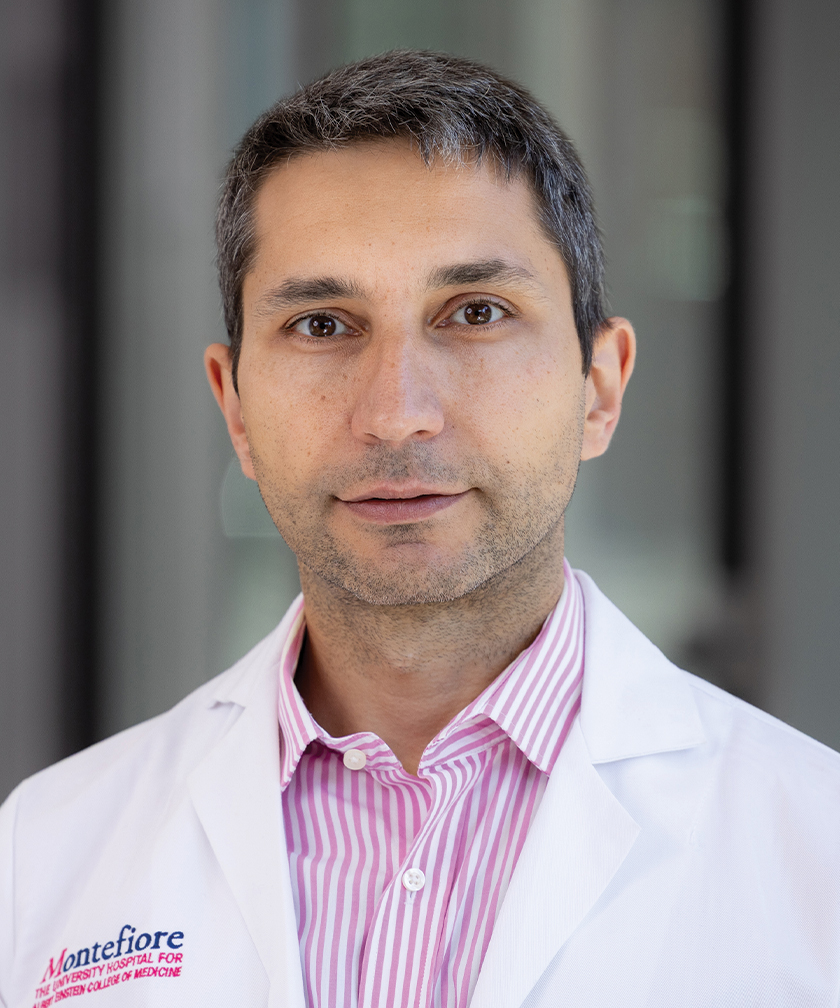
Juan D. Díaz Quiñones, MD

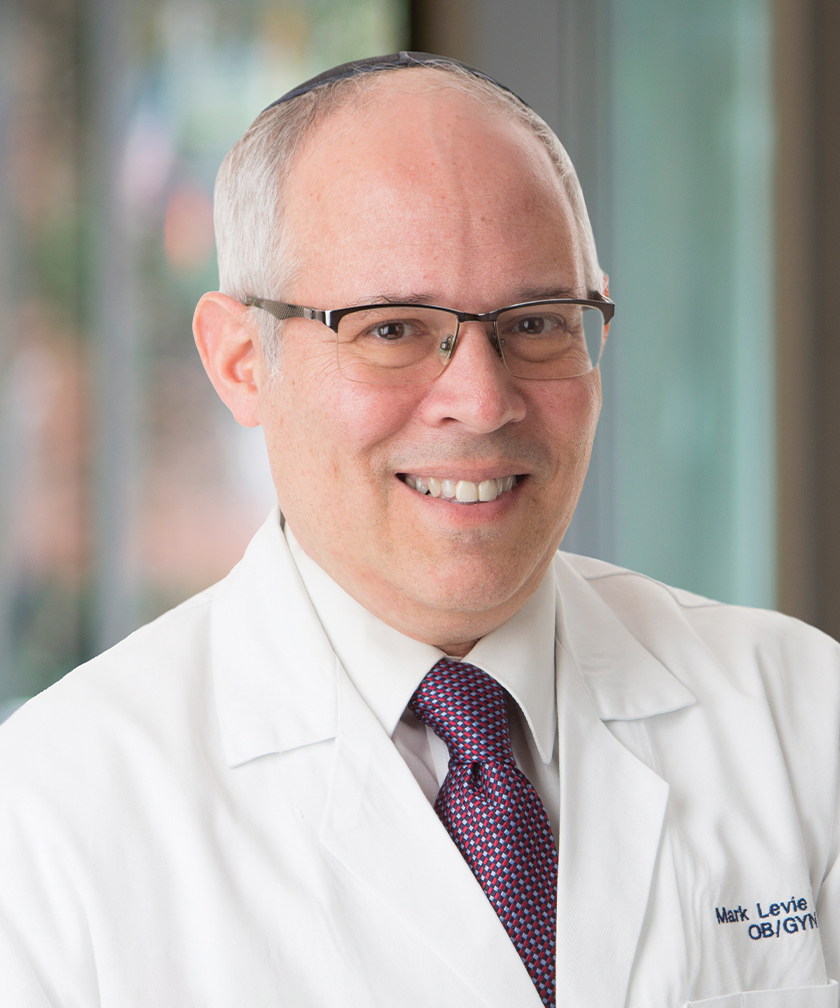


Nuestro equipo multidisciplinario de ginecólogos de renombre mundial colabora estrechamente con expertos en radiología intervencionista, endocrinología reproductiva e infertilidad, medicamento materno-fetal y cirugía ginecológica mínimamente invasiva, especializándose en el diagnóstico y tratamiento de todos los tipos de miomas uterinos. Utilizamos las técnicas quirúrgicas y no quirúrgicas más avanzadas disponibles para brindar una atención médica integral y personalizada que minimiza los síntomas, optimiza la fertilidad y mejora la calidad de vida de cada paciente.
Acerca de los fibromas uterinos
Los fibromas uterinos, también conocidos como leiomiomas, son tumores benignos (no cancerosos) que se desarrollan a partir de las células musculares lisas del útero. Se encuentran entre las afecciones ginecológicas más comunes, especialmente en personas en edad reproductiva, y afectan hasta al 80 % de las mujeres de 50 años. Si bien muchos fibromas son asintomáticos y no requieren intervención, otros pueden causar síntomas significativos. Estos pueden incluir sangrado menstrual abundante o prolongado y hemorragia que puede provocar anemia (bajo recuento sanguíneo), presión o dolor pélvico, cólicos menstruales, frecuencia urinaria, disfunción intestinal, dolor durante las relaciones sexuales, problemas de fertilidad y complicaciones del embarazo, también abortos espontáneos recurrentes y hemorragia posparto. Los fibromas varían ampliamente en tamaño, cantidad y ubicación, y van desde pequeños nódulos no palpables hasta grandes masas que distorsionan la cavidad uterina.