



¿Por qué elegir Montefiore Einstein para el tratamiento de la anemia por deficiencia de hierro?
El programa Montefiore Einstein e-IRON, uno de los primeros de su tipo, es una innovadora plataforma de telemedicina asíncrona para la derivación de pacientes con deficiencia de hierro y anemia ferropénica que requieren infusión intravenosa (IV) de hierro. Implementada durante la pandemia de COVID-19, nuestra plataforma de teleconsulta, basada en registros médicos electrónicos (RME), está disponible para los médicos remitentes, facilitando la derivación electrónica de pacientes que requieren hierro IV al departamento de Hematología. La plataforma garantiza una supervisión eficaz por parte de nuestro equipo de hematólogos de renombre mundial, eliminando la necesidad de una consulta presencial previa a la infusión de hierro, la cual suele ocasionar retrasos significativos y reduce la eficacia de esta intervención. Este cambio de paradigma en la atención al paciente agiliza, simplifica y estandariza el tratamiento intravenoso de pacientes con deficiencia de hierro en una amplia gama de indicaciones. Además, ofrecemos acceso a las formulaciones de hierro más recientes, que permiten administrar una dosis diaria total (DDT) de hierro en una sola visita. Nuestro equipo de especialistas, reconocido mundialmente, cuenta con una experiencia inigualable en la administración de hierro intravenoso y está comprometido a garantizar la seguridad del paciente y la atención de la más alta calidad en centros ubicados en el Bronx y en el área metropolitana de Nueva York, incluyendo el condado de Westchester y el valle del Hudson.
Con más de 1000 derivaciones anuales, e-IRON se ha convertido en el método preferido por médicos de atención primaria, obstetras, ginecólogos y otros especialistas de Montefiore Einstein para derivar pacientes que podrían beneficiarse del tratamiento con hierro intravenoso. Desde su implementación, hemos observado una reducción sin precedentes en los tiempos de espera entre la derivación y la administración de hierro intravenoso. Asimismo, se han introducido modificaciones en la plataforma e-IRON para preservar la eficacia del proceso sin sacrificar la atención integral que se espera en una consulta tradicional de hematología, incluyendo el abordaje de la etiología subyacente de la deficiencia de hierro o anemia ferropénica y el seguimiento adecuado.
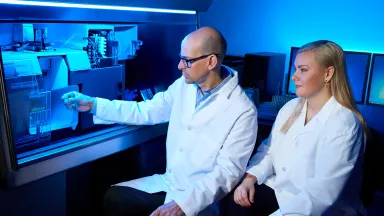
El equipo de su programa e-IRON

Mark H. Chaitowitz, MD
Nuestro equipo multidisciplinario de hematólogos de renombre mundial y proveedores de atención médica avanzada especializada se especializa en la prevención y el tratamiento de la deficiencia de hierro y la anemia por deficiencia de hierro (IDA), y atiende las necesidades de todos los pacientes que requieren terapia con hierro intravenoso. Nuestra plataforma e-IRON garantiza una supervisión eficaz por parte de nuestro equipo de expertos y agiliza, simplifica y estandariza el tratamiento de pacientes con deficiencia de hierro mediante hierro intravenoso en una amplia gama de indicaciones.
Tratamientos avanzados para la anemia por deficiencia de hierro
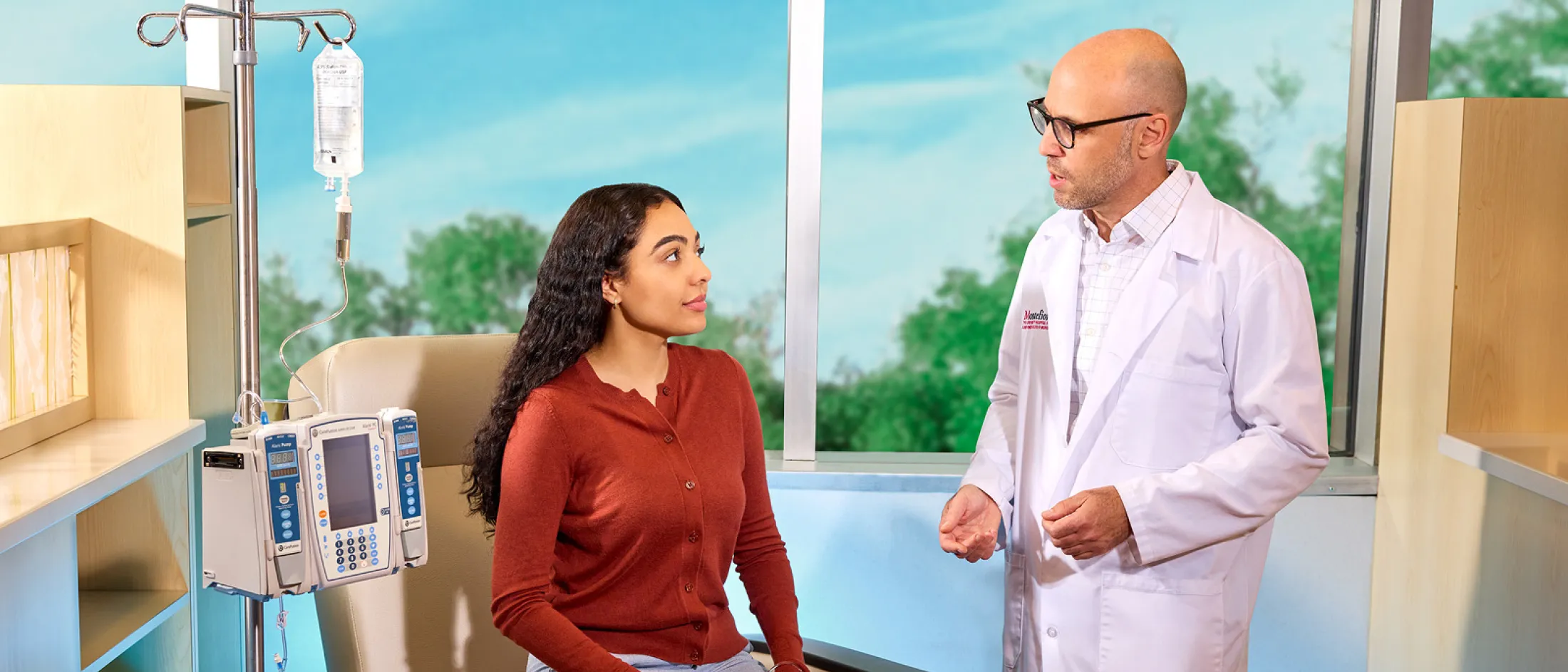
Como parte del sistema de historia clínica electrónica Epic de Montefiore Einstein, e-IRON está disponible para los médicos remitentes para facilitar la derivación electrónica a Hematología para la evaluación de la administración de hierro intravenoso. Nuestro diseño basado en plantillas garantiza que toda la información necesaria, como síntomas, experiencia con hierro oral y análisis de laboratorio recientes, se incluya en la derivación electrónica. Un hematólogo especializado generalmente evalúa las derivaciones a través de e-IRON dentro de las 48 horas posteriores a la derivación electrónica y determina si el hierro intravenoso es apropiado. Las infusiones de hierro generalmente se realizan dentro de los 10 días hábiles posteriores a la derivación. El hematólogo también puede especificar si se requiere una cita presencial con Hematología. En los casos en que el hierro intravenoso no se considere apropiado, se brindará orientación sobre el manejo alternativo. Nuestro protocolo e-IRON también incluye la detección sistemática de antecedentes de sangrado menstrual abundante al momento de la infusión de hierro, y hemos implementado una vía de derivación acelerada a ginecólogos cuando sea necesario.
Ofrecemos acceso a las formulaciones de hierro más novedosas, como el carboximaltosa férrica (Injectafer®) y el dextrano de hierro de bajo peso molecular (INFeD®), que permiten administrar una dosis total de hierro en una sola visita para mayor comodidad. La mayoría de los pacientes completan su tratamiento en una sola visita y, por lo general, no requieren más de dos. La administración de hierro intravenoso se realiza habitualmente en nuestra sala de infusión especializada del Centro de Infusión Hematológica y No Oncológica del Parque Médico Montefiore, bajo la supervisión de hematólogos certificados y enfermeros especializados.
Investigación y ensayos clínicos sobre la anemia por deficiencia de hierro.
Lideramos la investigación colaborativa sobre la terapia con hierro intravenoso y hemos realizado varios estudios que evalúan la viabilidad, la eficacia y la eficiencia de e-IRON. También participamos activamente en ensayos clínicos que estudian la seguridad y la eficacia de diversas formulaciones de hierro intravenoso para la anemia por deficiencia de hierro. Gracias a nuestros ensayos clínicos, nuestros pacientes pueden acceder a tecnologías emergentes y tratamientos innovadores que, de otro modo, no estarían disponibles para el público en general.
Nuestros especialistas en pediatría participaron en el ensayo clínico multicéntrico que condujo a la aprobación ampliada por la Administración de Alimentos y Medicamentos (FDA) de Injectafer®, una carboximaltosa férrica intravenosa, para incluir a pacientes pediátricos de un año de edad o mayores con anemia por deficiencia de hierro (IDA) que presentan una respuesta inadecuada al tratamiento con hierro oral. Asimismo, participamos activamente en un estudio multicéntrico, multinacional y aleatorizado de fase 3 para evaluar la seguridad, la eficacia y la farmacocinética del ferumoxitol o la infusión intravenosa de hierro en comparación con la sacarosa de hierro (Venofer®) para el tratamiento de la IDA en pacientes pediátricos con enfermedad renal crónica.
A recent meta-analysis conducted by our Cardiology Division showed that IV iron–carbohydrate complex therapy in patients with iron deficiency and heart failure with reduced ejection fraction was beneficial in lowering the risk of hospitalization due to heart failure.
Programa e-IRON
En nuestro estudio inicial del programa piloto e-IRON, nuestra investigación reveló que, al eliminar la necesidad de una consulta presencial de hematología, e-IRON simplifica el proceso de derivación para la administración de hierro intravenoso en una amplia gama de indicaciones y reduce significativamente el tiempo necesario desde la derivación hasta la programación de la infusión, acelerando así la administración de hierro intravenoso cuando corresponde. Aproximadamente en el 2 % (2/81) de los casos en los que se indicó hierro intravenoso, se requirieron citas presenciales.
Los resultados de 477 consultas únicas, tras más de un año de experiencia con la plataforma e-IRON, verificaron la viabilidad y eficiencia de la telemedicina para agilizar el manejo de pacientes que requieren hierro intravenoso. En un estudio con 239 mujeres embarazadas derivadas al programa e-IRON, nuestros investigadores observaron que e-IRON facilita la clasificación y el tratamiento rápidos de pacientes embarazadas anémicas que requieren hierro intravenoso, y que cuanto antes se administra la infusión, mayor es el incremento en el nivel de hemoglobina, lo que subraya la importancia de un protocolo que minimiza el tiempo entre la derivación y la infusión. De las 958 derivaciones al programa e-IRON durante 2023, se aprobó el hierro intravenoso en aproximadamente dos tercios de los casos, y se recomendó una consulta presencial tradicional en el 3 % de los casos.
From an analysis of 266 women of reproductive age with IDA who were referred for consideration for IV iron via e-IRON, our data provided evidence that the pathological role of heavy menstrual bleeding was underrecognized, resulting in high recurrence rates of IDA. As a result of this research, we modified our e-IRON protocol to include routine screening for a history of heavy menstrual bleeding at the time of the iron infusion and have instituted an expedited referral pathway to gynecology providers when necessary.

Servicios de orientación y apoyo para la atención de la anemia por deficiencia de hierro.
Si usted o su hijo han recibido un diagnóstico reciente de deficiencia de hierro o anemia ferropénica que requiere terapia con hierro intravenoso, nuestro equipo de renombre mundial en Hematología de Montefiore Einstein está aquí para brindarle apoyo, atención y recursos excepcionales. Nuestros médicos, enfermeros, especialistas y personal de apoyo, compasivos y con amplia experiencia, están dedicados a ayudarle en cada etapa de su tratamiento.
Acerca de la deficiencia de hierro y la anemia por deficiencia de hierro
La deficiencia de hierro es una de las deficiencias nutricionales más comunes en el mundo y la causa más frecuente de anemia. La mayoría de los casos de deficiencia de hierro y anemia ferropénica (AHF) se pueden tratar con éxito mediante la suplementación oral de hierro. Sin embargo, un número considerable de personas solo alcanza niveles normales de hemoglobina tras tratamientos prolongados, que a menudo se asocian con una toxicidad gastrointestinal significativa. Gracias a la disponibilidad de nuevas formulaciones que permiten la administración transdérmica de hierro (ITH), eliminando la necesidad de múltiples visitas para infusión, el hierro intravenoso se ha consolidado como una estrategia rápida, fiable y segura para el tratamiento de la AHF.
Para las personas con deficiencia grave de hierro y/o anemia ferropénica, las circunstancias y afecciones asociadas que tratamos con infusión intravenosa de hierro incluyen las siguientes:
- Pérdida de sangre por afecciones como sangrado menstrual abundante (menorragia), hemorragia gastrointestinal, anemia postoperatoria y trastornos hemorrágicos.
- Incapacidad para utilizar hierro oral
- Cáncer
- Intolerancia al hierro oral
- Anemia ferropénica en el embarazo
- Malabsorción que causa una absorción deficiente de hierro oral debido a afecciones como la enfermedad inflamatoria intestinal, la enfermedad celíaca, la gastritis por H. pylori, la insuficiencia intestinal, la cirugía gastrointestinal (como la cirugía de bypass gástrico y la resección del intestino delgado) y el síndrome del intestino corto.
- enfermedad renal crónica no dependiente de hemodiálisis
- Deficiencia nutricional (una dieta baja en hierro)
- Optimización de la anemia preoperatoria antes de una cirugía electiva mayor o una cirugía de urgencia.
- Insuficiencia cardíaca sintomática con fracción de eyección reducida para mejorar la capacidad de ejercicio
- Respuesta insatisfactoria al hierro oral