

Medical Oncology Research

At Montefiore Einstein Medical Oncology, we are committed to finding new and better ways to predict, prevent, diagnose and treat cancer. Our world-renowned doctors and scientists collaborate closely across disciplines and with investigators worldwide, leading research and spearheading numerous studies and clinical trials, translating novel scientific discoveries into new diagnostics and treatments to help improve clinical outcomes.

From discovering the mechanism of action for the microtubule inhibitor paclitaxel, which led to the development of Taxol—one of the world’s most widely used antitumor drugs—to spearheading the pivotal trial that led to the Food and Drug Administration (FDA) approval of axicabtagene ciloleucel (axi-cel), the first Cluster of Differentiation 19 (CD19)-targeted chimeric antigen receptor (CAR) T-cell therapy approved for the treatment of relapsed or refractory large B-cell lymphoma, we continue to establish new standards of care in oncology and have been involved in multiple trials that have led to the FDA approval of other novel medications. Through our clinical trials, our patients can access emerging technologies and innovative treatments that are otherwise unavailable to the general public.

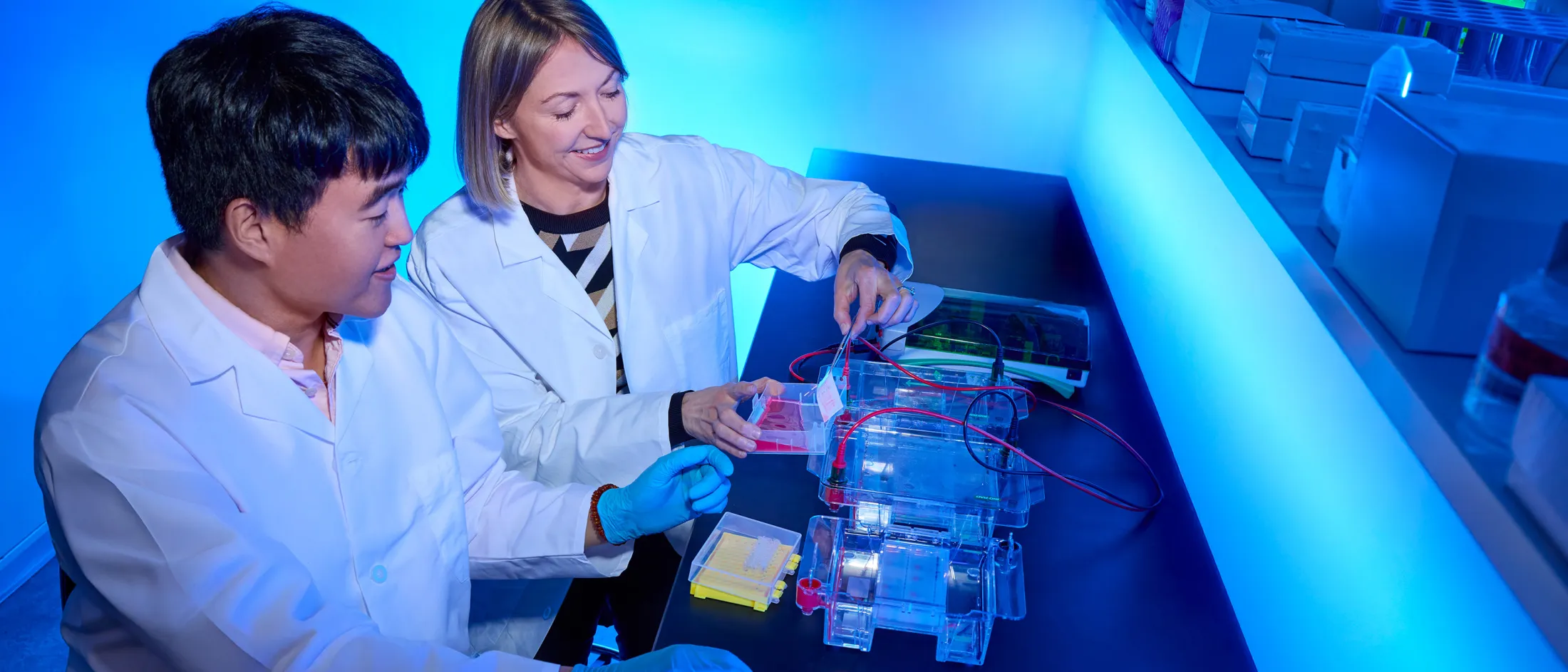
Two researchers in a brightly lit lab conducting an experiment using a gel electrophoresis system, surrounded by lab equipment and containers.

Basic, Translational & Clinical Research Initiatives

Montefiore Einstein Medical Oncology is recognized for its innovative research on the interactions between tumors and surrounding tissues and organs; the role of molecular differences in treatment outcomes; and strategies for preventing, detecting and intercepting both new and recurring cancers. Our researchers actively conduct basic, translational and clinical research to advance our understanding and treatment of cancer. This includes investigating cancer cell dormancy and metastasis, the molecular mechanisms behind drug resistance, the development of novel biomarkers, and ways to improve outcomes and reduce the toxic side effects of chemotherapy, as well as studying the molecular pathogenesis of various cancers to identify treatment pathways that can be targeted.

Milestones & Seminal Contributions

Our notable milestones and seminal contributions in cancer research include the following:

  • We are at the forefront of CAR T-cell therapy and played a major role in the pivotal trial that led to the FDA approval of axi-cel, the first CD19-targeted CAR T-cell therapy approved for the treatment of relapsed or refractory large B-cell lymphoma.
  • We identified the critical importance of the transforming growth factor-beta (TGF-ß) pathway in the pathogenesis of myelodysplastic syndromes (MDS), which then provided the rationale for the clinical development of novel TGF-ß inhibitors.
  • Our research paved the way for the FDA approval of luspatercept-aamt (REBLOZYL®) for MDS-related anemia—the first new treatment option for MDS in more than a decade.
  • Our research has shown that MDS and leukemias are caused by aberrant leukemic stem cells and identified novel targets against MDS/acute myeloid leukemia (AML) stem cells that are being tested in various studies.
  • We developed novel transition-state inhibitors by exploring transition-state structures for specific enzyme targets. These studies have led to the approval of forodesine (BCX1777) for peripheral T-cell lymphoma in Japan and to the development of transition-state inhibitors for methylthioadenosine phosphorylase, methionine adenosyltransferase 2A  and 5'-methylthioadenosine/S-adenosylhomocysteine nucleosidase to be used alone or in combination with other agents to treat human cancers.
  • Focused on identifying novel therapeutic agents in AML, our researchers brought multiple targeted agents from preclinical investigations into clinical trials and eventual FDA approavls for blood cancers like AML. Most notably, B-cell lymphoma 2 (BCL-2) inhibitor Venetoclax, which in combination with low-intensity therapies, has become a standard of care for older AML patients unfit for intensive chemotherapy.
  • We were one of the first to pioneer the use of CAR T-cell therapy for the treatment of acquired immunodeficiency syndrome (AIDS)-related lymphoma.
  • We are currently conducting CAR T-cell trials for solid tumors and myeloma, as well as a novel “off-the-shelf” CAR T-cell therapy for recurrent lymphoma.
  • We are one of 36 sites worldwide participating in the AIDS Malignancy Consortium, a National Institutes of Health-funded group that offers access to leading-edge clinical trials designed specifically for people with human immunodeficiency virus (HIV) infections and cancer.
  • We are a leader in developing new protocols for patients with AML and MDS, advancing treatments and ensuring they are more tolerable and less toxic to patients.
  • Through our participation in the TeamLab, Montefiore Einstein is one of the first limited collaborators with Break Through Cancer, a strategic extension of Break Through Cancer’s effort to harness specialized expertise from top cancer centers nationwide.
  • Our physician–scientists were the first to administer tumor necrosis factor-bound colloidal gold nanoparticles as targeted therapy to cancer patients.
  • We are studying the underlying causes of adult T-cell leukemia/lymphoma through a recent National Cancer Institute (NCI) grant.
  • We developed a first-in-class BCL-2-associated X protein (BAX) activator as a novel paradigm for inducing apoptosis in cancer that can be used alone or in combination with BCL-2/BCL-XL inhibitors for treating human cancers.
  • We developed a novel class of immunomodulatory biologics using the synTac platform that provides a unique opportunity for the facile replacement of the antigenic peptide to realize a wide range of biologics that are specifically tuned to a patient’s individualized neoantigens.
  • We described how primary tumor niches, called tumor microenvironment of metastasis (TMEM) doorways and composed of specialized tumor cells, macrophages and endothelial cells in the tumor, instruct precursors of breast cancer disseminated cancer cells to turn on stem and dormancy programs driven by nuclear receptor subfamily 2 group F member 1 (NR2F1) and SRY-related high-mobility group box 9 (SOX9).
  • We discovered a new human immune checkpoint pathway involving the HHLA2 ligand and the KIR3DL3 receptor, a killer cell immunoglobulin-like receptor (KIR) family member. The HHLA2–KIR3DL3 pathway is expressed in a broad spectrum of human cancers, particularly in Programmed Death-Ligand 1 (PD-L1)-negative cancers. As such, disruption of HHLA2–KIR3DL3 is an attractive new approach for PD-L1-negative cancer patients who do not respond to anti-PD-1/PD-L1 therapy.
  • We identified a higher burden of clonal hematopoiesis and leukemia-associated mutations in World Trade Center (WTC)-exposed firefighters when compared to non-WTC-exposed firefighters.
  • Our researchers used novel translational research models to address basic aspects of lung cancer research to spearhead the development of key agents like erlotinib and topotecan that have made a huge impact in the management of patients.

We were the first to define neural contributions to a stem cell niche and demonstrated that signals from the sympathetic nervous system regulate hematopoietic stem cell egress from the bone marrow and that adrenergic nerves regulate their circadian release.

As pioneers in hematopoietic stem cell research, our researchers were also the first to discover that stem cells engage in trogocytosis (when a cell gnaws another cell), which plays a role in regulating immune responses and other cellular systems, and found that impairing stem cell factor receptor (c-Kit) would prevent trogocytosis, leading to more hematopoietic stem cells being mobilized and made available for transplantation. This groundbreaking finding may boost the effectiveness and expand the use of stem cell transplants. We closely collaborate with the Ruth L. and David S. Gottesman Institute for Stem Cell Research.

  • We discovered the mechanism of action for the microtubule inhibitor paclitaxel, which led to the development of Taxol—one of the world’s most widely used antitumor drugs—and its application in cancer therapeutics worldwide. We are also pioneers in the discovery of the mechanisms of action of numerous other essential antitumor medicines such as camptothecin, epipodophyllotoxins and bleomycin.
  • We are one of the few centers in the nation with an active phase 1 clinical trial program using cellular therapies to treat patients with solid tumors (such as pancreatic cancer, lung cancer and endometrial cancer), offering patients for whom conventional treatments have failed new treatment options not available to the general public.
  • We developed a novel optimized CAR T-cell therapy (a transmembrane and immunoglobulin domain containing 2 (TMIGD2)-optimized potent/persistent (TOP) CAR to treat human solid tumors such as pancreatic and lung cancers and glioblastoma—an advance that could transform cancer treatment.
  • We published one of the first reports on PDXs in mice, setting the standard for in vivo tumor models.
  • We published the first-in-human study of inhaled azacitidine in patients with advanced non-small-cell lung cancer.
  • Our researchers discovered several new immune checkpoints and developed numerous checkpoint inhibitors, focused mainly on inhibiting the B7-CD28 immune checkpoint family, proteins that play important roles in cancer immune evasion and progression. Two of the checkpoint inhibitors are now being evaluated in phase 1 and phase 2 clinical trials in 12 different types of solid cancers and three different types of blood cancers.
  • We discovered various proteins that are overexpressed in cancer cells and are new targets for cancer immunotherapy.
  • Our researchers invented monoclonal antibodies against IgV domain of B7-H3 and uses thereof; chimeric antigen receptors comprising a transmembrane and immunoglobulin domain containing 2 (TMIGD2)—a costimulatory immune receptor and therapeutic target on human AML stem cells—and associated methods of using the same; and chimeric antigen receptors targeting B7-H3 (CD276) and associated methods.
  • We developed monoclonal antibodies made against TMIGD2 to treat AML, an aggressive and usually fatal blood cancer.
  • Our researchers helped lead a major shift in cancer biology by investigating how cancer cells hibernate, undetected, for long periods of time and what causes them to suddenly awaken to seed deadly, treatment-resistant metastases.
  • Our researchers studied Chinese herbal medicine and its integration with standard care with the goal of improving outcomes and reducing the toxic side effects of chemotherapy.
  • Our researchers were among the first researchers to demonstrate that MDS, a common precursor of AML, arises from defective blood-forming stem cells. As a result of this work, several experimental drugs targeting abnormal stem cells in patients with MDS and AML are in clinical trials.
  • We are involved in the development of radiopharmaceutical agents for the treatment of bone metastases and the development of a small molecule inhibitor of DEAD-box helicase 3 (DDX3).
  • Our researchers directed a clinical trial of reduced intensity haploidentical bone marrow transplantation for children with high-risk solid tumors.
  • We are involved in the development of biomarkers of metastatic risk and of minimal residual disease in children, adolescents and young adults with sarcomas.
  • Our scientists led (chaired) the landmark NCI-sponsored TAILORx trial, the largest breast cancer treatment trial in history using a gene panel test to guide the use of adjuvant chemotherapy in people with early-stage estrogen receptor (ER)-positive, human epidermal growth factor receptor 2 (HER2)-negative breast cancer.
  • We identified potential biomarkers for pinpointing the subset of patients with ER-positive/HER2-negative breast cancer who have an increased risk for developing metastatic disease.
  • We have a robust research program that includes identifying novel targets or pathways critical for the growth of colon cancer. By identifying these potential targets, we can develop new drugs or combination treatments to slow the growth of, or eliminate, colon cancer.
  • Our scientific investigators are also studying the genomics of colorectal cancer, as there is growing evidence that the molecular alterations in non-Caucasian patients are different from those of Caucasian patients.
  • We helped establish new standards of care in urologic oncology, spearheading clinical trials that have led to the development of FDA-approved medications and devices, such as primary chemoablation of low-grade upper-tract urothelial cancer, and intravesical immunotherapy in patients with Bacillus Calmette-Guerin-unresponsive non-muscle-invasive bladder cancer.
  • We were among the first in the nation to use radioisotopes for cancer therapy, were the first to use radioiodine (I-131) to treat metastatic thyroid cancer, successfully introduced the use of recombinant human thyroid-stimulating hormone as an adjunctive therapy with radioactive iodine in the treatment of metastatic thyroid cancer and authored one of the most important articles ever published in nuclear medicine, forever changing the management paradigm for various cancers using nuclear medicine.
  • We incorporated web-based tobacco-smoking interventions into standard practice, as well as in national clinical guidelines for people living with HIV.
  • We studied FLT3 ligand immunotherapy for patients with non-small-cell lung cancer that has progressed after standard treatment.
  • We are focused on developing novel T-cell-activating agents that target tumors with more precision and cause fewer side effects.
  • We spearheaded the phase 2 trial of erlotinib (Tarceva) in patients with HER1/EGFR—expressing non-small-cell lung cancer previously treated with platinum-based chemotherapy, indicating that erlotinib was an active and well-tolerated agent for treatment of relapsing non-small-cell lung cancer and supported continuing development of the drug, which was subsequently approved by the FDA.
  • We published one of the first reports on PDXs in mice, setting the standard for in vivo tumor models.
  • We published the first-in-human study of inhaled azacitidine in patients with advanced non-small-cell lung cancer.
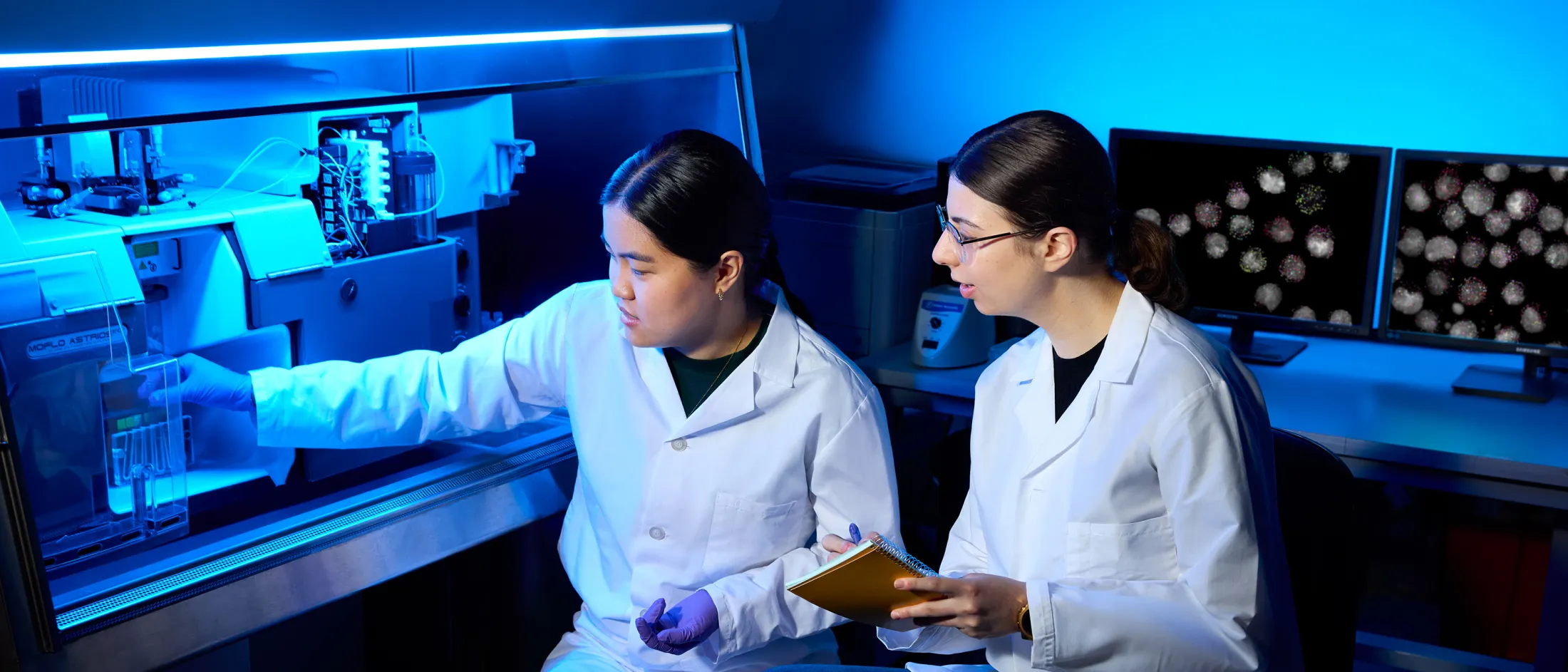
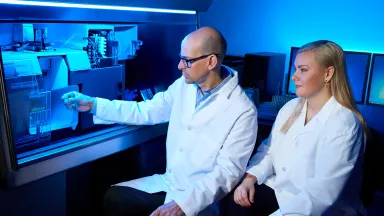
Two scientists in lab coats working with a large flow cytometer under blue lighting, with cell images displayed on monitors in the background.

Clinical Trials for Medical Oncology

We are spearheading all phases and types of clinical trials for individuals with a wide spectrum of blood cancers and solid tumors. By enrolling in a clinical trial, you can help our scientists develop new treatments, diagnostic tools and other strategies to prevent, diagnose and treat cancer. Through our clinical trials, you may also be able to access emerging technologies and innovative treatments that may otherwise not be available to the general public.

Featured Clinical Trials

The Latest Cancer Research

Stay up to date on the latest cancer research news and advances.