


Our Approach to Men’s Health, Sexual Dysfunction & Infertility

The Men’s Health, Sexual Dysfunction & Infertility Program at Montefiore Einstein, a nationally recognized leader in the field, offers comprehensive, state-of-the-art care for men of all ages. We treat all male-specific urologic health conditions, including erectile dysfunction, Peyronie’s disease, premature ejaculation, stress urinary incontinence, testicular and pelvic pain, prostatitis, hypogonadism, and infertility. We’re ranked in the top 1% of all hospitals in the nation for urology according to US News & World Report.
We offer the full range of treatment options for men’s urologic care and have one of the busiest penile implant centers in the region. Using an individualized approach tailored to addressing each patient's needs, our multidisciplinary team of renowned doctors specializes in preventing, diagnosing and treating men’s health conditions and includes urologists and urologic surgeons who collaborate closely with primary care physicians, cardiologists, endocrinologists, geneticists, and other specialists. We use the most advanced diagnostics and treatments to help restore sexual and urinary function, relieve pain, and improve the quality of life for each patient. Confidentiality and family-centered care are among our top priorities and we encourage men to involve their spouses or partners in care decisions every step of the way.
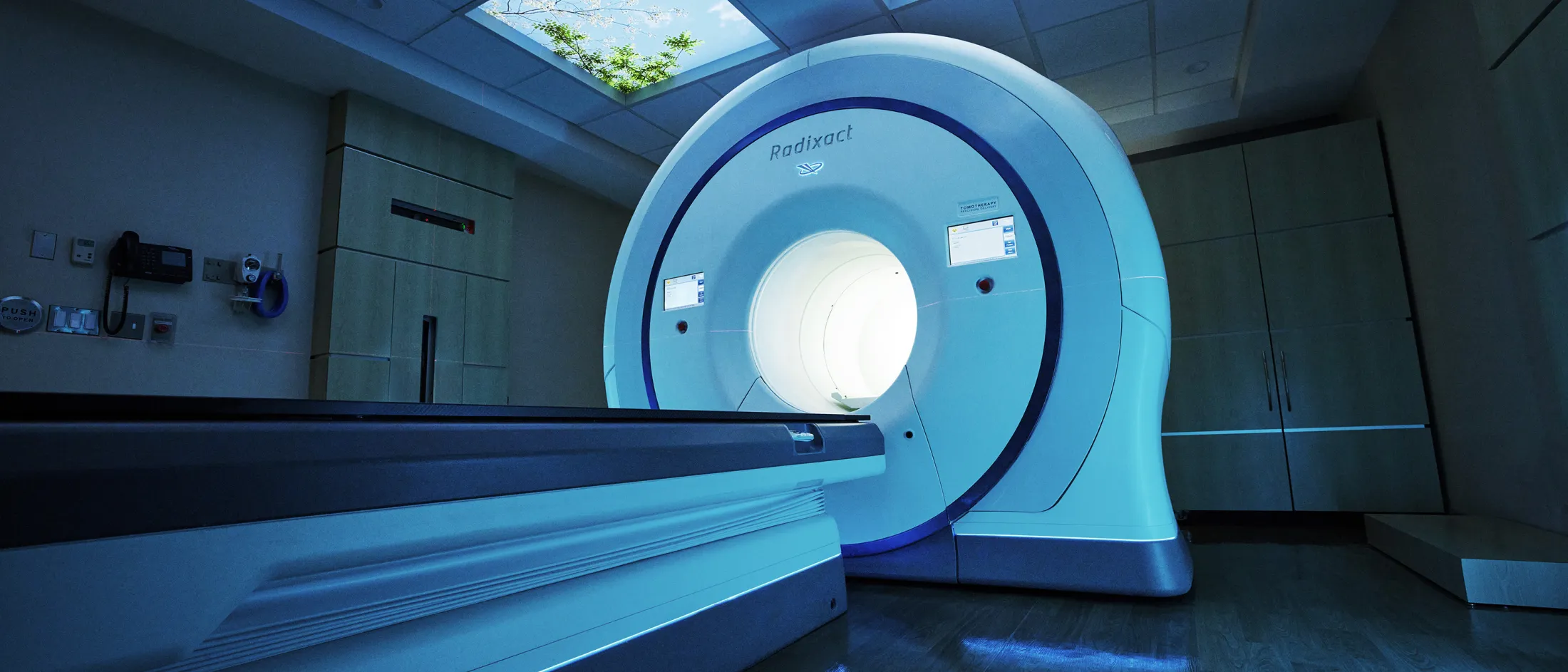
Diagnóstico y tratamientos avanzados
We offer access to the most advanced diagnostics and treatments to help prevent, earlier detect, and treat all types of men’s health, male sexual dysfunction, and infertility conditions.
Diagnóstico
Non-Surgical Treatments
Tratamientos quirúrgicos
Investigación y ensayos clínicos
We are leading collaborative research and spearheading numerous studies and clinical trials, including several funded by the National Institutes of Health (NIH), translating novel scientific discoveries into new diagnostics and treatments to help improve clinical outcomes and change lives. Through our clinical trials, our patients can access emerging technologies and innovative treatments that are otherwise unavailable.
We are a leader in both basic and translational research in erectile and bladder physiology, and our Department has made significant contributions to the field of Urology.
Through grants from the NIH, we are also studying ways to preserve erectile function following radical prostatectomy and exploring the underlying mechanisms by which fidgetin-like 2 (FL2)-depletion promotes cavernous nerve repair and recovery of erectile function after radical prostatectomy and to potentially identify novel therapeutic strategies to prevent and treat erectile dysfunction following radical prostatectomy.
Other areas of research include studying gap junction and pannexin channels, potassium channels, myosin-actin contractile physiology, purinergic signaling, altered opiorphin synthesis and its effect on local and systemic smooth muscle function, effects of type I diabetes on bladder and erectile physiology, interactions between the urothelial and detrusor smooth muscle tissues in the modulation of bladder function, and the development of priapism associated with Sickle Cell Disease.

Your Men’s Health Team