

About Our Program
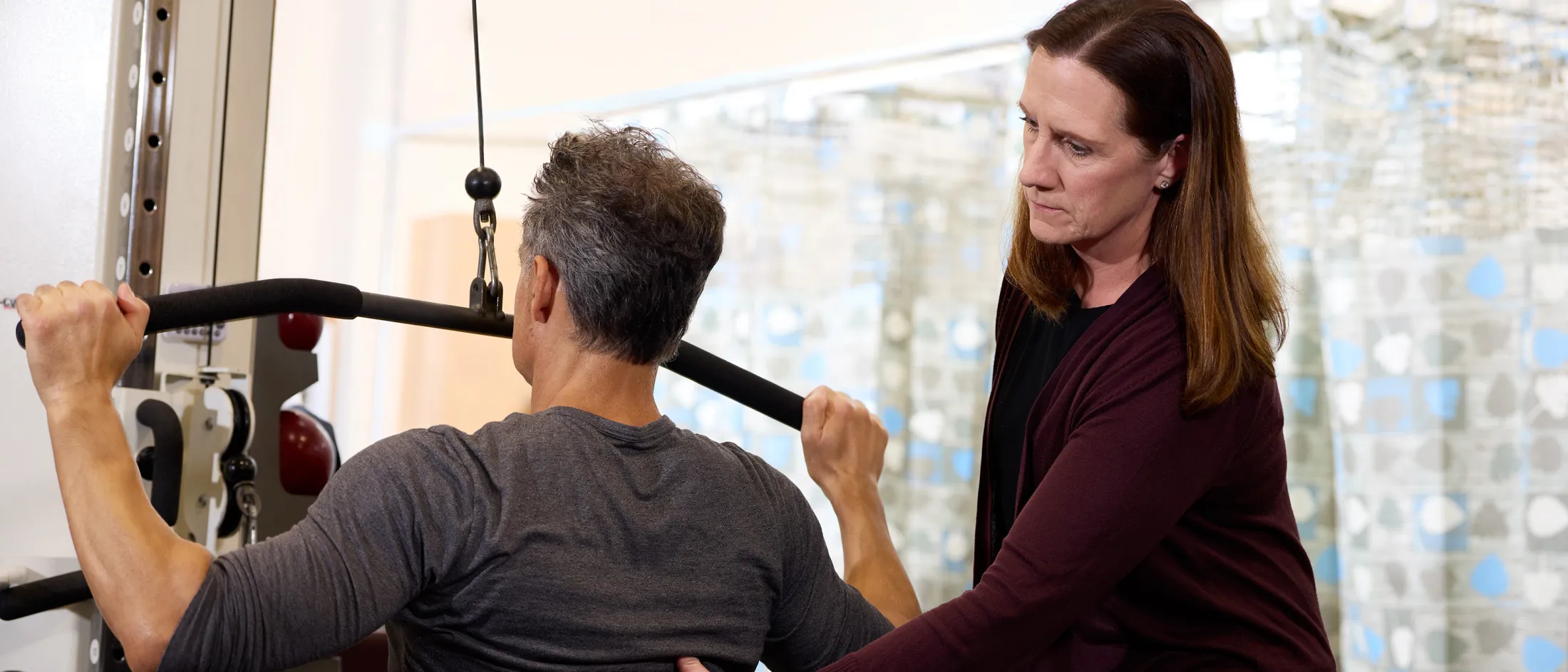
The renowned team of physical therapists at the Montefiore Einstein Department of Physical Medicine and Rehabilitation designs and implements rehabilitation programs for individuals of all ages who face physical limitations resulting from injury, illness or surgery. Through close collaboration with our physiatrists and specialists, our customized regimens utilize a wide range of advanced therapeutic modalities and treatments to enhance independence, alleviate pain, prevent further injury or damage and restore optimal function for our patients.
Our Program is widely recognized for its excellence in rehabilitation care. The New York New Jersey Physical Therapy Clinical Education Consortium has honored our Department with the Outstanding Center for Physical Therapy Clinical Education Award. Our physical therapists are integral team members of The Joint Commission on Accreditation of Healthcare Organizations’ (JCAHO) ventricular assist device (VAD), comprehensive stroke center (CSC), primary stroke center (PSC) and advanced total hip and total knee replacement certified services. Members of our team hold certificates from the American Physical Therapy Association (APTA) in geriatric clinical specialty (GCS) and pediatric clinical specialty (PCS). Our staff is also certified in manual lymphatic drainage and vestibular rehabilitation care.
Our Physical Therapy Services
The Montefiore Einstein physical therapy team provides evidence-based treatments that support patient recovery. Your provider may recommend one of our many advanced therapies, which can include manual therapy (hands-on mobilization of soft tissue), therapeutic modalities such as ultrasound and electrical stimulation, neuromuscular re-education, gait training, orthotic/prosthetic training and ongoing patient and family education.
Our professionals are skilled at managing a wide range of conditions that affect movement, function and overall physical health. Conditions we treat include:
Arthritis causes inflammation in the joints, resulting in pain, stiffness, swelling and decreased mobility. Although there is no cure for arthritis, physical therapy can help alleviate symptoms and enhance function.
Back pain is one of the most common reasons individuals seek physical therapy. Physical therapy for back pain focuses on alleviating discomfort, improving mobility and preventing future problems by strengthening muscles, enhancing posture and optimizing overall spinal function. Our experts will assist you in developing an effective and noninvasive treatment plan for managing back pain.
Physical therapy is ideal for individuals who have difficulty maintaining stability while standing, walking or performing everyday tasks. Various factors, including age, injury, neurological conditions and inner ear problems, can lead to balance issues. Physical therapy is essential for improving balance and reducing the risk of falls, particularly for older adults or those recovering from surgeries or injuries.
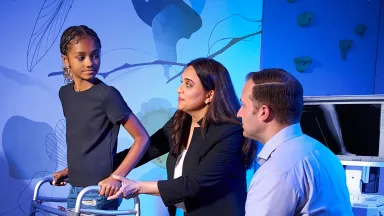
Developmental delays can impact motor skills, language, social skills and learning abilities. Early intervention, including physical therapy, is crucial for helping children overcome developmental challenges and enhancing their functioning. Our services for children with developmental delays concentrate on improving motor skills, strength, coordination and overall movement abilities.
Physical therapy is crucial in the recovery process following a bone fracture. As the bone heals, physical therapy aids in restoring strength, mobility, flexibility and function, allowing individuals to resume normal activities.
Physical therapy, particularly pelvic floor physical therapy (PFPT), can effectively treat incontinence and pelvic pain. This therapy focuses on the muscles of the pelvic area, which support organs such as the bladder, uterus and rectum.
When a damaged joint is surgically replaced with an artificial one, physical therapy plays a crucial role in the recovery process. Our team can assist you in regaining strength, mobility and function in the affected joint.
The lymphatic system drains excess fluid from tissues and filters waste. Some individuals develop lymphedema when this system becomes damaged or impaired due to surgery, injury, infection or genetic factors. This condition is characterized by swelling, most commonly in the arms or legs. Physical therapy can effectively manage the condition, reduce swelling and improve the quality of life.
Neurological conditions are disorders that affect the nervous system, including the brain, spinal cord and peripheral nerves. They can lead to weakness, loss of coordination, difficulties walking and changes in balance or posture. Physical therapy is vital for rehabilitating and managing neurological conditions, helping patients regain independence, improve mobility and manage symptoms more effectively.
Osteoporosis is a disease that affects bones, leading to thin, brittle and porous bones, similar to sponges. It can result in fractures in the hip, spine and wrist. These fractures can be disabling and may hinder your ability to live independently, but physical therapy can enhance balance and strength, alleviate pain and slow bone loss.
A spinal cord injury (SCI) refers to damage to the spinal cord, a soft bundle of nerves extending from the base of the brain to the lower back. It travels through the spinal canal, a tunnel created by openings in the bones of the spine. The bony structure of the spine provides protection for the spinal cord. Physical therapy seeks to optimize physical abilities and mitigate the effects of an SCI. Our specialists will assist you in maximizing mobility, enhancing circulation, managing pain, preventing muscle atrophy and strengthening muscles to promote independence.
Sports injuries occur during physical activity or sports and affect athletes at any level, from amateur to professional. They can involve muscles, ligaments, tendons, bones and joints, and may result from acute trauma or repetitive stress over time. Physical therapy is a valuable treatment for sports injuries, as it promotes healing, restores function, reduces pain and prevents future injury occurrences.
A stroke is brain damage that occurs when a blood vessel bursts or is blocked by a blood clot. Without blood and the oxygen it carries, part of the brain begins to die. Consequently, the part of the body controlled by the damaged area of the brain cannot function properly. Physical therapy can help improve coordination and muscle strength, restoring movement, balance, coordination and range of motion.
Physical therapy is essential for helping patients regain strength, mobility and function after surgeries, particularly orthopedic, musculoskeletal or neurosurgical procedures. It helps prevent complications, decreases the risk of re-injury and supports overall rehabilitation. Combining surgery with physical therapy optimizes recovery, enabling patients to achieve the best possible results.