


Bienvenida de nuestros directores de programa
¡Enhorabuena por su decisión de iniciar una carrera profesional en psiquiatría! Su trayectoria será intelectualmente estimulante, personalmente gratificante y emocionalmente transformadora. Sin duda, este es un momento extraordinario para incorporarse a este campo. La explosión de conocimientos en el ámbito de las neurociencias y la integración de estos conocimientos con una sofisticada comprensión psicológica de cada paciente hacen que la práctica de la psiquiatría moderna sea compleja, desafiante y apasionante.
Nuestro programa de residencia prepara a los recién graduados para este mundo cambiante, ya que les permite convertirse en excelentes médicos capaces de integrar modelos biológicos, psicodinámicos, fenomenológicos y socioculturales para tratar a los pacientes de manera eficaz.
La residencia es, ante todo, una educación de posgrado. La capacitación de los residentes de nuestro programa abarca una experiencia amplia y profunda en la atención al paciente, que no se ve comprometida por la prestación de servicios. Aunque la capacitación en psicoterapia suele pasarse por alto o ser insuficiente en los programas de residencia, convertirse en un psicoterapeuta competente es fundamental para la identidad y la función profesional de un psiquiatra. Nuestra filosofía se rige también por una perspectiva evolutiva de la capacitación, y esto refleja nuestra creencia en los aspectos madurativos de convertirse en psiquiatra.
Además, la supervisión individual es una piedra angular en el desarrollo de la excelencia clínica. Nuestro amplio y diverso profesorado, compuesto por psicofarmacólogos, psicoterapeutas, investigadores clínicos, directores de servicios y especialistas, lleva a cabo una supervisión individual y en pequeños grupos dentro de las diversas áreas, entre ellas, psicofarmacología, psicoterapia, que incluye psicodinámica, terapias de apoyo, terapia cognitivo conductual (TCC), terapia familiar y de pareja, y terapia de grupo. También contamos con todos los fellowship del Consejo de Acreditación en Educación Médica para Graduados (ACGME, por sus siglas en inglés) y experiencia clínica en adicciones, consulta y enlace, psiquiatría infantil y adolescente, geriátrica y forense. Un amplio plan de estudios didáctico fomenta aún más el desarrollo profesional y el liderazgo. Por último, los residentes pasan a formar parte de nuestra familia, en la que su bienestar y su desarrollo clínico e intelectual son primordiales. A través de reuniones periódicas con el profesorado sénior, los residentes de nuestro programa realizan comentarios de forma activa en torno a su experiencia educativa y al programa de capacitación en general. El programa de capacitación pertenece a los residentes.
El crecimiento psicológico personal del residente y el desarrollo de una mayor conciencia emocional son fundamentales para convertirse en un médico excelente, ya que la psicología tanto del paciente como del médico se emplea de forma central en todos los tratamientos psiquiátricos. Para facilitar el crecimiento psicológico personal y la conciencia, los residentes participan en un grupo experimental semanal en el que interactúan con otros residentes; cada residente tiene a su disposición preceptores y, si lo desea, se le facilita la psicoterapia individual.
Por último, este Departamento considera que la residencia psiquiátrica de 4 años es una experiencia evolutiva muy enriquecedora. Hay etapas específicas durante las cuales el residente evoluciona en términos de identidad clínica, crecimiento emocional personal y conciencia psicológica. Es un camino exigente, pero increíblemente gratificante. Agradecemos y celebramos su interés en nuestro programa.
Ana Ozdoba, MD, Directora del Programa, Capacitación de Residentes
Joseph Kim, MD, Director Asociado del Programa, Capacitación de Residentes
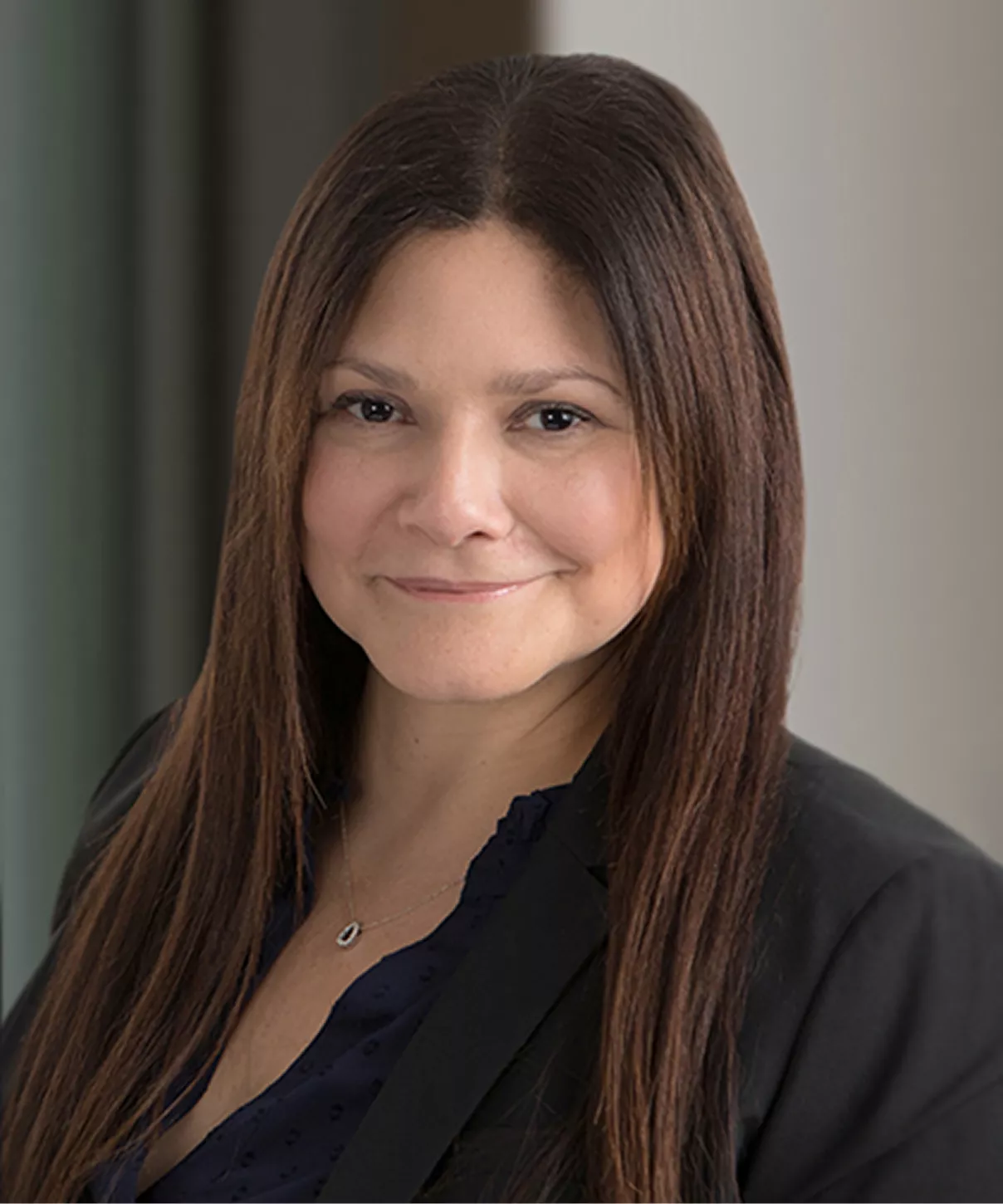
Ana Ozdoba, Doctora en Medicina
Director del programa de formación de residentes
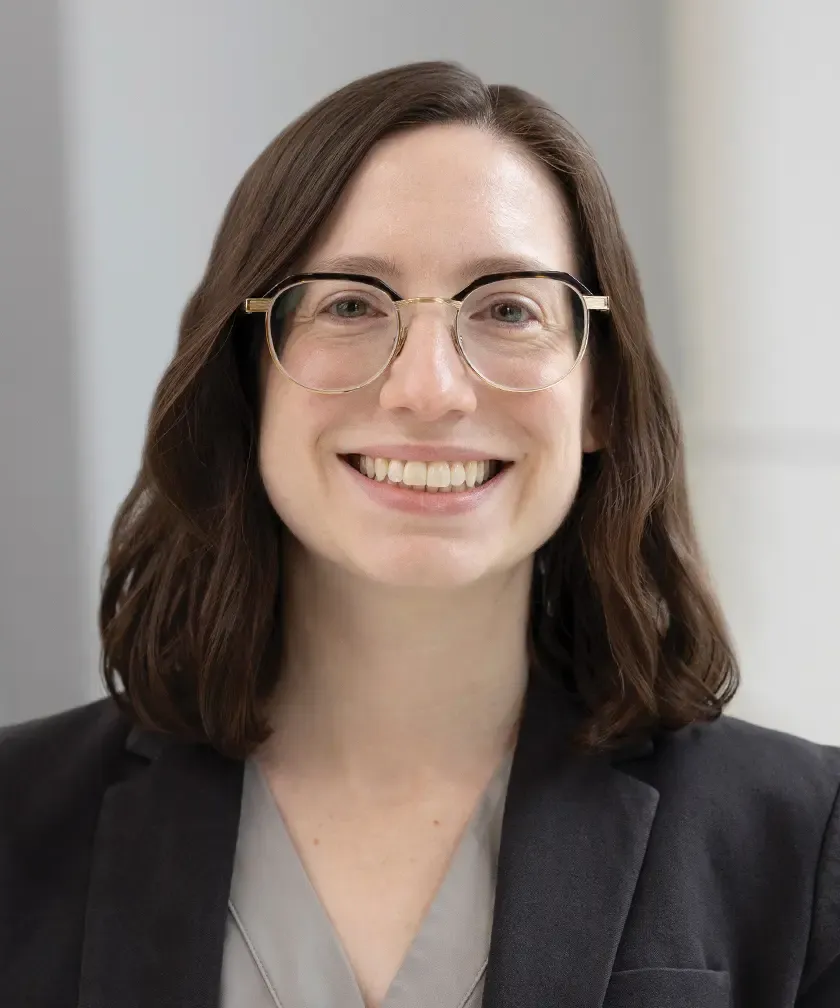
Nikki Bloch, doctora en medicina
Director asociado del programa de formación de residentes
Alexandra Fields, doctora en medicina
Director asociado del programa de formación de residentes