

Investigación en psiquiatría y ciencias del comportamiento
La ciencia en el corazón de la medicina
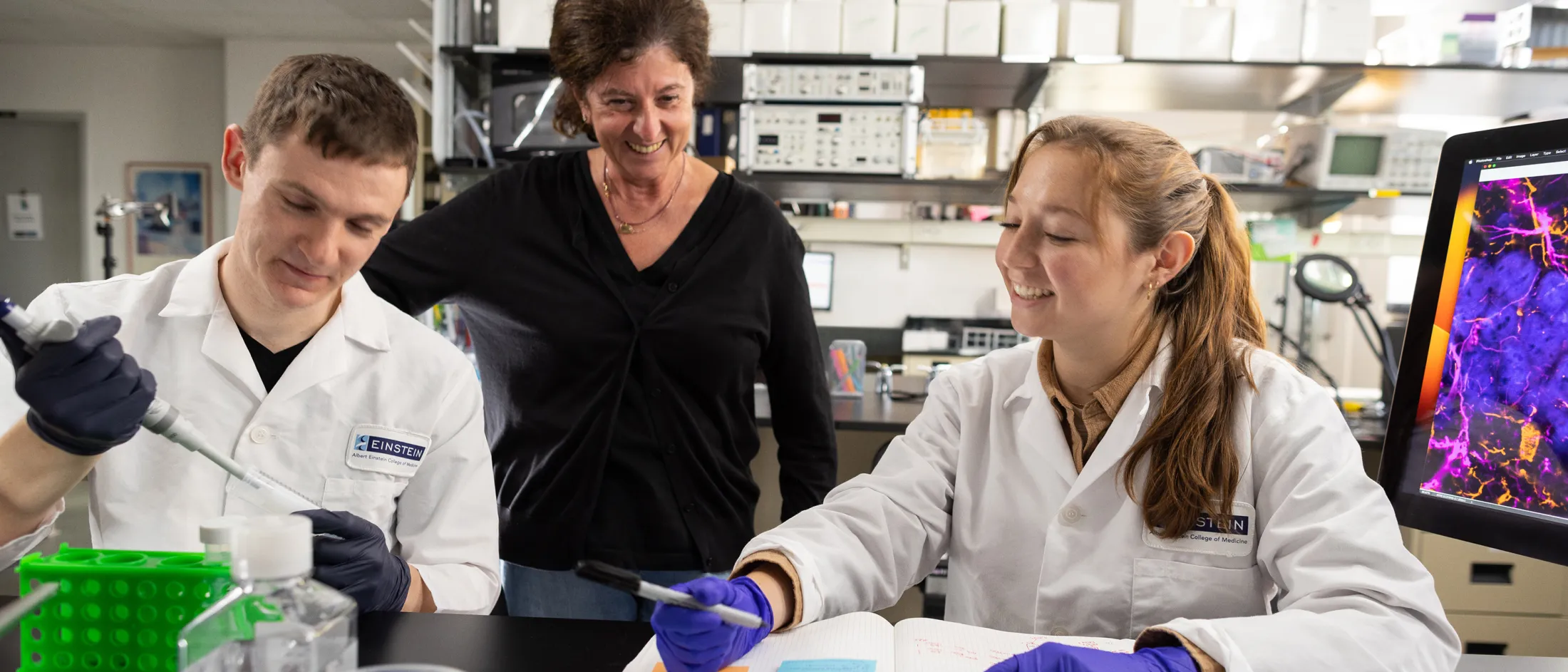
La investigación del Departamento de Psiquiatría y Ciencias del Comportamiento está impulsada por una cultura de colaboración interdisciplinaria y respaldada por una sólida infraestructura de investigación que incluye el Instituto de Investigación de Psiquiatría en Montefiore Einstein, el Instituto Harold y Muriel Block para la Investigación Clínica y Traslacional en Einstein y Montefiore, una amplia gama de instalaciones y núcleos científicos compartidos y una comunidad de mentores de investigación dedicados.
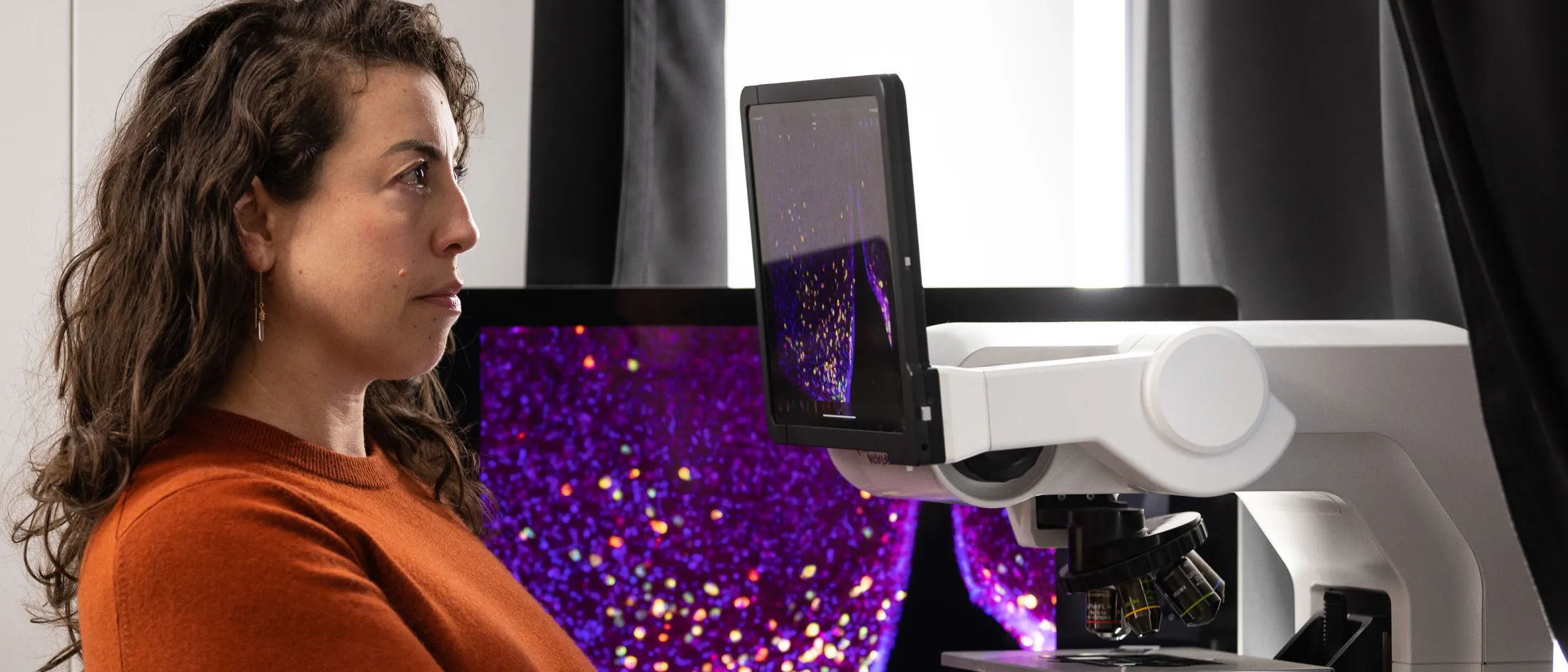
Instituto de Investigación Psiquiátrica de Montefiore Einstein (PRIME)
El Instituto de Investigación Psiquiátrica de Montefiore Einstein (PRIME, por sus siglas en inglés) se estableció en 2017 con el fin de ofrecer una infraestructura para una empresa de investigación en constante crecimiento que incluye estudios básicos y traslacionales que utilizan una variedad de enfoques de última generación y emergentes; ensayos clínicos que evalúan enfoques farmacológicos, psicoterapéuticos y basados en neuroestimulación prometedores para afecciones psiquiátricas desafiantes y trastornos por uso de sustancias; neuroimágenes en poblaciones con o en riesgo de enfermedades mentales y trastornos por uso de sustancias e investigación bioinformática relevante para la salud conductual y las enfermedades mentales.
-
Programa del Espectro Autista y del Trastorno Obsesivo Compulsivo
El Programa del Espectro Autista y del Trastorno Obsesivo Compulsivo se dedica a desarrollar tratamientos innovadores para un grupo único de afecciones superpuestas al aclarar los mecanismos neurobiológicos que subyacen a los dominios de síntomas centrales en estas afecciones y ofrecer atención de renombre mundial a los participantes de nuestra investigación.
-
Programa de Investigación de Trastornos del Estado de Ánimo
El Programa de Investigación de Trastornos del Estado de Ánimo tiene como objetivo mejorar la atención y los resultados para los pacientes con diagnósticos unipolares y bipolares en un entorno que fomenta la investigación creativa e interdisciplinaria para avanzar en la comprensión y el tratamiento de las enfermedades mentales y los trastornos del estado de ánimo.
-
Programa de Investigación sobre Psicoterapia Centrada en las Emociones
El Programa de Investigación sobre Psicoterapia Centrada en las Emociones se dedica a investigar psicoterapias no basadas en la exposición, incluidas las psicoterapias psicodinámicas, interpersonales y de apoyo, así como a investigar el apego y la función reflexiva.
-
Laboratorio de Circuitos Neuronales para la Motivación y la Estimulación
El Laboratorio de Circuitos Neuronales para la Motivación y la Estimulación es un programa especializado dedicado a comprender las conductas adictivas, centrándose en prácticas basadas en evidencia y en la colaboración interdisciplinaria.
-
Laboratorio de Neurobiología del Metabolismo, Nutrición y Respuesta al Estrés
El Laboratorio de Neurobiología del Metabolismo, Nutrición y Respuesta al Estrés busca comprender mejor cómo el cerebro coordina la respuesta a las necesidades metabólicas y los impulsos motivacionales del cuerpo, cómo el medio ambiente influye en estas respuestas y cómo la biología subyacente puede conducir a un amplio espectro de resultados adaptativos y relacionados con la enfermedad.
-
Laboratorio de Neurobiología del Comportamiento Social
El Laboratorio de Neurobiología del Comportamiento Social descubre y disecciona los circuitos neuronales que controlan los comportamientos sociales para comprender cómo se regulan estos circuitos en condiciones fisiológicas y patológicas.
-
Laboratorio de Neurobiología de la Memoria Relacionada con el Estrés
Nuestros investigadores buscan comprender la relación entre los recuerdos negativos, el afecto negativo y el comportamiento desadaptativo e identificar enfoques neurobiológicos que puedan ayudar al tratamiento de los trastornos afectivos.
-
Programa de Investigación del Neurodesarrollo
El Programa de Investigación del Neurodesarrollo investiga cómo tipos específicos de células neuronales, con énfasis en las neuronas inhibidoras del ácido gamma-aminobutírico (GABA)érgicas, y los circuitos asociados maduran y orquestan el procesamiento de la información cortical relacionada con el comportamiento.
-
Laboratorio de Neurociencia de la Drogadicción y de la Toma de Decisiones
El Laboratorio de Neurociencia de la Drogadicción y de la Toma de Decisiones está compuesto por un equipo interdisciplinario que utiliza una amplia gama de enfoques, desde la neurociencia molecular, de sistemas, computacional y conductual para estudiar la base neuronal de la toma de decisiones guiada por recompensas, la adicción a las drogas y el comportamiento motivado.
-
Programa de Genética del Comportamiento
El Programa de Genética del Comportamiento es un programa especializado que estudia las bases moleculares de la esquizofrenia, el autismo y los trastornos del neurodesarrollo.
-
Laboratorio de Predicción y Prevención de Riesgos
El Laboratorio de Predicción y Prevención de Riesgos tiene como objetivo reducir el sufrimiento humano a través de una mejor comprensión, predicción y prevención de la conducta autolesiva.
-
Laboratorio de Neurociencia Cognitiva Socioecológica
El Laboratorio de Neurociencia Cognitiva Socioecológica estudia cómo el cerebro representa estructuras sociales complejas y cómo estas estructuras sociales y la posición de un individuo dentro de ellas influyen en el dolor, la emoción y la salud.
-
Laboratorio de Mitigación del Estigma y Equidad en Salud
El Laboratorio de Equidad en la Salud y Mitigación del Estigma estudia estrategias para mitigar los estigmas relacionados con el virus de la inmunodeficiencia humana (VIH) en entornos de atención médica que dan como resultado mejoras en la calidad de la atención y los resultados de salud.
-
Laboratorio para la Comprensión de la Fisiología de los Neuropéptidos en los Circuitos del Desarrollo, la Adultez y el Envejecimiento
El Laboratorio para la Comprensión de la Fisiología de los Neuropéptidos en los Circuitos del Desarrollo, la Adultez y el Envejecimiento explora cómo la neuromodulación y la inhibición dan forma a los circuitos cerebrales relacionados con la comunicación social y la función motora.
-
Programa de Investigación sobre el Suicidio Juvenil
El Programa de Investigación sobre Suicidio Juvenil emplea enfoques de dos generaciones para mejorar las evaluaciones de riesgo y las intervenciones para niños con pensamientos y conductas suicidas, promoviendo al mismo tiempo el bienestar de toda la familia.

Fellowships de investigación
El alcance de nuestros fellowships de investigación, orientados a las enfermedades mentales, las adicciones y la salud conductual, abarca desde la ciencia fundamental hasta la investigación en servicios de salud. Nuestros investigadores comparten el compromiso fundamental de aprovechar todos los enfoques plausibles y prometedores para abordar la discapacidad profunda, la mortalidad prematura, el sufrimiento y el estigma asociados a las enfermedades psiquiátricas. El Departamento de Psiquiatría y Ciencias del Comportamiento y los departamentos colaboradores de Montefiore Einstein se dedican a generar nuevos conocimientos que impulsen la salud mental y el bienestar de las comunidades locales y globales, y a impulsar las carreras de investigación de prometedores investigadores en formación y jóvenes investigadores.
Las últimas investigaciones
Manténgase al día sobre las últimas noticias y publicaciones en materia de investigación del Departamento de Psiquiatría y Ciencias del Comportamiento de Montefiore Einstein.