
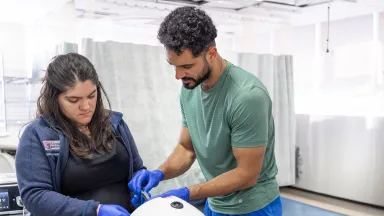


Nuestro enfoque con el dolor pélvico


El Programa de Dolor Pélvico de Montefiore Einstein es un líder reconocido internacionalmente que brinda atención integral y personalizada a mujeres con todo tipo de afecciones de dolor pélvico. Nuestro equipo multidisciplinario de ginecólogos de renombre mundial colabora estrechamente con expertos en urología, uroginecología y cirugía reconstructiva pélvica, endocrinología reproductiva e infertilidad, gastroenterología, manejo del dolor, fisioterapia, radiología intervencionista, salud conductual y otras disciplinas para ofrecer una atención compasiva y coordinada que aborda la naturaleza compleja y multifactorial del dolor pélvico. Utilizando los diagnósticos más recientes y terapias de vanguardia, empleamos un enfoque individualizado basado en la evidencia, adaptado a las necesidades y objetivos únicos de cada paciente, reconociendo que cada paciente experimenta el dolor pélvico de manera diferente. Somos un centro de referencia internacional para los casos más complejos de dolor pélvico, brindando segundas opiniones, diagnósticos avanzados y tratamientos especializados, tanto quirúrgicos como no quirúrgicos, para personas que no han encontrado alivio en otros lugares.
Montefiore Einstein está clasificado entre el 1 % de los mejores hospitales del país en obstetricia y ginecología, atención urológica y rehabilitación, según Informe de Estados Unidos y del mundo.
Nuestros especialistas cuentan con una experiencia excepcional en terapias médicas emergentes y tratamientos no invasivos, así como en procedimientos laparoscópicos avanzados, incluidos los asistidos por robot. Dominan técnicas de preservación nerviosa e innovaciones para la conservación de la fertilidad, ofreciendo los enfoques mínimamente invasivos más recientes para diagnosticar y tratar el dolor pélvico desde su raíz. Desde la evaluación inicial hasta el manejo a largo plazo, priorizamos la toma de decisiones compartida y nos comprometemos a aliviar el dolor, restaurar la función pélvica, sexual, reproductiva y urinaria, y mejorar la calidad de vida de cada paciente. Ya sea que conviva con dolor pélvico crónico o que apenas esté comenzando a buscar respuestas a síntomas inexplicables, comprendemos los desafíos que enfrenta y estamos aquí para acompañarle en cada etapa del camino.
Líderes en diagnóstico avanzado y tratamientos guiados por imágenes
Montefiore Einstein obtuvo la prestigiosa designación de Centro de Excelencia en Diagnóstico por Imágenes (DICOE, por sus siglas en inglés), otorgada por el Colegio Americano de Radiología (ACR, por sus siglas en inglés), el máximo reconocimiento en el campo de las imágenes médicas. Además, contamos con la acreditación del Instituto Americano de Ultrasonido en Medicina (AIUM, por sus siglas en inglés), lo que certifica que cumplimos —y en muchos casos superamos— los estándares nacionales en la realización e interpretación de ecografías obstétricas y ginecológicas diagnósticas. Estos reconocimientos refuerzan nuestro firme compromiso con la excelencia clínica y la máxima calidad de atención.

Diagnóstico y tratamientos avanzados
Ofrecemos acceso a diagnósticos más avanzados y tratamientos altamente especializados para mejorar la calidad de vida de las personas que viven con dolor pélvico.
Nuestro programa incorpora tecnologías diagnósticas de vanguardia, como resonancia magnética pélvica 3T de alta resolución, laparoscopia diagnóstica con mapeo del dolor e histeroscopia de alta definición en tiempo real. Para pacientes con síntomas relacionados con la vejiga, disponemos de técnicas sofisticadas de cistouretroscopia y estudios urodinámicos de video multicanal, realizados cómodamente en las instalaciones de Uroginecología y Cirugía Pélvica Reconstructiva de Montefiore Einstein. Nuestro enfoque diagnóstico integral nos permite identificar con precisión las causas subyacentes del dolor pélvico y diseñar planes de tratamiento individualizados para cada paciente.
Nuestras opciones de tratamiento no quirúrgico incluyen terapia nutricional, manejo médico avanzado —hormonal y no hormonal—, terapias específicas para el dolor neuropático, instilaciones vesicales para la cistitis intersticial y fisioterapia especializada del suelo pélvico, enfocada a restaurar la función y aliviar el dolor. También ofrecemos inyecciones en puntos gatillo, tanto en consulta como en quirófano, para aliviar el dolor abdominal y del suelo pélvico, y realizamos bloqueos nerviosos periféricos, entre ellos bloqueos del nervio pudendo, dirigidos a pacientes con dolor del nervio pudendo y dolor neuropático pélvico. Para optimizar la recuperación, priorizamos un enfoque de analgesia multimodal con ahorro de opioides, combinando estrategias avanzadas de manejo del dolor para reducir la dependencia de opioides. Además, nuestro modelo de atención médica incorpora apoyo en salud conductual, abordando de manera integral las necesidades emocionales y mentales asociadas al dolor pélvico crónico.
Ofrecemos una gama completa de intervenciones quirúrgicas mínimamente invasivas, como la cirugía de ultrasonido focalizado guiada por resonancia magnética (MRgFUS, por sus siglas en inglés), embolización de la arteria uterina y ablación por radiofrecuencia para tratar el dolor asociado a fibromas. Asimismo, contamos con terapias avanzadas de neuromodulación, como la neuromodulación sacra (Axonics®, InterStim®) y la neuromodulación del nervio pudendo para pacientes con síndromes de dolor pélvico complejo. Para casos refractarios seleccionados, incorporamos abordajes emergentes como la estimulación del ganglio de la raíz dorsal (GRD).
Cuando se requiere una intervención quirúrgica, nuestro equipo multidisciplinario se especializa en técnicas mínimamente invasivas de última generación, tales como abordajes laparoscópicos, asistidos por robot, histeroscópicos y vaginales. Estos procedimientos están diseñados para acelerar la recuperación, preservar la fertilidad cuando sea posible y optimizar los resultados a largo plazo. Entre las intervenciones quirúrgicas que ofrecemos se encuentran la cirugía laparoscópica para la preservación de la fertilidad y la preservación nerviosa en casos de endometriosis, la miomectomía laparoscópica y asistida por robot para el tratamiento de fibromas, así como la histerectomía mínimamente invasiva o asistida por robot.
Nuestro equipo ofrece atención especializada para todo el espectro de afecciones relacionadas con el dolor pélvico, combinando diagnósticos y terapias avanzadas. Entre nuestras opciones se encuentran:

Investigación y ensayos clínicos
Impulsamos proyectos de investigación colaborativa y desarrollamos numerosos estudios y ensayos clínicos, varios de ellos financiados por los Institutos Nacionales de Salud (NIH). Nuestro objetivo es transformar los descubrimientos científicos más recientes en nuevos métodos de diagnóstico y tratamiento que mejoren los resultados. A través de nuestros ensayos clínicos, nuestros pacientes pueden acceder a tecnologías emergentes y tratamientos innovadores que, de otro modo, no estarían disponibles para el público general.
Nuestro programa de investigación sobre dolor pélvico se compromete a avanzar en la comprensión, el diagnóstico y el tratamiento de una amplia gama de afecciones complejas relacionadas con el dolor pélvico. Nuestra investigación abarca la ciencia básica, la traslacional y la clínica, centrándose en la investigación de los mecanismos subyacentes del dolor pélvico, como la señalización neuropática, la sensibilización cruzada visceral y la disfunción del suelo pélvico. También desarrollamos y evaluamos nuevas herramientas diagnósticas, terapias mínimamente invasivas y estrategias de tratamiento que preservan la fertilidad.
En alianza con el Departamento de Urología de Montefiore Einstein, nuestros investigadores exploran los mecanismos subyacentes y la fisiopatología de los trastornos del suelo pélvico, como el síndrome de dolor vesical y la vejiga hiperactiva. Gracias a las subvenciones de los NIH, también estudiamos el papel de la señalización neurosatélite de las células gliales en el dolor pélvico y la sensibilización cruzada visceral.
Impulsamos el manejo clínico de los miomas sintomáticos mediante investigación continua, que abarca innovaciones y actualizaciones en las técnicas de embolización de la arteria uterina para el tratamiento de leiomiomas. Nuestro equipo evaluó los patrones de tratamiento contemporáneos a nivel nacional en mujeres diagnosticadas con miomas uterinos sintomáticos en Estados Unidos, aportando información valiosa a la práctica clínica actual. También contribuimos al desarrollo de la clasificación de endometriosis de la Asociación Americana de Laparoscopistas Ginecológicos (AAGL, por sus siglas en inglés), una nueva escala de complejidad quirúrgica basada en la anatomía, diseñada para diferenciar con mayor fiabilidad los niveles de complejidad quirúrgica e informar la toma de decisiones clínicas.
Nuestros investigadores también exploran las aplicaciones clínicas de nuevos enfoques mínimamente invasivos, como vNOTES, y desarrollan nuevas tecnologías y técnicas quirúrgicas para mejorar los resultados perioperatorios. Las iniciativas en curso también se enfocan en la evaluación e implementación de protocolos de recuperación mejorada posoperatoria (ERAS, por sus siglas en inglés) para optimizar la recuperación postoperatoria y los resultados de los pacientes.

Servicios de orientación y apoyo en la atención médica
Ya sea que haya estado experimentando dolor pélvico crónico, enfrentando síntomas que permanecen inexplicables o recién esté comenzando a buscar respuestas, nuestro equipo de renombre mundial en el Programa de Dolor Pélvico de Montefiore Einstein está aquí para darle apoyo, atención y recursos excepcionales personalizados según sus necesidades.
Nuestro centro de servicios integrales ofrece una amplia gama de cuidados tradicionales y holísticos en cada etapa de la vida, desde la detección, la prevención y el diagnóstico hasta el tratamiento y la recuperación. Esto incluye servicios sociales y de apoyo, asesoramiento y educación genética, atención médica, servicios de salud mental y bienestar, entre otros programas. Nuestros recursos nos permiten dar una atención médica altamente especializada y coordinada que tiene en cuenta a la persona en su totalidad, abordando las complejas necesidades médicas de cada persona para optimizar los resultados, aliviar el dolor, restaurar la función pélvica, sexual y urinaria, y mejorar la calidad de vida de las mujeres en cada etapa de su vida. Nuestro equipo de profesionales médicos, enfermeros, especialistas y personal de apoyo, reconocido por su empatía y amplios conocimientos, se compromete a acompañarle en todas las fases del proceso de dolor pélvico.
Su equipo del Programa de Dolor Pélvico

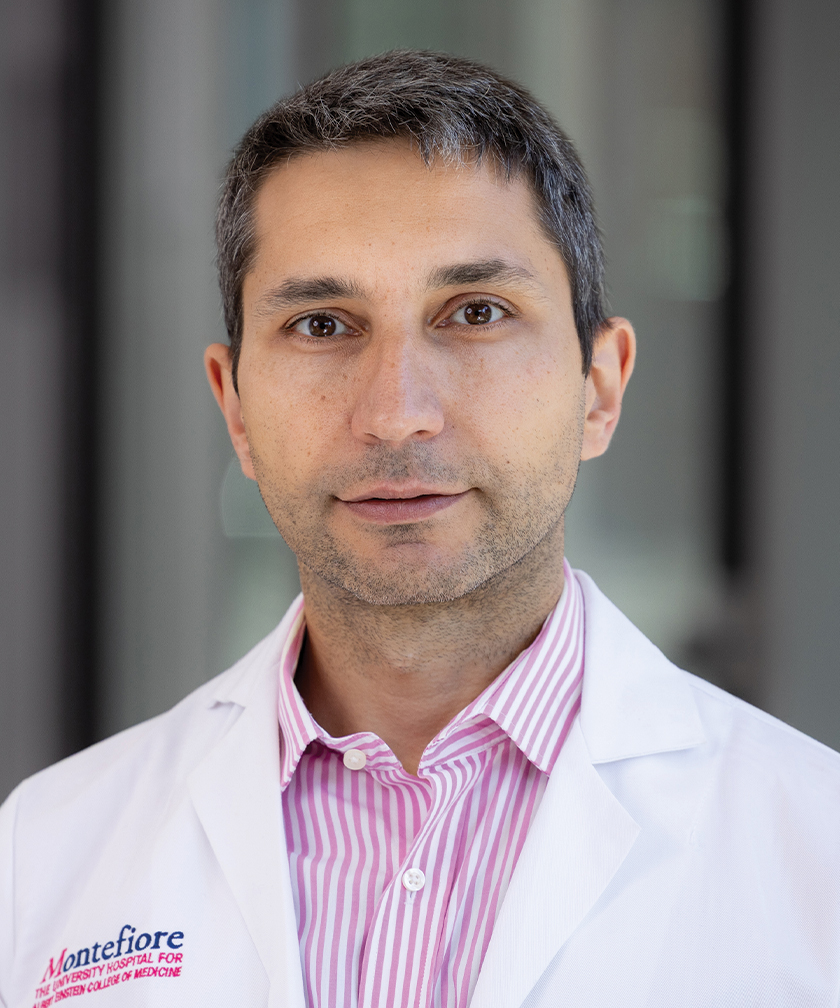
Dmitry Fridman, MD, PhD




Nuestro equipo multidisciplinario de ginecólogos de renombre mundial colabora estrechamente con especialistas en urología, uroginecología y cirugía reconstructiva pélvica, endocrinología reproductiva e infertilidad, gastroenterología, manejo del dolor, fisioterapia, radiología intervencionista, salud mental y otras disciplinas. Nos especializamos en el diagnóstico y tratamiento de todo el espectro de afecciones de dolor pélvico, abordando su naturaleza compleja y multifactorial. Utilizamos los diagnósticos más avanzados y las terapias de vanguardia, brindando una atención integral e individualizada para aliviar el dolor, restaurar la función pélvica, sexual, reproductiva y urinaria, y mejorar la calidad de vida de cada paciente.
Sobre el dolor pélvico
El dolor pélvico es una afección compleja y a menudo debilitante, frecuentemente malinterpretada, infradiagnosticada o ignorada. Puede presentarse de forma aguda o crónica, cíclica o constante, y originarse en una amplia gama de causas ginecológicas, urológicas, gastrointestinales, musculoesqueléticas o neurológicas. El dolor pélvico afecta a las actividades diarias, la salud sexual y la calidad de vida en general. Dado que a menudo involucra sistemas y afecciones que se solapan, una atención eficaz requiere un enfoque matizado y multidisciplinario.
El dolor pélvico puede ser agudo (de inicio repentino) o crónico (de duración de 6 meses o más). Los tipos comunes de dolor pélvico son dismenorrea (menstruación dolorosa), dispareunia (dolor durante o después de las relaciones sexuales), dolor pélvico no cíclico (no relacionado con el ciclo menstrual), dolor relacionado con la ovulación (mittelschmerz), dolor al defecar u orinar y dolor muscular del suelo pélvico (mialgia pélvica).
El dolor pélvico crónico puede relacionarse con una o más afecciones subyacentes. A menudo se asocia con diversas comorbilidades, como endometriosis, síndrome del intestino irritable (SII), síndrome de dolor vesical (cistitis intersticial), adherencias pélvicas, lesiones musculoesqueléticas, fibromialgia, síndrome de dolor central crónico, ansiedad y trastorno depresivo mayor.
Un diagnóstico preciso es esencial y, a menudo, el primer paso hacia un alivio significativo. La evaluación suele comenzar con una historia clínica completa y una exploración física, y puede contemplar imágenes avanzadas, procedimientos diagnósticos y evaluaciones específicas del suelo pélvico y los sistemas reproductivo, genitourinario, gastrointestinal y neurológico. El tratamiento suele adaptarse a los síntomas y las causas subyacentes de cada paciente, integrando terapias multimodales como el tratamiento médico, la fisioterapia, procedimientos mínimamente invasivos, apoyo para la salud conductual y cirugía cuando sea necesario.
El manejo del dolor pélvico crónico requiere con frecuencia atención individualizada de por vida. Sin una evaluación y un tratamiento adecuados, existe riesgo de una morbilidad significativa. Sin embargo, con un diagnóstico oportuno y un enfoque de manejo integral y multidisciplinario, muchas personas logran experimentar un alivio significativo de los síntomas, una mejoría o recuperación de la función y una mejor calidad de vida.
Afecciones que tratamos
Comprender las posibles causas subyacentes del dolor pélvico crónico —ya sean ginecológicas, urológicas, gastrointestinales, musculoesqueléticas, neurológicas, biopsicosociales o multifactoriales— es fundamental para su detección, manejo y desarrollo de una estrategia de tratamiento personalizada. Ofrecemos una evaluación diagnóstica integral y atención multidisciplinaria para una amplia gama de afecciones que contribuyen al dolor pélvico, entre ellas: