

Centro Integral de Investigación de Epilepsia
Descripción general del programa
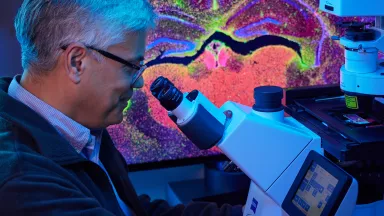
Research scientists at the Montefiore Einstein Comprehensive Epilepsy Center conduct a broad range of investigations that advance our understanding of epilepsy and other neurological disorders. Whether it is basic science or clinical trials, the researchers at our center are busy collecting data and collaborating with other scientists from all around the world to bring our patients state-of-the-art care and treatment options. Our investigative spectrum spans research that aims to better understand the role of genetics in epilepsy, and examines and evaluates the pathophysiology of seizures and new treatments for patients with this condition, respectively.
Áreas de especialización
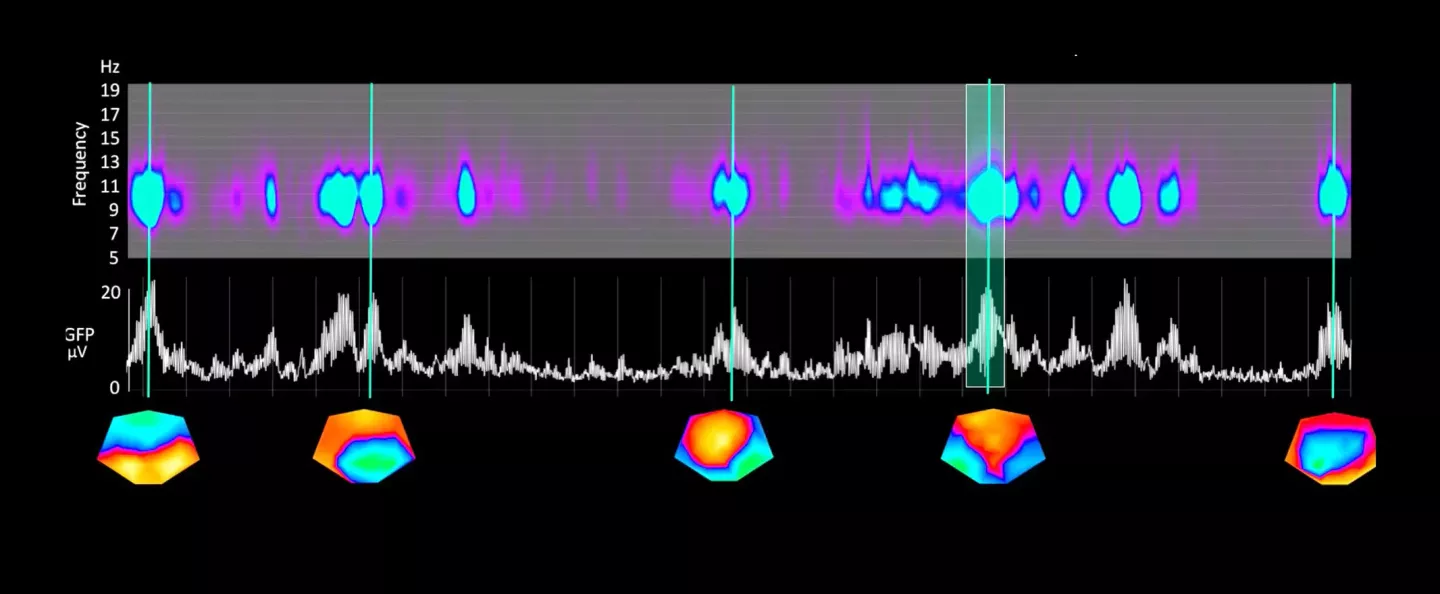
Our research programs have identified fundamental differences in the development of epilepsies in infants, children and adolescents. Our expert research team has identified novel treatments as well as biomarkers that show the course of the epilepsies. Simultaneously, we are using advanced computer-based analyses of electrographic recordings to identify the epileptic circuits of drug-resistant epilepsies in order to design effective interventions. We are also focused on improving the quality of life of our children through programs investigating the role of stress and other precipitants that herald a seizure, as well as seizure-induced impairments in the everyday life of children with epilepsy.
Proyectos actuales
EpiBioS4Rx: The Epilepsy Bioinformatics Study for Antiepileptogenic Therapy
This is a comprehensive prospective study of biomarkers of post-traumatic epileptogenesis. The unique aspects of this study are the early use of cEEG monitoring; depth EEG monitoring; study of both pediatric and adult subjects in a combined study; and a selective clinical phenotype that matches the experimental models.
FEBSTAT: Natural History and Biomarkers of Epileptogenesis After Febrile Status Epilepticus
A study prospectively addressing the relationships among serial EEG, MRI, and clinical follow-up in a cohort of children followed from the time of presentation with febrile status epilepticus (FSE).
Translational Platform for Epilepsy Therapy and Biomarker Discovery
This study is an international, multicenter collaboration to look for novel biomarkers that predict a person’s risk for developing post-traumatic epilepsy and for treatments to prevent the condition.
A Learning Healthcare System for Pediatric Epilepsy
An effort to collect administrative and clinical data entered at the point of care, aggregate and analyze the data across multiple sites, and then regularly report findings with the mission to reduce seizures and their consequences in children with epilepsy.
Retrospective SUDEP in Epilepsy Centers
This is a multicenter international study aiming to identify biomarkers associated with SUDEP (sudden unexpected death in epilepsy).
SMILE: Stress Management Intervention for Living with Epilepsy
SMILE is a clinical trial that evaluates a complex service intervention involving a two-day self-management course with the aim of improving quality of life and clinical outcomes.
Human Epilepsy Project
Our research team is part of an international collaboration of doctors and patients looking for answers to new-onset and treatment-resistant epilepsy.
Ensayos clínicos
Investigate Efficacy and Safety of Carisbamate as Adjunctive Treatment for Seizures Associated With Lennox Gastaut Syndrome (LGS) in Children and Adults: A multicenter double-blinded placebo-controlled trial evaluating the efficacy of a novel antiseizure medication for the treatment of drop seizures in children and adults with Lennox Gastaut syndrome.
A Randomized Study of XEN1101 Versus Placebo in Focal-Onset Seizures: A multicenter double-blinded placebo-controlled trial investigating the efficacy, safety and tolerability of a novel potassium channel opener for the treatment of focal onset seizures.