



Programa de Genética del Comportamiento
Acerca de nuestro programa
El Programa de Genética del Comportamiento del Instituto de Investigación Psiquiátrica de Montefiore Einstein (PRIME, por sus siglas en inglés) utiliza tecnología de células madre pluripotentes inducidas (iPSC, por sus siglas en inglés) para modelar trastornos neuropsiquiátricos y del neurodesarrollo. Las iPSC tienen la capacidad de diferenciarse en cualquier tipo celular del cuerpo, incluidas las neuronas. Por consiguiente, las iPSC generadas a partir de pacientes con esquizofrenia, autismo o cualquier trastorno del neurodesarrollo pueden utilizarse para producir neuronas específicas para cada paciente y otras células relevantes para la patología psiquiátrica y neurológica.
En el Programa del Laboratorio de Genética del Comportamiento, también estamos interesados en la genética del síndrome neuropsiquiátrico de inicio agudo pediátrico (SNIAP), un trastorno enigmático que causa trastorno obsesivo-compulsivo (TOC) de aparición rápida, alimentación restringida y una serie de otros problemas psiquiátricos, neurológicos y sistémicos.
Áreas de concentración
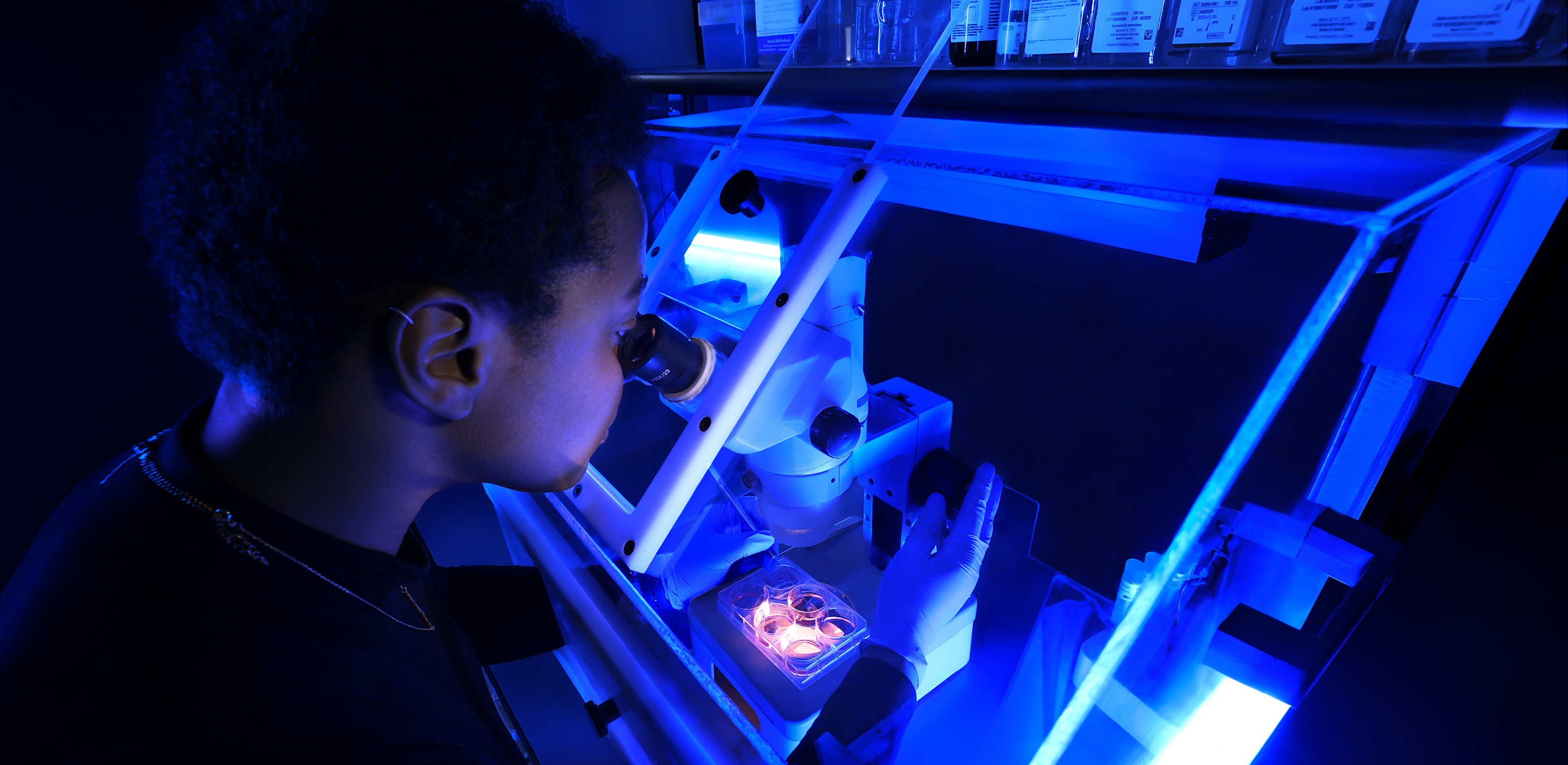
Las células madre pluripotentes inducidas (iPSC, por sus siglas en inglés) son glóbulos blancos o fibroblastos cutáneos reprogramados con diversos factores de crecimiento para simular células madre embrionarias. Utilizamos iPSC de pacientes y líneas de iPSC control modificadas mediante CRISPR-Cas9 para modelar el síndrome de deleción 22q11.2, el síndrome de Lowe, el síndrome neuropsiquiátrico pediátrico de inicio agudo (PANS, por sus siglas en inglés) y el síndrome de Jansen-de Vries. Se han generado neuronas, microglía y organoides cerebrales derivados de estas iPSC y se han analizado mediante secuenciación de ácido ribonucleico (ARN), proteómica y propiedades electrofisiológicas.
Además, el laboratorio utiliza métodos de silenciamiento genético y de supresión de genes mediante CRISPR para estudiar los efectos de genes candidatos para la esquizofrenia (SZ), el trastorno del espectro autista (TEA) y la discapacidad intelectual y del desarrollo (DID) en la neurogénesis y la expresión génica. Nos interesan especialmente los genes candidatos que funcionan como factores de transcripción y complejos de remodelación de la cromatina. Recientemente, el laboratorio ha desarrollado un interés en los factores ambientales que podrían influir en la patogénesis de la SZ y el TEA, en particular en la función del sistema inmunitario.
Seguimos investigando la manera en que el PANS es entendido como un trastorno autoinmune y autoinflamatorio, y nuestro laboratorio fue el primero en identificar variantes genéticas extremadamente raras que subyacen a esta afección. Estas variantes afectan a genes que codifican reguladores del sistema inmunitario innato, enzimas reparadoras del ácido desoxirribonucleico (ADN), la función mitocondrial y proteínas sinápticas, lo que demuestra una amplia heterogeneidad genética. Las variantes encontradas en los reguladores del sistema inmunitario innato y la reparación del ADN apuntan a inmunomoduladores específicos como posibles terapias.
Current Projects & Research
Nuestro equipo participa activamente en la investigación clínica, evaluaciones y colaboraciones. El Laboratorio de Genética del Comportamiento está dirigido por el Dr. Herbert Lachman, y colabora actualmente con el Dr. Vinayaka Prasad, profesor del Departamento de Microbiología e Inmunología, quien estudia los trastornos neurocognitivos asociados al VIH. Juntos generan cultivos de organoides cerebrales fusionados con microglía para estudiar el efecto del VIH en la sinaptogénesis.
Acerca de Herbert Lachman, MD
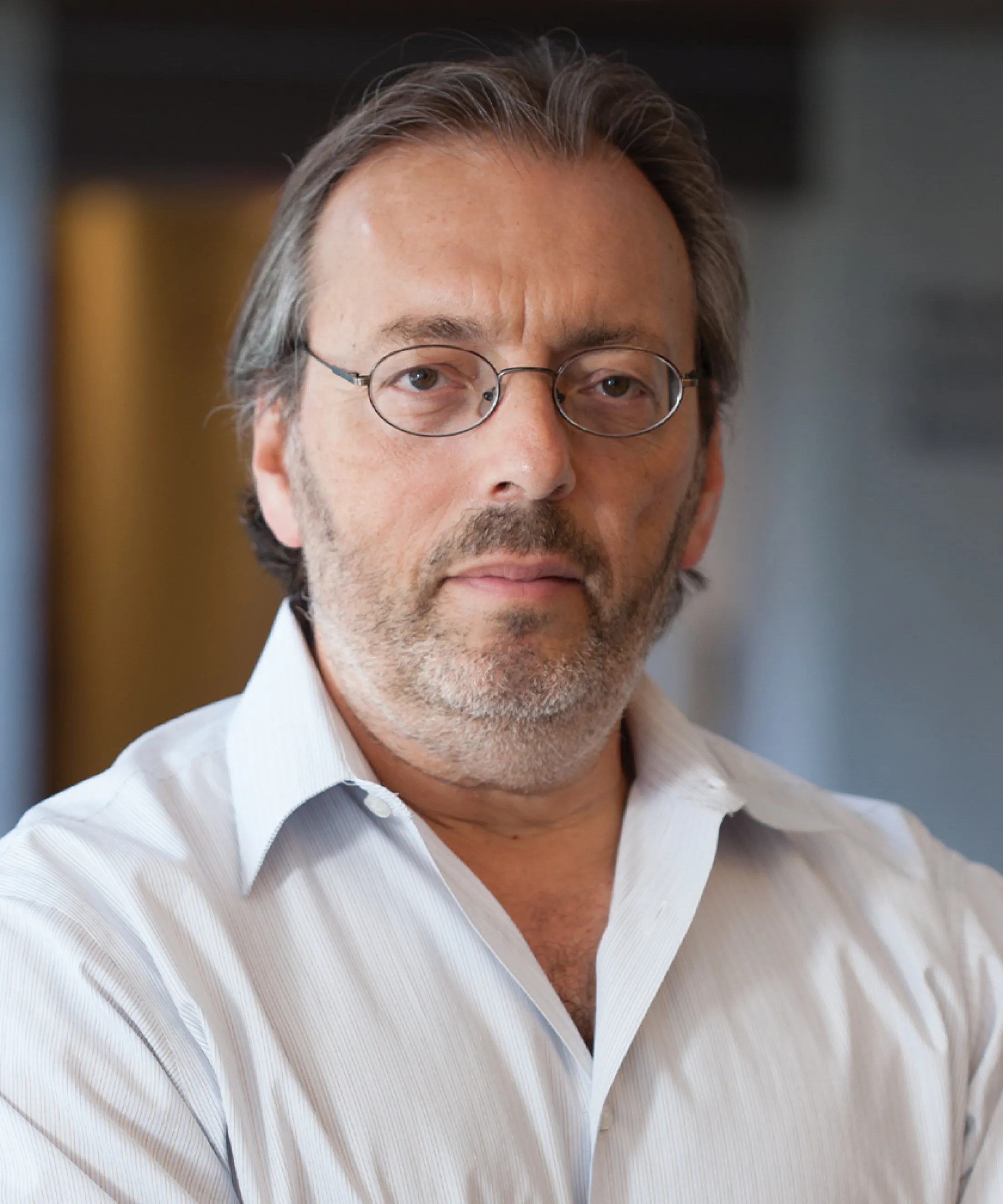
Herbert Lachman, MD
Profesor del Departamento de Psiquiatría y Ciencias del Comportamiento
Profesor, Departamento de Medicina (Oncología y Hematología)
Profesor Asociado, Departamento de Neurociencia Dominick P. Purpura
Profesor asociado, Departamento de Genética
El Dr. Herbert Lachman es médico y genetista conductual, interesado en las bases moleculares y genéticas de la esquizofrenia (ES), los trastornos del espectro autista (TEA), el trastorno bipolar (TB) y las discapacidades intelectuales y del desarrollo (IDD). Los principales proyectos de investigación del Laboratorio de Genética Conductual se centran en las células madre pluripotentes inducidas (iPSC) para modelar trastornos neuropsiquiátricos in vitro. Además, el laboratorio estudia los efectos de algunos genes candidatos de interés en el reciclaje de endosomas, los fenómenos de inmunidad innata, el crecimiento de neuritas y, en colaboración con miembros del departamento de neurociencia, las propiedades electrofisiológicas de cultivos puros de neuronas glutamatérgicas e interneuronas GABAérgicas humanas.
En su tiempo libre, el Dr. Lachman es profesor en el Departamento de Psiquiatría y Ciencias del Comportamiento y en el Departamento de Medicina (Oncología y Hematología) del Albert Einstein College of Medicine. También es profesor asociado del Departamento de Neurociencia Dominick P. Purpura y del Departamento de Genética.