



Laboratorio de Circuitos Neuronales para la Motivación y la Estimulación
Acerca de nuestro programa
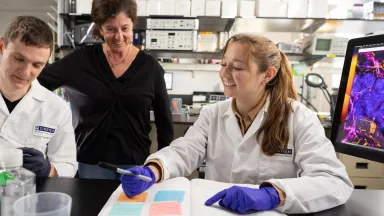
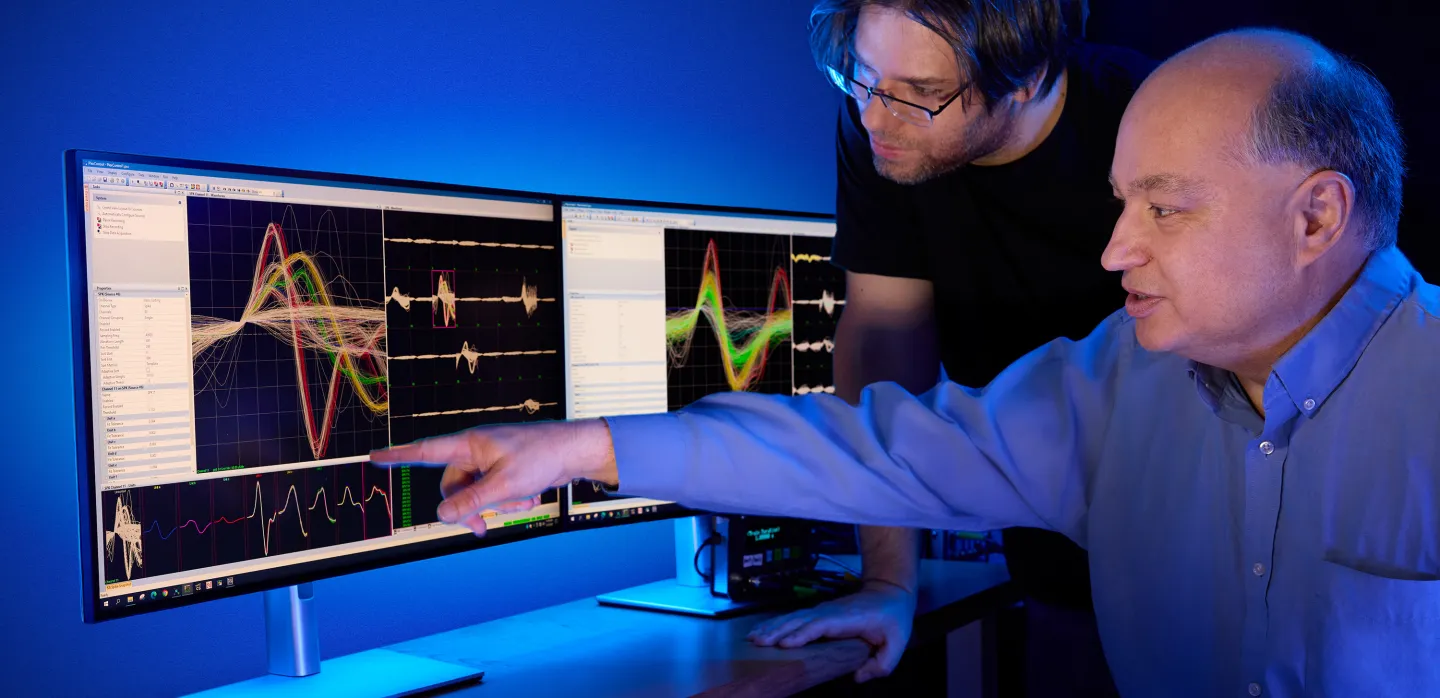
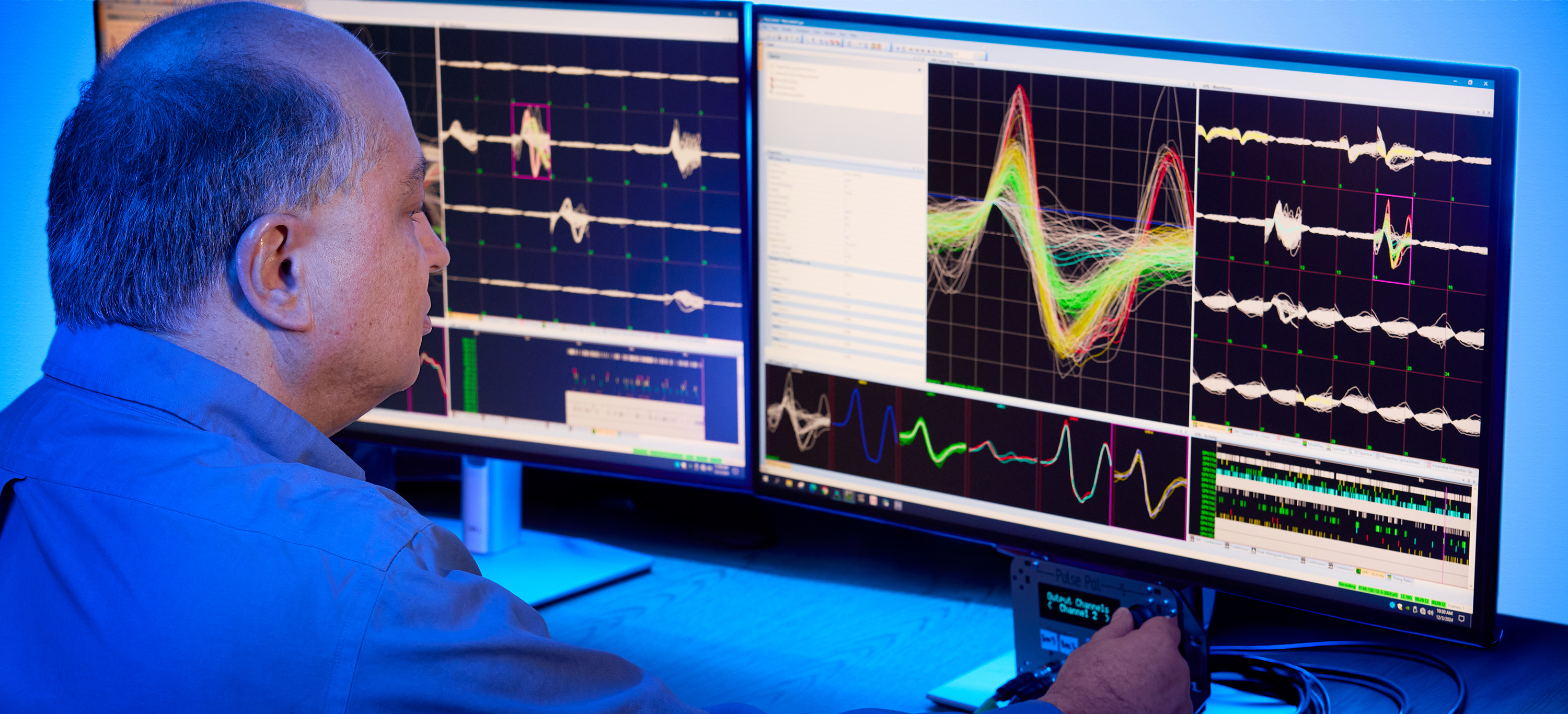
El Laboratorio de Circuitos Neuronales para la Motivación y la Activación del Instituto de Investigación Psiquiátrica de Montefiore Einstein (PRIME) se centra en comprender los circuitos neuronales detrás de la búsqueda de recompensas, la drogadicción y la excitación. Utilizamos un enfoque sistémico que combina técnicas conductuales, farmacológicas, electrofisiológicas, optogenéticas y de fotometría de fibra en animales despiertos y en movimiento.
Áreas de concentración
La investigación en el Laboratorio de Circuitos Neuronales para la Motivación y la Activación se centra en el núcleo accumbens, una parte del estriado ventral que se proyecta hacia las estructuras motoras de salida de los ganglios basales. El núcleo accumbens y sus circuitos asociados intervienen en la adicción a las drogas y reciben información de las estructuras límbicas que procesan los estímulos que predicen las recompensas. Estas estructuras límbicas son la amígdala basolateral, que envía axones glutamatérgicos al núcleo accumbens, y el área tegmental ventral (ATV), que envía una proyección de dopamina. Investigamos cómo estas proyecciones al núcleo accumbens alteran la actividad de las neuronas accumbens para influir en la búsqueda de recompensa y la activación.
Un enfoque secundario del laboratorio es comprender cómo las drogas alteran las neuronas en estos circuitos para producir la conducta de búsqueda de drogas.
Acerca de Saleem M. Nicola, PhD
Saleem M. Nicola, Doctor en Filosofía
Profesor Asociado, Departamento de Neurociencia Dominick P. Purpura
Profesor asociado del Departamento de Psiquiatría y Ciencias del Comportamiento.
El Dr. Saleem M. Nicola es un destacado investigador y miembro del profesorado de Montefiore Einstein, especializado en las bases neuronales de la búsqueda de recompensa, la toma de decisiones y la adicción a las drogas. El Dr. Nicola, con un PhD en psicología clínica, es profesor asociado del Departamento de Neurociencia Dominick P. Purpura y del Departamento de Psiquiatría y Ciencias del Comportamiento de Montefiore Einstein. Su investigación se centra en la intersección entre la adicción y el funcionamiento cognitivo, con el objetivo de identificar enfoques terapéuticos innovadores y mejorar los resultados del tratamiento para personas con conductas adictivas.
Además de su investigación, el Dr. Nicola se compromete a capacitar a la próxima generación de profesionales de la salud mental ofreciendo mentoría y orientación en la praxis y metodologías de investigación.