


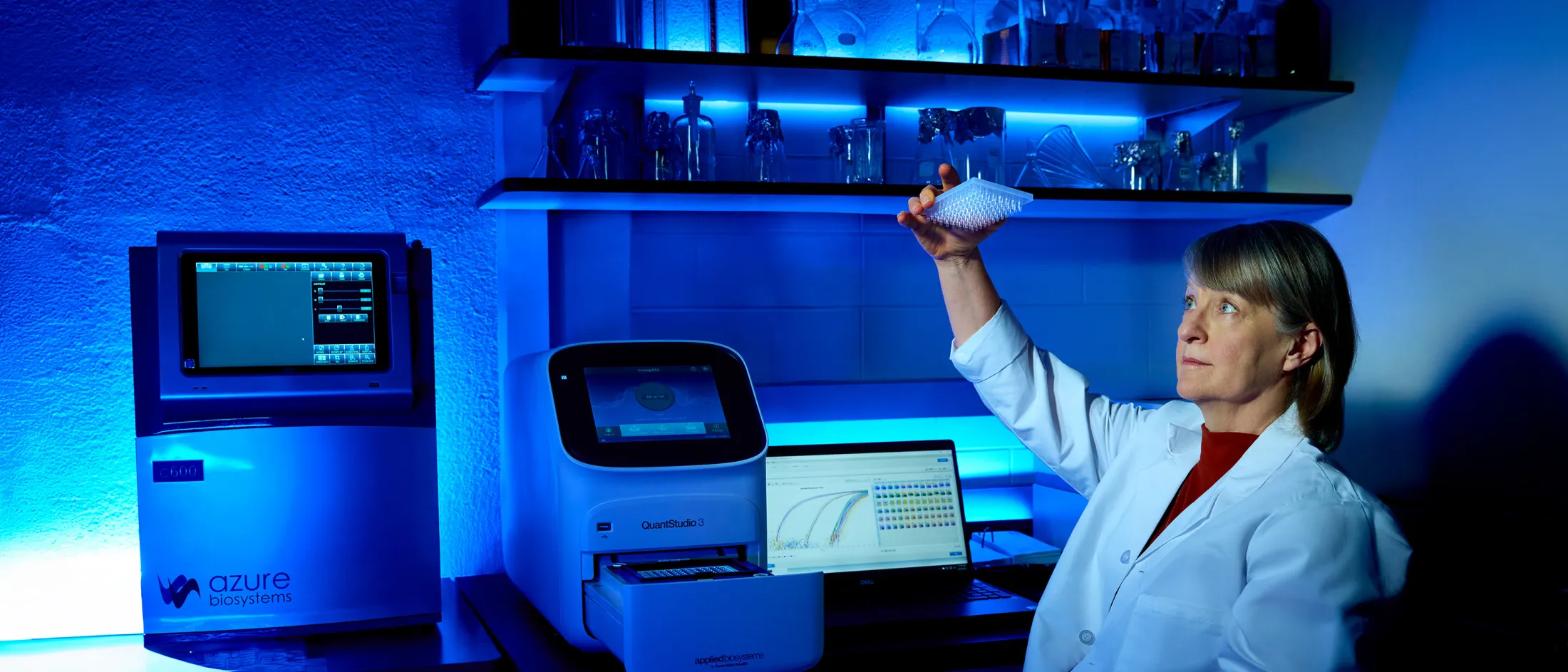
La ciencia en el corazón de la medicina
En el Departamento de Urología de Montefiore Einstein, nos comprometemos a encontrar nuevas y mejores formas de mejorar la atención al paciente. Lideramos investigaciones colaborativas y encabezamos numerosos estudios y ensayos clínicos, algunos de ellos financiados por los Institutos Nacionales de Salud (NIH, por sus siglas en inglés), el Departamento de Defensa (DoD, por sus siglas en inglés) y el estado de Nueva York (NYS, por sus siglas en inglés), con el objetivo de convertir los nuevos descubrimientos científicos en nuevos métodos de diagnóstico y tratamiento. Nuestros investigadores han estado a la vanguardia de la investigación innovadora y continúan llevando a cabo activamente investigaciones básicas, traslacionales y clínicas para avanzar en nuestra comprensión, tratamiento y prevención de una amplia variedad de afecciones urológicas, y para mejorar la salud urológica.
Somos un líder en investigación básica y traslacional en fisiología eréctil y vesical y, como tal, nuestro Departamento de Urología ha realizado importantes contribuciones en este campo. Desarrollamos la primera prótesis peneana inflable del mundo y fuimos pioneros en la tecnología utilizada en los primeros ensayos clínicos de terapia génica para tratar la disfunción eréctil y vesical en humanos. En la actualidad, seguimos liderando el descubrimiento de nuevos tratamientos para la disfunción eréctil y la vejiga hiperactiva.
Nuestros intereses de investigación abarcan un amplio espectro, desde la exploración de los mecanismos subyacentes hasta el desarrollo de nuevos tratamientos y la optimización de los resultados para numerosas afecciones urológicas, entre ellas:
- Hiperplasia prostática benigna (HPB)
- Trastornos de la vejiga, entre ellos:
- Cistitis intersticial
- Vejiga hiperactiva
- Incontinencia urinaria
- Dolor pélvico crónico urológico
- Disfunción eréctil
- Suelo pélvico
- Cáncer de próstata y vejiga
- Cálculos urinarios
- Infecciones del tracto urinario
- Problemas urogenitales asociados con la supervivencia al cáncer
Las investigaciones de nuestro departamento han establecido nuevos estándares de atención médica en oncología urológica, liderando ensayos clínicos que han dado lugar al desarrollo de medicamentos y dispositivos aprobados por la Administración de Alimentos y Medicamentos (FDA), en particular, la cistoscopia flexible con luz azul para mejorar la detección de tumores de vejiga, la quimioablación primaria del cáncer urotelial de vías altas de bajo grado y la inmunoterapia intravesical en pacientes con cáncer de vejiga no invasivo de músculo (CVNIM) que no responde al bacilo de Calmette-Guerin (BCG).
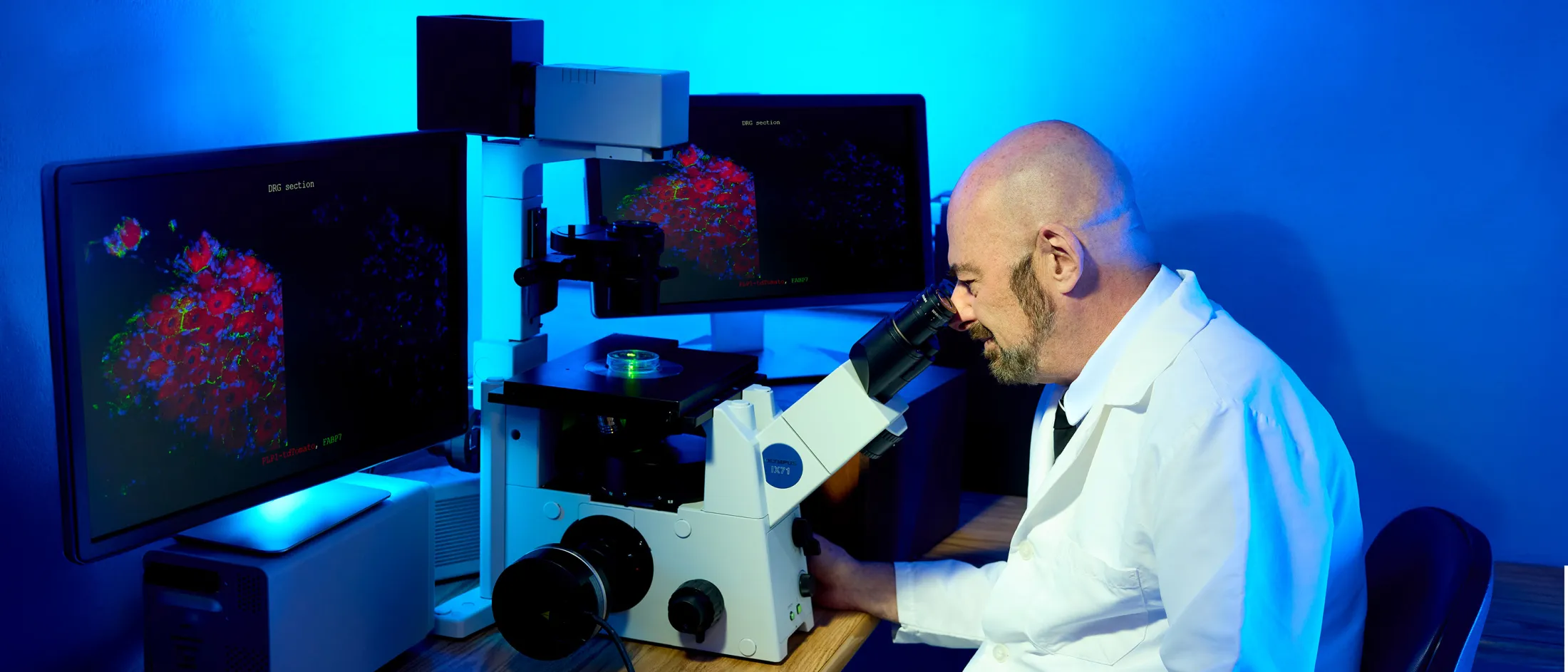
Iniciativas de investigación básica y traslacional
Nuestro equipo de investigación básica y traslacional es pionero en la investigación innovadora sobre la fisiología eréctil y vesical que trata directamente afecciones urológicas clínicamente relevantes. Gracias a numerosas subvenciones del NIH, el DoD y el NYS, participamos activamente en el estudio de nuevos enfoques para tratar la disfunción eréctil y vesical en diversas enfermedades y preservar la función urogenital tras el tratamiento del cáncer, las cirugías pélvicas y las lesiones de la médula espinal. Por ejemplo, también estamos investigando los mecanismos subyacentes mediante los cuales la reducción de fidgetin-like 2 (FL2) favorece la reparación del nervio cavernoso y la recuperación de la función eréctil tras una prostatectomía radical; la participación de la pannexina 1 y de los canales de uniones gap en la cistopatía diabética y la cistitis intersticial; el papel de la inflamación en la disfunción eréctil y vesical concomitante después de cirugías pélvicas; la función de la señalización entre neuronas y células gliales satélite en el dolor pélvico y la hipersensibilización visceral cruzada; y el uso de la nanotecnología para el tratamiento de las enfermedades urogenitales.
Otras áreas de investigación comprenden el estudio de los canales de potasio, la fisiología contráctil de la miosina-actina, la señalización purinérgica, la síntesis alterada de opiorfina y su efecto en la función del músculo liso local y sistémico, los efectos de la diabetes tipo I en la fisiología eréctil, las interacciones entre los tejidos del músculo liso urotelial y detrusor en la modulación de la función vesical, y el desarrollo de priapismo asociado con la anemia falciforme.
El Departamento de Urología de Montefiore Einstein alberga laboratorios e iniciativas dedicados al avance de la investigación urológica. Explore nuestros laboratorios de investigación e iniciativas a continuación.
Programas de investigación interdisciplinarios
Nuestros programas de investigación interdisciplinarios reúnen a científicos y médicos científicos de numerosos campos académicos que colaboran entre disciplinas y con investigadores de todo el mundo en investigación básica, traslacional y clínica.
Sylvia O. Suadicani, PhD y Kelvin P. Davies, PhD, mantienen una colaboración productiva desde hace mucho tiempo y están llevando a cabo un estudio financiado por los Institutos Nacionales de Salud (NIH) para comprender mejor los mecanismos que subyacen al desarrollo de complicaciones urogenitales asociadas con cirugías pélvicas, en particular, la prostatectomía. Además, la Dra. Suadicani colabora con David C. Spray, PhD (Departamento de Neurociencia), en un estudio financiado por NIH centrado en el dolor pélvico, y con Mia M. Thi, PhD (Departamento de Cirugía Ortopédica), para investigar los efectos de la diabetes en la mecanosensibilidad y la transducción de las células óseas. El Dr. Davies y la Dra. Suadicani colaboran con David J. Sharp, PhD (Departamento de Neurociencia), en unos estudios destinados a identificar los mecanismos fundamentales y las dianas para tratar la disfunción vesical y eréctil asociada a las lesiones medulares y la prostatectomía.
Nuestros científicos básicos también interactúan estrechamente con nuestros médicos clínicos. Un ejemplo es la Dra. Suadicani y Nitya E. Abraham, MD (Departamento de Urología), que colaboran en estudios para identificar biomarcadores urinarios que puedan ofrecer información sobre la fisiopatología de la vejiga hiperactiva y ayudar a identificar a los pacientes que más se beneficiarían de determinadas modalidades de tratamiento.
-
Inflamación de los ganglios pélvicos como factor que provoca interferencias entre órganos y el desarrollo coordinado de disfunción vesical y disfunción eréctil tras una cirugía pélvica (investigadores principales: Sylvia O. Suadicani, PhD, y Kelvin P. Davies, PhD).
El objetivo de esta investigación es aumentar nuestro conocimiento sobre cómo las cirugías pélvicas, en particular, las que se realizan para la prostatectomía radical, conducen al desarrollo coordinado de disfunción vesical y eréctil, e identificar posibles estrategias para prevenir su aparición posoperatoria.
-
El citoesqueleto de microtúbulos como nueva diana para la regeneración del nervio cavernoso tras una prostatectomía (investigadores principales: Kelvin P. Davies, PhD, y David J. Sharp, PhD; coinvestigadora: Sylvia O. Suadicani, PhD)
El objetivo de esta investigación es comprender el papel de la proteína fidgetin-like 2 (FL2), que restringe el crecimiento de los microtúbulos y los axones, en la reparación del nervio cavernoso e investigar su función como posible tratamiento para la disfunción eréctil tras una prostatectomía radical.
-
Rol de la señalización entre neuronas y células gliales satélite en el dolor pélvico y la hipersensibilización visceral cruzada (investigadores principales: Sylvia O. Suadicani, PhD, y David C. Spray, PhD)
Los estudios propuestos buscan determinar el papel de la señalización patológicamente aumentada entre las neuronas sensoriales de los ganglios de la raíz dorsal (GRD) y las células gliales satélite en el desarrollo del dolor pélvico y la hipersensibilización visceral cruzada. Estos estudios revelarán que las uniones gap y el complejo funcional P2X7R-Panx1 impulsan la señalización intercelular aumentada entre las neuronas y las células gliales satélite en este proceso, lo que ofrecerá nuevas dianas terapéuticas para su futura aplicación clínica.
-
El canal Pannexin 1, un nuevo mediador molecular y posible diana terapéutica para la cistitis intersticial (investigadora principal: Sylvia O. Suadicani, PhD; coinvestigadores: Kelvin P. Davies, PhD y Mia M. Thi, PhD)
Este proyecto pondrá a prueba la hipótesis general de que los canales de pannexina 1 desempeñan un papel clave en los procesos que conducen a la sensibilización de la vejiga, la disfunción miccional y el dolor pélvico en la cistitis intersticial, al amplificar la señalización del ATP y activar el inflamasoma de la vejiga. Los principales objetivos de este proyecto son:
1. Demostrar que los canales de pannexina 1 son nuevos mediadores moleculares y dianas terapéuticas para la cistitis intersticial.
2. Obtener la validación preclínica para el uso de bloqueadores de la pannexina 1 para tratar y mejorar los síntomas urinarios en pacientes con cistitis intersticial. -
Canales de pannexina 1: nuevos actores en la disfunción vesical diabética (investigadora principal: Sylvia O. Suadicani, PhD; coinvestigadores: Kelvin P. Davies, PhD, y Mia M. Thi, PhD)
El objetivo principal de esta subvención es investigar el papel de los canales de pannexina 1 urotelial en la aparición y la progresión temporal de la disfunción vesical diabética. Los resultados de los estudios propuestos demostrarán que los canales de pannexina 1 son nuevos mediadores moleculares y posibles dianas terapéuticas para tratar la disfunción vesical diabética y prevenir la descompensación vesical en las fases avanzadas de la enfermedad.
Ensayos clínicos
Estamos a la vanguardia de todas las fases y tipos de ensayos clínicos, algunos de ellos patrocinados por los NIH, dirigidos a personas con una amplia variedad de afecciones urológicas. Al inscribirse en un ensayo clínico, puede ayudar a nuestros científicos a desarrollar nuevos tratamientos, herramientas de diagnóstico y otras estrategias para prevenir, detectar y tratar las enfermedades urológicas. A través de nuestros ensayos clínicos, también puede acceder a tecnologías emergentes y tratamientos innovadores que, de otro modo, no estarían disponibles para el público en general.

RESTORE: ensayo clínico aleatorizado para evaluar la eficacia del sistema Revi
-
Start Date
24 de febrero de 2024
-
Condiciones
Incontinencia urinaria de urgencia
Estudio de Sparsentan en pacientes con glomeruloesclerosis focal y segmentaria primaria (FSGS) (DUPLEX)
-
Start Date
17 de abril de 2018
-
Condiciones
Glomeruloesclerosis focal y segmentaria
Estudio sobre el uso del adyuvante cretostimogénico grenadenorepvec para el tratamiento del cáncer de vejiga urotelial no invasivo (CVUIN) de riesgo intermedio tras la resección transuretral de la vejiga (RTUV)
-
Start Date
14 de diciembre de 2023
-
Condiciones
Cáncer de vejiga no invasivo de músculo, cáncer urológico, cáncer de vejiga, carcinoma urotelial
Terapia sistémica estándar con o sin tratamiento definitivo en pacientes con cáncer de próstata metastásico
-
Start Date
24 de septiembre de 2018
-
Condiciones
Niveles de testosterona tras castración, adenocarcinoma de la próstata metastásico, cáncer de próstata en estadio IV según la AJCC v8, cáncer de próstata en estadio IVA según la AJCC v8, cáncer de próstata en estadio IVB según la AJCC v8
Genómica en Michigan para ajustar los resultados en el cáncer de próstata (G-MAJOR, por sus siglas en inglés) en hombres con cáncer de próstata recién diagnosticado y de riesgo favorable
-
Start Date
5 de noviembre de 2020
-
Condiciones
Cáncer de próstata
Seguridad a largo plazo del lutecio (177Lu) vipivotide tetraxetano en participantes con cáncer de próstata
-
Start Date
14 de agosto de 2023
-
Condiciones
Cáncer de próstata
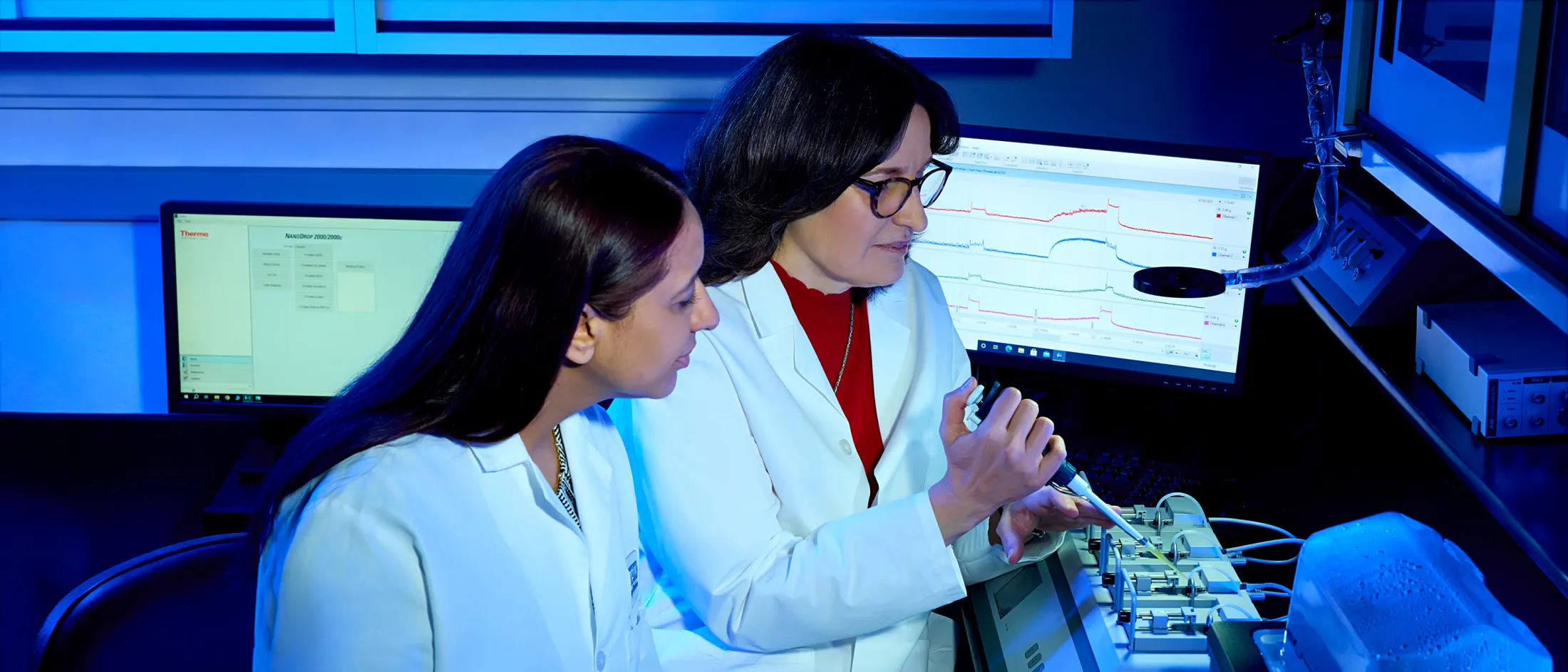
Programas de formación en investigación
El Departamento de Urología de Montefiore Einstein ofrece una amplia variedad de programas de capacitación para personas en todas las etapas de sus carreras profesionales científicas y biomédicas. Nuestros programas de investigación se centran en diversas áreas de investigación de enfermedades genitourinarias, desde la exploración de los mecanismos de las enfermedades a nivel celular y molecular hasta el desarrollo de soluciones diagnósticas y terapéuticas para una amplia variedad de afecciones urológicas.
Capacitación avanzada en investigación sobre riñón, urología y hematología
Montefiore Einstein lidera una iniciativa financiada por los NIH (U2C-TL1) para capacitar a la próxima generación de investigadores en los campos de la nefrología, la urología y la hematología (KUH, por sus siglas en inglés). Montefiore Einstein es una institución líder y un miembro clave de la iniciativa New York Consortium for Interdisciplinary Training in KUH Research (NYC Train KUHR), que es un esfuerzo de colaboración con el Centro Médico Irving de la Universidad de Columbia, la Escuela de Medicina Icahn en Mount Sinai y la Escuela de Medicina Renaissance de la Universidad de Stony Brook. Este consorcio es uno de los pocos consorcios financiados por los NIH en el país que se centra en la investigación y la capacitación sobre enfermedades KUH. Reúne la experiencia de múltiples instituciones en investigación y educación y capacitará a una nueva generación de investigadores para sentar las bases de una carrera profesional exitosa en la investigación KUH mediante la colaboración interdisciplinaria.