




Nuestro enfoque de la neurooftalmología
El Departamento de Oftalmología y Ciencias Visuales de Montefiore Einstein es líder mundial en la prestación de atención integral y personalizada para adultos y niños con todo el espectro de afecciones neurooftalmológicas. Estas afecciones incluyen visión doble, neuritis óptica, parálisis de nervios craneales, pérdida de visión inexplicable, hipertensión intracraneal idiopática, esclerosis múltiple (EM), miastenia gravis, arteritis de células gigantes y neuropatías ópticas hereditarias. Nuestro equipo multidisciplinario de médicos de renombre mundial incluye oftalmólogos certificados y con formación especializada en neurooftalmología. Colaboramos estrechamente con neurólogos, neurocirujanos, neurorradiólogos, reumatólogos, oncólogos médicos y radioterapeutas, asesores genéticos y otros expertos, brindando una atención integral y coordinada para garantizar los mejores resultados posibles para cada paciente. Mediante el uso de las últimas tecnologías de diagnóstico y los tratamientos más avanzados, proporcionamos atención individualizada adaptada a las necesidades de cada paciente. Como centro de referencia para los casos más complejos y de alto riesgo, Montefiore Einstein se sitúa entre el 1% de los mejores hospitales del país en neurología, neurocirugía y atención oncológica, según Informe de Estados Unidos y del mundo, y ha obtenido la prestigiosa designación de la Joint Commission como Centro Integral de Accidentes Cerebrovasculares.
Nos comprometemos a proteger, preservar y restaurar la visión, prevenir la progresión de enfermedades, optimizar la función visual y mejorar la calidad de vida. Ya sea que le hayan diagnosticado recientemente una afección neurooftalmológica, experimente visión doble, movimientos oculares involuntarios (nistagmo) o pérdida de visión, esté controlando un trastorno neurológico crónico que afecta la visión o busque una segunda opinión, nuestro equipo está aquí para brindarle atención y orientación expertas en cada etapa de su proceso de atención neurooftalmológica.
Atención integral para la salud visual y neurológica
Para pacientes con trastornos de la visión o de los ojos causados por tumores, incluidos los orbitarios, del nervio óptico, de la hipófisis u otras lesiones intracraneales que comprimen las vías visuales, el equipo colabora estrechamente con expertos regionales en Oncología Ocular. Este programa está totalmente integrado con el Centro Oncológico Integral Montefiore Einstein, que se encuentra entre el 1% de élite de los centros oncológicos integrales designados por el Instituto Nacional del Cáncer (NCI) en los EE. UU. Para pacientes con neuropatías ópticas hereditarias, el equipo proporciona asesoramiento genético en colaboración con la División de Medicina Genética Pediátrica, uno de los primeros y más conocidos programas del país. Esta División ha liderado la atención de enfermedades genéticas y genómicas durante más de cincuenta años y continúa sirviendo como modelo para el campo. El Departamento también proporciona acceso a rehabilitación visual integral a través de una estrecha colaboración con el Hospital de Rehabilitación Winifred Masterson Burke, clasificado entre el 1% de los mejores hospitales del país en rehabilitación según Informe de Estados Unidos y del mundo .
Avances en la atención oftalmológica en la esclerosis múltiple y la neuroinmunología.
El equipo de Oftalmología y Ciencias Visuales de Montefiore Einstein colabora estrechamente con nuestro Centro de Esclerosis Múltiple y Neuroinmunología, un líder reconocido internacionalmente y el primer programa integrado de atención clínica e investigación para la esclerosis múltiple (EM). Nuestros especialistas brindan atención experta para todo el espectro de afecciones oftalmológicas en pacientes con todos los tipos de EM y síndromes relacionados, así como otros trastornos neuroinmunológicos, incluyendo el trastorno del espectro de neuromielitis óptica (NMOSD) y la enfermedad asociada a anticuerpos contra la glicoproteína de mielina de oligodendrocitos (MOGAD).
Diagnóstico y tratamientos avanzados
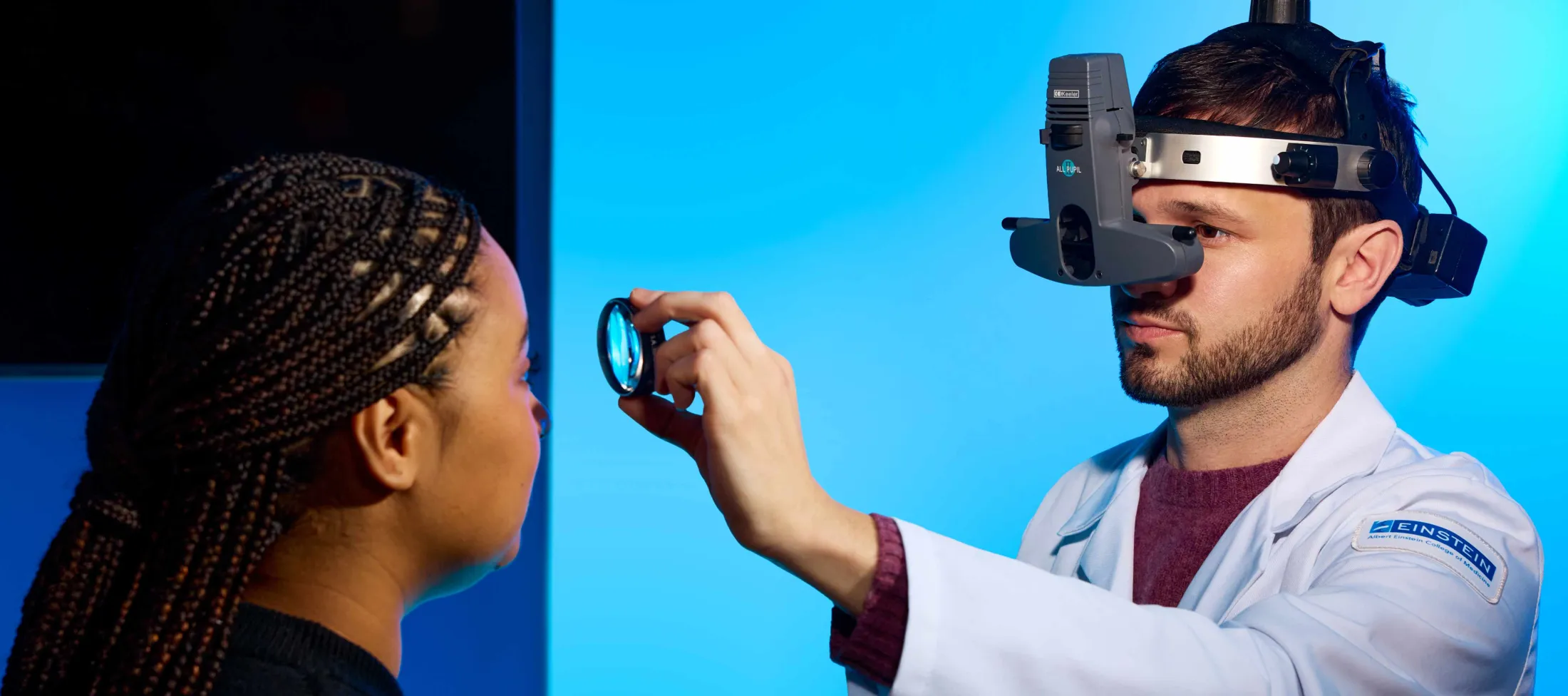
Ofrecemos acceso a las últimas tecnologías de diagnóstico y a los tratamientos médicos, quirúrgicos e intervencionistas más avanzados para la prevención, la detección precoz y el tratamiento de todo el espectro de afecciones neurooftalmológicas.
The team uses high-resolution neuroimaging and ocular imaging, functional vision testing, intracranial pressure and cerebrospinal fluid (CSF) studies and detailed neurophysiologic, eye movement and autonomic testing, complemented by specialized laboratory and genetic evaluations. These advanced tools allow us to identify the underlying cause of complex visual and neurological symptoms with precision and speed.
El enfoque terapéutico se adapta a cada paciente, combinando terapias médicas innovadoras con procedimientos quirúrgicos e intervencionistas avanzados cuando sea necesario. El Departamento ofrece un manejo médico integral, que incluye corticosteroides, terapias biológicas dirigidas, inmunoterapias y fármacos modificadores de la enfermedad. Los especialistas también colaboran estrechamente con neurorradiólogos intervencionistas para brindar tratamientos endovasculares para trastornos vasculares, incluyendo la colocación de stents en los senos venosos para pacientes seleccionados con hipertensión intracraneal idiopática (HII).
Cuando se requiere cirugía, nuestros especialistas en órbita y estrabismo están capacitados para realizar procedimientos avanzados como la fenestración de la vaina del nervio óptico, la descompresión orbitaria y la corrección del estrabismo, utilizando técnicas mínimamente invasivas y guiadas por imágenes siempre que sea posible. Para pacientes con oftalmopatía tiroidea, parálisis de nervios craneales y trastornos del movimiento como blefaroespasmo o espasmo hemifacial, los especialistas ofrecen terapias personalizadas que incluyen inyecciones de toxina botulínica (Botox), prismas y corrección quirúrgica para ayudar a restaurar la alineación, reducir las contracciones musculares involuntarias y mejorar la comodidad y la función.
Ofrecemos acceso a una amplia gama de modalidades de radiación avanzadas, incluyendo braquiterapia con placas, radiocirugía estereotáctica, terapia de protones y radioterapia de intensidad modulada (IMRT), como parte de un tratamiento individualizado para cada tumor. Como socio fundador del New York Proton Center, el primer y único centro de terapia de protones en el estado de Nueva York, y uno de los únicos 41 centros a nivel nacional que ofrecen este tratamiento, hemos sido fundamentales para el avance de nuevos enfoques en el tratamiento de tumores orbitarios e intracraneales complejos.
Para ayudar a los pacientes a adaptarse a los cambios en la visión, maximizar la visión que conservan y mantener su independencia, ofrecemos servicios integrales de rehabilitación visual. Estos incluyen terapia con prismas, dispositivos de asistencia digital y tecnologías adaptativas, todos ellos orientados a mejorar la calidad de vida.
Ofrecemos un conjunto integral de diagnósticos y tratamientos avanzados para toda la gama de afecciones neurooftalmológicas, que incluyen:

Investigación y publicaciones
El Departamento de Oftalmología y Ciencias Visuales de Montefiore Einstein lidera la investigación colaborativa y numerosos estudios y ensayos clínicos, incluidos varios financiados por el Instituto Nacional del Ojo/Institutos Nacionales de la Salud (NEI/NIH), transformando los descubrimientos científicos más novedosos en nuevos diagnósticos y tratamientos para mejorar los resultados clínicos de los pacientes afectados o en riesgo de padecer afecciones neurooftalmológicas. Gracias a estos ensayos clínicos, los pacientes pueden acceder a tecnologías emergentes y tratamientos innovadores que, de otro modo, no estarían disponibles para el público en general.
Nuestra investigación abarca la ciencia básica, traslacional y clínica, con especial atención al avance en la comprensión de los mecanismos, el diagnóstico y el tratamiento de las afecciones neurooftálmicas. Las áreas clave de investigación incluyen las neuropatías ópticas inflamatorias y desmielinizantes, como la esclerosis múltiple (EM) y el trastorno del espectro de la neuromielitis óptica (NMOSD); los trastornos isquémicos y vasculares, incluida la hipertensión intracraneal idiopática, y los resultados relacionados con tumores y tratamientos en la órbita, el nervio óptico y el cerebro. Los especialistas también exploran nuevas estrategias terapéuticas y enfoques de vanguardia, como la terapia génica, la optogenética, los agentes neuroprotectores, las imágenes mejoradas con IA y las técnicas quirúrgicas innovadoras para mejorar los resultados visuales.
Nuestro equipo es pionero en el uso de técnicas avanzadas de aprendizaje automático para identificar patrones cuantificables de pérdida del campo visual y monitorizar la respuesta al tratamiento en la neuritis óptica y la hipertensión intracraneal idiopática. En radioterapia y oncología, nuestros investigadores también contribuyen a definir las tolerancias de dosis para las vías ópticas en la radiocirugía estereotáctica, mejorando la seguridad y la eficacia para los pacientes que requieren terapias dirigidas a tumores.
Además de ser pioneros en la investigación clínica y de laboratorio, nuestro profesorado desempeña un papel fundamental en paneles nacionales e internacionales que dan forma a la práctica clínica. Nuestros expertos son miembros del Comité de Patrones de Práctica Preferidos (PPPC), contribuyendo al desarrollo de las directrices del Patrón de Práctica Preferido® (PPP) de la Academia Estadounidense de Oftalmología para la Evaluación Médica Integral del Ojo en Adultos, que ayudan a identificar y definir las características y los componentes de una atención oftalmológica de calidad y a establecer el estándar de atención para ciertas afecciones neurooftalmológicas. Nuestros radiólogos también han formado parte del panel multidisciplinario de expertos que desarrolló los Criterios de Adecuación® del Colegio Estadounidense de Radiología (ACR) para órbitas, visión y pérdida visual, lo que refuerza aún más nuestro liderazgo en la definición de estándares de atención a nivel mundial.
Líderes mundiales de confianza en atención oftalmológica basada en la evidencia.
Somos uno de los únicos 13 centros a nivel mundial designados como Centro Cochrane de Ojos y Visión (CEV) para la Atención Oftalmológica Basada en la Evidencia, una distinción financiada por el NEI/NIH que reconoce nuestro compromiso con el avance de la medicina y la atención oftalmológica basadas en la evidencia. Nuestras contribuciones a la investigación y a la identificación de los tratamientos más eficaces para la atención al paciente sirven de modelo para centros clínicos de todo el mundo.

Servicios de orientación y apoyo en la atención médica
Tanto si le han diagnosticado recientemente una afección neurooftalmológica, como si experimenta visión doble, movimientos oculares involuntarios (nistagmo) o pérdida de visión, si padece un trastorno neurológico crónico que afecta a la visión o si busca una segunda opinión, nuestro equipo de renombre mundial en Montefiore Einstein Ophthalmology and Visual Sciences está aquí para brindarle una atención, un apoyo y unos recursos excepcionales adaptados a sus necesidades individuales.
Nuestro centro integral ofrece una amplia gama de atención tradicional y holística en cada etapa de la vida, desde la detección, la prevención y el diagnóstico hasta el tratamiento y la recuperación. Incluye servicios sociales y de apoyo, asesoramiento genético para personas con afecciones oculares hereditarias o complejas, o con riesgo de padecerlas, educación del paciente, orientación en la atención, servicios de salud mental y bienestar, rehabilitación visual y otros programas de apoyo. Nuestra amplia gama de recursos nos permite brindar una atención altamente especializada y coordinada que considera a la persona en su totalidad, abordando las necesidades médicas de cada individuo para preservar, restaurar y mejorar la visión, prevenir la pérdida de visión y mejorar los resultados y la calidad de vida. Nuestro equipo de médicos, enfermeros, especialistas y personal de apoyo, compasivos y con amplios conocimientos, está dedicado a ayudarle en cada paso de su proceso de atención neurooftalmológica.
Nuestro equipo de atención neurooftalmológica
Nuestro equipo multidisciplinario de médicos de renombre mundial incluye oftalmólogos certificados, con formación especializada y experiencia en neurooftalmología. Nos especializamos en el diagnóstico y tratamiento de todo el espectro de afecciones neurooftalmológicas, utilizando los diagnósticos y tratamientos más avanzados para proteger, preservar y restaurar la visión, prevenir la progresión de la enfermedad, optimizar la función visual y mejorar la calidad de vida de cada paciente.

Cheng C. Zhang, MD
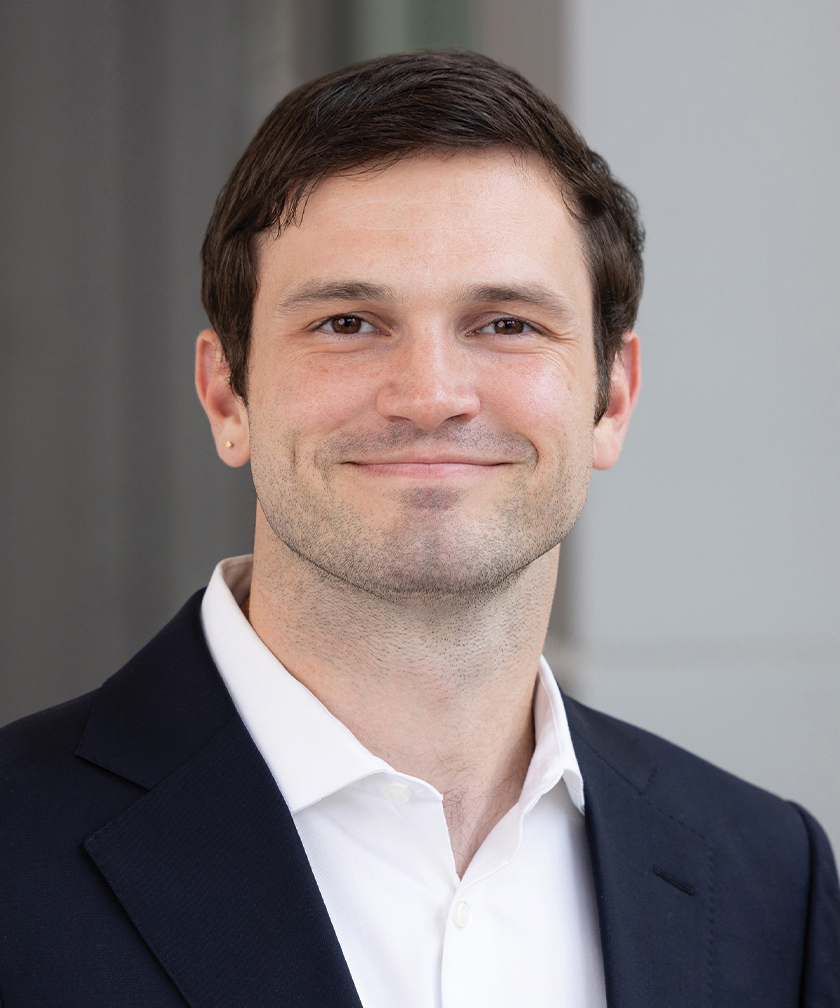
Michael S. Trainer, Doctor en Medicina

Geoffrey H. Basson, MD
Programas e iniciativas comunitarias transformadoras
Nuestro programa se distingue por su enfoque colaborativo y atención clínica integral que trasciende los muros de Montefiore Einstein, llegando a la comunidad a través de iniciativas de alcance dirigidas a preservar la visión, ralentizar la progresión de la enfermedad, prevenir la pérdida de visión y la ceguera, y mejorar la calidad de vida, especialmente entre las poblaciones vulnerables. Entre los esfuerzos clave se incluyen la educación comunitaria, estrategias basadas en la telemedicina para la detección temprana y el manejo de afecciones neurooftálmicas y otras afecciones oftálmicas, y nuestra colaboración con el programa Technology Peers for Accessible Living (Tech Pals) de Lighthouse Guild International, que conecta generaciones mediante mentoría tecnológica personalizada para personas con pérdida de visión. Esta iniciativa única vincula a jóvenes adultos ciegos o con discapacidad visual con adultos mayores para fomentar la alfabetización digital y la independencia. A través de estas y otras iniciativas, continuamos ampliando el acceso a la atención, preservando la continuidad y reduciendo las desigualdades, promoviendo así la salud ocular en las comunidades a las que servimos.
Acerca de las afecciones neurooftalmológicas
Las afecciones neurooftalmológicas son trastornos que afectan la compleja conexión entre los ojos y el cerebro, e involucran los nervios ópticos, las vías visuales y las intrincadas redes que controlan los movimientos oculares y la respuesta pupilar. Cuando estos sistemas se ven alterados por enfermedades neurológicas, afecciones autoinmunes, infecciones o lesiones, los pacientes pueden experimentar síntomas como pérdida de visión, visión doble, defectos del campo visual, movimientos oculares involuntarios (nistagmo), pupilas desiguales (anisocoria) o dolores de cabeza relacionados con la hipertensión intracraneal.
Las causas son diversas y pueden incluir enfermedades inflamatorias o desmielinizantes como la esclerosis múltiple, trastornos vasculares como el ictus o la arteritis de células gigantes, y tumores que afectan o comprimen las vías visuales. Otras causas incluyen neuropatías ópticas hereditarias o genéticas, trastornos autoinmunes o neuromusculares como la miastenia gravis y la sarcoidosis, síndromes genéticos como la neurofibromatosis, infecciones y complicaciones de enfermedades sistémicas.
Dado que los trastornos neurooftalmológicos suelen involucrar a neurología, oftalmología y otras especialidades, un diagnóstico preciso y un tratamiento eficaz generalmente requieren un enfoque multidisciplinario. La detección temprana mediante una evaluación integral y pruebas diagnósticas avanzadas es fundamental, ya que una intervención oportuna puede ayudar a preservar la visión, prevenir complicaciones y mejorar los resultados a largo plazo.