




Our Approach to Neuro-Ophthalmology
Video could not be played
Video could not be played
Video could not be played
Video could not be played
Video could not be played
Video could not be played
Video could not be played
Video could not be played
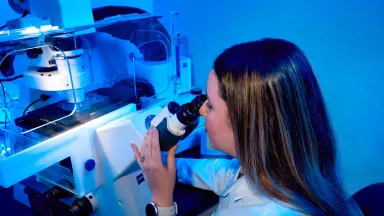
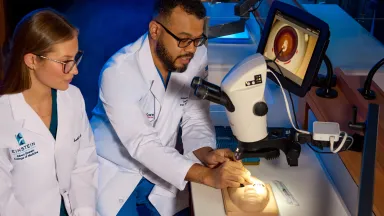
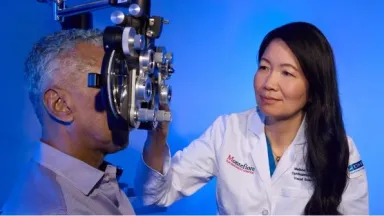
The Montefiore Einstein Department of Ophthalmology and Visual Sciences is a global leader, providing comprehensive, personalized care for adults and children with the full spectrum of neuro-ophthalmic conditions. These conditions include double vision, optic neuritis, cranial nerve palsies, unexplained vision loss, idiopathic intracranial hypertension, multiple sclerosis (MS), myasthenia gravis, giant cell arteritis and hereditary optic neuropathies. Our multidisciplinary team of world-renowned doctors includes board certified, fellowship-trained ophthalmologists with subspecialized expertise in neuro-ophthalmology. We collaborate closely with neurologists, neurosurgeons, neuroradiologists, rheumatologists, medical and radiation oncologists, genetic counselors and other experts, delivering seamless, coordinated care to ensure the best possible outcomes for each patient. Using the latest diagnostic technologies and most advanced treatments, we provide individualized care tailored to the needs of each patient. As a referral site for the most complex and high-risk cases, Montefiore Einstein is ranked among the top 1% of all hospitals in the nation for neurology, neurosurgery and cancer care, according to U.S. News & World Report, and has earned the prestigious Joint Commission designation as a Comprehensive Stroke Center.
We are committed to protecting, preserving and restoring vision, preventing disease progression, optimizing visual function and enhancing quality of life. Whether you are newly diagnosed with a neuro-ophthalmic condition, experiencing double vision, involuntary eye movements (nystagmus) or vision loss, managing a long-term neurological disorder that affects vision or seeking a second opinion, our team is here to provide expert care and guidance at every stage of your neuro-ophthalmic care journey.
Comprehensive Care for Vision & Neurologic Health
For patients with vision or eye disorders caused by tumors, including orbital, optic nerve, pituitary or other intracranial lesions that compress the visual pathways, the team collaborates closely with regional experts in Ocular Oncology. This Program is fully integrated with Montefiore Einstein Comprehensive Cancer Center, among the elite 1% of National Cancer Institute (NCI)-designated comprehensive cancer centers in the U.S. For patients with inherited optic neuropathies, the team provides genetic counseling in collaboration with the Division of Pediatric Genetic Medicine, one of the nation’s first and best-known programs. This Division has been leading genetic and genomic disease care for over fifty years and continues to serve as a model for the field. The Department also provides access to comprehensive vision rehabilitation through close collaboration with Winifred Masterson Burke Rehabilitation Hospital, ranked among the top 1% of all hospitals in the nation for rehabilitation according to U.S. News & World Report.
Advancing Eye Care in Multiple Sclerosis & Neuroimmunology
The team at Montefiore Einstein Ophthalmology and Visual Sciences works closely with our Multiple Sclerosis and Neuroimmunology Center, an internationally recognized leader and the world’s first integrated clinical care and research program for multiple sclerosis (MS). Our specialists provide expert management of the full spectrum of ophthalmic conditions in patients with all types of MS and related syndromes, as well as other neuroimmunological disorders, including neuromyelitis optica spectrum disorder (NMOSD) and myelin oligodendrocyte glycoprotein antibody–associated disease (MOGAD).
Video could not be played
Advanced Diagnostics & Treatments
We offer access to the latest diagnostic technologies and the most advanced medical, surgical and interventional treatments for the prevention, early detection and management of the full spectrum of neuro-ophthalmic conditions.
The team uses high-resolution neuroimaging and ocular imaging, functional vision testing, intracranial pressure and cerebrospinal fluid (CSF) studies and detailed neurophysiologic, eye movement and autonomic testing, complemented by specialized laboratory and genetic evaluations. These advanced tools allow us to identify the underlying cause of complex visual and neurological symptoms with precision and speed.
The treatment approach is tailored to each patient, combining innovative medical therapies with advanced surgical and interventional procedures when indicated. The Department provides comprehensive medical management, including corticosteroids, targeted biologics, immunotherapies and disease-modifying agents. Specialists also work closely with interventional neuroradiologists to deliver endovascular treatments for vascular disorders, including venous sinus stenting for select patients with idiopathic intracranial hypertension (IIH).
When surgery is required, our orbital and strabismus specialists are trained to perform advanced procedures such as optic nerve sheath fenestration, orbital decompression and strabismus correction, using image-guided and minimally invasive approaches whenever possible. For patients with thyroid eye disease, cranial nerve palsies and movement disorders such as blepharospasm or hemifacial spasm, specialists offer tailored therapies including botulinum toxin (Botox) injections, prisms and surgical correction to help restore alignment, reduce involuntary muscle contractions and improve comfort and function.
We provide access to a full spectrum of advanced radiation modalities, including plaque brachytherapy, stereotactic radiosurgery, proton therapy and intensity-modulated radiation therapy (IMRT) as part of individualized tumor-directed care. As a founding partner in developing the New York Proton Center, the first and only proton therapy center in New York State, and one of only 41 facilities nationwide offering proton therapy, we have been instrumental in advancing new approaches for the treatment of complex orbital and intracranial tumors.
To support patients in adapting to vision changes, maximizing their remaining sight and maintaining independence, we offer comprehensive vision rehabilitation services. These include prism therapy, digital assistive devices and adaptive technologies, all aimed at enhancing quality of life.
We offer a comprehensive suite of advanced diagnostics and treatments for the full range of neuro-ophthalmic conditions, including:
We use state-of-the-art imaging technologies and testing to detect and monitor neuro-ophthalmic conditions with precision.
- Neuroimaging
- High-resolution magnetic resonance imaging (MRI) of the brain, orbits and visual pathways
- Magnetic resonance (MR) angiography/venography (MRA/MRV) for arterial and venous sinus disorders
- Vessel-wall MRI for vasculitis and aneurysm characterization
- Computed tomography (CT) and CT angiography/venography (CTA/CTV) for orbital, skull base or vascular pathology
- Digital subtraction angiography (DSA) for aneurysms and carotid–cavernous fistula
- Positron emission tomography (PET)/CT for systemic and paraneoplastic disease
- Ocular imaging and structural testing
- Optical coherence tomography (OCT)
- Optical coherence tomography angiography (OCTA) for optic nerve and retinal vasculature
- Fundus autofluorescence (FAF)
- Fluorescein angiography (FA)
- Indocyanine green angiography (ICGA)
- Color and ultra-widefield fundus photography
- Ultrasound B-scan for optic disc drusen and orbital lesions
- Optic nerve sheath diameter ultrasound (ONSD) for intracranial pressure assessment
- Functional vision testing
- Automated visual field testing (static perimetry)
- Goldmann kinetic perimetry for complex defects
- Electrophysiology, including visual evoked potentials (VEP), Diopysis™ ERG, multifocal ERG (mfERG)
- Intracranial pressure and CSF testing
- Lumbar puncture with opening pressure measurement
- CSF analysis (cell count, protein, oligoclonal bands, cytology)
- Venous sinus manometry when evaluating IIH for possible stenting
- Intracranial pressure monitoring
- Neurophysiologic, eye movement and autonomic testing
- Eye movement recording and video/infrared-oculography
- Electroencephalography (EEG) for occipital epilepsy and cortical visual syndromes
- Neuromuscular junction testing (single-fiber electromyography—EMG, repetitive nerve stimulation) for suspected myasthenia gravis
- Laboratory and genetic testing
- Autoimmune and inflammatory panels (e.g. aquaporin-4—AQP4-IgG, myelin oligodendrocyte glycoprotein—MOG-IgG, antinuclear antibody—ANA, anti-neutrophil cytoplasmic antibody—ANCA, erythrocyte sedimentation rate—ESR/c-reactive protein—CRP)
- Myasthenia gravis serologies (acetylcholine receptors—AChR, muscle-specific tyrosine kinase—MuSK and low-density lipoprotein receptor-related protein—LRP4 antibodies)
- Infectious workup (syphilis, TB, Lyme, HIV, VZV)
- Temporal artery ultrasound and biopsy for suspected giant cell arteritis
- Carotid duplex ultrasound for amaurosis fugax/ocular ischemic syndrome
- Genetic testing for hereditary optic neuropathies (OPA1, LHON, Wolfram syndrome, others)
We provide the most advanced medical, surgical and interventional therapies, tailored to each patient, to protect and restore vision.
We offer a full range of individualized medical therapies tailored to the needs of each patient.
- Optic neuritis and inflammatory optic neuropathies
- Intravenous (IV) methylprednisolone for acute optic neuritis
- Intravenous immunoglobulin (IVIG) or plasma exchange (PLEX) for severe/refractory NMOSD/MOGAD
- Demyelinating and neuroimmunology care
- Disease-modifying therapies for MS
- NMOSD-targeted biologics (eculizumab, ravulizumab, inebilizumab, satralizumab and rituximab, where appropriate)
- MOGAD-targeted therapies (IV steroids for relapses, IVIG (for maintenance), as well as rituximab in select cases)
- Immunosuppressants/biologics (rituximab, mycophenolate, azathioprine, methotrexate, cyclophosphamide)
- Giant cell arteritis (arteritic ischemic optic neuropathy)
- High-dose corticosteroids
- Tocilizumab and other steroid-sparing agents, as indicated
- Thyroid eye disease (TED)
- Teprotumumab™ (Tepezza) (targeted IGF-1R therapy)
- Systemic steroids for active moderate–severe disease
- Smoking cessation
- Idiopathic intracranial hypertension (IIH)
- Acetazolamide or topiramate
- Comprehensive weight-loss strategies, including anti-obesity pharmacotherapy and bariatric surgery when appropriate
- Obstructive sleep apnea management (e.g. continuous positive airway pressure—CPAP)
- Vascular and ischemic disorders
- Antiplatelet/anticoagulation (for amaurosis fugax and dissections when indicated)
- Risk-factor optimization (blood pressure, lipids, glycemic control)
- Nystagmus and oscillopsia
- Gabapentin, memantine, baclofen
- Myasthenia gravis (MG)
- Pyridostigmine, corticosteroids
- IVIG/PLEX for exacerbations
- Neonatal Fc receptor (FcRn) inhibitors (efgartigimod, rozanolixizumab)
- Complement inhibitors (eculizumab, ravulizumab, zilucoplan)
- Other immunotherapies (e.g. rituximab in MuSK-positive—MuSK+ MG)
Our neuro-ophthalmologists collaborate with neurosurgery, oculoplastics and interventional neuroradiology to perform advanced procedures to protect and restore vision, relieve pressure, correct alignment and treat vascular and skull-base disease.
- Optic nerve sheath fenestration for vision-threatening papilledema in select cases
- Strabismus surgery for cranial nerve palsies or TED
- Botulinum toxin injections for acute cranial nerve palsies, blepharospasm or hemifacial spasm
- Eyelid surgery for ptosis or eyelid retraction/exposure disorders
- Orbital decompression for TED
- CSF diversion (ventriculoperitoneal/lumboperitoneal shunting) for refractory idiopathic intracranial hypertension
- Venous sinus stenting for IIH with venous outflow stenosis
- Spontaneous intracranial hypotension
- Targeted epidural blood or fibrin-glue patch
- Surgical leak repair when needed
- Endovascular therapy
- Transvenous/transarterial embolization for carotid–cavernous fistula
- Coiling or flow diversion for aneurysms
- Tumors
- Transsphenoidal or open resection
- Stereotactic radiosurgery (Gamma Knife®/linac) for appropriate pituitary, meningioma, craniopharyngioma, glioma or metastatic lesions
We provide advanced radiation and cancer therapies in close collaboration with radiation oncology, medical oncology, neurosurgery, ocular oncology and oculoplastics, offering targeted, vision-preserving treatment for orbital and optic pathway tumors (such as meningiomas, gliomas and selected metastases), optic nerve sheath meningiomas, orbital lymphoma and thyroid eye disease in select cases.
- Plaque brachytherapy (ophthalmic plaque radiation therapy)
- Proton beam therapy
- External beam radiation therapy (EBRT)
- Stereotactic radiosurgery (e.g. Gamma Knife®, CyberKnife)
- Intensity-modulated radiation therapy (IMRT)
- Chemotherapy, immunotherapy and targeted systemic therapies
We provide comprehensive vision rehabilitation and supportive services to help patients maximize their remaining vision, adapt to daily challenges and preserve quality of life.
- Low-vision rehabilitation with adaptive devices, reading and driving support and assistive technologies.
- Prism therapy for double vision
- Vision rehabilitation therapy in collaboration with certified specialists
- Occupational and physical therapy for functional adaptation and independence
- Orientation and mobility training for patients with permanent vision loss
- Genetic counseling and family support for hereditary optic neuropathies
- Access to psychological support and patient resources for coping with vision loss

Video could not be played
Research & Publications
Montefiore Einstein Ophthalmology and Visual Sciences is leading collaborative research and spearheading numerous studies and clinical trials, including several funded by the National Eye Institute/National Institutes of Health (NEI/NIH), translating novel scientific discoveries into new diagnostics and treatments to improve clinical outcomes for patients affected by, or at risk for, neuro-ophthalmic conditions. Through these clinical trials, patients can access emerging technologies and innovative treatments that may otherwise be unavailable to the general public.
Our research spans basic, translational and clinical science, with a focus on advancing the understanding of the mechanisms, diagnosis and treatment of neuro-ophthalmic conditions. Core areas of investigation include inflammatory and demyelinating optic neuropathies such as multiple sclerosis (MS) and neuromyelitis optica spectrum disorder (NMOSD); ischemic and vascular disorders, including idiopathic intracranial hypertension, and tumor- and treatment-related outcomes of the orbit, optic nerve and brain. Specialists are also exploring novel therapeutic strategies and leading-edge approaches, such as gene therapy, optogenetics, neuroprotective agents, AI-enhanced imaging and innovative surgical techniques to improve visual outcomes.
Our team is pioneering the use of advanced machine learning techniques to identify quantifiable patterns of visual field loss and track treatment response in optic neuritis and idiopathic intracranial hypertension. In radiation and oncologic care, our researchers are also helping to define dose tolerances for the optic pathways in stereotactic radiosurgery, advancing safety and efficacy for patients requiring tumor-directed therapies.
In addition to pioneering laboratory and clinical research, our faculty play a leading role on national and international panels that shape clinical practice. Our experts are members of the Preferred Practice Patterns Committee (PPPC), contributing to the development of the American Academy of Ophthalmology’s Comprehensive Adult Medical Eye Evaluation Preferred Practice Pattern® (PPP) guidelines, which help to identify and define characteristics and components of quality eye care and establish the standard of care for certain neuro-ophthalmic conditions. Our radiologists have also served on the multidisciplinary expert panel that developed the American College of Radiology (ACR) Appropriateness Criteria® for orbits, vision and visual loss, further reinforcing our leadership in defining standards of care worldwide.
Trusted Global Leaders in Evidence-Based Eye Care
We are one of only 13 centers worldwide designated as a Cochrane Eyes and Vision (CEV) Center for Evidence-Based Vision Care, an NEI/NIH-funded distinction recognizing our commitment to advancing evidence-based medicine and eye care. Our contributions to research and identifying the most effective treatments in patient care serve as a model for clinical sites around the world.

Video could not be played
Care Navigation & Support Services
Whether you are newly diagnosed with a neuro-ophthalmic condition, experiencing double vision, involuntary eye movements (nystagmus) or vision loss, managing a long-term neurological disorder that affects vision or seeking a second opinion, our world-renowned team at Montefiore Einstein Ophthalmology and Visual Sciences is here to provide you with exceptional care, support and resources tailored to your individual needs.
Our full-service Center offers a comprehensive range of traditional and holistic care at every stage of life, from screening, prevention and diagnosis through treatment and recovery, including social and support services, genetic counseling for individuals with, or at risk for, inherited or complex eye conditions, patient education, care navigation, mental health and wellness services, vision rehabilitation and other supportive programs. Our breadth of resources enables us to deliver highly specialized, coordinated care that takes into account the whole person, addressing each individual’s medical needs to preserve, restore and enhance vision, prevent vision loss and improve outcomes and quality of life. Our team of compassionate and deeply knowledgeable doctors, nurses, specialists and support staff is dedicated to helping you at every step of your neuro-ophthalmic care journey.
Our Neuro-Ophthalmology Care Team
Our multidisciplinary team of world-renowned doctors includes board certified, fellowship-trained ophthalmologists with subspecialized expertise in neuro-ophthalmology. We specialize in the diagnosis and management of the full spectrum of neuro-ophthalmic conditions, using the most advanced diagnostics and treatments to protect, preserve and restore vision, prevent disease progression, optimize visual function and enhance quality of life for each patient.
Video could not be played
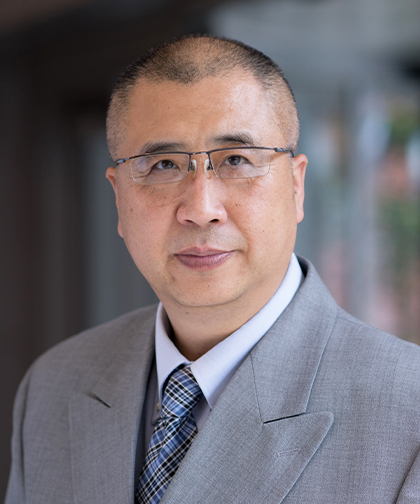
Cheng C. Zhang, MD
Video could not be played
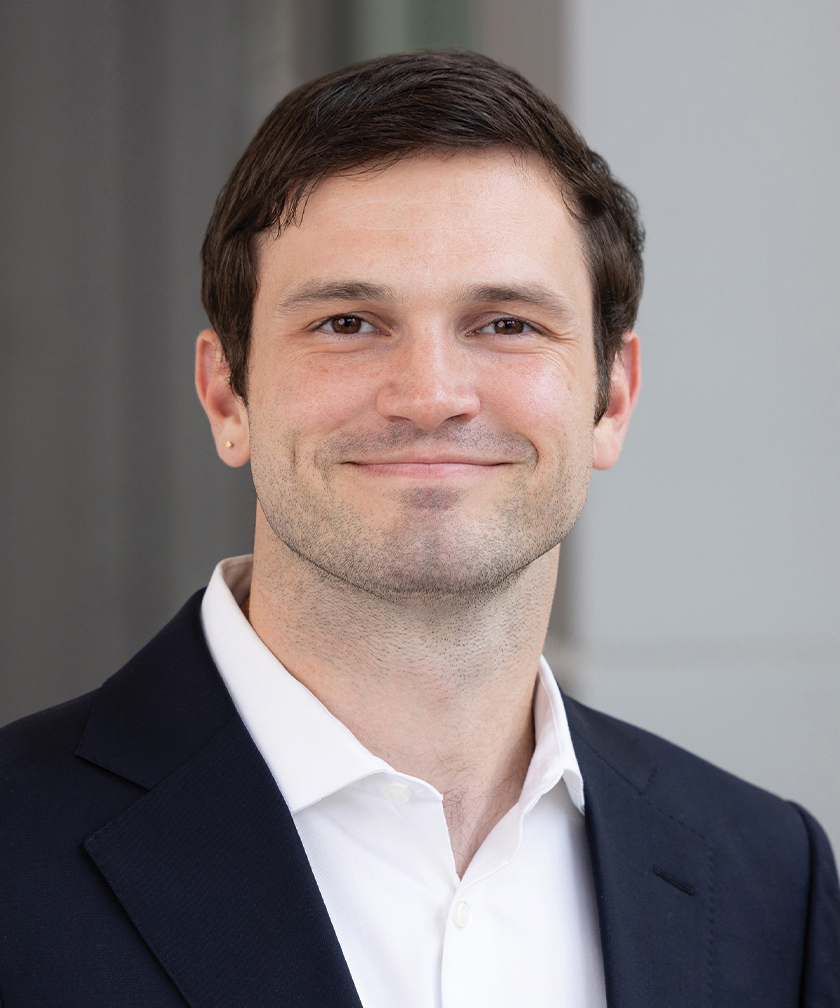
Michael S. Trainer, MD

Video could not be played
Geoffrey H. Basson, MD
Transformative Community Programs & Initiatives
Our Program is recognized for its collaborative approach and comprehensive clinical care extending beyond the walls of Montefiore Einstein into the community through targeted outreach initiatives designed to preserve vision, slow disease progression, prevent both vision loss and blindness and enhance quality of life, particularly among vulnerable populations. Key efforts include community education, telemedicine-based strategies for the early detection and management of neuro-ophthalmic and other ophthalmic conditions and our partnership with Lighthouse Guild International’s Technology Peers for Accessible Living (Tech Pals) Program, which bridges generations through personalized technology mentorship for individuals with vision loss. This unique initiative pairs blind or visually impaired young adults with older adults to foster digital literacy and independence. Through these and other initiatives, we continue to expand access to care, preserve continuity and reduce disparities—advancing eye health across the communities we serve.
About Neuro-Ophthalmic Conditions
Neuro-ophthalmic conditions are disorders that affect the complex connection between the eyes and the brain, involving the optic nerves, visual pathways and the intricate networks that control eye movements and pupil responses. When these systems are disrupted by neurological diseases, autoimmune conditions, infections or injuries, patients may experience symptoms such as vision loss, double vision, visual field defects, involuntary eye movements (nystagmus), unequal pupils (anisocoria) or headaches related to elevated intracranial pressure.
The causes are diverse and can include inflammatory or demyelinating diseases such as multiple sclerosis, vascular disorders such as stroke or giant cell arteritis and tumors involving or compressing the visual pathways. Additional causes include hereditary or genetic optic neuropathies, autoimmune or neuromuscular disorders such as myasthenia gravis and sarcoidosis, genetic syndromes such as neurofibromatosis, infections and complications of systemic diseases.
Because neuro-ophthalmic disorders often involve neurology, ophthalmology and other specialties, accurate diagnosis and effective management typically require a multidisciplinary approach. Early detection through comprehensive evaluation and advanced diagnostic testing is essential, as timely intervention can help preserve vision, prevent complications and improve long-term outcomes.
Learn More About Screening, Prevention & Treatment of Neuro-Ophthalmic Conditions
Location details: Greene Medical Arts Pavilion (MAP), Henkind Eye Institute
Greene Medical Arts Pavilion (MAP), Henkind Eye Institute
Location details: Bainbridge Ophthalmology
Bainbridge Ophthalmology