


Video could not be played
Science at the Heart of Medicine
At Montefiore Einstein Ophthalmology and Visual Sciences, we are committed to finding new and better ways to provide the best possible care for our patients. For over a century, our team has been leading the way with groundbreaking research and continues to advance the field with novel scientific discoveries and innovations. We helped establish new standards of care across nearly every subspecialty in ophthalmology, spearheading clinical trials that led to the development of novel U.S. Food and Drug Administration (FDA)–approved medications and devices. From co-inventing the Trabectome®, the first FDA-cleared device for minimally invasive glaucoma surgery (MIGS), to contributing to the development of Eylea® (aflibercept), the first FDA-approved pharmacologic treatment for retinopathy of prematurity (ROP) in preterm infants, and Macugen® (pegaptanib), the first FDA-approved injectable for wet age-related macular degeneration, our physician-scientists have helped shape modern ophthalmic care.
Our research spans basic, translational and clinical science, advancing the understanding and management of eye conditions across every subspecialty. We are leveraging big data, artificial intelligence (AI) and natural language processing (NLP) to transform diagnostics, clinical care and research. In addition, our researchers are leading innovations in biologics and regenerative medicine, including growth factors, autologous plasma products, hyaluronic acid membranes and umbilical cord grafts, while advancing gene therapy, stem cell transplantation, sustained drug delivery and precision medicine to further shape the future of eye care.
Our collaborative network has helped advance major therapeutic breakthroughs in both anterior and posterior segment eye diseases, transforming the management of glaucoma, macular degeneration, diabetic eye disease and other debilitating conditions. Beyond advancing clinical practice, our research is also helping to inform national guidelines and models of care. Through leadership on the American Academy of Ophthalmology’s Preferred Practice Patterns Committee (PPPC), our ophthalmologists play a central role in defining the standards that guide comprehensive adult eye care across the country. Together, these contributions reflect our commitment to pushing the boundaries of modern science, advancing care and transforming the landscape of ophthalmology.
Trusted Global Leaders in Evidence-Based Eye Care
We are one of only 13 centers worldwide designated as a Cochrane Eyes and Vision (CEV) Center for Evidence-Based Vision Care, a National Eye Institute/National Institutes of Health (NEI/NIH)-funded distinction recognizing our commitment to advancing evidence-based medicine and eye care. Our contributions to research and determining the most effective treatments in patient care serve as a model for clinical sites around the world.

Video could not be played
Transdisciplinary Research
Innovation occurs when individuals with diverse perspectives, methodologies and areas of expertise come together. Our transdisciplinary research programs unite internationally recognized bench and physician-scientists across academic disciplines to collaborate on basic, translational and clinical research. Each investigator contributes a unique area of expertise and perspective to advancing novel diagnostics and treatments across the full spectrum of eye conditions. Our research spans every major subspecialty of ophthalmology, advancing innovation to improve outcomes and transform patient care.
Fundamental to our approach is the Department’s integration of clinical and scientific research aimed at advancing the field of ophthalmology. From our basic science research laboratories at Albert Einstein College of Medicine to our ophthalmic clinical trials units, we emphasize a true “bench-to-bedside” model of discovery and advanced medical care. Through investigator- and sponsor-initiated clinical trials conducted at Montefiore Einstein Hospital, Moses Campus, we bring the latest therapies and most innovative treatment options to our community. Our collaborative research network has contributed to major therapeutic advancements in the management of both anterior and posterior segment disease.
Our retina and vitreous research spans the full continuum of scientific discovery, from basic science to translational and clinical studies. Core areas of investigation include retinal vascular disease, age-related macular degeneration, diabetic retinopathy, retinal detachment, inherited retinal dystrophies, ocular tumors and ocular inflammation. Our recent work has evaluated the real-world value of anti-vascular endothelial growth factor (VEGF) therapy, advanced the role of teleretinal screening to expand access in underserved populations and examined surgical outcomes in complex retinal detachment.
Our researchers are exploring the potential of using retinal organoids (laboratory-grown tissue resembling the retina) to generate cells for transplantation in the treatment of retinal diseases, offering new possibilities for cell-based transplantation to restore vision. Additionally, they are developing novel drug compounds that selectively activate chaperone-mediated autophagy and have demonstrated their efficacy in ameliorating retinal degeneration and disease progression in a preclinical model of retinitis pigmentosa. We are also part of the Diabetic Retinopathy Clinical Research (DRCR) Retina Network, leading studies that inform national standards in diabetic eye disease care.
Our Uveitis division integrates basic, translational and clinical research to advance knowledge of the mechanisms, diagnosis and treatment of ocular inflammation. Key areas of investigation include autoimmune and systemic diseases associated with uveitis, infectious causes of uveitis and the prevention and management of sight-threatening complications such as macular edema, glaucoma and choroidal neovascularization. We are also leading studies in the diagnosis and systemic management of ocular cicatricial pemphigoid, as well as quality improvement initiatives such as the timely initiation of steroid-sparing therapy in uveitis patients. In addition, our investigators are actively evaluating novel immunomodulatory and biologic agents, sustained-release drug delivery systems and targeted therapies tailored to specific disease pathways.
Our research focuses on advancing the diagnosis, treatment and long-term management of cataracts and complex lens-related conditions. Key areas of investigation include the development of novel surgical techniques and technologies, next-generation intraocular lens (IOL) solutions and data-driven strategies to improve surgical outcomes. We are studying the use of artificial intelligence (AI) to help improve the performance of IOL calculation formulas and provide an enhanced framework for IOL formula optimization.
Beyond surgical innovation, our research addresses critical challenges in perioperative care, medical therapy and surgical education. We are evaluating the role of perioperative pharmacologic strategies in cataract surgery, including the use of nonsteroidal anti-inflammatory drugs (NSAIDs) to reduce perioperative inflammation, drug-eluting intraocular implants for sustained antimicrobial protection and systemic medications that influence iris physiology, such as alpha-adrenergic antagonists, and their effects on surgical outcomes. We are also exploring nonsurgical therapeutic approaches, including a subgroup analysis from a Phase 1/2 randomized clinical trial evaluating 2.6% ethylenediaminetetraacetic acid (EDTA) ophthalmic solution as a potential medical treatment for patients with age-related cataracts.
Our team is also leading efforts to advance surgical training and education through the use of high-fidelity simulators, with a focus on the evaluation of ophthalmic surgical simulators for continuous curvilinear capsulorhexis training and on the impact of case complexity in resident-performed cataract surgery.
Through basic, translational and clinical science, our research is advancing the understanding and management of complex corneal, refractive and anterior segment conditions. Core areas of investigation include the development of novel surgical technologies and techniques, strategies to optimize outcomes in corneal transplantation and refractive surgery, innovations in ocular surface regeneration, the use of AI in cornea, refractive and cataract surgery to enhance diagnostics and surgical planning and the exploration of emerging biologics and regenerative therapies to treat ocular surface and corneal diseases.
We helped establish new standards of care in cornea, refractive and laser eye surgery, spearheading clinical trials that have led to the development of novel FDA-approved medications and devices. Our experts’ pursuit of innovative approaches to corneal transplantation led to the development of AmbioDry™, a preserved dry amniotic membrane allograft for ocular surface repair. Our physician-scientists were also instrumental in developing technology that modernized eye banking practices, enabling the preparation, storage and national distribution of tissue for endothelial lamellar corneal transplantation. Through our collaborative research network, we continue to help bring major therapeutic advancements in the management of anterior segment diseases.
Our investigations are advancing the understanding of corneal biomechanics before, during and after refractive surgery, assessing long-term outcomes of next-generation laser platforms such as small incision lenticule extraction (SMILE) and femtosecond laser-assisted in situ keratomileusis (LASIK), and developing novel crosslinking techniques for refractive correction. Our research includes examining the advances and limitations of scleral lenses for the correction of irregular astigmatism and leveraging two-photon excitation fluorescence microscopy to improve our understanding of the peripheral corneal architecture. We are also studying the effectiveness of emerging biologics and regenerative therapies, including growth factors, autologous plasma products, hyaluronic acid membranes and umbilical cord grafts, as potential treatments for ocular surface disease and neurotrophic keratopathy. We were the first to demonstrate that a novel hyaluronic acid membrane (HAM), produced using a 1,4-butanediol diglycidyl ether (BDDE) cross-linker, is a potentially valid treatment for several ocular surface diseases.
Our team is also advancing eye banking science through studies assessing donor-related factors that influence corneal transplant success. Recent investigations have examined the impact of donor diabetes mellitus severity on corneal transplant suitability, analyzed corneal endothelial cell loss in eye bank donors who experienced head trauma-related deaths and explored national trends in the screening and use of corneas from donors who had undergone prior refractive surgery, leveraging data from the Eye Bank Association of America to inform evolving standards of practice.
As part of the DRCR Retina Network, an NIH-sponsored consortium of clinical sites across North America, we have contributed to substantial advances in the clinical care of diabetic eye disease and continue to lead collaborative research focused on diabetic eye disease and other retinal conditions. Montefiore Einstein played a key role in the National Institute of Diabetes and Digestive and Kidney Diseases (NIDDK)-funded Diabetes Control and Complications Trial (DCCT), a landmark clinical study that revolutionized diabetes management worldwide and transformed the understanding of diabetic eye disease by demonstrating that early and intensive blood glucose control significantly reduces the risk of developing diabetic retinopathy and other vision-threatening complications related to diabetes.
Through basic, translational and clinical research, we are advancing the understanding, diagnosis and management of diabetic eye disease. Core areas of investigation include the molecular mechanisms of diabetic retinopathy and disease progression, health outcomes research, telemedicine-based screening, cost-effectiveness modeling of screening and therapies and the development of novel diagnostics and treatments. Our studies have demonstrated the real-world impact of telemedicine and digital health tools in underserved communities. For example, a teleretinal triage initiative implemented at Montefiore Einstein was found to increase screening and sight-saving access to care as well as improve adherence to annual eye examinations for an underserved population with a high incidence of type 2 diabetes and retinopathy.
We also investigate the economic value of emerging therapies. A cost-effectiveness analysis of intravitreal aflibercept for the prevention of progressive diabetic retinopathy and a telemedicine screening program for diabetic retinopathy may support policy and payer decisions that broaden access to effective care. Our scientists are also exploring the molecular underpinnings of disease, including a recent investigation into tumor necrosis factor ligand-related molecule 1A, which identified its potential role linking disease progression of proliferative diabetic retinopathy following primary vitrectomy. Through multidisciplinary collaboration and NIH-sponsored initiatives, we remain committed to pioneering innovative solutions for diabetic eye disease and advancing care both locally and globally.
As pioneers in minimally invasive glaucoma surgery (MIGS), our faculty co-invented the Trabectome®, the first FDA-cleared device for MIGS, and continue to advance the field through innovation and collaboration. Our physician-scientists were also instrumental in the development of novel FDA-approved sustained-release therapies, a new class of glaucoma treatments that offer the potential for long-term intraocular pressure control without the inconvenience or potential side effects often associated with daily topical eye drops.
Our research focuses on advancing the understanding and management of glaucoma, with key areas of investigation including the early detection and classification of glaucoma, the role of optical coherence tomography (OCT) in diagnosis and disease monitoring and the development and refinement of surgical techniques and technologies. Studies are evaluating the safety and efficacy of MIGS, strategies to optimize surgical outcomes, refractive surgery considerations in glaucoma suspects, health disparities affecting vulnerable populations and the integration of artificial intelligence and emerging technologies into clinical decision-making.
Through NIH-funded grants, our researchers are advancing the study of human retinal ganglion cell (RGC) differentiation, axon growth and pathfinding using innovative organoid and microphysiological models. This work aims to bridge critical knowledge gaps in early optic nerve development and the mechanisms of RGC degeneration in blinding diseases such as glaucoma, with the potential to enable the development of new datasets, tools and therapeutic approaches, including RGC-protective drugs, replacement and regenerative treatments to restore vision.
Additional investigations include the development of a novel, low-cost glaucoma calculator to help identify glaucoma patients and stratify disease management, the impact of cataract surgery on glaucoma care and perioperative considerations for refractive surgery in glaucoma suspects. Our researchers have analyzed outcomes of fornix-based versus limbal-based conjunctival trabeculectomy flaps and are advancing patient-centered care through studies in shared decision-making. We are also evaluating the accuracy of ICD-10 coding in identifying glaucoma diagnoses and subtypes, and assessing the viability of OCT global metrics for detecting progression in advanced glaucoma. In collaboration with our Department of Radiology, we are using functional magnetic resonance imaging (MRI) with wide-view retinotopic stimulation to evaluate changes in the visual cortex due to glaucoma-related vision loss. Our researchers are also investigating genetic and molecular biomarkers to better understand disease susceptibility and progression, with the goal of advancing personalized glaucoma care.
Our research spans basic, translational and clinical science, with a focus on advancing the understanding and management of macular degeneration. Core areas of investigation include imaging biomarkers for early detection and disease progression, novel therapeutic strategies to improve visual outcomes and innovative surgical techniques for complex macular conditions. Recent studies have explored the importance of maintaining consistent treatment schedules for patients with neovascular age-related macular degeneration (AMD). Ongoing work is also evaluating near-infrared reflectance imaging for quantifying atrophy associated with AMD. Our researchers are also pioneering new techniques for the repair of macular holes, aiming to improve closure rates and optimize visual recovery for patients with complex presentations.
Our researchers are exploring the potential of using retinal organoids, laboratory-grown tissue resembling the retina, to generate cells for transplantation in the treatment of retinal diseases. Additionally, they are developing novel drug compounds that selectively activate chaperone-mediated autophagy and have demonstrated their efficacy in ameliorating retinal degeneration and disease progression in a preclinical model of retinitis pigmentosa. These advances may pave the way for new therapeutic strategies to help individuals with other retinal degenerative disorders, such as AMD and diabetic retinopathy.
Our researchers actively lead basic, translational and clinical investigations, with a focus on advancing the understanding of the mechanisms, diagnosis and treatment of neuro-ophthalmic conditions. Core areas of investigation include inflammatory and demyelinating optic neuropathies such as multiple sclerosis (MS) and neuromyelitis optica spectrum disorder (NMOSD); ischemic and vascular disorders, including idiopathic intracranial hypertension, and tumor- and treatment-related outcomes of the orbit, optic nerve and brain. We are also exploring novel therapeutic strategies, leading-edge approaches such as gene therapy, optogenetics, neuroprotective agents, artificial intelligence–enhanced imaging and innovative surgical techniques to improve visual outcomes.
Our team is pioneering the use of advanced machine learning techniques to identify quantifiable patterns of visual field loss and track treatment response in optic neuritis and idiopathic intracranial hypertension. In radiation and oncologic care, our researchers are also helping to define dose tolerances for the optic pathways in stereotactic radiosurgery, advancing safety and efficacy for patients requiring tumor-directed therapies. In addition to pioneering laboratory and clinical research, our faculty play a leading role on national and international panels that shape clinical practice. As part of our multidisciplinary team, our radiologists have also served on the multidisciplinary expert panel that developed the American College of RadiologyTM (ACR) Appropriateness Criteria® for orbits, vision and visual loss, further reinforcing our leadership in defining standards of care worldwide.
Our physician-scientists lead investigations to advance the understanding, diagnosis and treatment of a broad range of oculoplastic conditions. Key areas of research include surgical innovation, wound healing and scar management, thyroid eye disease, functional eyelid disorders, orbital tumors, aesthetic outcomes and patient-centered decision-making and approaches to care. Current investigations include studies to improve scar healing, evaluate new materials and techniques for eyelid and orbital surgery, advance therapies for thyroid eye disease and enhance outcomes in both reconstructive and cosmetic procedures. Other work has focused on long-term outcomes in brow lift surgery, strategies to optimize upper eyelid blepharoplasty and the effectiveness of botulinum toxin for thyroid eye disease–related eyelid retraction and strabismus.
Our Program also addresses the broader impact of oculoplastic care through studies on dermal fillers and complication prevention, shared decision-making in ophthalmology and the role of social media in surgical education and patient engagement. Investigators are expanding understanding of thyroid eye disease in diverse populations, examining ocular and eyelid changes associated with rapid weight loss after bariatric surgery and even investigating links between cannabis use and thyroid eye disease in patients with autoimmune hyperthyroidism. Together, these efforts demonstrate our commitment to advancing the science and practice of oculoplastic surgery, ensuring that patients benefit from the safest, most effective and evidence-based approaches available.
We helped establish new standards of care in pediatric ophthalmology, spearheading clinical trials that have led to the development of FDA-approved medications and devices, such as Eylea® (aflibercept), the first approved pharmacologic treatment for preterm infants with retinopathy of prematurity (ROP). Our research spans basic, translational and clinical science, with key areas of investigation in retinal diseases of infancy, strabismus and amblyopia, pediatric cataracts, congenital glaucoma, corneal dystrophies, progressive myopia, orthokeratology and the impact of systemic and genetic disorders on vision. Investigators are uncovering the genetic and molecular mechanisms that regulate lens formation, transparency and vision, while also studying how genetic changes in key transcription factors affect early eye development, with the aim of informing future treatments for congenital eye conditions.
We are internationally recognized for advancing research in ROP, with studies addressing the clinical, logistical and systemic factors that influence diagnosis, management and outcomes for premature infants. In strabismus and amblyopia research, our team has advanced surgical techniques such as the Swan incision, refined perioperative management and explored innovative approaches, such as mobile device–based vision screening for unilateral amblyopia. Beyond disease-specific research, our faculty are also shaping the field through leadership in medical education and advancing pediatric ophthalmology worldwide.
We conduct basic, translational and clinical research to advance the understanding, diagnosis and treatment of a broad spectrum of eye diseases. Core areas of investigation encompass every subspecialty of ophthalmology, including ocular surface disorders, corneal and retinal disease, glaucoma, cataract and refractive surgery, eye inflammation and neuro-ophthalmology, as well as the development of new imaging and surgical technologies. By integrating research and patient care, our physician-scientists are helping to shape the future of comprehensive eye care while improving vision and quality of life for patients today.
Our research is not only advancing clinical practice but also informing national guidelines and models of care. Through leadership on the American Academy of Ophthalmology’s Preferred Practice Patterns Committee, our ophthalmologists play a central role in defining the standards that guide comprehensive adult eye care across the country.
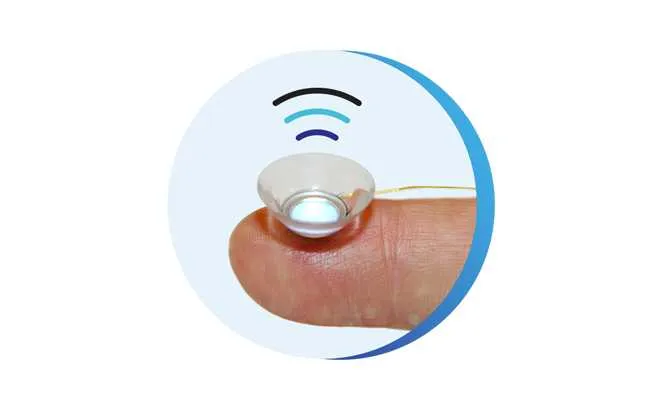
Our Specialty Contact Lens divison develops innovative lens-based therapies for corneal and ocular surface disease. We conducted the first pilot study of a novel ultraviolet (UV) light–emitting cross-linking contact lens for keratoconus, introducing a new approach that combines therapeutic intervention with lens-based delivery. Further research explores intracorneal ring segments for keratoconus, scleral lenses for correcting irregular astigmatism and long-term outcomes of specialty lens management. Through this work, we are advancing the future of specialty contact lens care while expanding treatment options for patients with complex corneal and ocular surface disease.
Video could not be played
The Latest Research
Stay up to date on the latest research news and advances in ophthalmology at Montefiore Einstein Ophthalmology and Visual Sciences.
Video could not be played
Video could not be played
Video could not be played
Highlights