


Un legado de liderazgo e innovación en oftalmología.
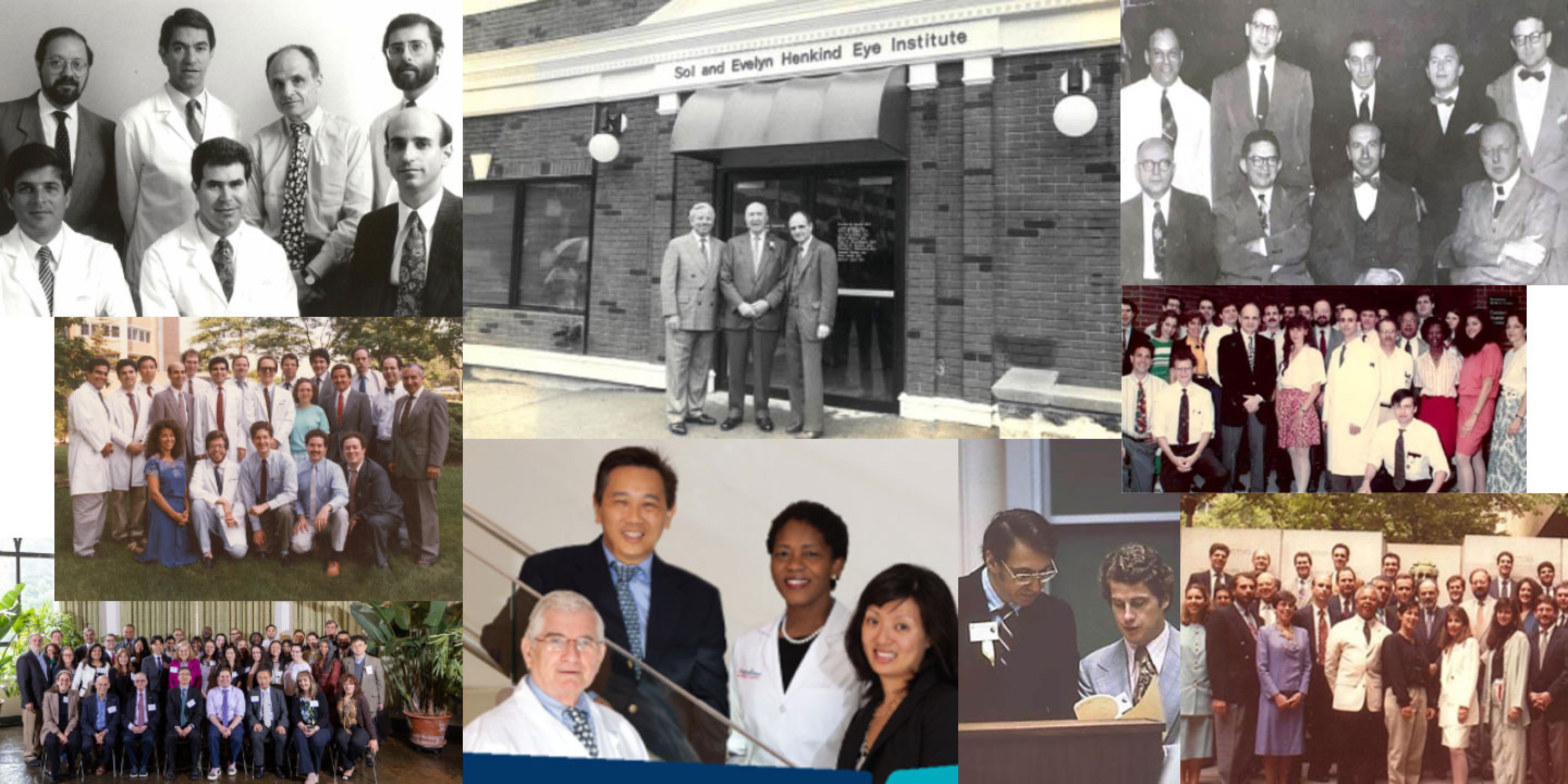
El Departamento de Oftalmología y Ciencias Visuales de Montefiore Einstein cuenta con una distinguida trayectoria marcada por un liderazgo visionario, excelencia académica, innovación y contribuciones pioneras al campo de la oftalmología. La tradición de atención centrada en el paciente de Montefiore Einstein comenzó en 1884, cuando un grupo de filántropos neoyorquinos quiso homenajear a Sir Moses Montefiore, uno de los líderes empresariales, activistas y filántropos más reconocidos de su época, en su centenario. El Hogar Montefiore para Inválidos Crónicos, fundado como hospital benéfico para el cuidado de pacientes con enfermedades incurables, se creó con la misión de la compasión y la inclusión, acogiendo a todos los necesitados, incluidos aquellos a quienes se les negaba atención en otros lugares.
Bajo la presidencia inaugural del Dr. Samuel Gartner, a partir de finales de la década de 1930, el Departamento de Oftalmología del Hospital Montefiore se consolidó como un referente de excelencia clínica, rigor académico e investigación científica. Basándose en décadas de servicio e investigación oftalmológica en la institución, la gestión del Dr. Gartner sentó las bases de un programa profundamente comprometido con el avance tanto de la atención al paciente como de la investigación. El Albert Einstein College of Medicine abrió sus puertas en 1955 y desde entonces se ha convertido en un referente en educación e investigación médica. En 1958, el Dr. Max Chamlin fundó el Departamento de Oftalmología del Albert Einstein College of Medicine y lo presidió, marcando el inicio de la era moderna de liderazgo académico y clínico del Departamento.
Los Departamentos de Oftalmología de ambas instituciones se unificaron formalmente en 1969, con el nombramiento del Dr. Paul Henkind como Profesor Frances DeJur y Director del Departamento de Oftalmología. Reconocido internacionalmente como una autoridad en enfermedades vasculares de la retina, el Dr. Henkind amplió la visión del Departamento mediante investigaciones pioneras, extensas contribuciones académicas al campo y su liderazgo en las comunidades oftalmológicas nacionales e internacionales. Bajo su dirección, la reputación del Departamento creció significativamente, especialmente en el estudio y tratamiento de enfermedades vasculares y degenerativas de la retina.
El impacto del Dr. Henkind trascendió con creces la institución. Fue editor fundador de varias revistas oftalmológicas, una figura clave en la Academia Estadounidense de Oftalmología, miembro de la Asociación para la Investigación en Oftalmología (actualmente Asociación para la Investigación en Visión y Oftalmología, ARVO), presidió el Comité de Investigación de la Sociedad de la Mácula y cofundó el Club de Fluoresceína en Nueva York. Su legado perdurable se honra anualmente mediante la Conferencia en Memoria de Paul Henkind en la Sociedad de la Mácula, que reconoce las contribuciones excepcionales a la investigación de la retina a nivel mundial, así como mediante el Día de Paul Henkind, un simposio anual del Departamento dedicado a promover el conocimiento de la investigación actual y los avances clínicos en afecciones oftalmológicas comunes. Aunque el Dr. Henkind falleció en 1986, su familia sigue profundamente involucrada en actividades filantrópicas que continúan fortaleciendo y manteniendo el Departamento que él ayudó a moldear.
Partiendo de este legado, el Dr. Ronald M. Bürde fue jefe del Departamento de Oftalmología desde 1988 hasta 2000, dirigiendo el departamento durante un período de importante crecimiento y modernización, e impulsando el campo de la neurooftalmología. Igualmente comprometido con la formación de los residentes, se aseguró de que adquirieran tanto la pericia técnica de médicos expertos como la humanidad esencial para una atención compasiva. El liderazgo académico del Dr. Bürde se extendió al ámbito nacional, al ser editor del Journal of Neuro-Ophthalmology desde 1994 hasta 2001. En 2001, la creación de la Cátedra Branna e Irving Sisenwein de Oftalmología fortaleció aún más su misión académica y su liderazgo a largo plazo en el campo.
Entre 2000 y 2007, el Dr. Harry M. Engel, reconocido especialista en retina, docente y director de operaciones clínicas, ocupó el cargo de presidente interino. De 2007 a 2009, la Dra. Assumpta A. Madu, especialista en glaucoma, se desempeñó como directora de operaciones clínicas, lo que contribuyó a consolidar la reputación del departamento en cuanto a la alta calidad de la atención al paciente y la colaboración académica.
Desde 2009, el Dr. Roy S. Chuck, MD, PhD, ha ocupado la Cátedra Paul Henkind, marcando el inicio de una nueva era definida por la innovación científica, la atención integral al paciente y el liderazgo nacional e internacional en investigación y educación oftalmológica. Desde finales del siglo XIX, Montefiore Einstein ha sido reconocido por su servicio e investigación oftalmológica, evolucionando con el tiempo hasta convertirse en uno de los principales centros médicos académicos del país, dedicado a brindar una atención excepcional a toda persona que la necesite. Bajo la dirección del Dr. Chuck, el Departamento de Oftalmología y Ciencias Visuales continúa honrando la visión de sus anteriores catedráticos y líderes, al tiempo que impulsa los avances en el descubrimiento, la educación y la excelencia clínica en oftalmología.