


Program Overview
We view the internship year as a special and pivotal time in a graduate student’s career and pride ourselves in being able to offer a rigorous and stimulating training program that allows students from the full range of graduate programs to further develop their professional competencies in health service psychology and to prepare them to function autonomously in a wide variety of settings.
One of the great strengths of the Psychology Internship Training Program at Montefiore Einstein is our ability to offer four different specializations: adult, child and adolescent, combined and neuropsychology. While each track has its own goals, objectives and core major rotations (see below), all four are guided by a singular overarching philosophy: that the program should provide interns with a broad set of high-quality clinical experiences designed to strengthen the profession-wide competencies identified by the American Psychological Association (APA). Our program’s process is sequential, cumulative and of graded complexity. It can be customized using a wide variety of clinical electives to fit the unique backgrounds, experiences, evolving interests and training goals of each intern.
Although we are primarily a clinical site, our program ensures that the internship year provides opportunities for interns to demonstrate the ability to critically evaluate and disseminate research (another APA profession-wide competency) or other scholarly activities independently. As such, the Psychology Internship Training Program requires interns in all four specializations to pair up with a faculty mentor who is either conducting research or can assist them in making a scientific contribution to the field through a scholarly project (e.g. an invited article or chapter, conference submission, etc.). This scholarly project is frequently focused on applied clinical research pertaining to the disadvantaged and culturally diverse population we serve, which leads to enhanced learning of the impact that issues of diversity and social determinants of health may play on the implementation of evidence-based treatments, as well as of the unique clinical challenges and needs faced by patients in the Bronx.
In addition, interns in all four specializations complete their core clinical rotations and research projects, often with one or two additional clinical electives, in a variety of settings in the Montefiore Einstein system. Interns further their learning through the observation of and collaboration with medical professionals in other disciplines (e.g. transplant, sleep medicine, behavioral health integration, etc.) for the collective benefit of the intern, the institution and the patients we serve. Interns in all four specializations also have access to the same clinical faculty and share many of the same academic activities throughout the year. Frequently, the order and length of many of these rotations are adjusted to create a customized internship experience that fits the unique needs of each intern while balancing the needs of each cohort. Our interns benefit and receive support from both the faculty and the interns in the other specializations. As a result, our interns graduate with high confidence in their ability to function independently as health service psychologists and with an established professional network of peers and colleagues.
Please note that candidates may only apply to only one specialization.
Adult Specialization (Four Positions–Moses Campus)
The goal of the adult specialization track is to build profession-wide competencies (i.e. research; ethical and legal standards; individual and cultural diversity; professional values, attitudes and behaviors; communications and interpersonal skills; assessment; intervention; supervision, consultation and interprofessional/interdisciplinary skills) in interns who wish to work primarily with a diverse range of adult patients who are economically challenged and often have comorbid medical and/or addictive disorders.
Interns in the adult specialization have opportunities to work with adult patients who present with the full array of psychiatric disorders individually and in group settings. They use various approaches and interventions in several roles, working in outpatient and inpatient settings (emergency room, psychiatry consultation-liaison service and transplant psychology service).
Interns in the adult specialization track typically spend six months full-time in the Adult Outpatient Psychiatry Division and then split the remaining six months between the Psychiatry Consultation Liaison Service, Montefiore Einstein Center for Transplantation’s Transplant Psychology Service and the Psychiatric Observation Suite. Interns also have protected time for developing and carrying out a scholarly project, typically two to three hours per week throughout the six to 12 months of the internship. Adult track interns interested in working with inpatient populations can also elect to rotate through our 22-bed adult acute psychiatric unit (Klau 2) within the main medical center.
Dr. Rachel Held, Associate Director of Psychology Training (center), with 2024 adult specialization graduates, Drs. Ellora Vilkin, Danielle Esses, Maya Nauphal and Qurat-ul-ain Gulamhussein at the New York Botanical Garden in the Bronx, New York City.
Thus, the “standard package” of core clinical rotations for our adult specialization consists of:
The Adult Outpatient Psychiatry Division for our adult specialization track is an Article 31 Clinic located on the ground floor of the Klau Pavilion on the Moses Campus. The Moses AOPD serves a heterogeneous group of approximately 17,500 patients (about the seating capacity of Madison Square Garden), representing 25,000 visits per year. Patients are seen in individual and group or family therapy settings, and many receive psychopharmacologic treatment as well. There is no single therapeutic approach or orientation in the AOPD since different clinical supervisors (including off-service supervisors) may recommend different therapeutic approaches. We assign interns to a variety of supervisors so that they may be exposed to a range of therapeutic approaches. All interns are assigned to a treatment team led by an attending psychiatrist, attending psychologist, social workers and psychiatry residents. Each intern in the AOPD will be given office space with a computer, internet access, a phone line with an extension and a hospital email.
Interns in the AOPD rotation see a full caseload of patients (approximately 16 visits per week if not adding any electives) as well as one group. The AOPD is licensed as a telehealth provider so that interns will get experience conducting telehealth and traditional in-person visits. While several of these cases may be transferred to the intern from a previous intern, interns will also be assigned to an intake clinic to build and maintain their caseloads. Interns are expected to complete five initial diagnostic evaluations, one of which will be an evaluation for gender-affirming medical procedures for transgender and gender nonbinary patients. In addition, they will complete one neuropsychological testing case. Interns are also required to attend a weekly case conference (with the psychiatry residents) and present at least one case (including the write-up) at one of the weekly case conference meetings. Interns must attend a TGNB consultation meeting weekly for 2-3 months and choose to be either a DBT or THRIVE consultation team member.
Interns in the adult specialization also carry two adult outpatients during the six months they are not in the AOPD. This allows the interns to see at least two patients for longer-term therapy (i.e. for the duration of the 12-month internship). In addition, as previously noted, interns in the adult specialization may adjust the length and/or intensity of any of the above rotations or choose to add electives for up to one day per week for up to eight months of the year.
When patients apply for treatment in the AOPD, their initial appointment is considered the intake, and an initial evaluation and treatment plan are completed. Most patients are covered by insurance (such as Medicaid and Medicare). A few patients pay a sliding scale fee ranging from approximately $30 to $160 per visit.
Dr. Rachel Held serves as the adult specialization’s AOPD Lead Psychologist and Associate Director. In this role, she oversees the assignment of all patients, maintains the intern’s full patient load, arranges for case transfer and disposition, and is the point person for interns regarding their scheduling and rotations. Dr. Shahab Motamedinia serves as a Senior Psychologist in the AOPD and is also an important resource to interns. In addition to Drs. Held and Motamedinia, there are six attending psychologists in the AOPD who are involved in intern training and supervision and are available for urgent consultations as the need arises.
The Adult DBT Program at the Moses Campus is a specialty program housed in the AOPD that provides DBT for adults with behavioral and affect dysregulation. Dr. Denise Guarino serves as Director of the program. Individuals participating in the program may be diagnosed with a range of disorders, including mood and anxiety disorders, trauma and stress-related disorders and substance-use disorders. Interns interested in DBT will co-lead a DBT skills group, participate in weekly DBT consultation team meetings, and serve as the primary therapist for one or more DBT cases.
THRIVE is a specialty clinic housed within the Moses AOPD, dedicated to providing evidence-based therapy for trauma-related disorders. Dr. Held serves as the Director of THRIVE, where interns learn to conduct a comprehensive trauma assessment and make stage-based, individualized treatment recommendations.
Interns will serve as the primary therapists for individuals who are experiencing trauma-related stress, including post-traumatic stress disorder (PTSD), complex trauma, racism-related stress and trauma, traumatic stress related to gender expression and traumatic bereavement. Interns have the opportunity to implement evidence-based trauma treatments, including cognitive processing (CPT), skills training in affective and interpersonal regulation plus modified prolonged exposure (STAIR/MPE), prolonged exposure (PE), and Written Exposure Therapy (WET). Interested interns can also attend a weekly THRIVE consultation team.
The Psychiatric Observation Suite is a five-bed unit within the Emergency Department (ED) psychiatric emergency room at the Moses Campus. It constantly ranks as one of the country’s busiest EDs and is one of the most visited in the state of New York. Patients are seen either in the POS or as a medical or pediatric ER psychiatry consult. Most patients who are acutely ill are seen for immediate evaluation, crisis intervention and disposition. The length of stay in the ED largely depends on bed availability for admission, which could be a few hours or several days. As such, interns learn to diagnose patients quickly, make triage and referral decisions, perform suicide and violence potential assessments and conduct crisis interventions.
The POS medical director, Dr. Rebecca Klein, assigns patients to interns, who are supervised closely by Dr. Klein, the other attending psychiatrists, and Dr. Kahlil DuPerry, a licensed psychologist. Interns also collaborate closely with the Chief Resident, nurses and social workers and attend rounds and didactic meetings. They will also have the opportunity to provide formal and informal psychological consultation.
The Moses Psychiatry Consultation/Liaison (C/L) Service rotation provides psychiatric consultation services in one of the largest teaching hospitals and public safety-net medical centers in New York City. Given the diversity of treatment units covered, a full range of medical and psychiatric issues are encountered in this fast-paced service, and interns are exposed to the wide range of cultures and international communities in our patient population. Thus, interns are required to incorporate diversity and cultural awareness throughout all aspects of service delivery. The C/L service allows the interns to collaborate with a vast array of hospital-based medical teams and enhance their skills in managing and treating medically and/or psychiatrically compromised patients. Psychological consultation may be requested for a number of concerns, including pre-existing psychiatric issues, current illness-related distress, wide-ranging adjustment issues, behavioral management strategies, poor adherence to treatment and addressing capacity issues to provide informed consent and/or clearance for hospital discharge.
Psychology interns will learn how to conduct rapid assessment of medically compromised patients—the ability to render a diagnosis and provide brief bedside evidenced-based treatment in medical areas that require rapid decision-making and follow-up. The rotation also provides learning and exposure to multiple health psychology and behavioral medicine training opportunities within a medical inpatient setting. Psychologist Dr. Katie Console and the attending psychiatrists supervise interns in their clinical evaluation of patients and in their consultative role with other providers. This service also provides learning opportunities alongside medical students, psychiatry residents and C/L fellows.
The Montefiore Einstein Center for Transplantation is a Center of Excellence in kidney and liver transplantation. We pride ourselves in providing state-of-the-art multidisciplinary care for patients undergoing kidney, pancreas and liver transplantation, as well as kidney and liver living donation. The psychology and psychiatry services are fully integrated into the transplant program and highly regarded across disciplines.
Interns will work within the transplant team to assess patients for psychological contraindications to liver and kidney transplantation and living donation, as well as provide inpatient assessment and therapy for patients hospitalized post-transplant and presenting with a variety of psychological concerns, including alcohol/substance use disorders, depression and anxiety. Interventions used with transplant patients are based on CBT, motivational interviewing and mindfulness.
Interns will collaborate closely with multidisciplinary team members, including surgeons, hepatologists, nephrologists, social workers and nurses, to provide high-quality integrated care for transplant recipients and living donors. There are opportunities to participate in multidisciplinary team meetings with the transplant team. Clinical supervision and consultation will be provided by Drs. Teh, Cho and Spyrou.
All interns must participate in research and will have protected research time. While this can be configured in a number of different ways, most interns choose to protect two to three hours per week over the course of six to 12 months for their research time.
The psychology faculty members at Montefiore Einstein are currently involved in research in a number of different areas, including anxiety and depression, personality disorders, behavioral health services utilization, psychological assessment, cognitive behavior therapy (CBT), dialectical behavior therapy (DBT), adolescent suicide and eating disorders. Interns may select a faculty member from our research mentor list or request an alternate mentor (e.g. a professor from the intern’s graduate institution) with whom the intern has already formed or would like to form a mentor-mentee relationship.
Research mentors provide regular supervision during the research rotation. Mentors may help the intern develop and conduct a new project or may have an existing project to which the intern can contribute in a significant way. Examples of scholarly projects include hypothesis-driven studies, descriptive studies (e.g. chart reviews and questionnaire administration), secondary analyses of existing data sets and literature reviews. Surveys, quality improvement (QI) projects or program design, implementation and evaluation projects that benefit our patients or services will also be considered. Regardless of the type of project, the intern must take significant ownership of its content, leading to a “deliverable" (e.g. a manuscript suitable for journal submission or an abstract suitable for conference submission) at the local (including the host institution), regional or national level by the end of the internship year. A research mentor-mentee contract is completed and signed, ideally by the end of the first month of the training year, and the mentee provides quarterly progress reports and a project summary by the end of the training year. Interns are also encouraged to present their work during the department’s annual “PRIME Research Day,” which takes place in May each year.
Click here to view a weekly schedule of one of our previous adult track interns
Child & Adolescent Specialization (Two Positions–Moses Campus)
The child and adolescent specialization aims for interns to build profession-wide competencies for a diverse range of under-resourced children, adolescents, emerging adults and their families. Our patients present with a full array of psychiatric disorders and are treated in an outpatient setting, individually and in groups. Interns will have the opportunity to work with youth individually, with caregivers and families, and in group formats. Modalities include a variety of evidence-based short- and long-term psychotherapies, including cognitive behavioral therapy (CBT) for youth with anxiety, trauma and mood disorders, dialectical behavior therapy (DBT) for self-harming and suicidal adolescents and behavioral (e.g. parent management training) interventions for externalizing disorders. Interns will learn how to liaise with schools, foster care agencies, the Committee on Special Education and other relevant community-based organizations in the area. Interns will also engage in community partnerships (e.g. Project Bravo Food Pantry, Bronx Community Speakers Bureau) and interface with advocacy agencies (e.g. Bronx Defenders).
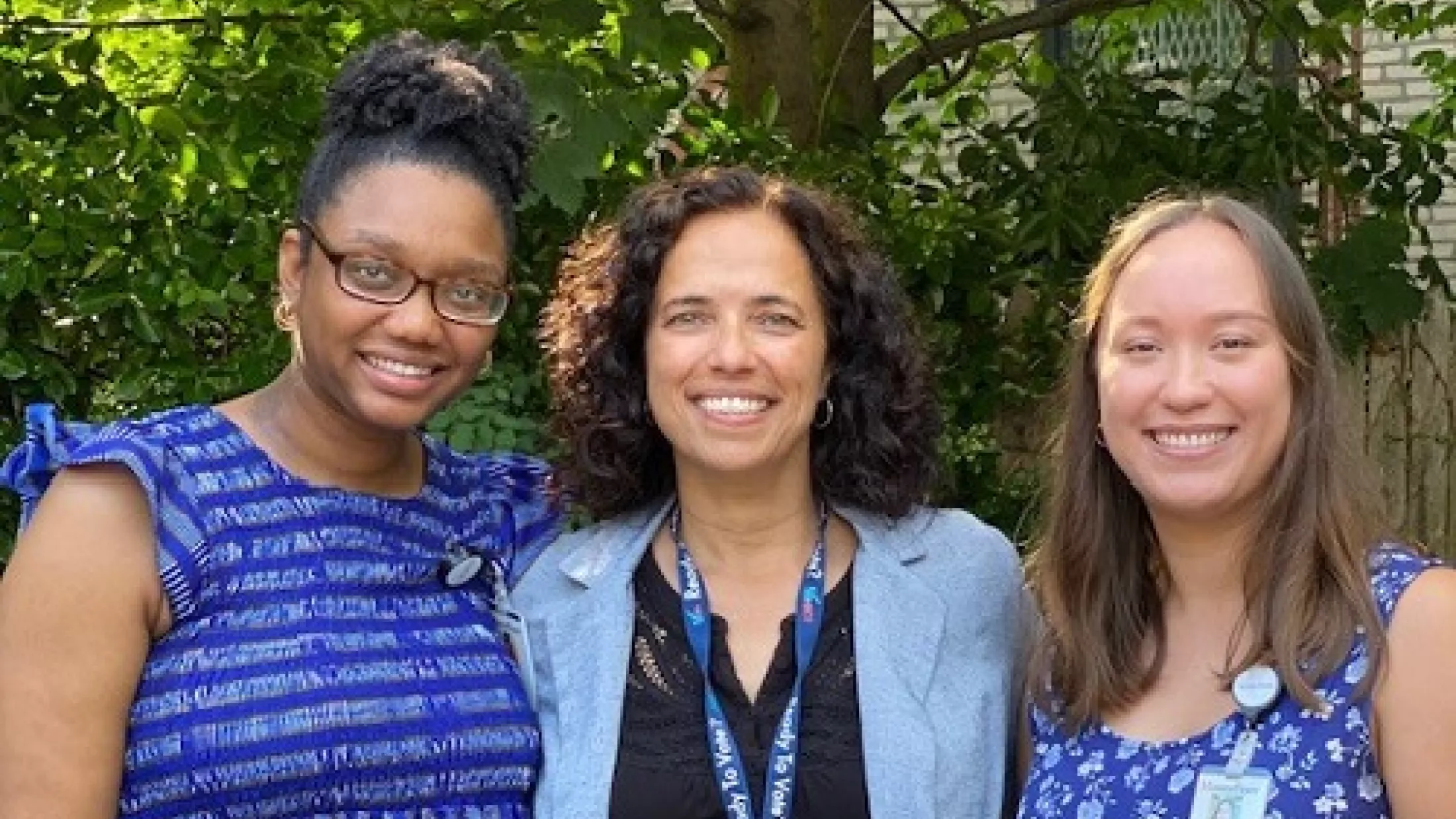
Dr. Sandra Pimentel, Associate Director of Psychology Training, with 2022 child and adolescent specialization graduates, Drs. Shaneze Gayle Smith and Maria Alba in the Moses COPD backyard, Bronx, New York.
Interns can also receive training in our Arts and Integrated Medicine (AIM) Youth Empowerment Series and the Eating Disorders Program at Montefiore (EDPM). To achieve the program goals, interns in the child and adolescent specialization complete core rotations simultaneously throughout the year in the Child Outpatient Psychiatry Division (COPD) on the Moses Campus.
The Child Outpatient Psychiatry Division (COPD) is a community clinic licensed by the New York State Office of Mental Health, providing services to a heterogeneous group of children and adolescent patients (between the ages of 4 and 21) with diagnoses ranging from disruptive behavior disorders, anxiety and depressive disorders and psychotic disorders to adjustment disorders and learning disabilities. Interns in the COPD will serve as primary therapists for individual and family cases (patients will be assigned across all ages and diagnoses), co-therapists for group therapy and conduct evaluations of children, adolescents and emerging adults.
During this rotation, interns receive intensive training and supervision in CBT, DBT, family therapy, psychodynamic psychotherapy, and group therapy. They have the opportunity to co-lead youth and parent groups. Interns also learn to liaise with schools, foster care agencies, the Committee on Special Education and other relevant organizations.
The Anxiety and Mood Program (AMP) at Montefiore Einstein’s Moses Child Outpatient Psychiatry Division offers evidence-based interventions for children, adolescents and emerging adults with primary and comorbid anxiety, mood and related disorders. AMP serves children and adolescents between the ages of 4 and 21 and families from the surrounding Bronx community. Interns will learn to conduct comprehensive intake assessments (e.g. ADIS). They will serve as primary therapists for youth experiencing anxiety (e.g. social anxiety disorder, generalized anxiety, separation anxiety disorder, panic disorder, phobias, Obsessive-compulsive disorder—OCD, PTSD), depression, tics, trichotillomania and related concerns.
During this rotation, interns will provide individual and family-based cognitive behavioral treatments (e.g. coping cat, exposure/response prevention, trauma-focused CBT, comprehensive behavioral intervention for tics and parent management training). They will co-lead CBT groups for socially anxious adolescents and participate in multidisciplinary team rounds. Interns also collaborate with teachers, school personnel, pediatricians or other providers who may be involved in the child or teen’s care. Interns also have the opportunity to participate in academic activities, including authoring articles, presenting at conferences, conducting research and leading workshops at local schools regarding youth anxiety, depression and related topics.
The DBT-A Program is a specialty outpatient service within the Anxiety and Mood Program that serves suicidal and emotionally dysregulated teens (between the ages of 13 and 18) and their families. Many of these youth have experienced trauma and have comorbid anxiety and substance-related, personality and disruptive behavior disorders.
During this rotation, interns learn adherent DBT-A in their role as primary therapists for individual patients and co-leaders for multi-family skills groups. They also learn crisis intervention skills and assessment for borderline personality disorder (BPD) diagnosis and features. Some patients receive concomitant psycho-pharmacological treatment.
The Eating Disorders Program at Montefiore Einstein is a multidisciplinary outpatient program in the Moses COPD and the Department of Adolescent Medicine at the Children’s Hospital at Montefiore (CHAM). This service provides evidence-based care for children and adolescents presenting with anorexia, bulimia, avoidant-restrictive food intake disorder and other eating disorders.
During this rotation, interns serve as individual and family therapists using Family Based Treatment (FBT) and CBT interventions for eating disorders, including DBT. Interns may collaborate closely with the multidisciplinary team, including the physician, psychiatrist, social worker and dietician. During the year, interns will conduct assessments specific to eating disorders and have the option to carry an eating disorder case. Opportunities to participate in the inpatient medical stabilization service may also be possible.
Arts and Integrative Medicine (AIM) in Psychiatry provides programming that integrates evidence-based and evidence-informed arts interventions, community and environmental engagement, mindfulness practice and technology as part of a patient’s comprehensive mental health treatment plan. AIM encompasses programming that incorporates the arts (dance, visual arts, improvisational theater), yoga and gardening.
Over the year, interns will have the opportunity to participate in varied capacities (e.g. co-lead, volunteer, clinical observation if their patients are participants) of AIM programming, including the Youth Empowerment Series (YES) Art Gallery, YES Garden Project, HearYourSong, Multigenerational Crochet Group and Behavior Regulation Movement Groups performances.
The Child and Adolescent Assessment Service within the COPD helps interns develop proficiency in comprehensive child/adolescent psychological and diagnostic assessment. At a minimum, interns administer five comprehensive diagnostic evaluation assessments during the year, with more available for those interested in developing special expertise. Referral questions typically cover a wide range of diagnoses and presentations and often include making differential diagnoses and assessing the need for medication.
Interns will also complete two full neuropsychological assessments evaluating the presence of neuropsychological deficits and learning issues. Supervision highlights the impact of health disparities, race-based trauma, cultural differences and bilingualism and employs a developmental framework.
The Becoming an Emerging Adult at Montefiore (BEAM) Program is a multisite specialty program that offers developmentally informed, evidence-based interventions for emerging adults presenting with a wide range of concerns. The program aims to offer assessment, treatment, consultation, education and training to improve our ability to meet the needs of emerging adults as they present to and transition among clinics across our health system. We work across our medical system in partnership with Moses AOPD and Wakefield COPD and AOPD.
Interns will have the opportunity to provide assessment, intervention and transition services to these emerging adults and their families. Interns will also have the opportunity to co-lead a college readiness group that aims to prepare our college-bound patients. Interns will have the opportunity to participate in scholarly activities, including authoring articles, leading staff training sessions throughout the hospital and presenting at conferences.
All interns in the child and adolescent specialization must participate in research and will have protected research time. While this can be configured in a number of different ways, most interns choose to protect two to three hours per week over the course of six to 12 months for their research time. The psychology faculty at Montefiore Einstein is currently involved in research in a number of different areas, including anxiety and depression, personality disorders, behavioral health services utilization, psychological assessment, CBT, DBT, adolescent suicide and eating disorders.
Interns may select a faculty member from our research mentor list or request an alternate mentor (e.g. a professor from the intern’s graduate institution) with whom the intern has already formed or would like to form a mentor-mentee relationship. Research mentors provide a minimum of one hour per week of supervision to the intern during the research rotation. Mentors may help the intern develop and carry out a new project or may have an existing project to which the intern can contribute in a substantial way. Examples of scholarly projects include hypothesis-driven studies, descriptive studies (e.g. chart reviews, questionnaire administration), secondary analyses of existing data sets and literature reviews. Surveys, QI projects, program design, implementation and evaluation projects that benefit our patients or services will also be considered. Regardless of the type of project, the intern is expected to take ownership of a significant aspect of the research and final submission. It should lead to a “deliverable" (e.g. a manuscript suitable for journal submission or an abstract suitable for conference submission) at the local (including the host institution), regional or national level by the end of the internship year.
A research mentor-mentee contract is completed and signed, ideally by the end of the first month of the training year, and the mentee provides quarterly progress reports and a project summary by the end of the training year. Interns are also encouraged to present their work during the department’s annual “PRIME Research Day,” which takes place in May each year.
Click here to view a weekly schedule of one of our previous child and adolescent track interns
Combined Specialization (Two Positions–Wakefield Campus)
The goal of the combined specialization is for interns to develop profession-wide competencies (i.e. research; ethical and legal standards; individual and cultural diversity; professional values, attitudes and behaviors; communications and interpersonal skills; assessment; intervention, supervision, consultation and interprofessional/interdisciplinary skills). This track is ideal for interns who want to work primarily in an outpatient clinical setting with an ethnoracially diverse, financially vulnerable patient population across the entire lifespan.
To achieve this goal, interns in the combined specialization have opportunities to focus intensely on outpatient psychotherapy delivered individually and in group settings, using a variety of approaches and techniques, including mentalization-based therapy, DBT, psychodynamic therapy, CBT, and Acceptance and Commitment Therapy (ACT). Throughout the year, interns work with children, adolescents, emerging adults, families, as well as adults presenting with a wide range of psychiatric disorders.
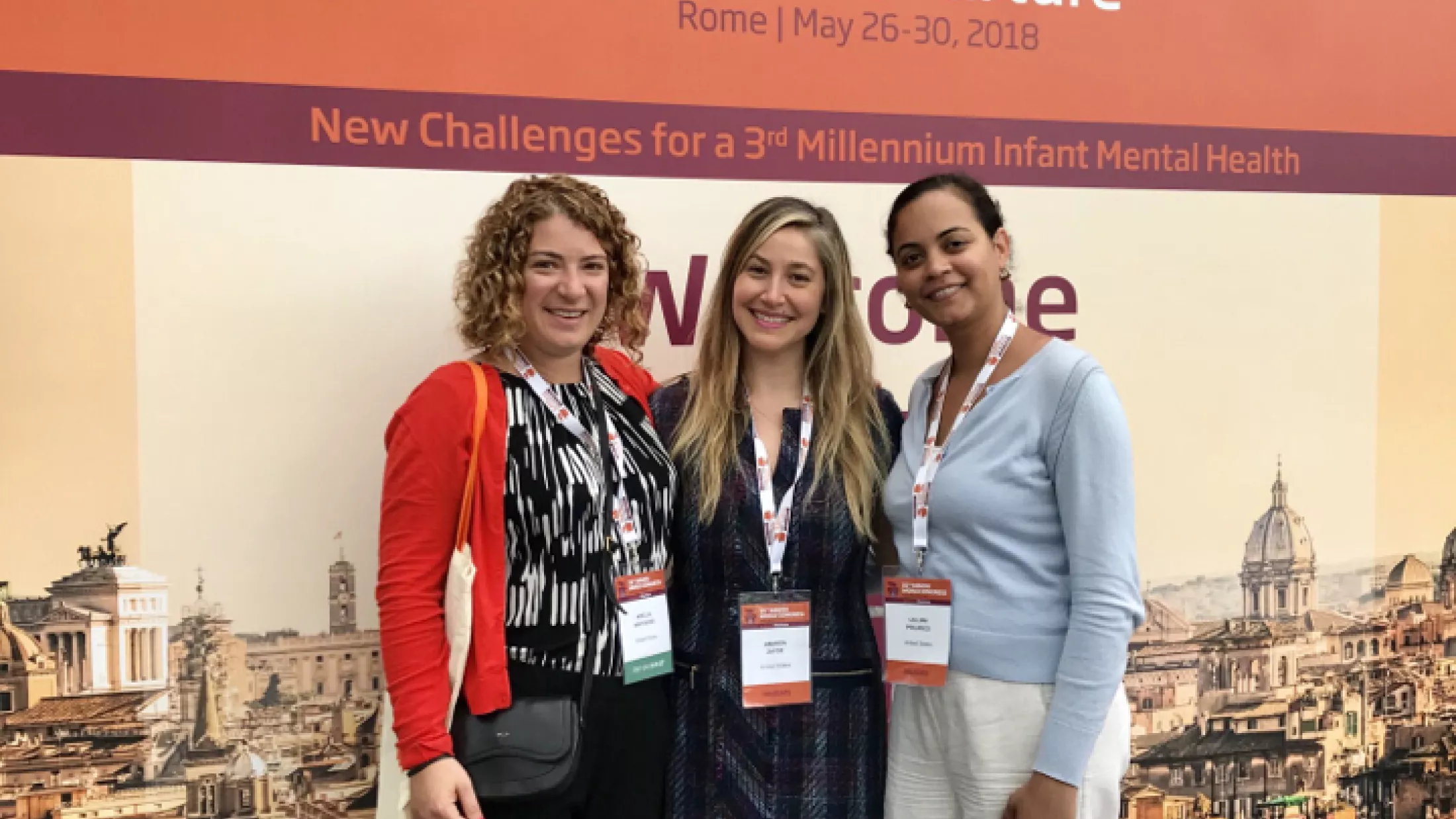
Dr. Amanda Zayde, Associate Director of Psychology Training, with combined specialization graduates, Drs. Adella Nikitiades and Lillian Polanco at the 16th World Association for Infant Mental Health Conference in Rome, Italy.
Within this specialization, interns learn how to liaise with schools, foster care agencies, the Committee on Special Education and other relevant local organizations as part of their work with child and adolescent cases. Interns are invited to participate in research conducted in the Connecting and Reflecting Experience (CARE). Interns in the combined specialization complete the following core rotations simultaneously throughout the year (i.e. during the week, interns provide services to both programs):
The AOPD for our combined specialization is located in the Farrand Building on Montefiore Einstein’s Wakefield Campus. It serves a heterogeneous group of approximately 1,500 adult outpatients who present with a variety of psychiatric disorders, including mood and anxiety disorders, personality disorders and psychotic disorders. Patients are seen in individual and/or group therapy settings, and many receive psychopharmacologic treatment and/or have comorbid substance use disorder issues.
Interns are responsible for all phases of outpatient psychiatric care, including structured diagnostic intake evaluations, treatment planning and the provision of psychotherapy—which includes “sharing care” with psychiatrists who are prescribing medications (when necessary). Interns in the AOPD rotation will typically see approximately four adult outpatients for weekly appointments, co-lead a DBT skills group, participate in weekly DBT consultation team meetings for six months and administer psychological testing for patients in the AOPD (as needed) as well as patients on the adult inpatient unit (as requested).
Interns in the combined track will treat patients in the AOPD for the entire year while simultaneously seeing patients in the Child Outpatient Psychiatry Department (see below). Interns receive comprehensive, one-on-one supervision from licensed psychologists with attachment focused/mentalization-based, CBT, DBT, psychodynamic, Commitment Therapy, Acceptance and integrative perspectives. Interns may request supervisors with expertise in a specific theoretical orientation. In addition, interns are assigned to a variety of supervisors, so they are exposed to a range of therapeutic approaches. Interns attend a weekly staff meeting (which often includes an educational component or a case conference). They are assigned to a multidisciplinary treatment team led by an attending psychiatrist, an attending psychologist and social workers.
The Adult Dialectical Behavior Therapy (DBT) Program at Montefiore Einstein’s Wakefield Campus is a specialty program providing DBT for adults with behavioral and affect dysregulation. Patients enrolled in the program may be diagnosed with a range of disorders, including mood and anxiety disorders, trauma and stress-related disorders and/or substance use disorders. During this rotation, interns will co-lead a DBT skills group with Dr. Wendy Fuller and participate in weekly DBT consultation team meetings. Interns may also serve as the primary therapist for a DBT case.
The Child Outpatient Psychiatry Division (COPD) for our combined specialization is located in the Farrand Building on Montefiore Einstein’s Wakefield Campus. COPD treats a heterogeneous group of approximately 250 children, adolescents and emerging adults (between the ages of 4 and 21) with diagnoses ranging from disruptive behavior disorders (e.g. ADHD, ODD, CD), anxiety, adjustment and mood disorders, complex trauma, personality disorders and psychotic disorders to learning disabilities.
Interns will conduct intake evaluations of children, adolescents and emerging adults and administer psychoeducational assessments to patients as needed. Interns in the combined track will treat patients in the COPD for the entire year while simultaneously seeing patients in the Adult Outpatient Psychiatry Department (see above). Interns in the COPD will serve as the primary therapists for individual and family cases (patients will be assigned across all ages and diagnoses). During this rotation, interns will co-lead a CARE mentalizing-focused parenting group with Dr. Amanda Zayde.
Interns will receive comprehensive training and supervision from licensed psychologists with expertise in psychodynamic psychotherapy, family therapy, CBT, DBT, mentalization-based therapy, play therapy, group therapy and parent management training. Interns will be assigned to a variety of supervisors so that they may be exposed to a range of therapeutic approaches. Interns also learn to consult with schools (e.g. review Individualized Education Programs to ensure the patient has appropriate academic accommodations at school), foster care agencies, the Committee on Special Education and other relevant organizations. They are assigned to a multidisciplinary treatment team with attending psychiatrists, attending psychologists, social workers, creative arts therapists and a postdoctoral fellow.
Connecting and Reflecting Experience (CARE) is a multi-site, innovative specialty program that offers a mentalizing-focused group intervention to ethno-racially diverse parents and other primary caregivers who experience parent-child relational stress. This bigenerational, transdiagnostic program integrates perspectives from attachment theory and developmental psychopathology and serves caregivers of children enrolled in outpatient services, typically ranging from ages 6 to 18, in addition to PMAD and emerging adult groups.
In initial studies, CARE has been found to reduce parenting stress, improve caregiver reflective functioning and strengthen youth-reported attachment security. Interns will be provided with specialized training in attachment theory, the mentalizing construct, and the facilitation of mentalizing-focused parenting interventions. Supervision is provided by Drs. Amanda Zayde and Olivia Derella. Interns also have the opportunity to contribute to treatment-outcome research conducted within the CARE program and run by Dr. Zayde.
The Becoming an Emerging Adult at Montefiore Program (BEAM) is a multi-site specialty program that offers developmentally informed, evidence-based interventions for emerging adults with a wide range of presenting concerns. The program offers assessment, treatment, consultation, education and training to improve our ability to meet the needs of emerging adults as they present to and transition among clinics across our health system. We work across our medical system in partnership with Moses AOPD and COPD and Wakefield AOPD.
Combined track interns will serve as the primary therapists for at least one emerging adult. They will receive specialized training in the unique developmental needs of emerging adults and learn how to adapt their treatment appropriately. Interns can opt to participate in scholarly activities, including authoring articles, leading staff training sessions throughout the health system and presenting at conferences.
All interns in the combined track must participate in research and will have protected research time. While this can be configured in a number of ways, most interns choose to protect two to three hours per week over the course of six to 12 months for their research time. The psychology faculty at Montefiore Einstein is currently involved in research in a number of different areas, including anxiety and depression, personality disorders, behavioral health services utilization, psychological assessment, mentalizing-focused therapy, CBT, DBT, parenting, adolescent suicide, and eating disorders.
Interns may select a faculty member from our research mentor list or request an alternate mentor (e.g. a professor from the intern’s graduate institution) with whom the intern has already formed or would like to form a mentor-mentee relationship. Mentors meet regularly with the intern and may help the intern develop and conduct a new project or may have an existing project to which the intern can contribute in a significant way. Examples of scholarly projects include hypothesis-driven studies, descriptive studies (e.g. chart reviews, questionnaire administration), secondary analyses of existing data sets and literature reviews. Surveys, QI projects, program design, implementation and evaluation projects that benefit our patients or services will also be considered. Regardless of the type of project, the intern is expected to take ownership of a significant aspect of the research and final submission. It should lead to a “deliverable" (e.g. a manuscript suitable for journal submission or an abstract suitable for conference submission) at the local (including the host institution), regional or national level by the end of the internship year.
A research mentor-mentee contract is completed and signed, ideally by the end of the first month of the training year, and the mentee provides quarterly progress reports and a project summary by the end of the training year. Interns are also encouraged to present their work during the department’s annual “PRIME Research Day,” which takes place in May each year.
Neuropsychology Specialization (One Position–Moses Campus)
The neuropsychology specialization operates within the Neuropsychology Assessment Service (NAS), an outpatient assessment program in its own building on the Montefiore Einstein Moses Campus that sees approximately 450 patients annually. The goal of the neuropsychology specialization is to develop profession-wide competencies (i.e. research; ethical and legal standards; individual and cultural diversity; professional values, attitudes and behaviors; communication and interpersonal skills; assessment; intervention; supervision, consultation and interprofessional/interdisciplinary skills). This program is ideal for interns who want to work with a heterogeneous group of individuals across their lifespans using a variety of neuropsychological assessment approaches.
To achieve this goal, interns in the neuropsychology specialization are provided opportunities to work with a diverse range of children (ages 5 and up), adolescents, adults and older adults with a variety of medical, neurological or psychiatric conditions, including Alzheimer’s disease and other dementias; mild cognitive impairment; stroke; traumatic brain injury/concussion; Parkinson’s disease and other movement disorders; multiple sclerosis; epilepsy; anoxic brain injury; HIV-associated neurocognitive disorder; systemic lupus erythematosus (SLE); sickle cell disease; brain tumors and other types of cancers/treatments associated with cognitive changes (e.g. leukemia and breast cancer treatments), ruptured aneurysms/arteriovenous malformations, attention-deficit / hyperactivity disorder, and other specific learning disorders.
Dr. Bryan Freilich, Associate Director of Psychology Training with the 2024 neuropsychology specialization graduate, Dr. Catherine O’Brien at the New York Botanical Garden in the Bronx, New York City.
Interns will be part of a team that includes the four neuropsychology attendings, a post-doctoral fellow and four externs and will be responsible for all phases of outpatient neuropsychological care, including conducting intake interviews, administering, scoring and interpreting neuropsychological test batteries, report writing and conducting feedback sessions. Interns will also have the opportunity to supervise junior trainees.
Interns in the neuropsychology specialization complete the following core rotations throughout the year:
Interns will spend 75% of their direct patient care time in the Neuropsychology Assessment Service, where they will be responsible for seeing two neuropsychological assessment cases weekly throughout the year. Interns are supervised (individually and group) in all their activities. Our program uses a rotation system where interns switch between working with sets of different attendings every three months. Interns are also involved in performing baseline cognitive evaluations for the New York City Football Club of Major League Soccer and can potentially participate in post-concussion evaluations if interested.
For their remaining 25% direct patient care time, interns in the neuropsychological specialization will spend 12 months (one day each week) completing other electives within the Psychology Internship Training Program, including (but not limited to) the AOPD, the COPD, the Psychiatric Observation Suite (i.e. psychiatric emergency room), the Psychiatric Consultation Service and the Department of Rehabilitation Psychology and Neuropsychology at Burke Rehabilitation Hospital. Interns will receive individual supervision during these clinical rotations.
Click here for a full list of available electives
In addition to direct patient care, interns will participate in neuropsychology and hospital-wide didactics, including departmental Grand Rounds, the intern lecture curriculum, brain-cutting seminars and stroke, epilepsy and general neurology rounds.
All interns in the neuropsychology specialization must participate in research and will have protected research time. While this can be configured in a number of ways, most interns choose to protect two to three hours per week over the course of six to 12 months for their research time. The psychology faculty at Montefiore Einstein is currently involved in research in a number of different areas, including anxiety and depression, personality disorders, behavioral health services utilization, psychological assessment, mentalizing-focused therapy, CBT, DBT, parenting, adolescent suicide, and eating disorders. Interns may select a faculty member from our research mentor list or request an alternate mentor (e.g. a professor from the intern’s graduate institution) with whom the intern had already formed or would like to form a mentor-mentee relationship. Mentors meet regularly with the intern and may help the intern develop and conduct a new project or may have an existing project to which the intern can contribute in a significant way. Examples of scholarly projects include hypothesis-driven studies, descriptive studies (e.g. chart reviews, questionnaire administration) and secondary analyses of existing data sets and literature reviews. Surveys, QI projects, program design, implementation and evaluation projects that benefit our patients or services will also be considered. Regardless of the type of project, the intern is expected to take ownership of a significant aspect of the research and final submission. It should lead to a “deliverable" (e.g. a manuscript suitable for journal submission or an abstract suitable for conference submission) at the local (including the host institution), regional or national level by the end of the internship year. A research mentor-mentee contract is completed and signed, ideally by the end of the first month of the training year, and the mentee provides quarterly progress reports and a project summary by the end of the training year. Interns are also encouraged to present their work during the department’s annual PRIME Research Day,” which takes place in May each year.