


Nuestro enfoque con la uroginecología y la cirugía pélvica reconstructiva


El servicio de Uroginecología y Cirugía Pélvica Reconstructiva de Montefiore Einstein ofrece atención integral e individualizada a mujeres con un amplio espectro de trastornos del tracto urinario y del suelo pélvico. Nuestro reconocido equipo multidisciplinario de médicos está compuesto por urólogos y ginecólogos especializados que colaboran estrechamente con cirujanos colorrectales, gastroenterólogos, fisiatras y fisioterapeutas para prestar una gama completa de servicios diagnósticos y terapéuticos especializados para todos los trastornos del suelo pélvico. Desarrollamos planes de tratamiento individualizados utilizando los últimos métodos de diagnóstico y tratamientos para ayudar a restaurar la función sexual y urinaria, aliviar el dolor y mejorar la calidad de vida de cada paciente. Estamos dentro del 1 % de los mejores hospitales de EE. UU. en urología, según U.S. News & World Report. y somos un referente regional para los casos más complejos.
Diagnóstico y tratamientos avanzados
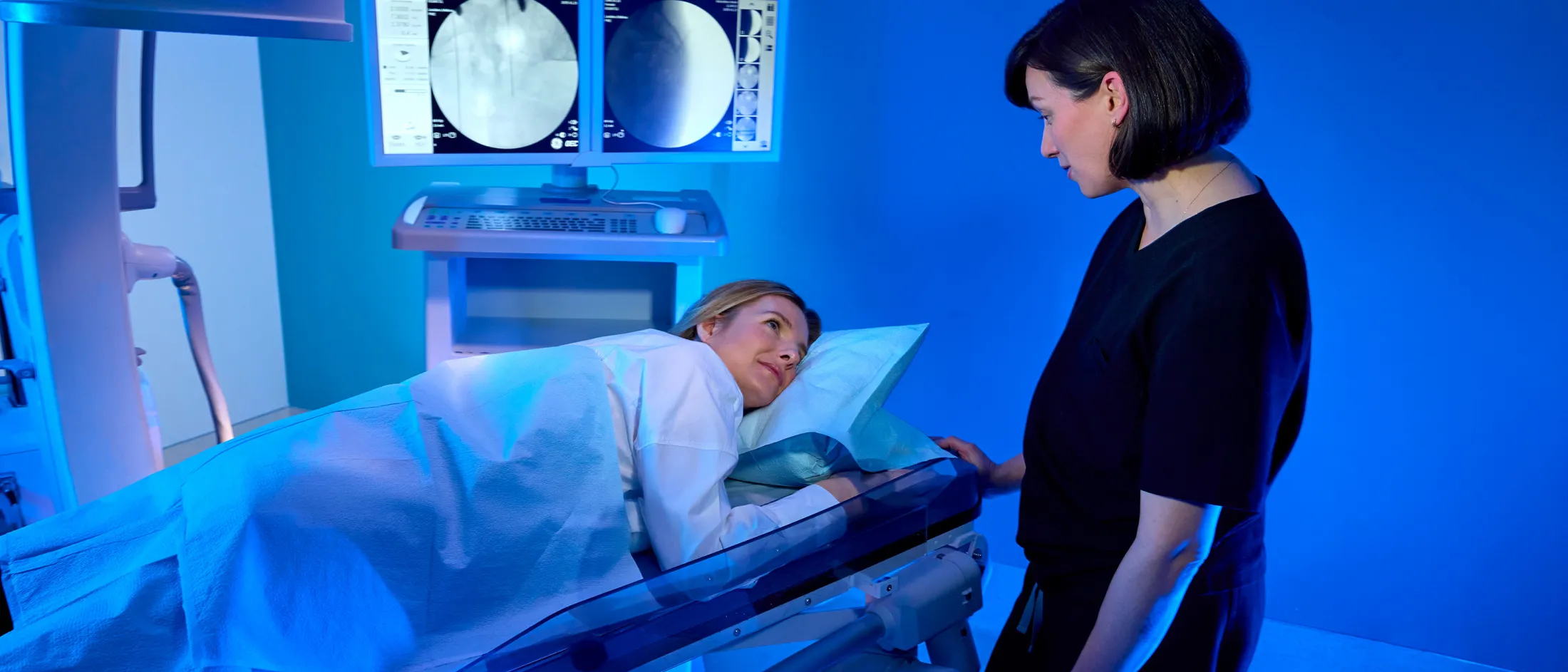
Utilizamos tecnologías avanzadas de pruebas diagnósticas, tales como las técnicas de cistouretroscopia y estudios videourodinámicos multicanal.
Nuestros especialistas ofrecen una amplia variedad de tratamientos no quirúrgicos, como:
Si es necesaria una cirugía, nuestros expertos se especializan en enfoques quirúrgicos avanzados que incluyen lo último en reconstrucción urogenital compleja y procedimientos mínimamente invasivos, como cirugías laparoscópicas, robóticas, cistoscópicas y vaginales para una recuperación más rápida.

Investigación y ensayos clínicos
Lideramos la investigación colaborativa y lideramos numerosos estudios y ensayos clínicos, incluidos varios financiados por los Institutos Nacionales de Salud (NIH). Nuestros investigadores realizan activamente investigación básica, traslacional y clínica para avanzar en la comprensión y el tratamiento de las afecciones urológicas femeninas y los trastornos del suelo pélvico.
Las principales áreas de nuestra investigación se centran en comprender los mecanismos subyacentes y la fisiopatología de los trastornos del suelo pélvico, tales como el síndrome de dolor vesical y la vejiga hiperactiva. También exploramos las aplicaciones de la telemedicina en uroginecología y cirugía pélvica reconstructiva, así como la asociación entre la fragilidad y la disfunción del suelo pélvico. Nuestra investigación también se centra en la evaluación de parámetros centrados en el paciente, como la satisfacción y el arrepentimiento tras diversos procedimientos, como la neuromodulación sacra para la vejiga hiperactiva refractaria. Gracias a subvenciones financiadas por los NIH, investigamos nuevos mediadores moleculares y posibles dianas terapéuticas para el manejo de la disfunción vesical diabética y estudiamos el papel de la señalización neurosatélite de las células gliales en el dolor pélvico y la sensibilización cruzada visceral.
A través de nuestros ensayos clínicos, podemos proporcionar a los pacientes acceso a tratamientos que aún no están disponibles para el público en general.

Su equipo de uroginecología y cirugía pélvica reconstructiva