

Nuestra historia
Más de un siglo superando
los límites en todos los ámbitos
Desde la investigación a los descubrimientos de tratamientos que salvan vidas, pasando por las innovaciones en la atención al paciente,
los avances en la salud pública y a una educación médica de vanguardia.
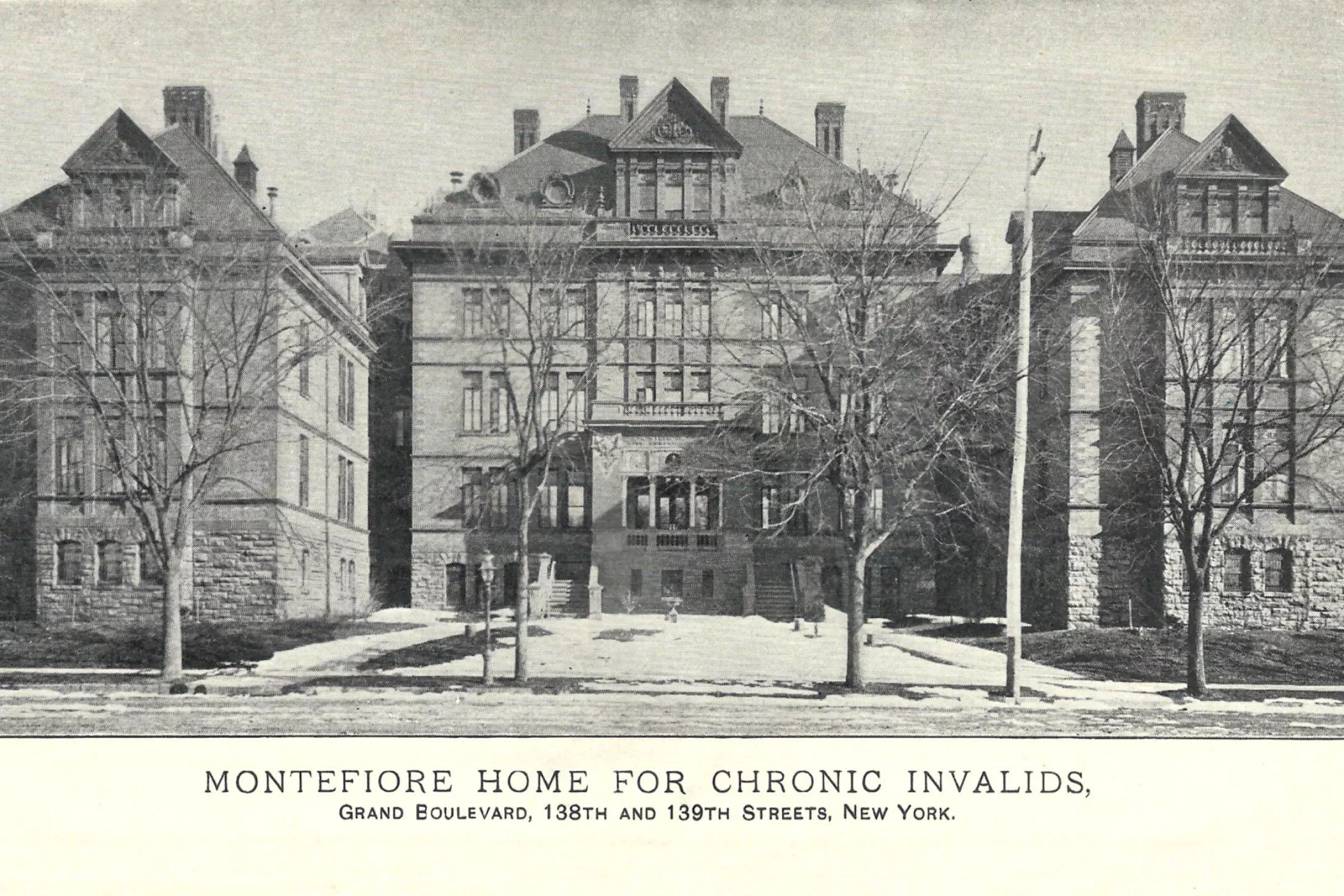
1884–1900
Fundado en 1884 por filántropos judíos, Montefiore Home for Chronic Invalids ofrecía atención a personas a las que otras instituciones médicas les negaban tratamiento. Nuestros médicos estuvieron a la vanguardia del diagnóstico de tuberculosis en 1890, cuando la enfermedad era una de las principales causas de muerte en Estados Unidos.
1900–1920
En 1901, los pacientes de asma en Montefiore fueron tratados con cloruro de adrenalina, uno de los primeros usos clínicos de este fármaco.
En 1905, Montefiore fundó uno de los primeros departamentos de trabajo social en un hospital del país para atender mejor a los pacientes después del alta. El hospital se expandió en 1912 con un nuevo centro en el Bronx y comenzó una alianza comunitaria histórica, lo que lo convirtió en un pionero en un nuevo modelo de ofrecer atención médica a cualquier persona que la necesitara.
Montefiore fue un pionero destacado en el campo de la medicina y la primera mujer médica se unió al personal de nuestro hospital en 1916.
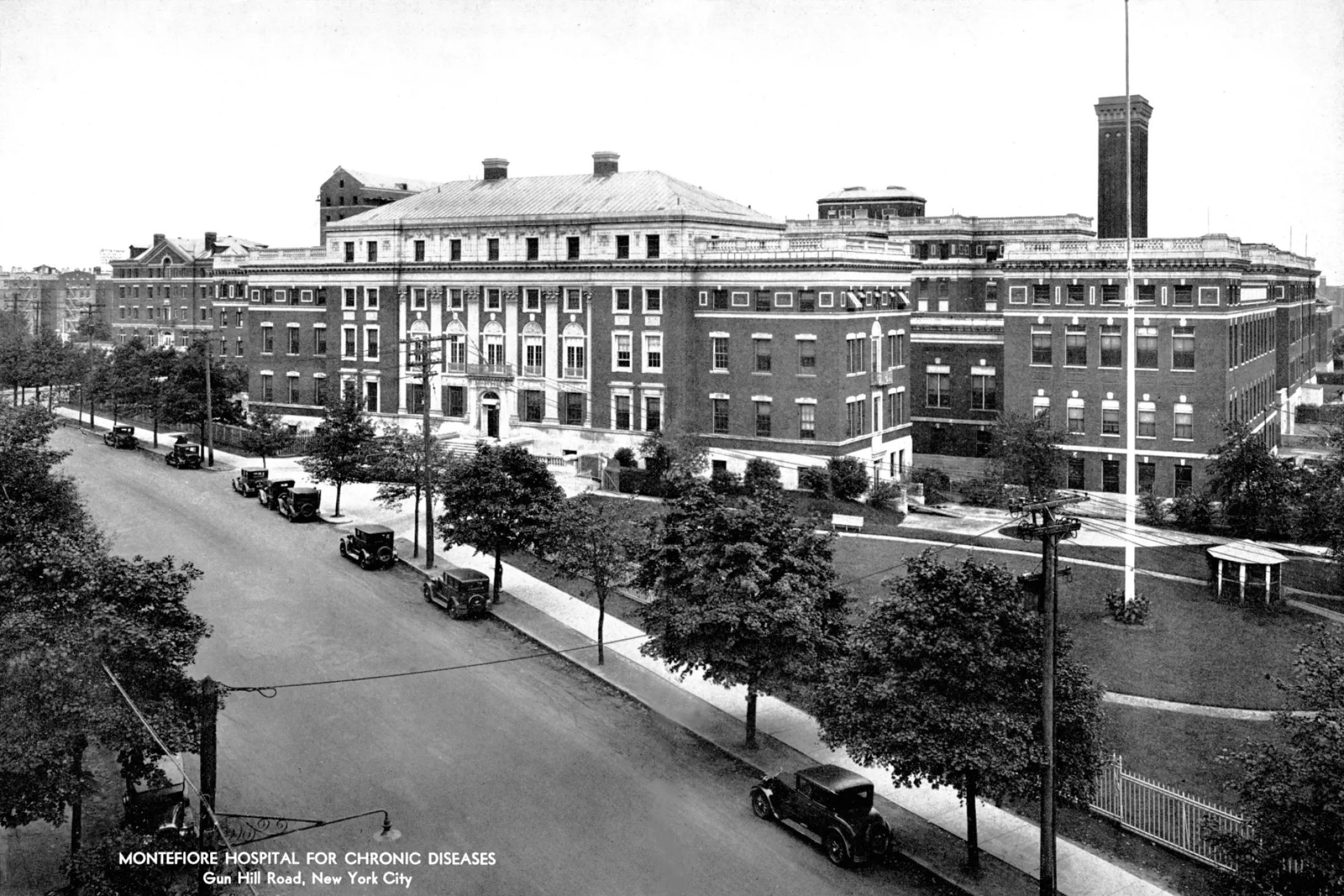
1920s–1940s
Además de las innovaciones en el diagnóstico y tratamiento de las enfermedades cardiacas, los médicos de Montefiore contribuyeron decisivamente al desarrollo del cardiotacómetro, un dispositivo utilizado para medir los latidos del corazón, en 1928.
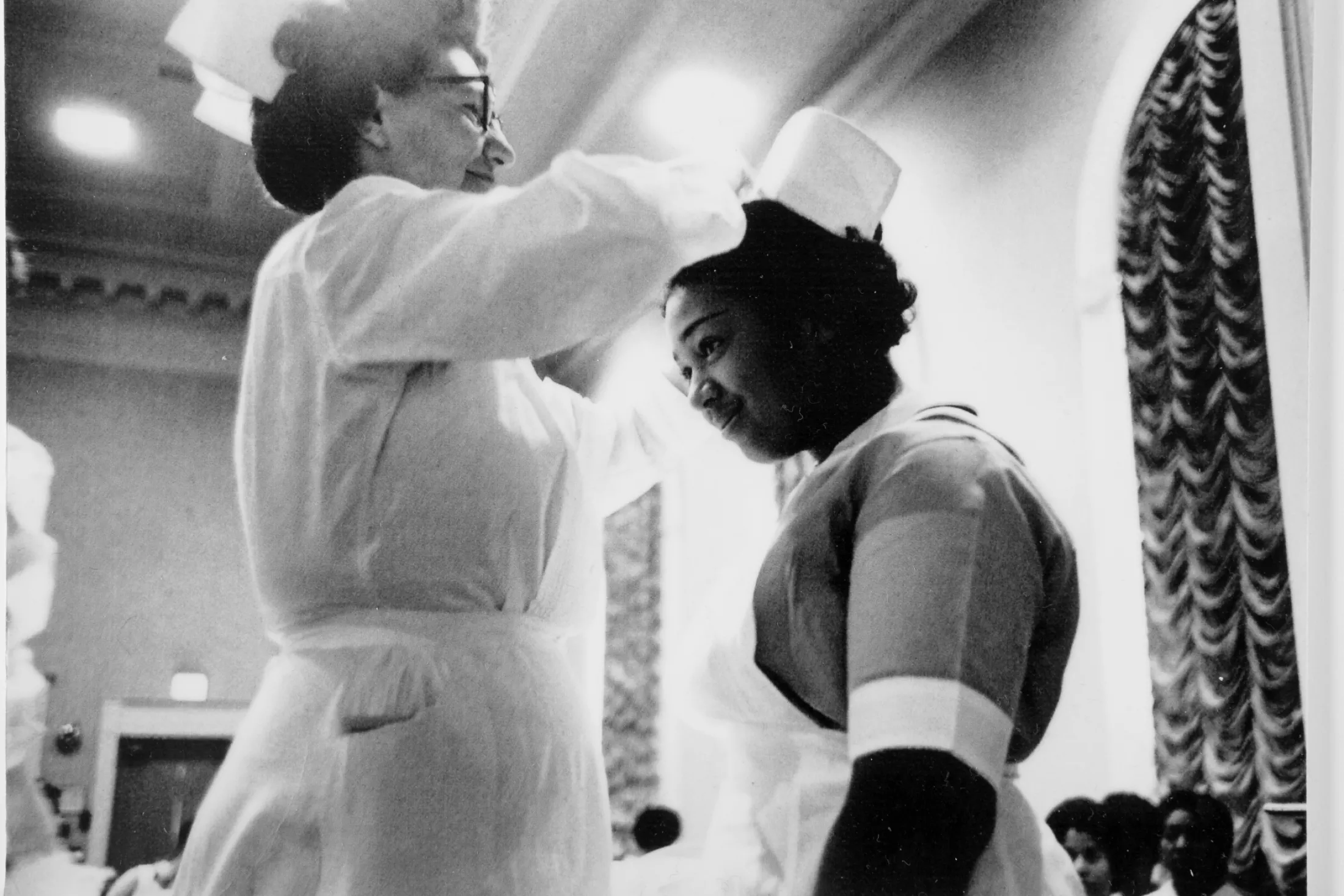
En la década de 1930, una época en la que la integración era poco común, se aceptaron residentes médicos afroamericanos para formarse en Montefiore.
Montefiore estableció el primer Departamento de Atención Médica Domiciliaria con base en un hospital en 1945 y, unos años más tarde, creó una de las primeras organizaciones de mantenimiento de la salud (HMO) del país para atender a los pacientes donde vivían.
En otra parte de la ciudad de Nueva York durante esa misma década, el presidente de la Universidad Yeshiva, el Dr. Samuel Belkin, comenzó a hacer realidad su visión de una nueva escuela de medicina, la futura Albert Einstein College of Medicine. En coordinación con el alcalde Vincent Impellitteri, el Dr. Belkin se comprometió a proporcionar médicos para ofrecer atención a los pacientes en el Centro Hospitalario Municipal del Bronx de 1,400 camas que se estaba construyendo en ese momento.
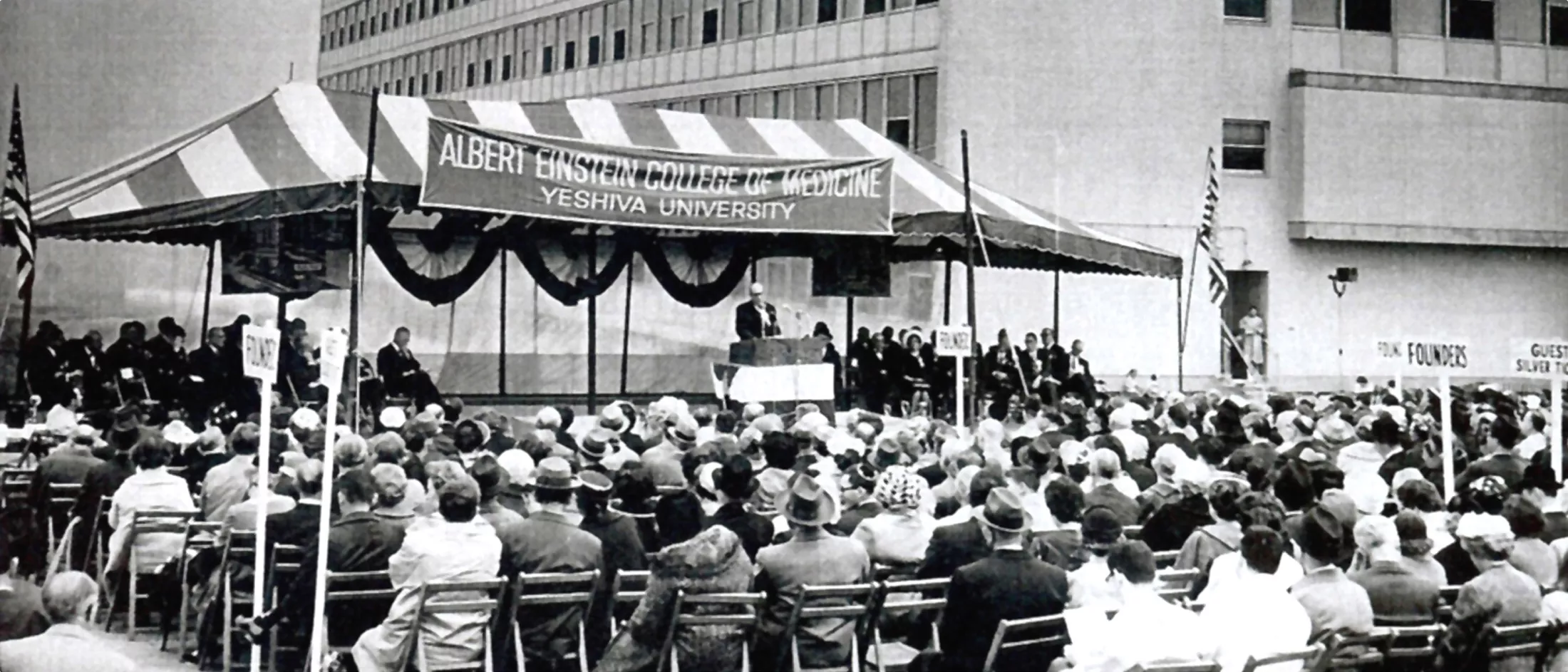
Década de 1950
Para servir mejor a las necesidades de la comunidad local del Bronx, que se encontraba en dificultades económicas, Montefiore creó el primer Departamento de Medicina Social hospitalario del país en 1950.
En 1953, a raíz de una enmienda anterior a los estatutos de la Universidad Yeshiva que permitía que los pacientes del futuro Centro Hospitalario Municipal del Bronx reciban atención de su facultad, el profesor Albert Einstein aceptó formalmente permitir que su nombre se utilizara para la facultad de medicina de la universidad recientemente creada.
Albert Einstein College of Medicine abrió sus puertas en 1955 y recibió a su primera clase, compuesta por 53 hombres y tres mujeres, dirigida por 75 profesores.
En 1956, se estableció el Centro de Evaluación y Rehabilitación Infantil (CERC) como parte del nuevo Departamento de Pediatría para atender a niños con discapacidades del desarrollo.
Los médicos de Montefiore continuaron contribuyendo con importantes avances en el tratamiento de enfermedades cardiacas a lo largo de la década: desarrollaron una máquina corazón-pulmón utilizada para corregir defectos cardiacos congénitos en niños, crearon un marcapasos cardiaco transvenoso en 1958 e inventaron una forma de monitorear marcapasos por teléfono.
Montefiore demostró su compromiso con la creación de un lugar de trabajo compasivo y humano para todos, por lo que se convirtió en el primer hospital en reconocer a un sindicato de trabajadores del hospital en 1959 con un sindicato independiente, el Service Employees International Union (SEIU).
Década de 1960
En 1963, Montefiore unió fuerzas con Albert Einstein College of Medicine para convertirse en su hospital docente, un lugar donde los estudiantes de medicina y los residentes pudieran perfeccionar sus habilidades dentro de una cultura de excelencia clínica e innovación centrada en el paciente.
Einstein se convirtió en la primera escuela de medicina privada de la ciudad de Nueva York en establecer un departamento académico de medicina familiar, así como la primera en crear un programa de residencia en medicina interna con énfasis en la salud de la mujer.
En 1964, Einstein fue la primera facultad de medicina de Estados Unidos en establecer un departamento de genética y también se convirtió en uno de los tres Programas de Formación de Científicos Médicos (MSTP) originales financiados por los National Institutes of Health (NIH). El programa sigue en funcionamiento hoy en día y otorga un título combinado MD y PhD.
El Centro de Salud Dr. Martin Luther King Jr. de Montefiore abrió sus puertas en 1966 para ofrecer atención médica integral a la comunidad del sur del Bronx. Ese mismo año, Montefiore inició uno de los primeros programas de tratamiento renal pediátrico del mundo, que incluía una unidad de diálisis renal.
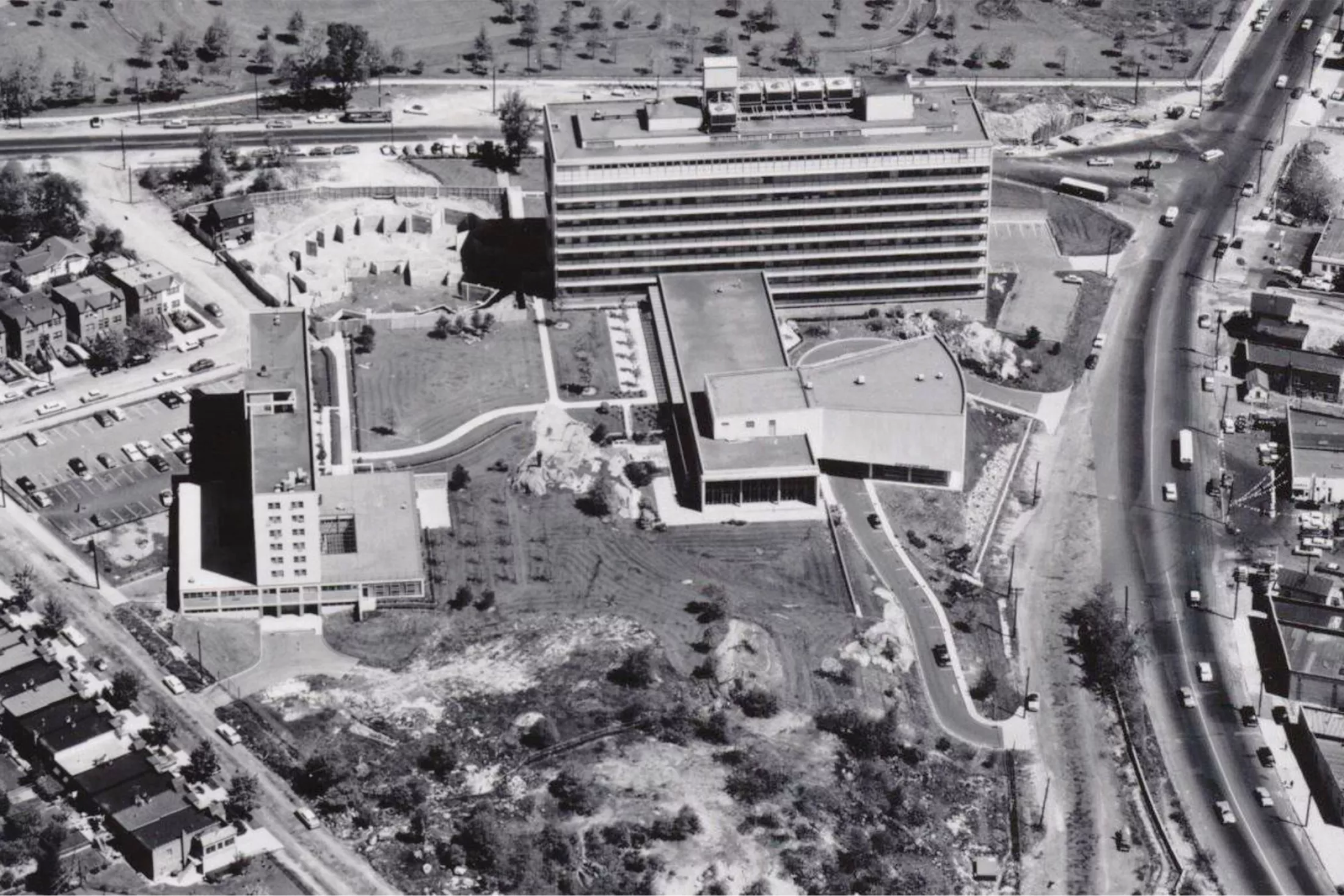
En 1969 se inauguró el hospital de Albert Einstein College of Medicine, que posteriormente se denominó Hospital Jack D. Weiler. Montefiore se hizo cargo de su gestión ese mismo año.
Década de 1970
En 1970, Montefiore lanzó el Programa de Prevención del Envenenamiento por Plomo comunitario para hacer que los hogares estuvieran a salvo del plomo que es peligroso, una iniciativa que todavía está activa hoy en día y se considera un modelo para el resto de la nación.
En 1972, Einstein se convirtió en la sede del cuarto centro del cáncer designado por el Instituto Nacional del Cáncer (NCI) en el país, ahora llamado Montefiore Einstein Comprehensive Cancer Center.
Ese mismo año, se inauguró el Centro de Investigación sobre Discapacidades Intelectuales y del Desarrollo Rose F. Kennedy (IDDRC), que colocó a Einstein a la vanguardia de la investigación sobre el desarrollo cerebral normal y anormal con el objetivo de comprender y tratar mejor las afecciones relacionadas.
Building on the success of Montefiore’s pediatric kidney treatment programs, its surgeons performed one of the nation’s first pediatric kidney transplants in 1972. The Arthur B. and Diane Belfer Educational Center for Health Sciences, opened by Einstein around the same time, provided additional laboratories and classrooms for basic science instruction.
In 1974, Einstein's Liver Research Center—now the Marion Bessin Liver Research Center—was the first institute in the nation devoted to the study of liver disease and injury, and it’s now the nation’s longest NIH-funded liver research center. Montefiore also achieved outstanding success in cancer treatments, pioneering minimally invasive robotic surgery for head and neck cancer in the 1970s as well as establishing the first specialized program in New York targeting endocrine and neuroendocrine tumors.
In 1978, the Belfer Institute for Advanced Biomedical Studies, a postdoctoral training program designed to prepare medical scientists for careers as independent principal investigators (PI), was established.
década de 1980
En 1980, Montefiore y Einstein fusionaron sus departamentos de medicina para unir las fortalezas de cada campus. El Dr. Louis Sherwood se convirtió en el primer presidente unificado de medicina.
Asimismo, en 1980, se creó el Centro de Gerontología Jack y Pearl Resnick para reunir todas las actividades y programas de investigación de la facultad de medicina relacionados con el envejecimiento, incluida la enfermedad de Alzheimer y otras demencias.
La Corporación de Preservación de Mosholu se estableció en 1981, patrocinada por Montefiore como una iniciativa de desarrollo y renovación comunitaria: un poderoso antídoto contra el deterioro y el abandono generalizados de las viviendas.
En el transcurso de esta década, Montefiore inició una respuesta temprana a la epidemia emergente del SIDA, lo que le otorgó la designación como uno de los primeros centros integrales de SIDA en el estado de Nueva York . Montefiore también estableció el Centro de Protección Infantil, el primero en Nueva York dedicado a la evaluación, el tratamiento, el seguimiento y la prevención del abuso infantil.
En 1988, el NIH financió el primer Centro de Investigación del SIDA en Einstein .
década de 1990
Montefiore contrató a un profesor adjunto de Montefiore Einstein Faculty en 1990.
En 1991, Montefiore fue el primer hospital en utilizar Taxol, un fármaco cuyo mecanismo de acción fue descubierto por investigadores en Albert Einstein College of Medicine en 1977, para tratar con éxito el cáncer de garganta.
Durante esta década, los cirujanos de Montefiore se convirtieron en los primeros en EE. UU. en realizar una reparación mínimamente invasiva de un aneurisma aórtico abdominal (AAA). En 1992, recibieron la aprobación para realizar trasplantes de corazón y, en la actualidad, Montefiore tiene una de las tasas de supervivencia de trasplantes de corazón más altas del país.
Montefiore demostró su alcance global en la década de 1990 al asociarse con el Centro Médico Rabin en Israel para crear un programa de intercambio educativo y de capacitación para profesionales de la salud y colaborar en la investigación.
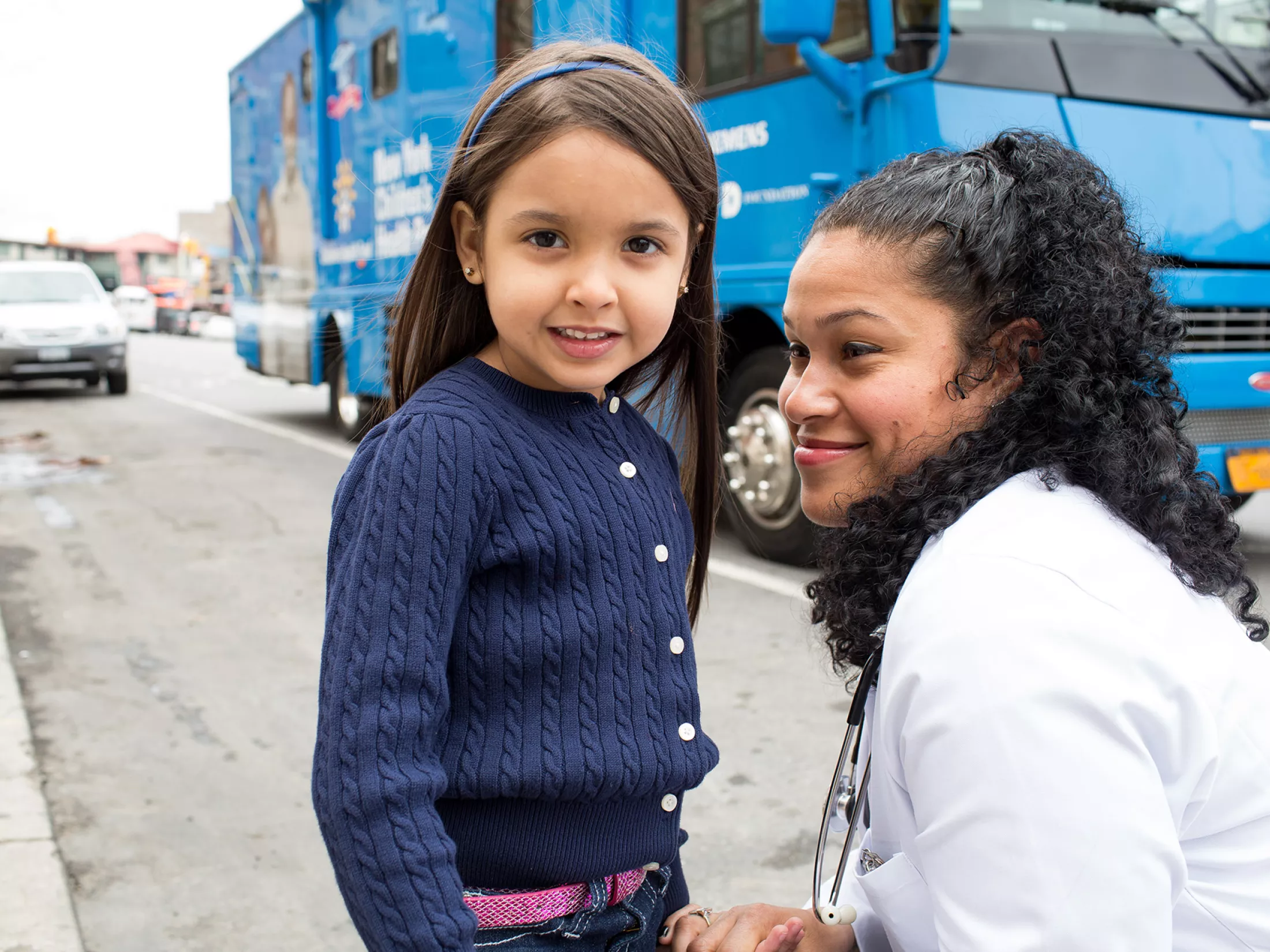
El Fondo para la Salud Infantil de Nueva York (New York Children's Health Fund) inició una colaboración con Montefiore y Einstein en 1993 y estableció el Centro de Salud South Bronx para atender a los niños y las familias de la comunidad. Montefiore creó la Organización de Gestión de Atención (CMO) para ayudar a los pacientes a coordinar la atención médica y centrarse en mejorar la calidad clínica, mejorar las experiencias de los pacientes y reducir los costos de la atención médica.
En 1994, Albert Einstein College of Medicine se convirtió en la única escuela de medicina de la ciudad de Nueva York seleccionada por los NIH para participar en la Iniciativa de Salud de la Mujer, el mayor estudio de investigación sobre la salud de la mujer realizado hasta la fecha.
Para ampliar aún más las capacidades de investigación de College of Medicine, en 1996 se inauguró el edificio Samuel H. y Rachel Golding de Einstein, un centro de investigación biomédica de 10 pisos.
En 1999, Einstein abrió la primera clínica de salud dirigida por estudiantes en el estado de Nueva York, lo que lo convirtió en un modelo nacional.

Década del 2000
El Children’s Hospital at Montefiore Einstein (CHAM) abrió sus puertas en 2001, ubicado en unas instalaciones de vanguardia y con tecnología de punta. Desde la creación de la clasificación de hospitales infantiles de U.S. News & World Report en 2007, el CHAM se ha posicionado constantemente entre los mejores del país .
Ese mismo año, Montefiore desarrolló un Código de Ética Organizacional, y fue uno de los primeros centros médicos del país en hacerlo. El código fue una declaración explícita de los principios éticos de Montefiore que se incorporan a la toma de decisiones en todos los niveles, incluida la obligación de cultivar una atención clínica de calidad, mantener una agenda socialmente responsable y administrar los recursos de manera inteligente.
En 2002 se inauguró el Centro de Investigación de Resonancia Magnética Gruss. Es uno de los centros de investigación tecnológicamente más avanzados del país en materia de espectroscopia por resonancia magnética (RM). Su tecnología de vanguardia proporciona algunas de las imágenes más detalladas jamás vistas de la anatomía y la fisiología de los organismos vivos.
En 2003, nuestros investigadores descubrieron varios genes de longevidad, que son variantes genéticas asociadas con una longevidad excepcional en los seres humanos.
Montefiore volvió a ser noticia nacional en 2004, cuando los cirujanos realizaron la primera operación exitosa para separar a gemelos unidos por la parte superior de sus cabezas.
In 2006, the former Our Lady of Mercy Hospital became part of Montefiore Health System and was renamed Montefiore Hospital/Wakefield Campus.
En 2008, Einstein emprendió un importante programa de expansión que duplicó efectivamente el tamaño de su campus, incluida la apertura del Centro Michael F. Price para Medicina Genética y Traslacional y el Pabellón de Investigación Harold y Muriel Block. Las dos nuevas instalaciones reunieron a científicos de primer nivel y la tecnología más avanzada para facilitar la traducción de descubrimientos a nivel molecular para el tratamiento, la cura y la prevención de enfermedades.
En 2009, Children’s Hospital at Montefiore Einstein realizó con éxito el primer trasplante de corazón pediátrico en el Bronx. Mientras tanto, Einstein transformó un antiguo sanatorio para tuberculosos en un espacio de investigación y educación, que incluía el Centro de Habilidades Clínicas Ruth L. Gottesman, docenas de laboratorios secos y húmedos y varios de los programas de investigación de Einstein sobre el envejecimiento. Ese mismo año, nuestros investigadores descubrieron que los cambios en el estilo de vida podían prevenir la diabetes por más de diez años.
Montefiore y Einstein reafirmaron su alianza hacia finales de la década, y ambas instituciones acordaron que Einstein administrara todas las subvenciones de investigación otorgadas a Montefiore.

Década del 2010
En 2010, el equipo de trasplantes de Montefiore realizó un trasplante dual de corazón e hígado, algo poco común. Durante esta década, Montefiore también se convirtió en el único centro para el síndrome de Rett y el síndrome de Williams en el área triestatal y comenzó a ofrecer atención a niños con estas afecciones raras y complejas.
En 2011, los cirujanos de Montefiore recibieron capacitación para implantar el corazón artificial total temporal SynCardia (TAH-t), un corazón de sustitución para pacientes con riesgo de muerte inminente por insuficiencia cardiaca como paso previo hacia el trasplante de corazón humano. Hoy, Montefiore es uno de los dos únicos programas en el área metropolitana de Nueva York certificados para implantar este dispositivo que salva vidas.
También en 2011, nuestros investigadores fueron los primeros en demostrar que los cabezazos en el fútbol pueden provocar lesiones cerebrales y, en otro frente, descubrieron cómo el ébola infecta las células.
Después de 15 años de trabajo, Montefiore recibió el reconocimiento federal de los Centros de Servicios de Medicare y Medicaid en 2011 como una Organización de Atención Médica Responsable (ACO) pionera, uno de los hitos más importantes en la historia de Montefiore Einstein . Nuestros equipos altamente integrados se centran en la comunicación, la coordinación de la atención en múltiples entornos, la participación del paciente y la prevención para ofrecer una atención al paciente de mayor calidad y, al mismo tiempo, reducir los costos.
En 2013, Montefiore se convirtió en uno de los dos únicos centros en la ciudad de Nueva York en participar en el ensayo de inmunoterapia de referencia para Yescarta, un innovador tratamiento con células CAR-T. La terapia con células CAR-T modifica las propias células inmunes del paciente para que tengan una mayor capacidad de identificar y eliminar las células cancerosas.
Montefiore y Einstein reclutaron profesores conjuntamente entre 2012 y 2014 para continuar su esfuerzo de décadas para unificar departamentos, cada uno con su propio director.
In 2013, Montefiore New Rochelle Hospital, Schaffer Extended Care Center, Montefiore School of Nursing and Montefiore Mount Vernon Hospital became part of Montefiore Health System.
White Plains Hospital became part of Montefiore Health System in 2014.
Durante la década de 2010, para mejorar las experiencias educativas de los alumnos, Einstein comenzó a modernizar varias instalaciones, incluida la renovación de la Biblioteca D. Samuel Gottesman, el Edificio Harold y Muriel Block, el Instituto Irwin S. y Sylvia Chanin para la investigación del cáncer, el Centro de Investigación Ullmann para las Ciencias de la Salud y el Edificio Kennedy.
In 2015, Montefiore and Yeshiva University finalized an agreement that established Einstein as its own legal entity and transferred operational and financial responsibility for the College of Medicine to Montefiore.
Burke Rehabilitation Hospital became part of Montefiore Health System in 2016.
En 2017, Montefiore desarrolló una nueva terapia para ciertos linfomas raros, lo que llevó a la creación del primer fármaco de Einstein.
Montefiore St. Luke’s Hospital became part of Montefiore Health System in 2017.
In 2018, our doctors and scientists led the largest randomized adjuvant breast cancer trial ever conducted, the groundbreaking Trial Assigning Individualized Options for Treatment (Rx) (TAILORx), which redefined treatment for tens of thousands of people suffering from the most common type of breast cancer.
Montefiore Nyack Hospital became part of Montefiore Health System in 2018.
En 2019, la Junta de Regentes del Departamento de Educación del Estado de Nueva York otorgó a Einstein una carta constitutiva absoluta, lo que la convirtió en una institución educativa autónoma con la autoridad para otorgar sus propios títulos médicos y de posgrado.
In 2019, Philip O. Ozuah, MD, PhD, is named President and CEO of Montefiore Medicine, the umbrella organization of the umbrella organization for Albert Einstein College of Medicine and Montefiore Health System.

El presente
Montefiore Einstein Advanced Care opens in Westchester in 2021 and in Manhattan in 2023. Our world-renowned physicians and specialist teams provide centralized, comprehensive care in more than 20 specialties.
In 2022, two luminary scientists at Albert Einstein College of Medicine were awarded a patent for a novel strategy that could revolutionize the treatment of a wide variety of major infectious diseases. By selectively boosting the immune response of the body’s T cells, this strategy may prevent the recurrence of HIV infection in AIDS patients after cessation of antiretroviral treatment. This same technology holds promise for the treatment of other viral infections and can also be used to target cancers such as melanoma and pancreatic cancer.
Specialty Surgeons of Connecticut opened in 2022, Montefiore Einstein’s first affiliate in Connecticut.
Montefiore Einstein successfully performs the world’s first HIV-positive to HIV-positive heart transplant.
In 2021, the Middle States Commission on Higher Education (MSCHE), the organization that accredits universities and colleges, granted Einstein full independent accreditation for all doctoral, masters and certificate programs, completing the College of Medicine’s transformation to a fully independent academic entity.
In 2023, Montefiore Einstein Comprehensive Cancer Center achieved comprehensive designation by the NCI, placing it among the elite 1% NCI Comprehensive Cancer Centers in the U.S.
Montefiore Einstein opened the doors to its new, state-of-the-art Breast Care Center at Its Hutchinson Campus in 2023. The center offers comprehensive breast care with the latest mammography technology available in a tranquil, beautifully designed environment.
Greenwich Street 497 opened in 2023 and offers our aesthetic patients a unique downtown location that reflects our desire to provide a distinctive destination, merging luxury, hospitality, state-of-the-art outpatient care and advanced surgical expertise along with wellness, nutrition, and a complementary array of aesthetic services.
In 2024, Montefiore's Albert Einstein College of Medicine announces free tuition in perpetuity for all medical school students. This is made possible by a transformational gift—the largest made to any medical school in the country—from Ruth L. Gottesman, EdD, Chair of the Einstein Board of Trustees and Montefiore Health System board member. This historic gift will ensure that no student at Einstein will have to pay tuition again.