




Tratamiento del cáncer de estómago
En el Centro Oncológico Integral Montefiore Einstein, reciba atención excepcional para el cáncer de estómago y otros tipos de cáncer gastrointestinal. Nuestro equipo multidisciplinario cuenta con amplia experiencia en el tratamiento de este tipo de cáncer. Como uno de los primeros centros oncológicos designados por el NCI, durante más de 50 años hemos sido líderes en la investigación, el diagnóstico y el tratamiento de más de 200 tipos de cáncer.
Estamos a la vanguardia del tratamiento y la investigación del cáncer de estómago y otros cánceres gastrointestinales. Nuestra atención médica del cáncer centrada en el paciente y basada en evidencia aborda las necesidades únicas de cada paciente. Los expertos del Montefiore Einstein Comprehensive Cancer Center están capacitados para realizar procedimientos quirúrgicos avanzados que no están disponibles en muchos otros centros y que han mejorado de forma significativa las tasas de supervivencia, al tiempo que reducen las tasas de hospitalización y minimizan las complicaciones para nuestros pacientes.
Cuando necesite atención médica del cáncer de estómago, recurra a nuestros proveedores, quienes trabajan con pasión para acabar con el cáncer y abordar todas sus necesidades de salud.

El Montefiore Einstein Comprehensive Cancer Center, designado como centro integral del cáncer por el National Cancer Institute (NCI), apoya la misión y las normas del NCI. La siguiente información sobre los tipos de cáncer, prevención y tratamientos ha sido facilitada por el NCI.
Tratamiento del cáncer de estómago
Existen diferentes tipos de tratamientos para el cáncer de estómago. Usted y su equipo oncológico trabajarán juntos para definir su plan de tratamiento, que puede incluir más de una opción. Se tendrán en cuenta diversos factores, como la etapa del cáncer, su estado de salud general y sus preferencias. Su plan incluirá información sobre su cáncer, los objetivos del tratamiento, las opciones disponibles, los posibles efectos secundarios y la duración prevista del mismo.
Antes de comenzar el tratamiento, puede resultarle útil hablar con su equipo de atención médica del cáncer sobre qué esperar. Le ayudará saber qué debe hacer antes de que comience el tratamiento, cómo se sentirá durante el mismo y qué tipo de apoyo necesitará. Para obtener más información, consulte el sitio web Preguntas para el médico sobre el tratamiento.
Para obtener información sobre el tratamiento según la etapa, consulte Tratamiento del cáncer de estómago según la etapa .
EN ESTA PÁGINA
Resección mucosal endoscópica
La resección endoscópica de la mucosa es un procedimiento que utiliza un endoscopio para extirpar carcinoma in situ y cáncer en etapa temprana del revestimiento del tubo digestivoUn endoscopio es un instrumento delgado, con forma de tubo, que cuenta con una luz, una lente y herramientas para extraer tejido.
Cirugía
La cirugía es un tratamiento común para el cáncer de estómago. El tipo de cirugía depende de la ubicación del cáncer.
Además de la cirugía, se pueden administrar otros tratamientos:
- El tratamiento administrado antes de la cirugía se denomina terapia preoperatoria o terapia neoadyuvante. La quimioterapia puede administrarse antes de la cirugía para reducir el tamaño del tumor y disminuir la cantidad de tejido que debe extirparse durante la intervención. La quimiorradiación administrada antes de la cirugía para reducir el tamaño del tumor se encuentra en estudio.
- El tratamiento que se administra después de la cirugía para reducir el riesgo de que el cáncer reaparezca se llama terapia adyuvante. Después de que el médico extirpa todo el cáncer visible, algunos pacientes pueden recibir quimioterapia, radioterapia o ambas para eliminar las células cancerosas restantes.
Gastrectomía
La gastrectomía, que consiste en la extirpación parcial o total del estómago, es la principal intervención quirúrgica para el cáncer de estómago:
- La gastrectomía subtotal consiste en la extirpación de la parte del estómago que contiene el cáncer, los ganglios linfáticos cercanos y partes de otros tejidos y órganos próximos al tumor. También puede extirparse el bazo .
- La gastrectomía total consiste en la extirpación completa del estómago, los ganglios linfáticos cercanos y partes del esófago, el intestino delgado y otros tejidos próximos al tumor. También puede extirparse el bazo. Posteriormente, el cirujano conecta el esófago al intestino delgado para que el paciente pueda seguir comiendo y tragando.
Colocación de stent endoluminal
La colocación de un stent endoluminal puede realizarse cuando el tumor obstruye el paso hacia o desde el estómago. En este procedimiento, el cirujano coloca un stent (un tubo delgado y expandible) desde el esófago hasta el estómago o desde el estómago hasta el intestino delgado para permitir que el paciente se alimente con normalidad.
Terapia láser endoluminal
La terapia láser endoluminal es un procedimiento en el que se utiliza un endoscopio (un tubo delgado con luz) al que se le ha incorporado un láser, a modo de bisturí, para desbloquear una obstrucción gastrointestinal.
Gastroyeyunostomía
La gastroyeyunostomía es la extirpación de la parte del estómago con cáncer que está bloqueando la abertura hacia el intestino delgado. Luego, el cirujano conecta el estómago al intestino delgado. yeyuno (una parte del intestino delgado) para permitir que los alimentos y los medicamentos pasen del estómago al intestino delgado.
Radioterapia
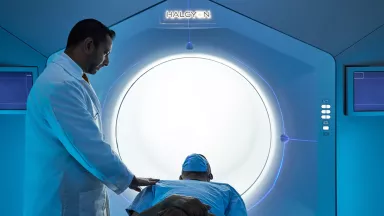
La radioterapia utiliza rayos X de alta energía u otros tipos de radiación para destruir las células cancerosas o impedir su crecimiento. El cáncer de estómago a veces se trata con radioterapia externa. Este tipo de radioterapia utiliza una máquina externa al cuerpo para dirigir la radiación hacia la zona afectada por el cáncer.
Para obtener más información, consulte Radioterapia de haz externo para el cáncer y Efectos secundarios de la radioterapia.
Quimioterapia
La quimioterapia (también llamada quimio) utiliza fármacos para detener el crecimiento de las células cancerosas, ya sea matándolas o impidiendo que se dividan.
La quimioterapia para el cáncer de estómago suele ser sistémica, es decir, se inyecta en una vena o se administra por vía oral. De esta forma, los fármacos entran en el torrente sanguíneo y llegan a las células cancerosas de todo el cuerpo.
Los fármacos de quimioterapia utilizados para tratar el cáncer de estómago incluyen:
- Capecitabina
- Cisplatino
- docetaxel
- doxorrubicina
- epirubicina
- Fluorouracilo (5-FU)
- Irinotecán
- leucovorina
- Oxaliplatino
- paclitaxel
- trifluridina/tipiracilo
Para obtener más información sobre cómo funciona la quimioterapia, cómo se administra, los efectos secundarios comunes y mucho más, consulte Quimioterapia para tratar el cáncer y La quimioterapia y usted: apoyo para personas con cáncer.
Terapia dirigida
La terapia dirigida utiliza fármacos u otras sustancias para identificar y atacar células cancerosas específicas. Su médico podría sugerirle pruebas de biomarcadores para predecir su respuesta a ciertos fármacos de terapia dirigida. Obtenga más información sobre las pruebas de biomarcadores para el cáncer .
Las terapias dirigidas que se utilizan para tratar el cáncer de estómago incluyen:
Obtenga más información en Terapia dirigida para tratar el cáncer.
Inmunoterapia
La inmunoterapia ayuda al sistema inmunitario a combatir el cáncer. Su médico podría sugerirle pruebas de biomarcadores para predecir su respuesta a ciertos fármacos de inmunoterapia. Obtenga más información sobre las pruebas de biomarcadores para el cáncer .
Los fármacos de inmunoterapia utilizados para tratar el cáncer de estómago incluyen:
Estos fármacos actúan de diversas maneras para eliminar las células cancerosas. Además, se consideran terapia dirigida porque actúan sobre cambios o sustancias específicas en las células cancerosas.
Obtenga más información sobre la inmunoterapia para tratar el cáncer y sus efectos secundarios .
Quimioterapia intraperitoneal hipertérmica (HIPEC)
La quimioterapia regional es un método que consiste en administrar quimioterapia directamente en un órgano o una cavidad corporal, como el abdomen, para afectar principalmente a las células cancerosas de esas zonas.
Se está estudiando un tipo de quimioterapia regional llamada quimioterapia intraperitoneal hipertérmica, o quimioterapia caliente, para tratar el cáncer de estómago, y podría ofrecerse en algunos centros de tratamiento. Después de que el cirujano haya extirpado la mayor cantidad posible de cáncer durante la cirugía, se calienta un fármaco quimioterapéutico, como mitomicina o cisplatino, y se inyecta directamente en la cavidad peritoneal a través de un tubo delgado durante aproximadamente dos horas. Posteriormente, el cirujano drena la quimioterapia del abdomen y lo enjuaga antes de cerrar la incisión .
Ensayos clínicos
Un ensayo clínico de tratamiento es un estudio de investigación diseñado para mejorar los tratamientos actuales o explorar nuevas opciones para pacientes con cáncer. Para algunos pacientes, participar en un ensayo clínico puede ser una alternativa viable.
Utilice nuestra herramienta de búsqueda de ensayos clínicos para encontrar ensayos clínicos sobre el cáncer respaldados por el NCI que admitan pacientes. Puede buscar ensayos según el tipo de cáncer, la edad del paciente y el lugar donde se realizan. Los ensayos clínicos respaldados por otras organizaciones se pueden encontrar en el sitio web ClinicalTrials.gov.
Para obtener más información, consulte el sitio Información sobre estudios clínicos para pacientes y cuidadores.
Pruebas de seguimiento
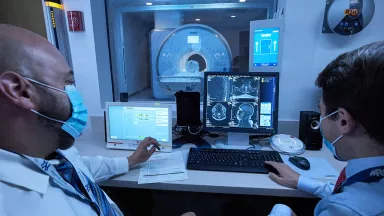
Algunas pruebas realizadas para diagnosticar o estadificar el cáncer pueden repetirse para evaluar la eficacia del tratamiento. Las decisiones sobre si continuar, modificar o suspender el tratamiento pueden basarse en los resultados de estas pruebas. A estas pruebas se las suele llamar pruebas de seguimiento o revisiones.
También es posible que le realicen análisis de sangre para detectar marcadores tumorales como el CEA y el CA 19-9 . Un aumento en los niveles de estos marcadores podría indicar una reaparición del cáncer de estómago. Obtenga más información sobre los marcadores tumorales .
Recursos relacionados
- Tipos de tratamiento contra el cáncer
- Actualizado: 31 de mayo de 2023