




Video could not be played
Geriatric Psychiatry Fellowship
Program Overview
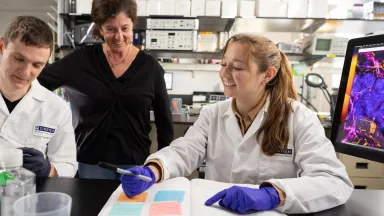
The Montefiore Einstein Division of Geriatric Psychiatry Fellowship aims to provide psychiatrists with special training in geriatrics for leadership positions in clinical service, teaching and training, scientific study, administration and public policy. The Geriatric Psychiatry faculty supervises fellows as they engage in patient care, research and scholarship.
Donna Cohen and Carl Eisdorfer established the Division of Geriatric Psychiatry in 1982. It was initially located at Beth Abraham Nursing Home. This setting inspired Oliver Sacks to write his observations of the introduction and impact of levodopa on patients with Parkinson’s disease in his book Awakenings.
The Geriatric Psychiatry Division now encompasses hospital ambulatory, long-term and community-based care systems. It is focused primarily on teaching and training, followed by clinical services and research. The Division has historically excelled in collaborative care across community-based agencies and the Montefiore Einstein care network.
The goals for the Division of Geriatric Psychiatry are as follows:
- To recognize that a unique body of gerontological knowledge developed by the social, biological and behavioral sciences has yet to be fully incorporated by the disciplines of internal medicine, family practice, neurology and psychiatry
- To provide psychiatrists with special training in geriatrics for leadership positions in clinical service, teaching and training, scientific study, administration and public policy
- To offer consultation and training to primary care physicians, general psychiatrists and community agencies that provide mental health services to older Americans
- To influence health policy through clinical investigation, community service and public advocacy
- To meet the public health mandate of a major medical school
- To gain a more significant share of public and philanthropic support for training, service and research in mental health
The division’s educational, clinical and scientific objectives are achieved across six sites, with four full-time faculty members and two full-time fellows, augmented by close collaboration with the Division of Geriatric Medicine. The faculty also instructs and supervises medical students, psychology interns, psychiatric residents and geriatric medicine fellows in the hospital, nursing home and patients’ private residences.

Leadership & Key Collaborators
Video could not be played
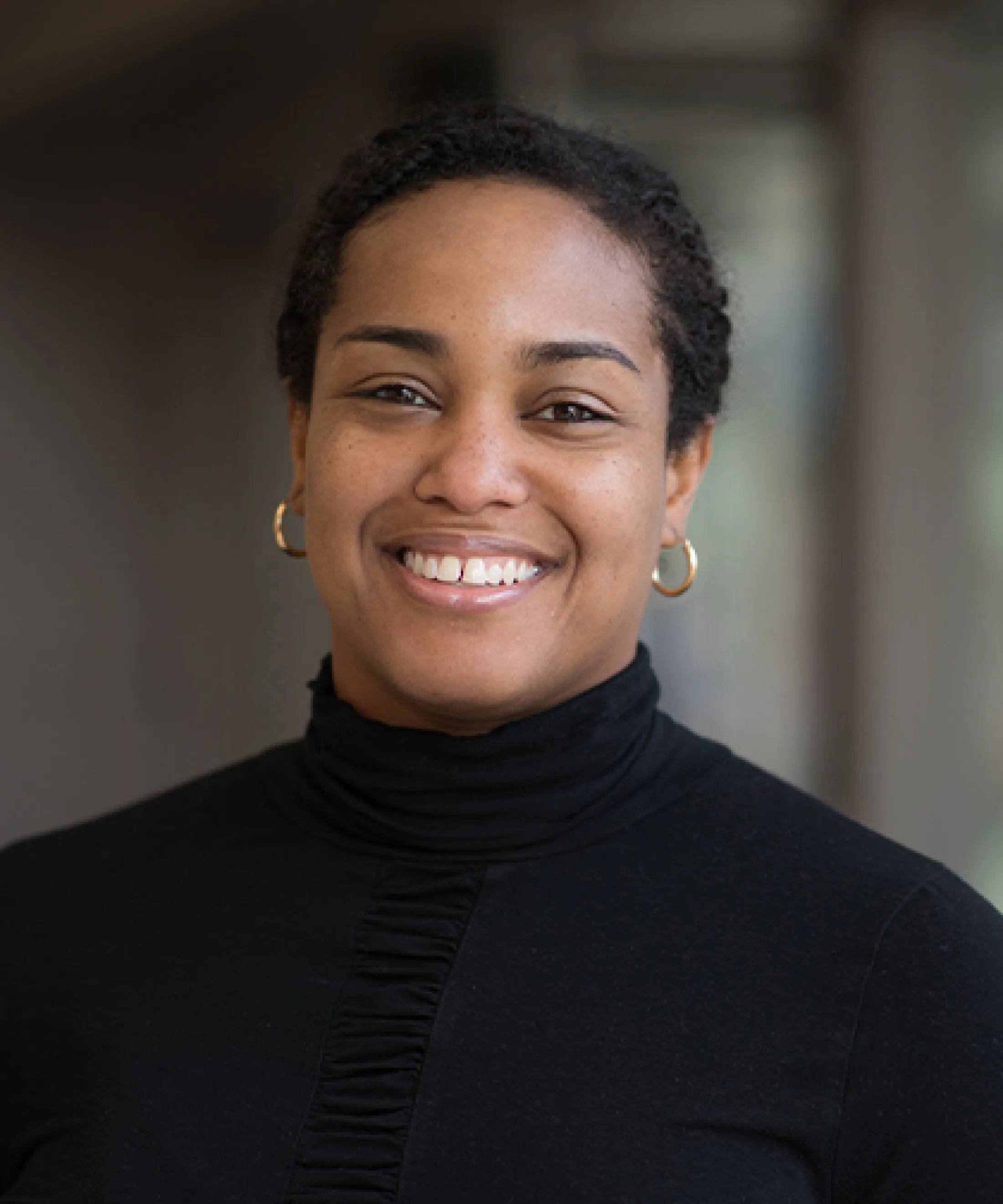
Mirnova E. Ceide, MD, MS
Program Director, Geriatric Psychiatry Fellowship
Dr. Mirnova Ceïde is an Assistant Professor of Geriatric Psychiatry and Geriatric Medicine at Montefiore Einstein and the Program Director of the Geriatric Psychiatry Fellowship. She completed her adult psychiatry training at Johns Hopkins Hospital in Baltimore, Maryland, where she was chief resident. Dr. Ceïde then completed a Health Resources and Services Administration (HRSA) fellowship in geriatric psychiatry at State University of New York (SUNY) Downstate and participated in health disparities research at the Brooklyn Health Disparities Center.
Dr. Ceïde is a National Heart, Lung and Blood Institute Programs to Create Diversity (NHLBI PRIDE) Scholar in behavioral medicine and sleep disorders. She joined the Geriatric Psychiatry Division at Montefiore Medical Center in 2013, where she is the psychiatry consultant for the Montefiore Home Care Geriatric Psychiatry Program and the Associate Director of the Center for the Aging Brain. She is a co-investigator on several pilot programs to serve depressed and homebound older adults, including the Fan Fox & Leslie R. Samuels Montefiore Home Care Psychotherapy Program for Depressed, Cognitively Impaired Patients (MHCPP-DCI) and the NYS Department of Health and Mental Hygiene Grant, Decreasing Depression and Increasing Social Connectedness Among NYC’s Older Adults.
She was awarded an Albert Einstein College of Medicine KL2 scholar’s award (mentored research development) in 2017, entitled “The Biological and Structural Correlates of Apathy in Dementia Pathogenesis.” She completed the Einstein Clinical Research Training Program master’s in science program. She most recently completed a Columbia Center for Interdisciplinary Research on Alzheimer’s Disease Disparities Pilot Project in 2021 to cross-validate a novel measurement model of apathy in a diverse, urban clinic population. Her research interests include apathy as a dementia risk factor and non-pharmacological interventions to decrease cognitive and functional decline.
Key Collaborators
Video could not be played
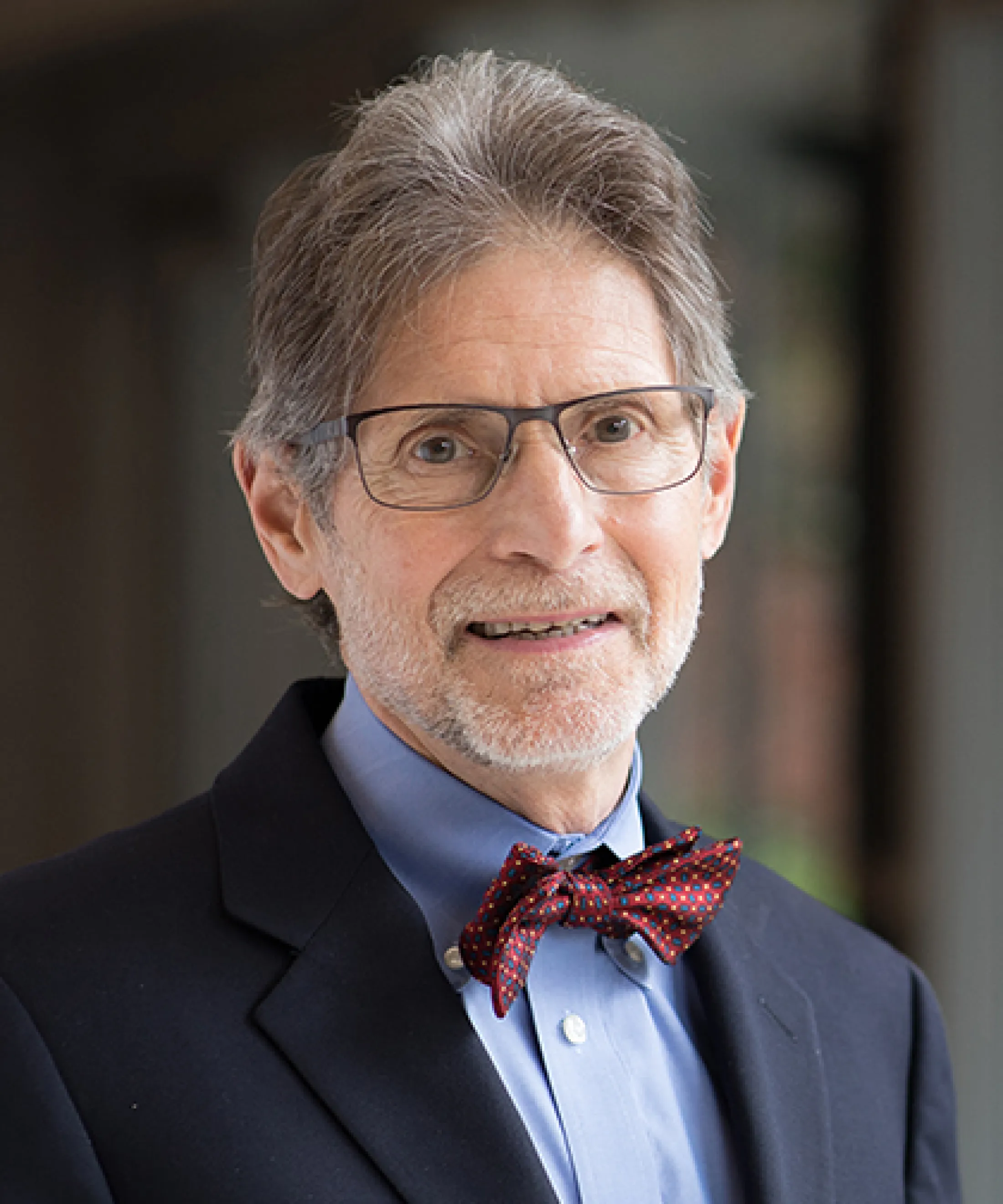
Gary J. Kennedy, MD
Director, Geriatric Psychiatry
Dr. Gary J. Kennedy, MD, is Director, Geriatric Psychiatry and Geriatric Psychiatry Fellowship Training Program and Vice Chair for Education and Professor of Psychiatry and Behavioral Sciences at Montefiore Einstein. His clinical focus centers on depression and dementia, caregiver support and holocaust survivors. He also teaches nursing homes and collaborates with community-based agencies.
After obtaining his Bachelor of Arts in biology from the University of Texas at Austin in 1970, Dr. Kennedy earned his Doctor of Medicine at the University of Texas Health Science Center at San Antonio in 1975. He remained there to complete a psychiatry residency in 1979 before moving to Montefiore to complete a psychobiology research fellowship in psychosomatic medicine in 1981. Following this, Dr. Kennedy completed a geriatric psychiatry fellowship at Montefiore in 1983.
Building on his clinical focus, Dr. Kennedy’s research is focused on cardiac arrhythmias, the epidemiology of depression and dementia, mental health care in nursing homes and primary care sites and in the community. He has a longstanding interest in improving communication between healthcare providers, especially around issues of depression and dementia care for both patients and their families. Dr. Kennedy’s work has been published in numerous peer-reviewed citations, and he has considerable experience in the evaluation of research applications as well as mentoring new investigators.
Dr. Kennedy has won many awards for his work, including the Leo and Julia Forchheimer Foundation Lifetime Achievement Award in 2014. In 2023, he was named in America’s Most Honored Doctors by The American Registry and in Castle Connolly’s Top Doctors.
Video could not be played
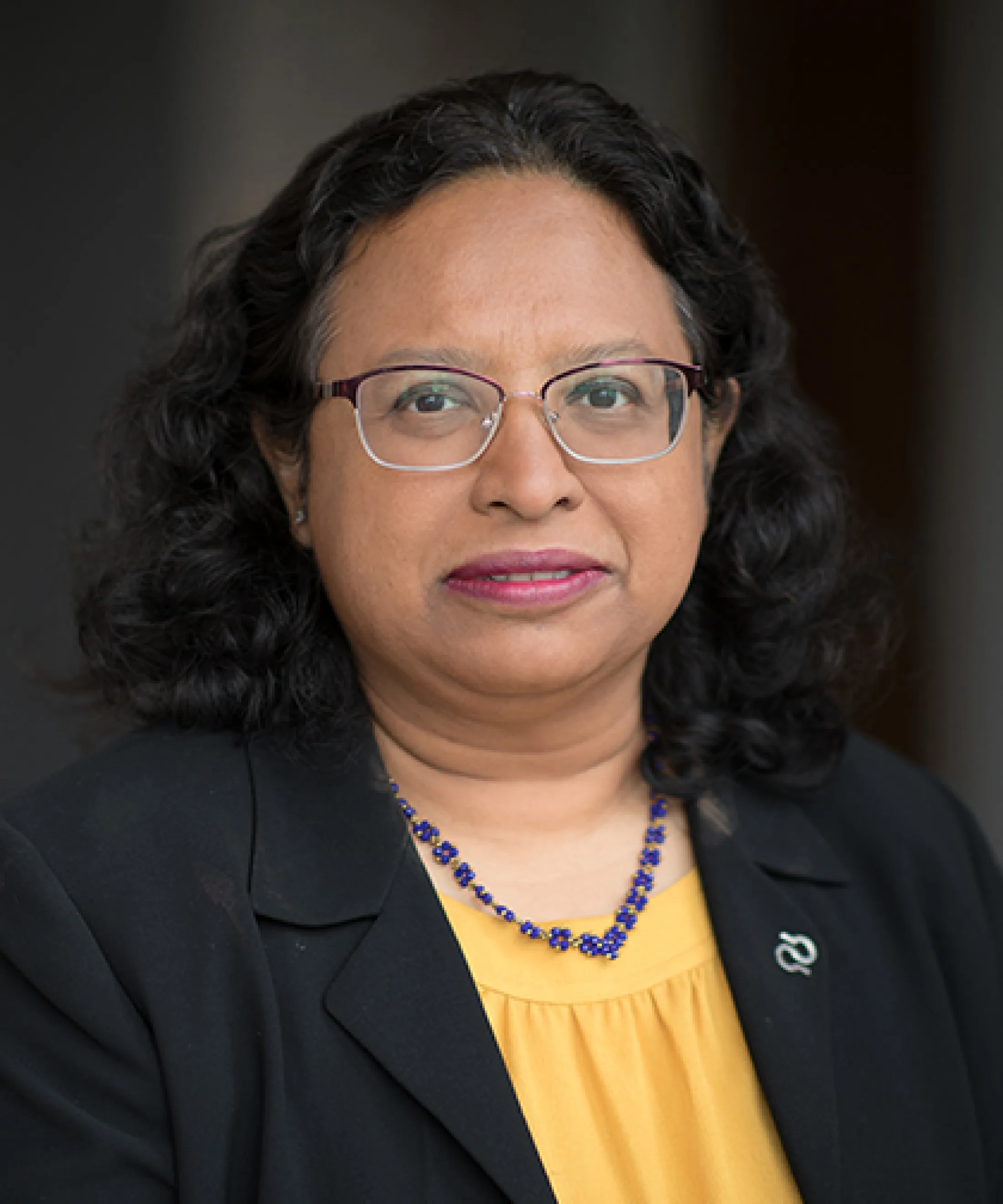
Rubina Malik, MD, MS, is an assistant professor of internal medicine, co-director of the Center for the Aging Brain, and the director of the fellowship training program in geriatric medicine.
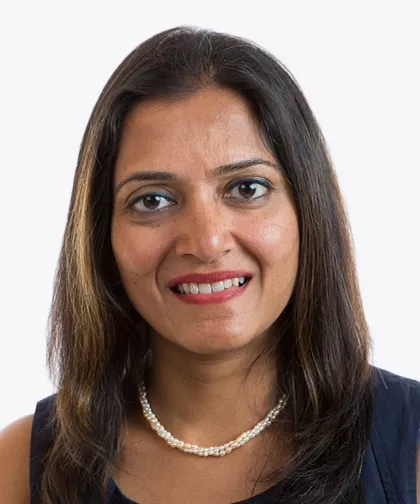
Video could not be played
Shikta Gupta, MD, is an Assistant Professor of Internal Medicine and the Geriatrics Preceptor at Kings Harbor Multicare Center.
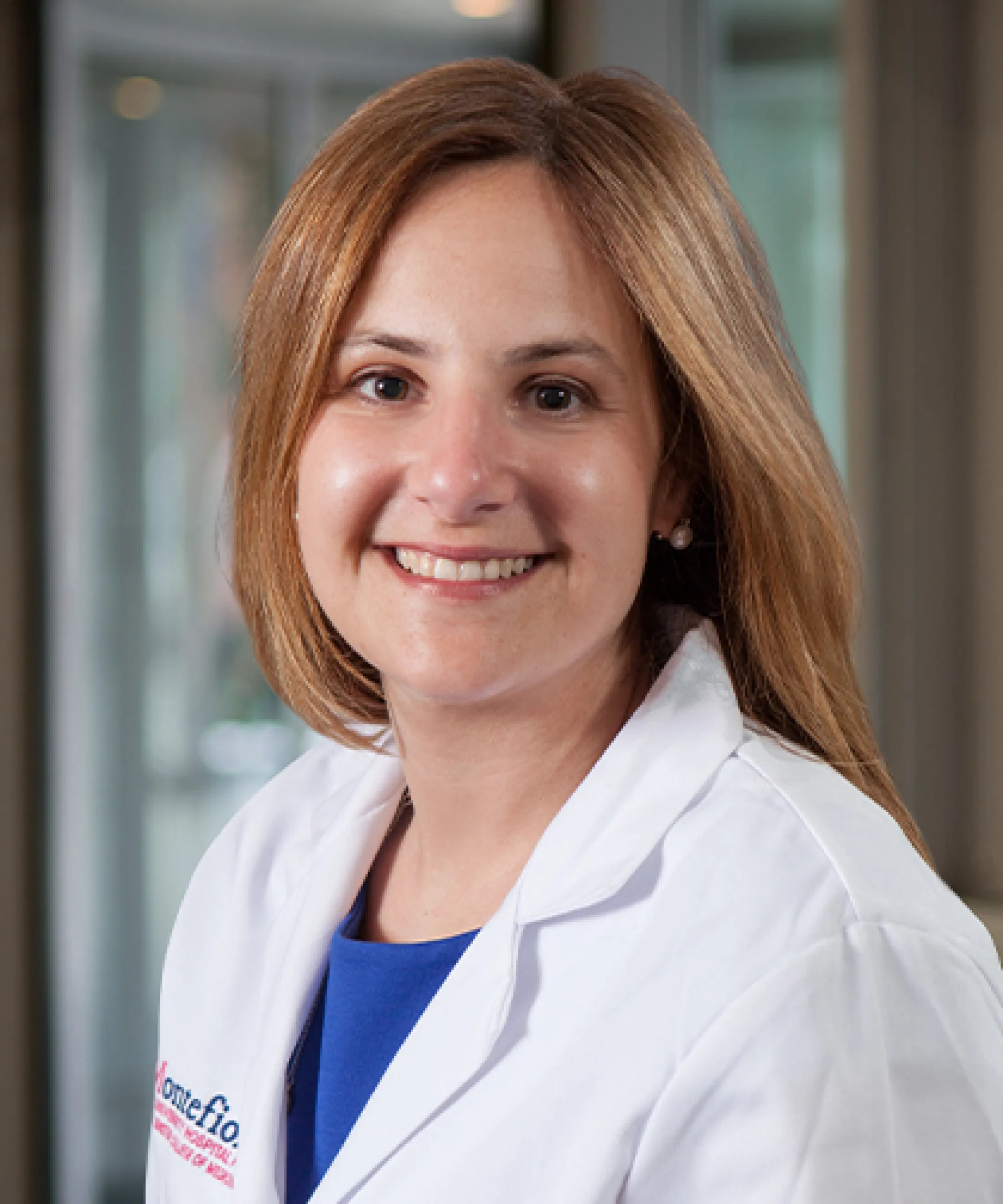
Video could not be played
Jessica Zwerling, MD, MS, is an Associate Professor in the Saul R. Korey Department of Neurology, Assistant Professor of Psychiatry and Behavioral Sciences, Associate Director of the Center for the Aging Brain, and Director of the Geriatric Neurology Fellowship Training Program.
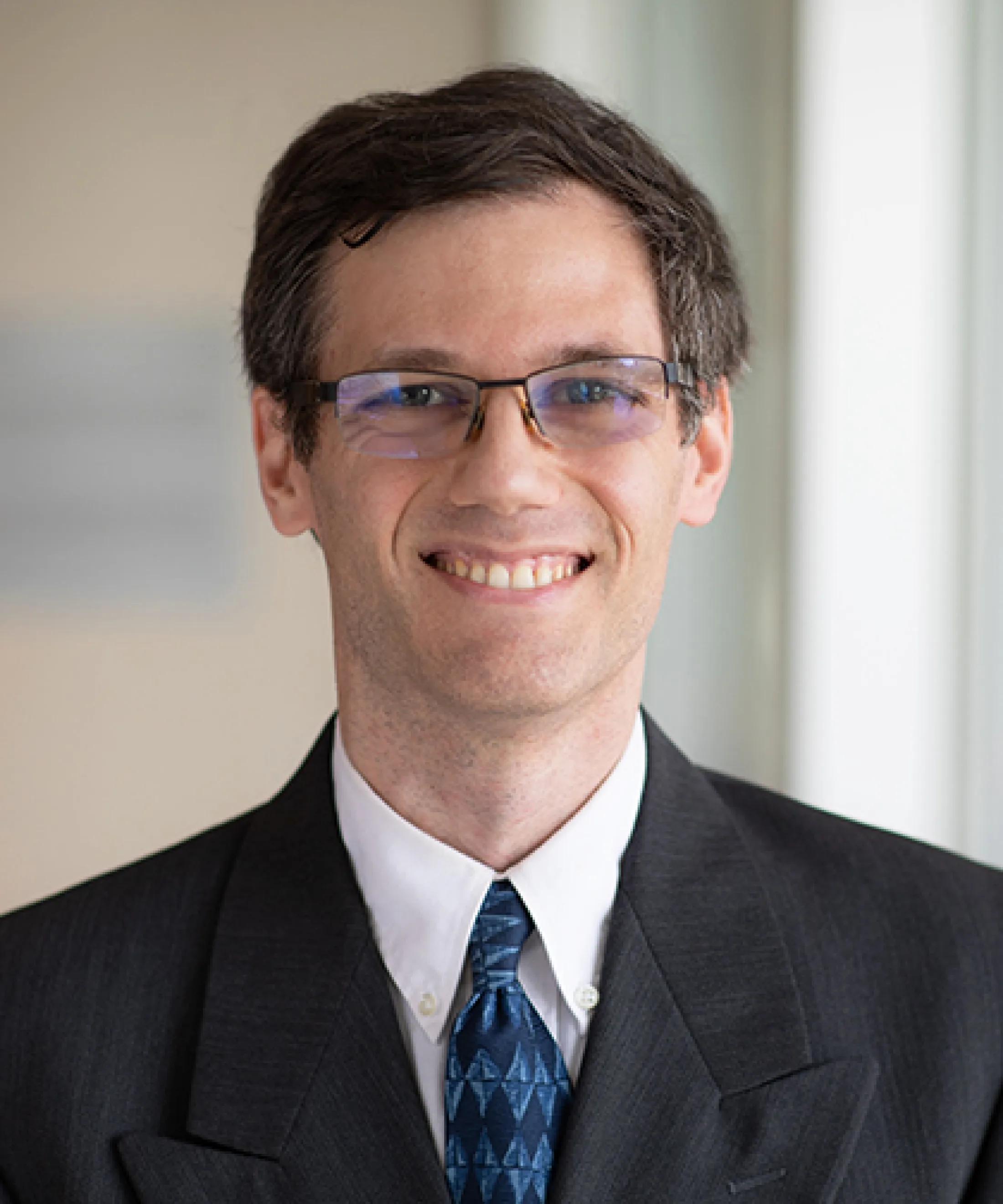
Video could not be played
Jason A. Cohen, MD, is an Assistant Professor in the Saul R. Korey Department of Neurology and a Geriatric Neurologist at the Center for the Aging Brain.
Associate Director
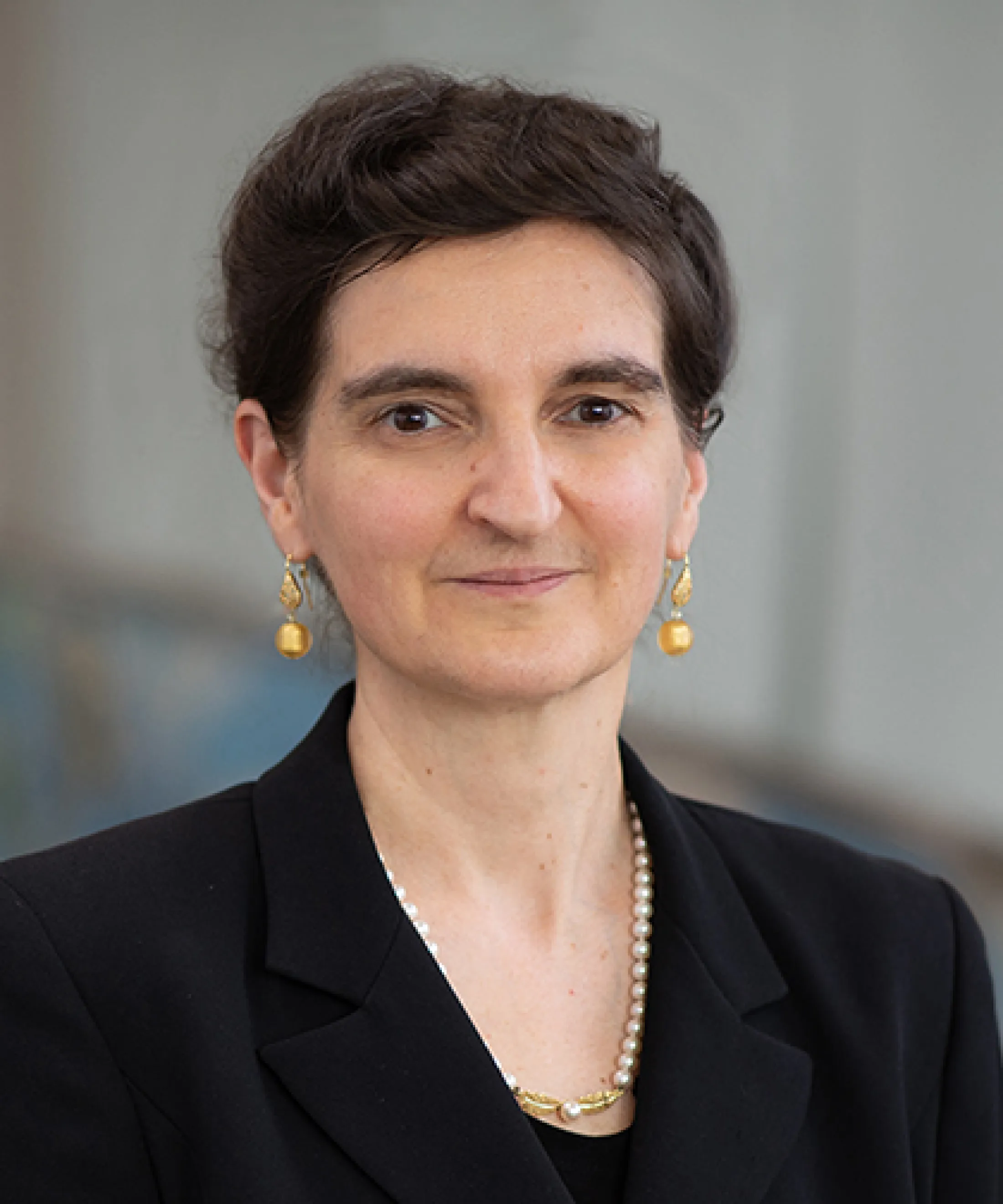
Video could not be played
Dr. Alessandra Scalmati is an Associate Professor of Psychiatry and Behavioral Sciences and Associate Director of the Division of Geriatric Psychiatry and the Fellowship Training Program at Montefiore Einstein. She was born in Italy and received an MD and PhD from the University of Modena. She came to New York to perform postdoctoral studies at the Memorial Sloan Kettering Cancer Center, where she remained for 18 months before starting residency training in General Psychiatry at Montefiore Einstein.
At the completion of four years of training, she was appointed Administrative Chief Resident (“Super Chief”). Subsequently, she completed fellowship training in geriatric psychiatry at Montefiore Einstein. She is board certified in general and geriatric psychiatry and psychosomatic medicine. As the Associate Director of the Fellowship Training Program in Geriatric Psychiatry, she teaches, supervises and maintains an active practice and is engaged in research. She has extensive responsibilities for psychotherapy teaching in the adult program and is one of the most sought-after supervisors.
Dr. Scalmati is the recipient of grants from the United Jewish Appeal—Federation (UJA-Federation), The Butler Foundation, the Weinstein International Foundation, and The Fan Fox & Lesley R. Samuels Foundation. Dr. Scalmati’s main area of interest is developing and implementing trauma-informed centered services for older adults. She focuses on both curriculum development and collaborative practices with community agencies. In 2018, Dr. Scalmati received a three-year grant on Excellence in Medical Education from the Albert Einstein College of Medicine for her development of a curriculum to teach medical students about trauma-informed care with a special focus on geriatric patients. This curriculum is ongoing.
Other areas of interest include elder mistreatment, long-term effects of trauma, psychiatric care of Holocaust survivors, prevention of burnout among health professionals and the effectiveness of psychodynamic psychotherapy for older adults. Her publications have focused on cancer and, more recently, on physician education and psychotherapy in late life. As part of her clinical and supervisory responsibilities, Dr. Scalmati leads the multidisciplinary geriatric psychiatry outpatient team at the outpatient mental health clinic at Montefiore Einstein; she provides individual supervision to the fellows, coordinates several teaching seminars each week and supervises all new intakes.
In 2019, Dr. Scalmati started an outpatient geriatric psychiatry consultation service, which has improved access to care for older adults with behavioral disturbances due to neurocognitive disorders and who were previously unable to access services at the Article 31 Clinic. Consultations at this clinic are now part of the training experience for trainees rotating through the service. Preliminary data about this service and model of care have been presented at local and national conferences.
Faculty
Video could not be played
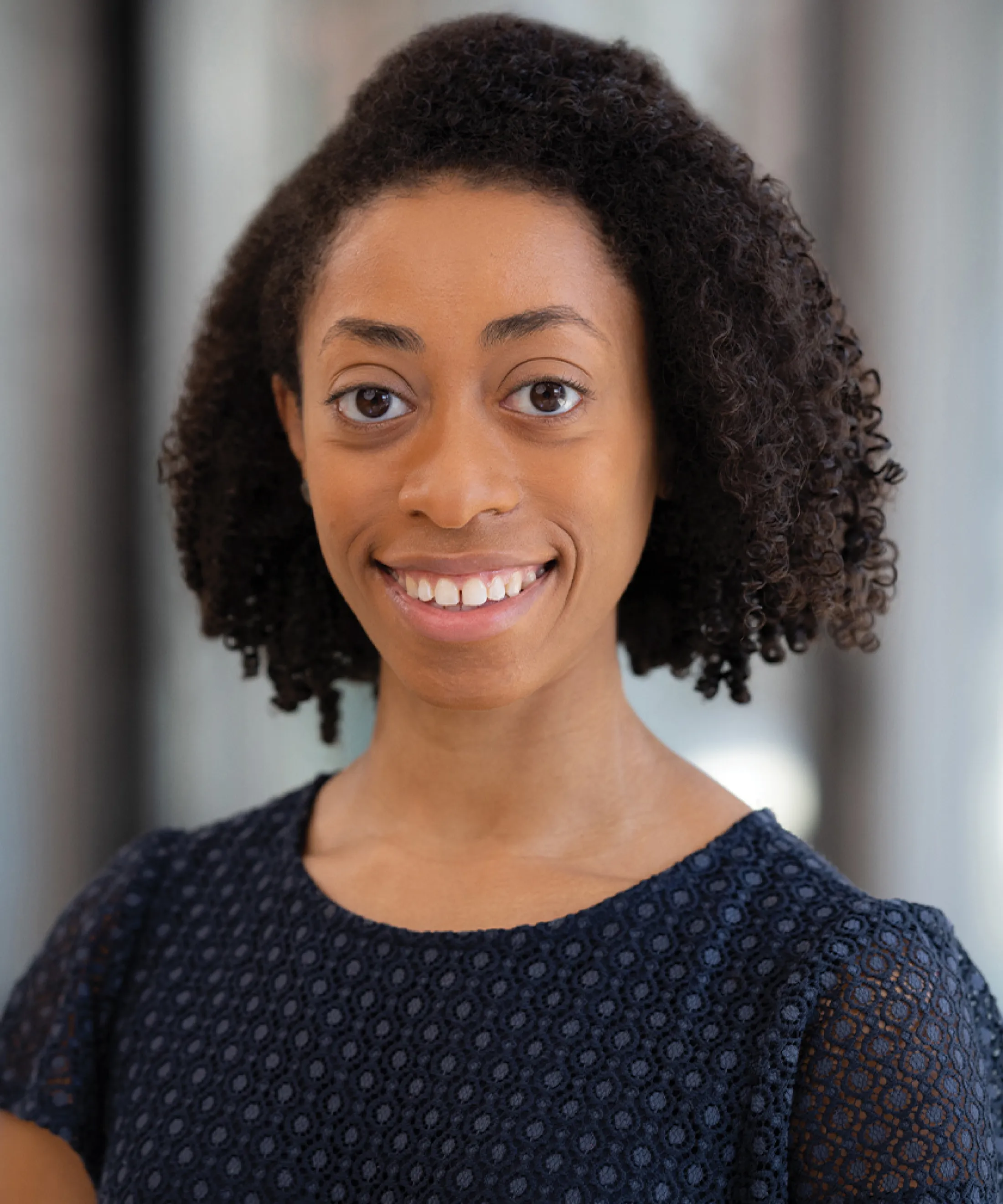
Allison Glasgow, the 2021-2022 fellow in geriatric psychiatry, graduated from Brown University. She also studied Italian art, language and literature for six months at the University of Bologna. She completed medical school at New York Medical College and a residency in psychiatry at Montefiore Einstein, where she also completed an integrative behavioral health and community psychiatry fellowship. While at Montefiore Einstein, she also received an honors scholar award from the American Association for Geriatric Psychiatry. She has presented posters and spoken at national and international meetings, most recently on staff training for person-centered, trauma-informed care. She has also been a volunteer, advocate and teacher addressing the needs of disadvantaged communities. She is an exemplary physician admired for her drive, compassion and creativity.
Current Fellows
Muhammad Azad, MD, completed his home country psychiatry residency at Bangladesh College of Physicians and Surgeons. He also completed all steps of the United States Medical Licensing Examination (USMLE) and obtained certification from the Education Commission for Foreign Medical Graduates (ECFMG). His psychiatry journey took him across several countries, including Bangladesh, Oman, Malaysia and the Maldives, where he has made a significant impact in various roles as a clinician, educator, researcher, innovator and administrator. As a clinician, Dr. Azad served the people of the islands of Maldives during the COVID-19 pandemic. He worked as a consultant at the Addu Equatorial Hospital in Maldives, where he was part of a multi-professional team that made home visits to islanders who could not access services otherwise. As an educator, Dr. Azad taught many medical and nursing students in Bangladesh and Malaysia. As a researcher, he authored several publications as a first author, and one publication on sleep disorders in the Journal of Clinical Sleep Medicine and has been cited regularly by many authors. In recognition of his contributions, he was honored with the Excellent Service Award (EXSA) on six occasions during his eight-year tenure at a public university in Malaysia.
Safiye Bahar Olmez, MD, completed her medical school and psychiatry residency in Turkey, where she was an attending psychiatrist at the Kanuni Sultan Suleyman Training and Research Hospital in Istanbul. In 2018, after completing her psychiatry residency in Turkey, she did an observership at the Medical College of Georgia, Augusta. She also worked as a volunteer counselor at the Office of International Student Life at the University of Georgia during her time in the United States.
Her research interests include anxiety disorders in geriatric psychiatry, psychodynamic and cognitive behavioral therapies (CBT), and mental health concerns in the refugee population.
Training
The clinical experience occurs in the Psychiatric Outpatient Department, a certified home healthcare agency, a naturally occurring retirement community and a teaching nursing home. It includes consultation with hospitalized and nursing home patients and house calls in the community. The didactic curriculum includes multi-profession seminars, case conferences, journal clubs and Grand Rounds. Supervision in pharmacotherapy, psychotherapy, research and administrative psychiatry is integral to the program’s mission. Over the year, fellows prepare one Grand Rounds presentation and multiple observed patient interviews, evaluated by faculty and peers. Fellows may elect to receive protected time to pursue certificates of training in bioethics or electroconvulsive therapy (ECT).
Program Requirements
Geriatric Psychiatry is an Accreditation Council for Graduate Medical Education (ACGME)-accredited fellowship that does not participate in the match. Before being interviewed by faculty and fellows, applicants must have completed or anticipate completing adult psychiatry training. In addition to the personal statement and curriculum vitae, three letters of recommendation and a completed application are also reviewed. Potential fellows who are deemed competitive will be offered the position immediately after the interview and faculty review.
Salary & Benefits
The salary for PGY-5 applicants is $90,723 without a New York State license and $96,775 with a license. For PGY-6 applicants, the salary is $98,664 without a New York State license and $104,026 with a license. Health insurance begins eight weeks following employment, so purchasing COBRA to cover the interim is recommended.
Please call the Bronx Psychiatric Center Personnel Department at 929-348-4029 for coverage information. For any questions concerning union matters, please contact the Public Employees Federation (PEF) office at Bronx Psychiatric Center at 929-348-3317.
Publications
- Samuels A, Ceïde M, Schreiber N. Neuropsychiatric systemic lupus erythematosus: Making the case for an expanded psychiatric role. J Neurol Exp Neurosci. 2016 June 17; 2(1): 9-11.
- Williams NJ, Jean-Louis G, Ceïde ME, et al. Effect of maladaptive beliefs and attitudes about sleep among community-dwelling African American men at risk for obstructive sleep apnea. J Sleep Disord Ther. 2017 May;6(3): 269. doi: 10.4172/2167-0277.1000269. Epub 2017 May 20. PMID: 28845368
- *Ceïde ME, Nguyen SA, Korenblatt J, et al. Beyond primary care: Integrating psychiatry into a certified home health agency to identify and treat homebound older adults with mental disorders. J Community Med Health Educ 6:479. 2016 Oct 24. doi: 10.4172/2161-0711.1000479
- Mooney SJ, Joshi S, Cerdá M, et al. Neighborhood disorder and physical activity among older adults: A longitudinal study. J Urban Health. 2017 Feb; 94(1):30-42. PMID: 28108872
- Mooney SJ, Joshi S, Cerdá M, et al.. Contextual correlates of physical activity among older adults: A neighborhood-environment wide association study (NE-WAS). Cancer Epidemiol Biomarkers Prev. 2017 Apr;26(4):495-504. PMID: 28154108
- Kennedy GJ, Ceïde ME. Screening older adults for mental disorders. Clin Geriatr Med. 2018 Feb;34(1):69-79. PMID:29129218
- Kennedy GJ. Added value of the personalized intervention for depressed patients with COPD. Am J Geriatr Psychiatry. 2018 Feb;26(2):172-173. PMID: 29239800
- Mooney SJ, Joshi S, Cerdá M, et al. 2018. Longitudinal physical activity patterns among older adults: A latent transition analysis. Am J Epidemiol. 2018 Jul 1;187(7):1549-1558. PMID: 29762655
- *Kennedy GJ, Beton-Pagan Y. Depression. In: Medina-Walpole A, Pacala JT, Potter JF, Eds. Geriatrics review syllabus: A core curriculum in geriatric medicine. 9th ed. New York: American Geriatrics Society; 2016.
- Kennedy GJ, contributor to Study Guide to Geriatric Psychiatry, Muskin PR, Dickerman AL. Eds. Arlington VA: American Psychiatric Association; 2017.
- *Kaplan M, Hong J, Kennedy GJ. Mild neurocognitive disorder. In: Capezuti, Malone, Katz, et al. Eds. The Encyclopedia of Elder Care, 3rd ed. Princeton: Springer; 2014; p.472-469
- Kennedy GJ, Cabasa J. Depression and other mood disorders. In: Durso SC and Sullivan GM, Eds. Geriatrics review syllabus: A core curriculum in geriatric medicine, 10th ed. New York: American Geriatrics Society; 2018; p. XX-XX.
- Ceïde ME, Ayers EI, Lipton R, et al. Walking while talking and risk of incident dementia. Am J Geriatr Psychiatry. 2018 May; 26(5):580-588. doi: 10.1016/j.jagp.2017.12.009. Epub 2018 Jan 3. PMID: 29395856
- Kennedy GJ. Increasing social activities reduces depression in old age, but which activities matter? Am J Geriatr Psychiatry. 2019 Jun; 27(6):579-580. doi: 10.1016/j.jagp.2019.01.011. Epub 2019 Jan 17. PMID 30770187
- Kennedy GJ. The trifecta of benefits in depression care for patients with advanced chronic obstructive pulmonary disease. Am J Geriatr Psychiatry 2019 May; 27(5):512-513. PMID: 30709615
- Kennedy GJ. The frailty phenotype paradox: A physically defined entity with psychosocial mediators. Am J Geriatr Psychiatry. 2020 Feb; 28(2):155-156. PMID: PC31761662
- Kennedy GJ, Ceïde ME. Bringing services to seniors rather than seniors to services: Proof of concept. IntPsychogeriatr. 2020 Apr; 32(4): 435-436. PMID: 32295669
- Ceїde MR, Warhit A, Ayers EI, et al. Apathy and the risk of predementia syndromes in community-dwelling older adults. J Gerontol B Psychol Sci Soc Sci. 2020 May 6;75(7):1443-1450. gbaa063. PMID: 323374839
- Kennedy GJ. The convergence of biomedical and psychosocial approaches to neural network connectivity in depression. Am J Geriatr Psychiatry. 2020 Aug; 28(8): 869-871. PMCID: PMC324733874
- Kennedy GJ. Is advanced age an advantage during treatment for psychotic depression? Am J Geriatr Psychiatry. 2021 Jul;29(7):655-656. doi: 10.1016 PMID: 33288406
- Kennedy GJ. Antidepressants may not be enough when frailty complicates depression in late life. Am J Geriatr Psychiatry. 2021 Sep;29(9):956-957. doi: 10.1016/j.jagp.2021.01.003. Epub 2021 Jan 9. PMID: 33455857
- Erica F Weiss, Rubina Malik, Teresa Santos, et al. Telehealth for the cognitively impaired older adult and their caregivers: Lessons from a coordinated approach. Neurodegener Dis Manag. 2021 Feb;11(1):83-89. PMID: 33172352
- Ding O, Kennedy GJ. Understanding vulnerability to late-life suicide. Curr Psychiatry Rep. 2021 Jul 17;23(9):58. doi: 10.1007/s11920-021-01268-2. PMID: 34273004
- Kennedy GJ. Is having a higher sense of purpose an antidote to loneliness and isolation in old age? Am J Geriatr Psychiatry. 2022 Feb;30(2):182-183. Epub 2021 Jun 2. doi: 10.1016/j.jagp.2021.05.019 PMID: 34210059
- Kennedy GJ. Delayed or denied? Lack of prompt follow-up for older adults hospitalized after suicide attempt or self injury. Am J Geriatr Psychiatry. 2022 Apr;30(4):492-493. doi: 10.1016/j.jagp.2021.09.004. Epub 2021 Sep 17. PMID: 34629223
Grant Funding
- “Geriatric Psychiatry Training in a Teaching Nursing Home,” New York Foundation for Elder Care, initiated in 1987 and ongoing.
- “An Alliance for the Mental Health of Holocaust Survivors,” United Jewish Appeal Federation of New York, initiated in 2000 and ongoing.
- “Addressing Unmet Geriatric Mental Treatment Needs of Patients and Their Families by Transcending Regulatory and Access Barriers” Fan Fox & Lesley R. Samuels Foundation, 2022-2023. Cristina Stefani Rackow and The Asriel and Marie Rackow Charitable Foundation for the annual Einstein “Comprehensive Approach to Dementia” symposium. New York Foundation for Elder Care, for the annual Einstein “Comprehensive Approach to Dementia” symposium.