




Video could not be played
Addiction Psychiatry Fellowship
Program Overview
The Montefiore Einstein Addiction Psychiatry Fellowship Program is a one-year Accreditation Council for Graduate Medical Education (ACGME)-approved training program for graduates of general psychiatry residency programs. Fellows gain a wide variety of clinical experiences, including opioid replacement treatment with methadone and buprenorphine, mentally ill chemical abuse (MICA) outpatient treatment (adult and adolescent), inpatient detoxification and general hospital-based substance use disorder consultation.
Fellows work with assigned patients for the duration of their participation in the Program, acquiring the complete training experience of treating MICA patients and providing both psychotherapeutic and psychopharmacologic management. We draw from applicants throughout the United States with a clinical and research orientation, and all fellows interact with an interdisciplinary team in various clinical settings, creating a dynamic treatment team.
World-renowned clinical and academic faculty with robust experience working with the addiction population provide supervision in a collegial atmosphere. Fellows participate in case conferences and seminars while connecting with a wide variety of faculty from the Montefiore Einstein substance use disorder programs and the Montefiore Einstein Department of Psychiatry and Behavioral Sciences.
Training
Fellows will be exposed to a wide variety of treatment modalities, including methadone maintenance, buprenorphine treatment, inpatient detox, psychotropic medications (antidepressants, mood stabilizers, non-habit-forming sedatives), medication assisted treatments (MAT) for recovery, individual/group/family counseling, psychotherapy, 12-step groups and primary-care treatment, including human immunodeficiency virus/acquired immune deficiency syndrome (HIV/AIDS) and the hepatitis C virus (HCV). Management of MICA patients with a wide range of co-occurring psychiatric and medical illnesses is a key component of the training experience.
Training objectives:
- The program’s overarching objective is to recruit, train and graduate outstanding psychiatrists in addiction psychiatry.
- Trainees work with a broad variety of patients experiencing problems associated with addiction, including inpatients, outpatients, younger patients, older patients, patients with intercurrent medical illnesses (whether drug-related or not), patients with concomitant non-substance related psychiatric disorders, patients from all socioeconomic groups, patients of all races/religions/countries of origin/sexual orientations, patients with mild as well as florid multi-drug addictions and more. At each clinical site, we endeavor to triage diverse patients with a broad range of diagnoses.
- We expect our trainees to rigorously master the written knowledge of addiction psychiatry, including books (historical and recent) and medical/psychological/sociological literature. The clinical literature is paramount but not sufficient in itself. Neurobiology, epidemiology, historical literature, and literature addressing the sociological and historical context in which addiction occurs are also part of our curriculum.
- We expect our trainees to develop a sophisticated appreciation for the ethics attendant to the treatment of our patients: issues of confidentiality, informed consent, refusal of treatment(s), suicidal and/or homicidal urgencies, voluntariness versus coercion, the duty to warn, the duty to intervene when child abuse or neglect is suspected and the complexity and need for clinician sensitivity to violence and/or spousal abuse.
- We expect our trainees to develop expertise in the diagnosis of addictions, singular or mixed addictions, addictions masked by intercurrent psychiatric or medical disorders, and mild to severe addictions to both illicit and prescribed substances.
- We expect our trainees to develop expertise in addiction treatment modalities, including pharmacological, psychological, group and family/couple systems interventions.
- We expect our trainees to work expertly with colleagues of all disciplines who are well-versed in the multidisciplinary and team models of treatment and to appreciate that being a physician is not automatically synonymous with having greater knowledge or authority in all treatment settings.
- We expect our trainees to develop an appreciation for basic and clinical research in addiction, gain research experience through participation in an ongoing research project of their choice, and become familiar with new and recent research findings in addiction and their potential impact on the clinical treatment of substance-related disorders.
Participation in Research
Fellows must spend 5–10% of the fellowship year on an independent clinical, basic science research or independent study project of their choice. Those with a greater interest in research may opt for a half-time clinical, half-term research position lasting two years.
Trainees are encouraged to present their research at a relevant meeting or to produce a scholarly paper. During their rotations, all fellows will present a clinical or research lecture, participate in journal clubs, and present their final project to the research group.
Available Library Resources
- Medical Library at Montefiore Einstein (Monday–Thursday: 8:30 am – 12:00 midnight; Friday: 8:30 am – 5 pm; Saturday: Closed; Sunday: 10:30 am – 10:30 pm)
- Medical Library at Moses Division of Montefiore Einstein (Monday–Friday: 9:00 am – 8:45 pm; Saturday: 9:00 am – 4:45 pm; Sunday: Closed)
- Journals and periodicals available at the Department of Statistical Anomalies (DOSA) Resource Library:
- Alcohol and Other Drug Screening of Hospitalized Trauma Patients
- Annals of Internal Medicine
- Drug and Alcohol Dependence Reports
- National Evaluation Data Service (NEDS)
- Journal of Public Health Policy
- Journal of Substance Abuse Treatment
- New England Journal of Medicine
- “Screening and Assessment of Alcohol and Other Drugs Abuse Adolescents”
- The Lancet
- “The tuberculosis epidemic. Scientific challenges and opportunities.”
- Other journals available:
- Addictive Disorders & Their Treatment
- The American Journal on Addictions
- American Journal of Psychiatry
- Journal of Addictive Diseases
- Journal of Maintenance in the Addictions
- Substance Abuse - Journal of the Association for Medical Education and Research in Substance Abuse
Supervision
Trainees receive two hours weekly of individual supervision and clinical supervision at sites. The Program Director, Usman S. Riaz, MBBS, provides off-site supervision, which includes clinical case presentations and supervision on psychotherapy and pharmacotherapeutic modalities. On-site supervision also includes directly observed interviews with patients.
Clinical Rotations
Substance Abuse Treatment Program/New Directions Recovery Center
Established in 1972, the Montefiore Einstein Substance Abuse Treatment Program (SATP) is a clinical service program operated by the Department of Psychiatry and Behavioral Sciences. The SATP has two opioid treatment programs, Unit I and Unit III, providing medication-assisted treatment (MAT) combined with comprehensive substance use disorder treatment services and on-site general and HIV-related primary care and mental health treatment to more than 1,000 opioid-dependent adults. The SATP also operates a medically supervised outpatient treatment program, the New Directions Recovery Center (NDRC), which provides space for nearly 60 adults with abuse or dependence on various substances and significant others/loved ones directly impacted by substance use disorder or substance dependence. The programs receive funding from the NYC Department of Health and Mental Hygiene and the AIDS Institute. Multiple agencies have regulatory oversight of the programs, including the NYC Department of Health and Mental Hygiene, Office of Alcoholism and Substance Abuse Services (OASAS), NYS Department of Health, Drug Enforcement Administration, Center for Substance Abuse Treatment and The Joint Commission.
The SATP is a required three-month rotation that exposes fellows to patients in the two opioid treatment programs (OTPs) who are representative of patients enrolled in methadone maintenance programs. They tend to be male, and the average age is 51. The majority of patients have co-occurring chronic medical conditions such as hepatitis C and/or HIV, as well as diabetes mellitus (DM) and hypertension (HTN). A significant minority also have comorbid psychiatric disorders such as mood disorders, post-traumatic stress disorder (PTSD) and anxiety disorders. The patients also represent the neighborhoods in which the clinics are located. The patients at Unit III, located in the Morris Heights area of the Bronx, are 68% Hispanic and 14% African American. The patients at Unit I, located in the Woodlawn area of the Bronx, are 54% Hispanic and 15% African American.
Educational Goals & Objectives:
- Develop skill with the induction and stabilization of opioid maintenance therapy (OMT), specifically methadone and buprenorphine:
- Understand the rationale for and gain experience with dosing for induction
- Understand the rationale for and gain experience with dose adjustments for stabilization, maintenance, and detoxification
- Be aware of common side effects and drug interactions
- Be able to complete the initial evaluation (psychiatric, medical, psychosocial and addiction parameters) of new patients to the program and to determine the level of care for opioid and co-occurring illicit substance uses (e.g. outpatient, medically supervised residential treatment, medically managed inpatient treatment). Please note that this includes a basic physical examination and placement of a purified protein derivative (PPD) test.
- Evaluate patients already in clinic treatment, now requesting psychiatric consultation or seeking consultation at the recommendation of clinic staff.
- Use of the NDRC to evaluate dual diagnosis patients, the initiation and continuation of psychotropic medications in the treatment of addiction-related or non-addiction-related psychiatric disorders, and pharmacological interventions for addictive disorders (e.g. buprenorphine, Antabuse, naltrexone or acamprosate) including for smoking cessation
- Proficiency in facilitating therapy groups for patients in recovery
- Follow four methadone maintenance treatment program (MMTP) admissions, including treatment progress, by keeping a brief record of key measures (e.g. dose, primary and secondary substance use, admissions to detox and engagement with medical or psychiatric care).
- Supervise and/or give feedback to the preceptor.
- Observation with a counselor
- Inservices/teaching
Hospital-Based Inpatient Drug & Alcohol Detoxification Unit/Chemical Dependency Outpatient Treatment Program
Jacobi Medical Center, located in the northeastern section of the Bronx, is a 457-bed municipal hospital and Level 1 trauma center affiliated with Montefiore Einstein. It has approximately 20,000 admissions annually.
Fellows will participate in a required three-month rotation at the Comprehensive Addiction Treatment Center (CATC), located within Jacobi Medical Center, which is a nationally recognized provider for the treatment of substance use disorders and ambulatory detox. The CATC comprises a 16-bed inpatient detox unit and an intensive outpatient program (IOP). The detox unit medically supervises patients in withdrawal from opioids, benzodiazepines and alcohol. Under the supervision of an attending psychiatrist, addiction fellows perform medical and psychiatric evaluations on newly admitted patients and direct the medically supervised withdrawal as well as medical and psychiatric care for these patients.
The outpatient program is a five-day per week, intensive, harm-reduction program where patients are in various stages of recovery from substance use and co-occurring disorders. While the treatment emphasis is group psychotherapy, addiction fellows will gain experience in augmenting treatment with pharmacological interventions such as Antabuse, naltrexone and buprenorphine. Addiction fellows work as part of an interdisciplinary team and participate in a broad array of treatment modalities.
CATC serves as a training site for Montefiore Einstein medical students, psychology interns and externs, social work students, Touro College physician assistant students and Montefiore Einstein PGY-4 residents taking addiction electives. CATC will be the site for the Montefiore PGY-2 addiction psychiatry rotation detox component.
The detoxification unit admits approximately 930 patients annually. The patient population is diverse (approximately 30% African American, 50% Hispanic and 20% Caucasian). This unit treats alcohol-, benzodiazepine- and opioid-dependent patients, among others (e.g. cocaine, K2, cannabis). Such a diverse patient population provides fellows with the opportunity to treat a wide range of problems related to substance use disorder. The service uses medical detoxification, individual and group counseling, health education, 12-step meetings, motivational interviewing techniques and cognitive behavioral therapy (CBT). Seventy percent of patients have psychiatric and medical comorbidities. CATC will be a site for the detox component of the Montefiore Einstein PGY-2 addiction psychiatry rotation in the near future.
The Chemical Dependency Program has a census of more than 60 outpatients. The services include individual and group therapy for substance use disorders, psychiatric evaluation, treatment and medical management. There are specialized groups for trauma survivors (Seeking Safety) and eye movement desensitization and reprocessing (EMDR) treatment for post-traumatic stress disorder (PTSD). The staff consists of one full-time attending psychiatrist, one full-time physician assistant, two social workers, two addiction counselors and a full-time component of nursing staff.
This service consists of three components:
- Screening of detoxification patients
- 16-bed alcohol and detoxification unit
- Outpatient chemical dependency clinic
Educational Goals & Objectives
By the end of the rotation, fellows will be able to medically detoxify patients from multiple substances (e.g. opioids, cocaine, alcohol, benzodiazepines) and engage patients in the process of recovery and motivation for change. To this end, fellows will perform the following:
- Screening: Patients arrive at the detox unit in several ways. Most patients come from CATC triage. Fellows will become familiar with screening potential detox patients and determine if they are an appropriate candidate for detox admission, with a focus on substance withdrawal symptoms and medical comorbidities. Patients are also transferred from other hospital units or the Center for Personalized Education for Physicians (CPEP), and the fellow will become familiar with communicating with doctors and other hospital staff regarding patient screening for detoxification.
- History and physicals: Fellows will become familiar with performing a patient history and physical examination. The focus will be on obtaining a thorough substance use disorder history, including past withdrawal symptoms, the amount and type of substances used, periods of abstinence, prior treatment, etc. By performing physicals on the unit, fellows will also become familiar with the physical sequelae of substance use disorder.
- Patient management and detox protocols: Once patients are admitted to the unit, they begin treatment using a specific detox protocol (Ativan, Librium, clonidine and methadone). Fellows will become familiar with different types of detox modalities and management of withdrawal syndromes. Fellows will also become familiar with managing psychiatric and medical comorbidities as well as biological treatments for alcohol dependence. Fellows will work with a team of attending physicians, physician assistants, nurses and support staff to make clinical decisions regarding patient care. Fellows will round on a subset of patients with the attending and will follow up on recommended treatments and lab tests. Fellows will have a longitudinal component when they do psychiatric evaluations and follow-up care of detox patients referred to the Chemical Dependency Clinic. For patients admitted to the ambulatory detox, fellows will become familiar with buprenorphine induction and taper.
- Group therapy: Fellows must observe or co-lead at least two weekly group sessions. Fellows are supervised by an experienced group therapist.
- Grand Rounds: Fellows are expected to attend weekly departmental Grand Rounds.
- Journal Club: Fellows will be responsible for presenting a scholarly article to staff once during the rotation.
- Fellow lecture: Fellows are expected to lecture on a topic of interest to staff once during the rotation, during the departmental Grand Rounds.
- Administrative: Fellows will participate in biweekly (every two weeks) team meetings.
- Inservice education: Fellows are required to participate in the inservice education sessions, which occur monthly.
Addiction Psychiatry Consultation Service in Psychosomatic Medicine
Montefiore Einstein is a consultation-liaison (CL) training site in the Montefiore Einstein Addiction Psychiatry Program. This facility provides over 1,000 beds and is one of the nation’s largest centers of residency and fellowship training in all medical disciplines, where all medical specialties are practiced as part of the training. Addiction psychiatry fellows will perform a required three-month rotation at Montefiore Einstein in the CL service in psychosomatic medicine.
All medical students rotate through the major Montefiore Einstein departments and affiliates. The neighborhood around the hospital is socioeconomically and culturally diverse, with patients of all ages and from all over the world. Educational activities span biomedical training, including physicians, residents, fellows, nurses, occupational therapists and social workers. Montefiore Einstein, with its many satellite outpatient clinics, serves as a hub of healthcare provision for well over one million residents of the Bronx borough of New York City.
Clinical Rotation Components
- Evaluation, consultation, and treatment of:
- Patients with primary substance-related disorders and their families
- Medical and surgical patients in the emergency department, intensive care units, and general wards of the hospital with acute and chronic substance-related disorders, including acute intoxication and overdose
- Psychiatric inpatients with chemical dependencies and comorbid psychopathology, including a broad range of psychiatric diagnoses, such as affective disorders, psychotic disorders, organic disorders, personality disorders and anxiety disorders, as well as patients suffering from medical conditions commonly associated with substance-related disorders such as hepatitis and HIV/AIDS
- Medication-dependent patients with chronic medical disorders/conditions (e.g. patients with chronic pain)
- Evaluation of neuropsychiatric complications of addiction
- Exposure to patients with substance use disorders related to the following substances:
- Alcohol
- Opioids
- Cocaine and other stimulants
- Cannabis and hallucinogens
- Benzodiazepines
- Other substances of abuse, including sedatives, hypnotics, or anxiolytics
- Miscellaneous/unusual (e.g. nutmeg, designer drugs, organic solvents/inhalants)
- The rotation should provide fellows with experience evaluating acute and chronic patients in the inpatient setting, including the following:
- An identifiable, structured educational experience in neuropsychiatry relevant to the practice of addiction psychiatry, including both didactic and clinical training methods
- The curriculum should emphasize functional assessment, the signs and symptoms of neuropsychiatric impairment associated with substance-related disorders, and the identification of physical illnesses and iatrogenic factors that can alter mental status and behavior.
- The program must provide specific experiences in consulting acute and chronic medically ill patients with substance-related disorders who are being treated in emergency, intensive care, medical and/or surgical services of a general hospital. It is essential to supervise addiction psychiatry fellows in their clinical evaluation of such patients and in their consultative role. The program should also allow fellows to function as specialist consultants to primary care physicians and intensive care specialists
- Experience working with multidisciplinary teams as a consultant and team leader, including integrating recommendations and decisions from consulting medical specialists and other professionals in related health disciplines
- Experience working with patients who are participating in self-help programs
- Experience with opiate replacement therapy
- Other departments request addiction-related consults on an ad hoc basis, so the concept of “caseload” does not readily apply. Addiction Psychiatry fellows receive four to eight consults per week, in which the fellow provides initial consultation and follow-up visits, makes the initial contact with the patient and the referring clinician, and (having received supervisory input) directly provides consultative input to the requestors.
- The Addiction Psychiatry fellows will be exposed to current literature and opportunities to develop evidence-based knowledge, as well as to formulate and articulate their understanding through teaching opportunities
Educational Goals & Objectives
- Develop deepened skills in obtaining an accurate substance use history and making appropriate substance use disorder diagnoses
- Develop skills in recognizing various stages in patients’ readiness to change addictive behavior
- Develop skills in identifying alcohol, opiate, and sedative withdrawal in the medically ill
- Develop skills in assisting the house staff in managing withdrawal states in the medically ill
- Gain knowledge in the use of benzodiazepines and other appropriate medical interventions in treating alcohol withdrawal
- Gain knowledge in the use of clonidine, methadone, buprenorphine and other medications in treating opiate withdrawal in the medically ill
- Gain knowledge in assessing patients for methadone maintenance and the appropriate use of methadone for detoxification in patients who are not on methadone maintenance
- Gain knowledge in managing acute and protracted states of sedative withdrawal
- Gain knowledge in the management of pain in opioid-dependent patients
- Gain experience in liaison work involving difficult-to-manage patients as it relates to their drug use
- Gain experience with patients who have severe, disabling, chronic addictions and the psychological and social factors that contribute to the chronicity of the addiction. This includes attention to countertransference issues and how they impact their and other hospital staff’s interaction with the patient.
- Gain experience with addressing relapses and various states of recovery
- Learn about the drug treatment resources available in our community and how to make referrals.
- Gain experience educating the nursing and medical house staff about issues related to the management of addicted, medically ill patients
The fellow’s responsibilities during this rotation include:
- Completing five full patient consultations per week, as requested by the primary team, including substance use history, psychiatric history, mental status and physical examinations
- Discussing diagnostic and treatment considerations with the consulting medical teams
- Following up with the patients and medical teams as needed for desired outcomes
- Participating in daily rounds, including presenting new patients and reporting developments in previously discussed patients
- Providing education to medical students and residents on the addiction consultation service when possible
Montefiore Behavioral Health Center at Westchester Square
Montefiore Einstein’s Montefiore Behavioral Health Center (MBHC) at Westchester Square provides services for more than 100,000 patient visits yearly. We proudly serve patients in the northeastern section of the Bronx. Faculty and staff hold appointments at Albert Einstein College of Medicine. MBHC supports training in nursing, social work and psychology. The center currently has contracts with the City of New York to provide mental health services and is licensed through the State of New York Office of Mental Health. All addiction psychiatry fellows are required to complete a three-month rotation at MBHC.
Our current patient census is 56% Hispanic and 22% Black, with 65% identifying as female. Patients range from homeless and without a source of income to middle class, but 92% receive Medicaid. The diagnostic diversity is wide, encompassing a range from severe chronic psychotic disorders to adjustment reactions. Most commonly, we see mood and anxiety disorders, including PTSD, schizophrenia spectrum disorders and cluster B personality disorders co-occurring with substance-related diagnoses usually involving nicotine, alcohol, opiates, cannabis, sedative-hypnotics and/or cocaine. Clinical services we provide include individual psychotherapy, group psychotherapy, family interventions, cognitive-behavioral modification techniques, psychopharmacology, and consultation-liaison (CL). The child outpatient department (OPD) is also located at Westchester Square.
Child & Adolescent Outpatient Program at MBHC
The MBHC Child and Adolescent Outpatient Program provides psychiatric evaluation and treatment for children and adolescents with developmental and emotional problems. It aims to provide diagnostic assessment along with individual, group and family therapy, as well as medication intervention on a long- or short-term basis.
| Total Census: 749 | |
| Census with age break-down | |
| Ages 5-8 | 95 (12.68%) |
| Ages 9-11 | 201 (26.84%) |
| Ages 12-14 | 207 (27.64%) |
| Ages 15-17 | 185 (24.70%) |
| Ages 18+ | 61 (8.14%) |
| GCensus with gender breakdown | |
| Males | 445 (59.41%) |
| Females | 304 (40.59%) |
| Census with ethnicity breakdown | |
| Caucasian | 7 (0.93%) |
| African American | 242 (32.31%) |
| Hispanic | 430 (57.41%) |
| Asian | 1 (0.13%) |
| Native American | 1 (0.13%) |
| Unknown | 61 (8.14%) |
| Other | 7 (0.93%) |
Diagnoses include but are not limited to:
- Attention Deficit Hyperactivity Disorder
- Oppositional Defiant Disorder
- Depression Disorders
- Mood Disorders
- Anxiety Disorders
- Panic Disorders
- Bipolar Disorders
- Post-Traumatic Stress Disorder
- Adjustment Disorders
Educational Goals & Objectives (Adult Track)
During the rotation at the MBHC MICA Component of the Glebe Adult OPD, the fellow will have ample opportunity to enhance skills in diagnostic assessment; provide individual, group and pharmacologic treatment of individuals with a variety of substance use disorders co-occurring with one or more other severe psychiatric disorders; and teach and supervise psychiatry residents and non-medical professionals. Goals and objectives are as follows:
- Conduct the initial evaluation of patients new to the program (including psychiatric, medical, psychosocial, and addiction parameters)
- Evaluate patients with ongoing involvement in any clinic, new psychiatric consultation at the recommendation of requesting psychiatric consultation, or seeking psychiatric consultation at the recommendation of the patient’s primary therapist
- Assume ongoing psychiatric consultation and treatment responsibilities (with supervision) for patients who have been previously followed in our clinics and have a combined substance use disorder history and psychiatric illness
- Provide support/liaison to clinic counselors and/or social work staff seeking psychiatric input or supervision
- Participate in group therapy in the MICA clinic
The fellow’s responsibilities during this rotation include:
- Completing three to six combined psychiatric and addiction assessments each week
- Formulating and implementing the treatment plans for each patient assessed, following the patients for the duration of the rotation
- Obtaining random urine and breathalyzer samples for toxicology screens on all patients in the program, logging results and refusals, and communicating results and refusals to the other relevant care providers
- Participating in substance use groups already established as part of our program and initiating and running at least one group that will meet weekly
- Preparing two case conferences with supporting literature to be given to the staff
- Attending daily rounds, weekly clinical team meetings, biweekly in-service conferences and MICA staff meetings
- Presenting and reviewing cases under weekly supervision from the medical director and seeking and providing informal supervision with professional staff and trainees as needed
Educational Goals & Objectives (Adolescent Track)
Addiction fellows are to become familiar with the assessment of youth with substance use problems. During rotation with the child psychiatrist at Westchester Square, addiction fellows will:
- Interview/screen high-risk adolescents for substance use/abuse
- Participate in treating psychiatric disorders in youth with a history of substance use
- May provide individual therapy to one to two adolescents with known substance use disorder
- May initiate and conduct substance use disorder-related group therapy for youths with a history of substance use or abuse (adolescents to volunteer participation with parental consent)
- Participate in family meetings of youths with active substance use
- Assist in the disposition/referral of teens with active substance use to substance use disorder rehabilitation programs when necessary
- Write and discuss a case of one patient with whom they have become familiar, with the aim of educating other clinical staff about substance use disorders in adolescents. (Case presentations are on Wednesday mornings, during regular Child Unit team meetings.)
- Discuss a review article about the substance used in the case presentation
Montefiore Behavioral Health Center at Westchester Square/Dual Diagnosis Assessment of Continuity Clinic
During this required 12-month rotation, fellows will achieve the following educational goals and objectives:
- Evaluate patients who are requesting psychiatric consultation or seeking it at the recommendation of their counselor or social worker, including patients with various psychiatric diagnoses. Many of these are returning patients or individuals maintaining treatment with our care team.
- Provide psychotherapy or pharmacotherapy as needed for selected patients
- Provide support/liaison to clinic counselors and/or social worker staff seeking psychiatric input/supervision
- Provide support/liaison to clinic non-psychiatrist physicians seeking psychiatric input/supervision
- Provide dual diagnosis consultation on patients referred from Bronx Psychiatric Center with severe and persistent mental illness (SPMI)
As part of the required Addiction Psychiatry Fellowship Program training, fellows must attend weekly continuity clinics. Fellows should be proficient in the following tasks and goals by the end of their fellowship:
- Carry a full caseload of patients (20–30), including at least one weekly psychotherapy case, new patient intakes and regular medication management patients. (Five to 10 patients in a given day, both new evaluations and follow-ups to build a minimum caseload of 20–30 patients.)
- Demonstrate proficiency in proper, legible documentation and filling encounter forms
- Order labs/tests and coordinate patient care with clinic staff and outside providers
Order and renew medications for patients who are on directly observed therapy (DOT)
- Demonstrate proficiency in board-style interviews, including the performance of patient interviews and mental status exams, the formulation of an assessment/plan, and the presentation of the plan to the attending physician
- Participate in and run groups, including making presentations and completing associated paperwork
- Attend IDC and other clinic meetings
- Prepare educational presentations for staff (encouraged but not required)
- An openness to constructive feedback from staff and attendance at weekly supervision sessions with the assigned attending physician
Seminars
A broad-based pre-clinical and clinical curriculum is offered. Depending on the trainee’s interests, didactics may be provided on an individual basis.
| Addiction Psychiatry Lecture Series | |
| Principal Faculty: | J. Arnsten, MD, MPH; T. Betzler, MD; Y. Belinkie, PhD; A. Briggie, PhD; H. Forman, MD; M. Herman, MD; N. Hiroi, PhD; H. Lachman, MD; J. Karlapalem, MD; J. Lee, MD; S. Nicola, PhD; M.A. O’Dowd, MD; M. Polycarpe, MD; E. Richman, MD; L. Rysz, MD; Course Director, M. Herman, MD |
| Description: | Required for addiction psychiatry fellows. Foundation course in addiction psychiatry, overview of substance use disorder treatment, addiction psychiatry topics, and other selected topics pertinent to drug and alcohol abuse treatment and research. Depending on the topic, lectures may include residents, graduate students, post-docs and faculty members. |
| Schedule: | Weekly, one-hour sessions throughout the academic year (35 sessions). |
| Grand Rounds: Department of Psychiatry & Behavioral Sciences | |
| Principal Faculty: | In-house faculty and outside speakers with regional, national and international reputations. |
| Description: | Required for addiction psychiatry fellows. Topics in general psychiatry and addiction psychiatry, lecture once a month. |
| Schedule: | Weekly, 1½ hours for 10 months. |
| Research Supervision Seminar | |
| Principal Faculty: | Julia Arnsten, MD, MPH |
| Description: | Required for addiction psychiatry fellows. Weekly meetings to discuss research hypotheses and supervise fellows on research/independent projects. |
| Schedule: | Weekly, 45 minutes throughout the academic year |
| Psychosomatic Journal Club | |
| Principal Faculty: | H. Forman, MD; A. Briggie, PhD; MA O’Dowd, MD |
| Description: | Optional for addiction psychiatry fellows. Topics include Axioms of Psychiatric Consultation and Antipsychotics for the Treatment of Delirium. Attended by the adult and child psychosomatic medicine fellows, addiction fellows (during rotation). |
| Schedule: | Monthly meeting, first Friday of every month. |
| Continuous Quality Improvement (CQI) Meeting, Montefiore Einstein SATP | |
| Principal Faculty: | Merrill Herman, MD |
| Description: | Required for addiction psychiatry fellows. The addiction psychiatry fellows are required to attend CQI Meetings regularly. They learn about the substance use disorder process and outcome treatment indicators to understand how the program addresses the issue of improving the provision of patient care. Additionally, they experience the functioning of an interdisciplinary treatment team as it works together to address and measure the quality indicators. Fellows can use CQI meetings as a launching point to stimulate ideas for their required project. |
| Schedule: | Monthly, 1½ hours throughout the academic year. |
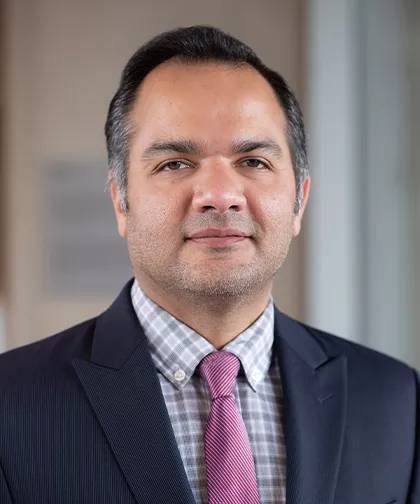
Fellowship Director
Video could not be played
Usman S. Riaz, MD
Program Director, Addiction Psychiatry Fellowship
Salary & Benefits
For coverage information, please call the Bronx Psychiatric Center Personnel Department at 929-348-4029.
For any questions concerning Union, please contact the Public Employees Federation (PEF) office at Bronx Psychiatric Center at 929-348-3317.
The salary for the Addiction Psychiatry Fellowship coincides with posted New York State salaries and is updated annually.
Program Requirements
Individuals accepted into the addiction psychiatry training program must have satisfactorily completed an Accreditation Council for Graduate Medical Education (ACGME)-accredited residency in psychiatry.
The complete application packet includes the following:
- Letter of interest
- Completed application
- Documentation from current or prior psychiatry residency training director of (anticipated) successful completion of program requirements
- Curriculum vitae
- Three letters of reference
- Medical and/or graduate school transcripts
- Evidence of state licensure
- United States Medical Licensing Examination (USMLE) status
- Educational Commission for Foreign Medical Graduates (ECFMG) status, where applicable
- Proof of citizenship and visa status (if applicable), such as a birth certificate, passport, or green card
All qualified applicants will be invited to a daylong interview with the program director and faculty, which will include site visits.
Requirements for psychiatry as formulated by the ACGME.
For more information, please contact:
Usman S. Riaz, MBBS
Program Director, Addiction Psychiatry Fellowship
Montefiore Einstein
Belfer Building, Room 403
1300 Morris Park Avenue
Bronx, NY 10461
Maria Perri, Program Administrator
Phone: 718-430-3080
Phone: 929-348-3133
Email: Mariantonia.Perri@einsteinmed.org