




MD Paul Koors,
Clínica Aórtica
Paul Koors, MD, Clínica Aórtica
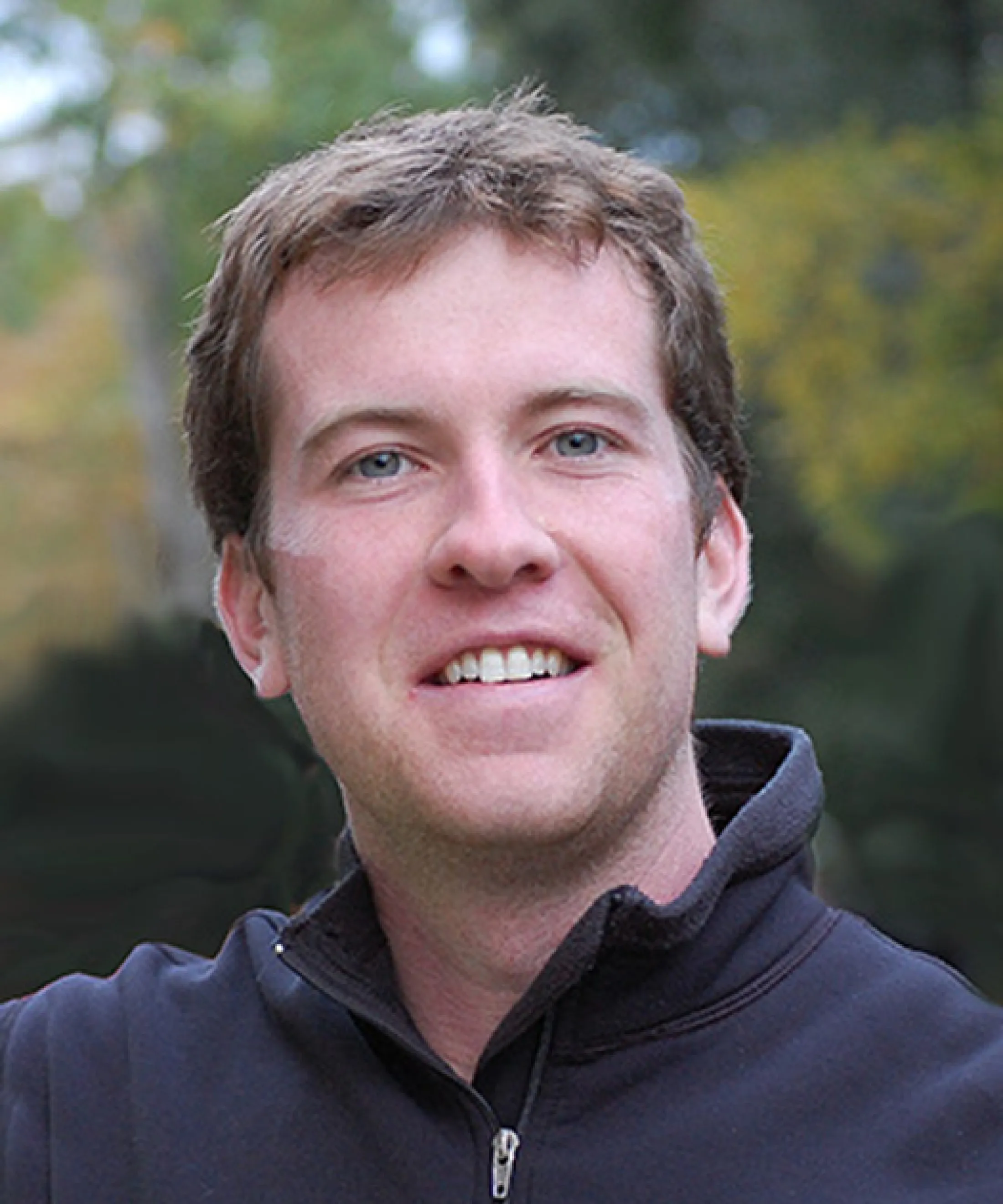
MD Paul Koors
Devoto esposo, hijo, padre, músico, doctor y amigo, el Dr. Paul Koors marcó la vida de innumerables personas a lo largo de su corta pero inspiradora vida. De joven, Paul se interesó por la medicamento en Montefiore, donde su madre, la Dra. Patricia McQuade-Koors, dedicó sus 50 años de carrera como pediatra. Montefiore Einstein tiene un significado especial para la familia Koors.
Para profundizar el impacto de Paul y extender su legado, considere contribuir a la Clínica Aórtica Paul Koors, MD, en Montefiore Einstein. Desde su creación en 2021, la Clínica Aórtica se ha convertido en un recurso indispensable, desempeñando un papel fundamental en el diagnóstico y tratamiento de una amplia gama de complicaciones aórticas, como el síndrome de Marfan y la disección aórtica, la afección que le quitó la vida a Paul. Los esfuerzos más recientes de la clínica se han centrado en comprender mejor la genómica de la enfermedad aórtica, lo que permitirá a los médicos realizar diagnósticos más tempranos, ofrecer opciones de tratamiento más sólidas y compartir sus conocimientos.
Para obtener más información, comuníquese con: Kristen Kidder
Vicepresidente adjunto de Desarrollo
Montefiore Einstein
718-430-2412 | kristen.kidder@einsteinmed.edu
Con socios como usted y la Fundación Paul Koors Memorial, Montefiore Einstein está preparado para lograr avances significativos en la investigación genómica, la capacitación de médicos y la educación comunitaria.
Próxima generación
Investigación colaborativa
La Clínica Aórtica es la sede de la Iniciativa de Investigación y Educación sobre la Enfermedad Aórtica Montefiore Einstein (ADREI). Entre las intervenciones más vanguardistas de ADREI en genómica y enfermedad aórtica se encuentran las investigaciones sobre el genoma no codificante, el 98 por ciento de nuestro ADN que no son los genes en sí. Un equipo dirigido conjuntamente por Joseph DeRose, MD , Profesor de Cirugía Cardiotorácica y Vascular, y John Greally, DMed, MB, BCh, BAO, PhD, Profesor de Genética y Pediatría, Chief de la División de Genómica, Director Ejecutivo del New York Center for Rare Diseases y Director del Centro de Epigenómica, está desarrollando tecnología de secuenciación de ADN y enfoques analíticos computacionales para interpretar los cambios en esa parte del genoma.
Para comprender mejor las células implicadas en la enfermedad aórtica, los investigadores suelen estudiar el tejido aórtico extirpado durante la cirugía. Los Dres. DeRose y Greally están recolectando muestras en el quirófano y analizándolas mediante herramientas avanzadas de secuenciación de ADN. El objetivo del equipo es mejorar el diagnóstico y el tratamiento definiendo el daño al ADN no codificante que causa las enfermedades de la aorta torácica.

Joseph DeRose, MD

John Greally, DMed, MB, BCh, BAO, PhD
Difusión a colegas clínicos
Reconociendo la importancia de la educación y la promoción para el avance de este campo, los Dres. DeRose y Greally organizan regularmente "Cenas Aórticas", una iniciativa clave de ADREI que reúne a expertos para compartir nuestra labor vital y promover la concienciación. Al destacar los nuevos avances y analizar sus implicaciones para la atención médica al paciente, buscamos inspirar esfuerzos colaborativos que conduzcan a mejores resultados para las personas afectadas por esta afección potencialmente mortal.