


Our Approach to Urogynecology & Reconstructive Pelvic Surgery

Video could not be played

Video could not be played

Video could not be played
Montefiore Einstein Urogynecology and Reconstructive Pelvic Surgery provides comprehensive and individualized care for women with a broad spectrum of urinary tract and pelvic floor disorders. Our renowned, multidisciplinary team of doctors includes fellowship-trained urologists and gynecologists who collaborate closely with colorectal surgeons, gastroenterologists, physiatrists and physical therapists to provide a full range of specialized diagnostic and therapeutic services for all pelvic floor disorders. We develop individualized treatment plans using the latest diagnostics and treatments to help restore sexual and urinary function, relieve pain and improve the quality of life for each patient. We’re ranked in the top 1% of all U.S. hospitals for urology, according to U.S. News & World Report, and we are a regional referral site for the most complex cases.
Video could not be played
Advanced Diagnostics & Treatments
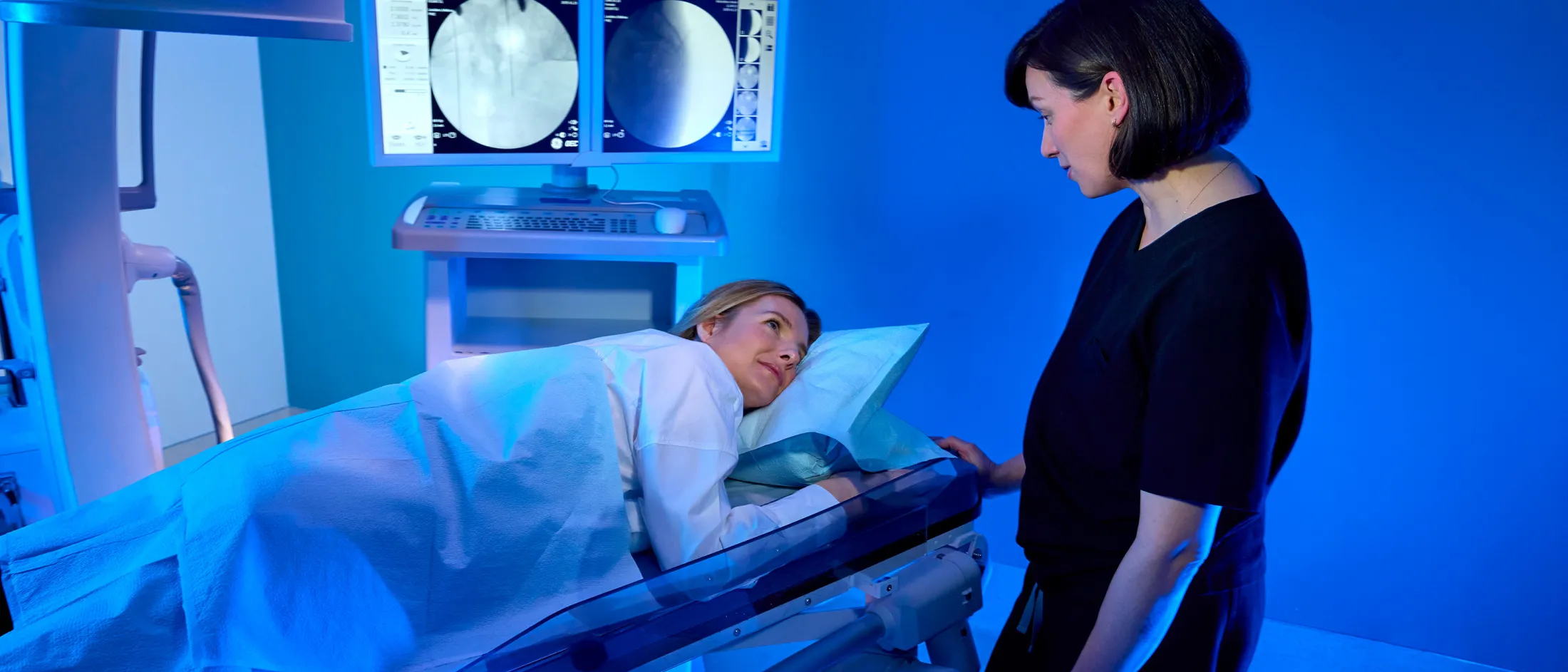
We use advanced diagnostic testing technologies, including cystourethroscopy techniques and multichannel video urodynamic studies.
Our specialists offer a wide variety of non-surgical treatments, such as:
- Behavior counseling
- Dietary counseling
- Pelvic floor rehabilitation
- Bulking agents
- OnabotulinumtoxinA (Botox®) injections
- Vaginal trigger point injection
- Vaginal pessaries
- Bladder instillations
- Percutaneous tibial nerve stimulation (PTNS)
- Vaginal trigger point injection
- Hormone replacement therapy
- Medications
- Newly emerging therapeutics
- OnabotulinumtoxinA (Botox®) injections
If surgery is necessary, our experts specialize in advanced surgical approaches including the latest in complex urogenital reconstruction and minimally invasive procedures, such as laparoscopic, robotic, cystoscopic and vaginal surgeries for faster recovery.
- Midurethral sling procedures
- Procedures for the management of mesh and graft complications
- Revi System implantable tibial neuromodulation (iTNM)
- Sacral neuromodulation (such as Axonics and InterStim)
- Diverticulectomy for urethral diverticula
- Repairs for urogenital fistulas
- Uterine-preserving, robot-assisted vaginal colpopexy

Research & Clinical Trials
We are leading collaborative research and spearheading numerous studies and clinical trials, including several funded by the National Institutes of Health (NIH). Our researchers actively conduct basic, translational and clinical research to advance our understanding and treatment of female urological conditions and pelvic floor disorders.
The main areas of our research focus on understanding the underlying mechanisms and pathophysiology of pelvic floor disorders, including bladder pain syndrome and overactive bladder. We are also exploring the applications of telemedicine in urogynecology and reconstructive pelvic surgery, as well as the association of frailty with pelvic floor dysfunction. Our research is also focused on evaluating patient-centered metrics such as satisfaction and decisional regret following various procedures, such as sacral neuromodulation for refractory overactive bladder. Through NIH-funded grants, we are investigating novel molecular mediators and potential therapeutic targets for managing diabetic bladder dysfunction and studying the role of neuron-satellite glia cell signaling in pelvic pain and visceral cross-sensitization.
Through our clinical trials, we’re able to provide patients with access to treatments not yet available to the general public.

Video could not be played
Your Urogynecology & Reconstructive Pelvic Surgery Team

Video could not be played
Nitya E. Abraham, MD

Video could not be played
Whitney L. Clearwater, MD, MPH

Video could not be played
Yvette A. Duchein, NP, MSN
Video could not be played
Paula M. Keatley, FNPBC, NP

Video could not be played
Melissa A. Laudano, MD

Video could not be played
Noelle Waldschmidt, MD

Video could not be played