Video could not be played
Feature
Breaking Barriers: The Einstein Alum Who Challenged Disability Bias in Medical Education
April 22, 2026
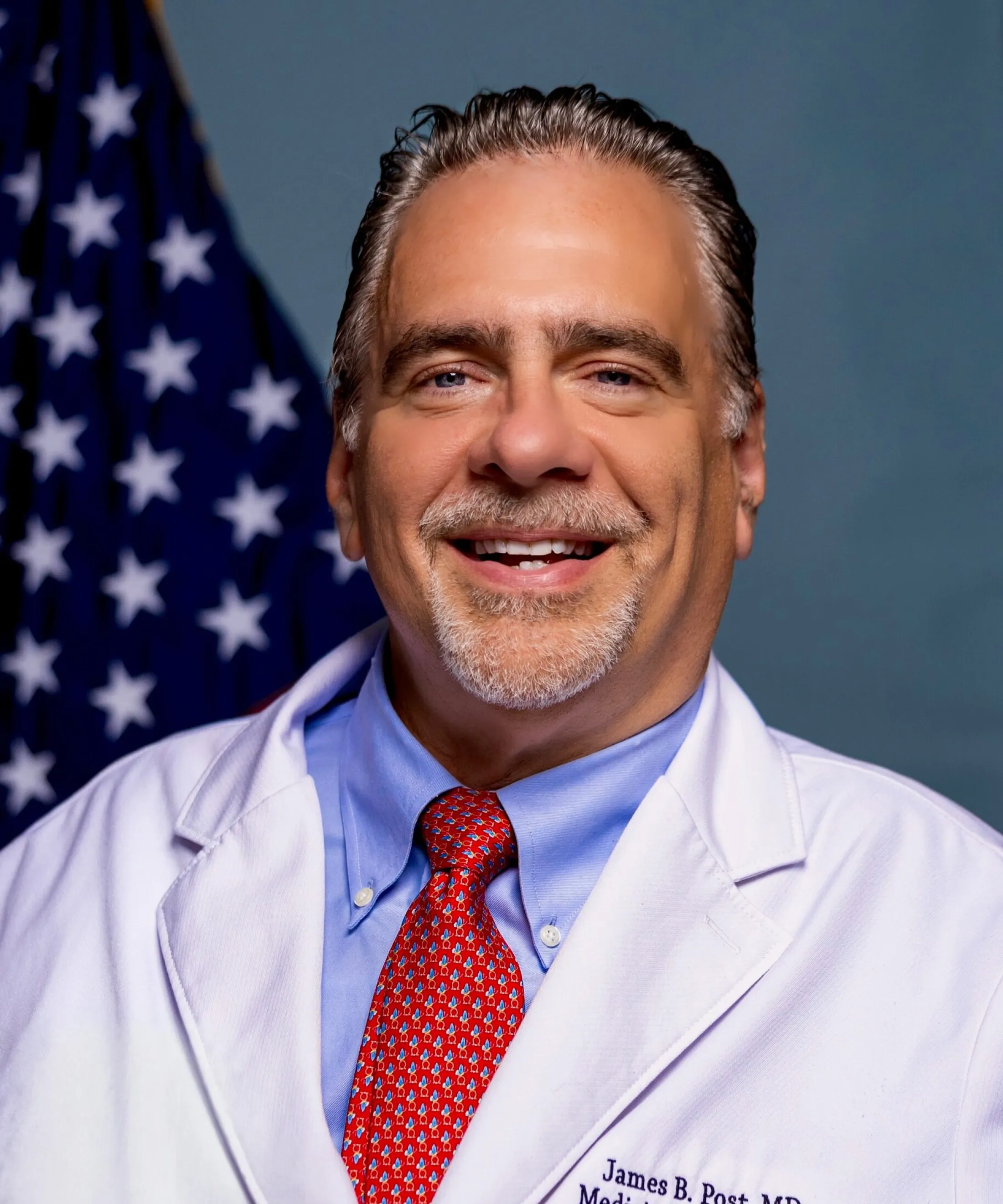
After a diving accident at the age of 14, James Post, M.D. '97, was told he would never walk again. During his long rehabilitation journey, while learning to live with quadriplegia, he became fascinated with how the human body works and set his sights on becoming a doctor. Despite graduating summa cum laude from the King’s College pre-med program, scoring in the 95th percentile on the MCAT, taking graduate-level biochemistry courses, and volunteering at a rehabilitation center, he was rejected from every medical school he applied to.
Video could not be played
James Post, M.D.
But Dr. Post refused to be discouraged. During his next round of applications the following year, he made the difficult decision to share his story with the media.
“The admissions offices at the time weren’t sugarcoating their words,” Dr. Post said. “They were openly telling me I was being rejected because of my disability, and I knew that wasn’t right. At first, I didn’t want any attention. I just wanted to go to medical school and carry on with my life. But I got to the point where I felt I didn’t have anything to lose.”
He started with a local journalist in his hometown of Wilkes-Barre, Pennsylvania. The article was picked up by the Associated Press, grabbing national attention. “After that my phone didn’t stop ringing—CNN, NBC, talk shows, radio shows, the New York Times—you name it and they were calling with opportunities to share my story,” Dr. Post recalled. He even worked with the Pennsylvania state legislature to pass the Post bill, which broadened the anti-discrimination clause in the Pennsylvania Fair Education Act.
Video could not be played
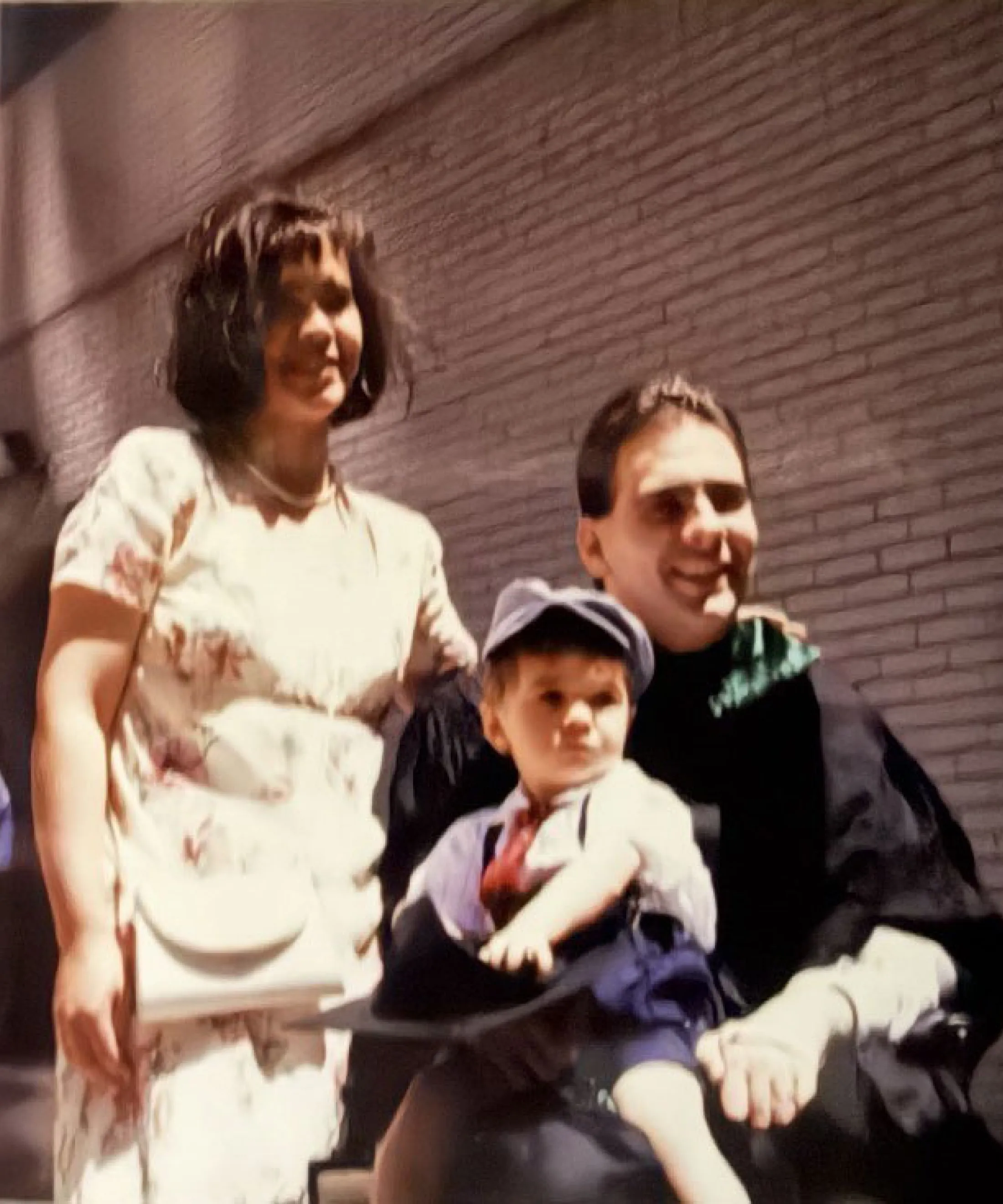
Saretha Post (left), Dr. James Post (right), and their son Jimmy Post.
Because of the widespread media attention, Dr. Post was introduced to Herbert Howard Schaumburg, M.D., distinguished professor emeritus of neurology and pathology at Einstein—the first person in the U.S. to undergo a full vertebral fusion after contracting polio as a child. Their shared experiences created an immediate connection, and Dr. Schaumberg later attended the Faith Daniels Show to support Dr. Post when he appeared as a guest. During the broadcast, he publicly encouraged Dr. Post to apply to Einstein, which he promptly did. “After flying to New York to interview, Einstein took time to ask detailed questions and focused on my abilities, not just my disability,” Dr. Post said.
“Dr. Schaumberg advocated for me throughout the admissions process,” said Dr. Post. “He was my voice to really help people understand my plans and needs. I knew I couldn't become a trauma surgeon. I knew I couldn't become an OBGYN, but at the same time, I knew that medicine was a big enough field that I could choose a specialty where I could apply my knowledge and make a difference for patients.”
During medical school, his wife, Saretha, helped with note taking and other tasks and he hired a physician’s assistant to help with clinical exams as needed.
As graduation approached, Dr. Post ultimately chose internal medicine as his specialty and later focused in on nephrology. “I saw being a nephrologist as a turbo-charged internist,” said Dr. Post. “You still need all your internal medicine knowledge to be a good kidney doctor. You must understand heart failure, infectious diseases, endocrinology, and more. It’s very cerebral and challenging and I was drawn to that.”
Video could not be played
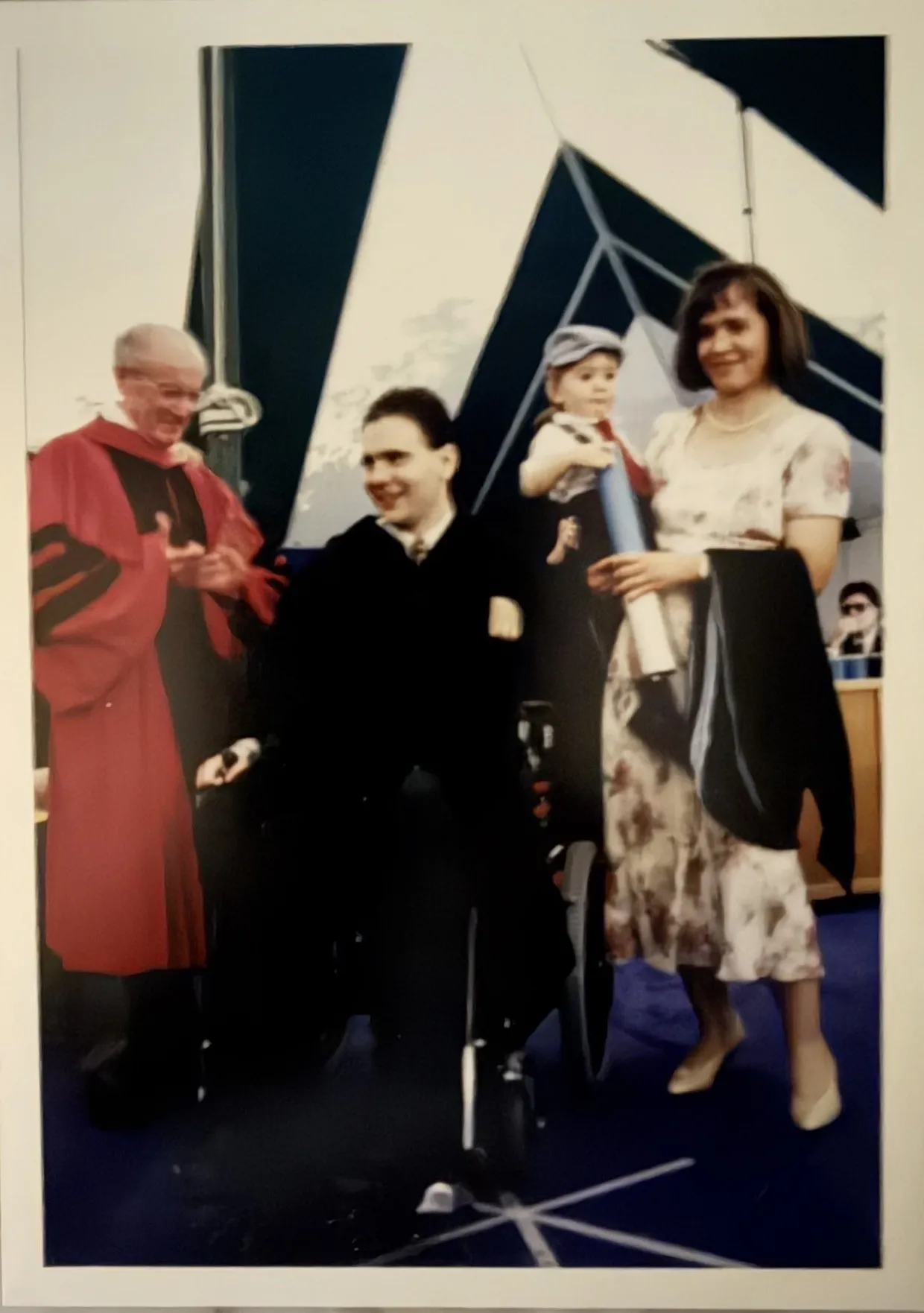
Dean Dominick P. Purpura, Dr. James Post receiving his Einstein diploma with his wife Saretha Post and son Jimmy Post.
After completing his residency in internal medicine and fellowship in nephrology at Lenox Hill Hospital, Dr. Post joined the Veterans Affairs Bronx Healthcare System (Bronx VA) as a general nephrologist doing primarily clinical work. After a few years he applied for and received a highly sought after career development grant for young physician-scientists and studied the impact of chronic intervening hemodialysis on cognition in veterans. Dr. Post went on to become chief of internal medicine and deputy chief of staff at the Bronx VA.
“I was drawn to the VA because there were a lot of patients who didn’t have much advantage and I felt I could really make a huge difference in their lives by taking time to teach them about their conditions and medications,” said Dr. Post. “I also liked that the Bronx VA was affiliated with an academic medical center (Mount Sinai) where I held an academic appointment as associate professor. Teaching and exchanging information with fellows and residents was always energizing.”
Today, Dr. Post is the chief of medicine at the West Palm Beach VA Healthcare System and resides in Jupiter, Florida with his wife. Beyond his clinical and leadership roles, he is a nationally recognized keynote speaker, delivering a powerful message of strength through adversity, including through his TED Talk. He is also currently writing a book that will share his journey and the lessons he has learned along the way.
His advice for medical students is straightforward: “You really have to be honest about what excites you the most. Don’t chase the hottest specialty trends. Find the things that truly inspire you and you can achieve anything you set your mind to. I’m living proof.”