Video could not be played
Feature
Two Scientists Win 2025 Dennis Shields Postdoctoral Prize
October 24, 2025
Video could not be played
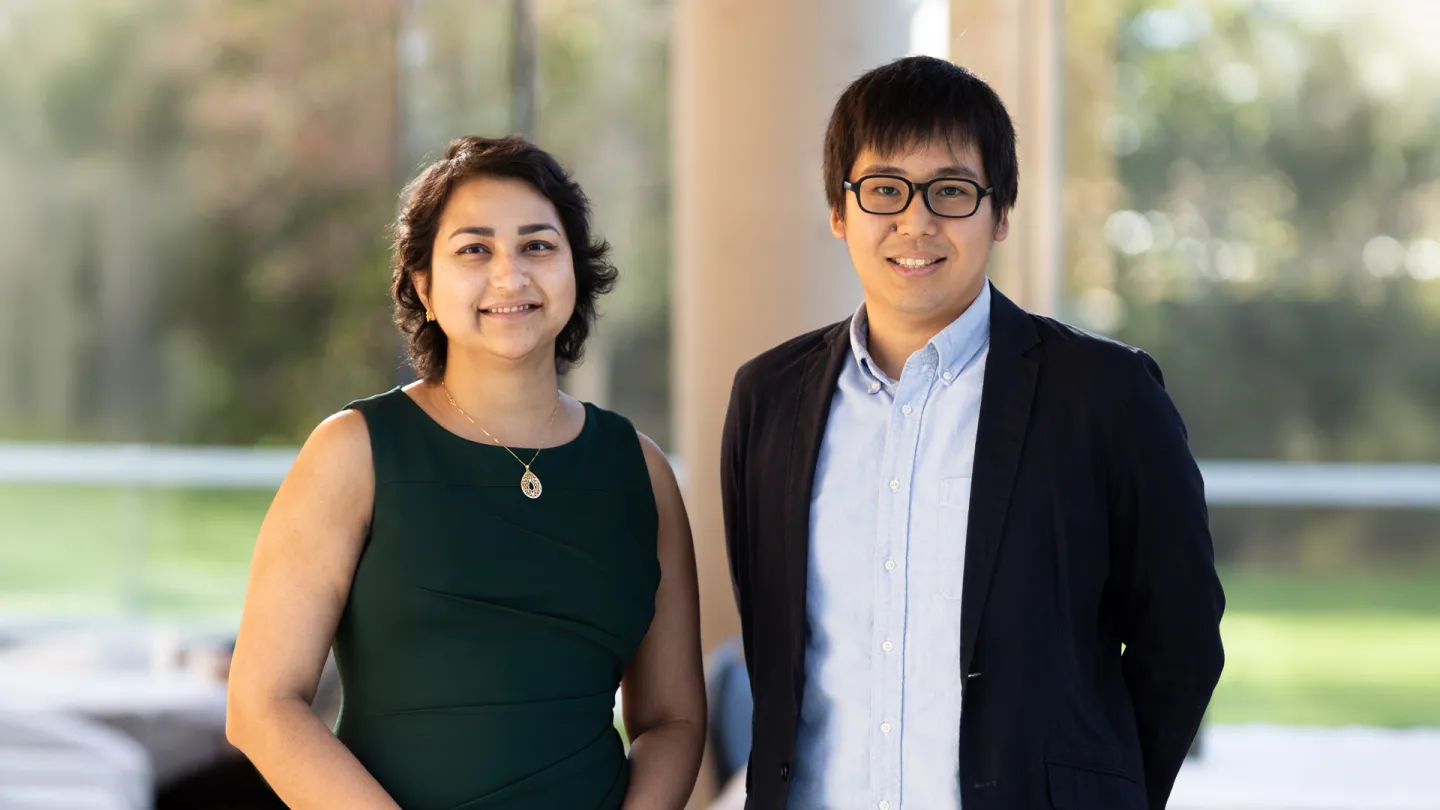
Einstein postdoctoral fellows Rabia Raheel Khawaja, Ph.D., in the department of developmental and molecular biology, and Junichi Okada, M.D., Ph.D., in the department of medicine, were honored for their research excellence.
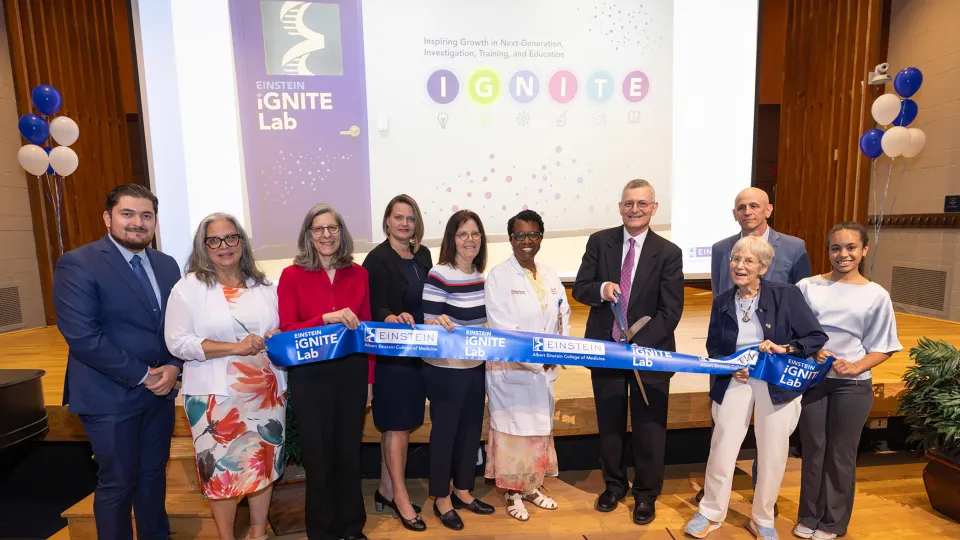
The Belfer Institute for Advanced Biomedical Studies celebrated the 21st annual Dennis Shields Postdoctoral Research Prizes on Oct. 21 during an event honoring two scientists whose research and published work exemplify excellence in their fields.
This year's winners were Rabia Raheel Khawaja, Ph.D., a postdoctoral research fellow in the department of developmental and molecular biology, and Junichi Okada, M.D., Ph.D., a postdoctoral research fellow in the department of medicine, division of endocrinology.
“Postdoctoral fellows are one of the key components of Einstein’s research success, playing a vital role in our labs and driving pioneering science,” said Anne Bresnick, Ph.D., associate dean for postdoctoral affairs and director of the Belfer Institute. “Although the Shields Prize is just one of our annual events that celebrate postdocs, it is a special opportunity to acknowledge two postdocs for their distinctive research contributions.” Dr. Bresnick is also a professor of molecular pharmacology and of biochemistry at Einstein and associate director for cancer research training and education within the National Cancer Institute-designated Montefiore Einstein Comprehensive Cancer Center.
At the event, which was held in the LeFrak Auditorium at the Michael F. Price Center/Block Pavilion, Dr. Bresnick greeted the audience of faculty, students, staff, and postdocs. Yaron Tomer, M.D., the Marilyn and Stanley M. Katz dean at Einstein and chief academic officer at Montefiore Einstein, presented each investigator with a check for $5,000 prior to their scientific presentations.
The annual award, established in 2004, was renamed for Dennis Shields, Ph.D., in 2009. Dr. Shields was a professor of developmental and molecular biology and of anatomy and structural biology at Einstein for 30 years until his death in 2008. “It's so important that we maintain traditions such as this event,” Dr. Bresnick said. “Dennis was a true champion for postdocs, and these prizes honor his memory and the legacy he established as the first director of the Belfer Institute.”
Scientists Present Their Work
The two honorees presented their published research during the event.
Video could not be played
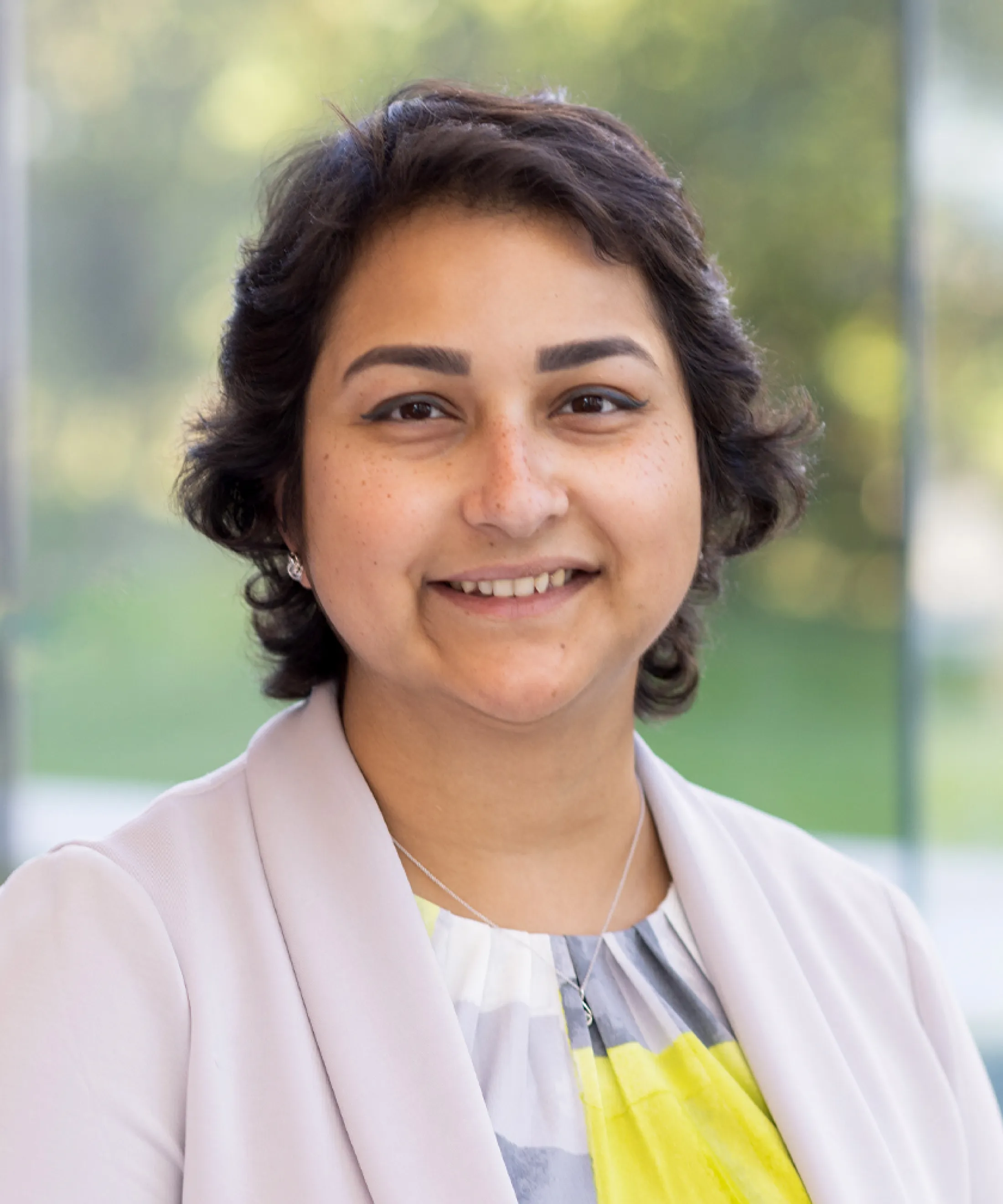
Rabia Raheel Khawaja, Ph.D.
Dr. Khawaja’s work was conducted in the laboratory of Ana Maria Cuervo, M.D., Ph.D., distinguished professor of developmental & molecular biology and of medicine and the Robert and Renée Belfer Chair for the Study of Neurodegenerative Diseases.
Dr. Khawaja’s research, published in Nature Aging in February 2025 and Nature Cell Biology in October 2025, involves chaperone-mediated autophagy (CMA), a “cleaning” process that all cells use to break down and recycle old or otherwise unwanted intracellular proteins. Declines in CMA occur with aging and are associated with Alzheimer’s and other age-related diseases.
In her Nature Aging paper, Dr. Khawaja and colleagues discovered that aging’s impact on CMA differs in male and female mice. In most of the tissues analyzed, CMA’s decline with age was more pronounced in males than females, underscoring the need for targeted approaches in developing therapies for revving up CMA efficiency.
The Nature Cell Biology paper reported that CMA digests different proteins in the brains of males and females. In addition, blocking CMA in neurons of both sexes led to hyperexcitability, increased seizure susceptibility and disruption in synaptic function, but those effects were more pronounced in females. In mouse models of aging and neurodegeneration, activating CMA effectively reduced neuronal hyperexcitability and seizure susceptibility, normalized neurotransmission, and improved learning and memory.
Video could not be played
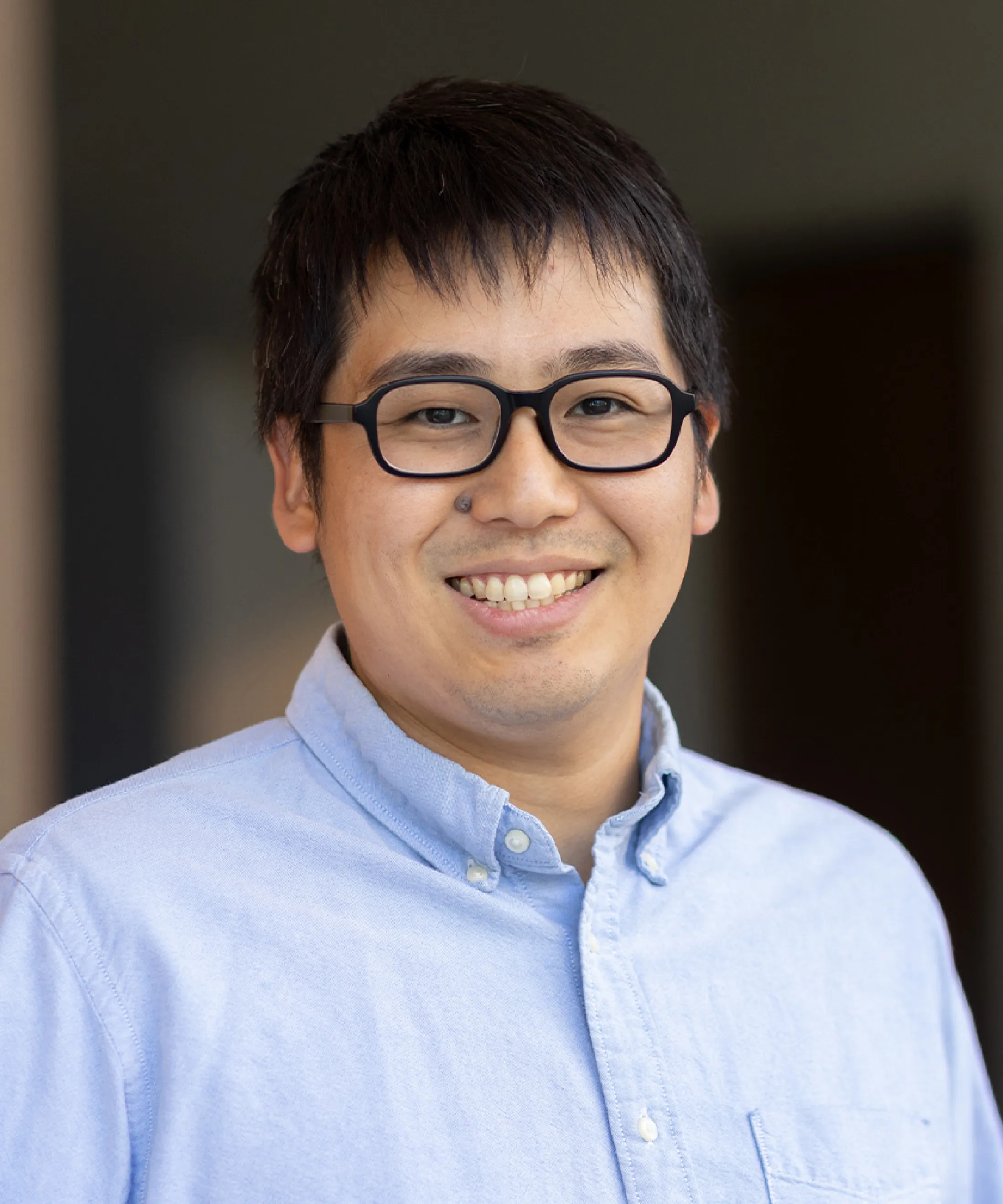
Junichi Okada, M.D., Ph.D.
Dr. Okada’s work was conducted in the laboratory of Jeffrey E. Pessin, Ph.D., professor of medicine and of molecular pharmacology, the Judy R. and Alfred A. Rosenberg Professorial Chair in Diabetes Research at Einstein, and the director of the New York Regional Diabetes Research Center.
Dr. Okada’s research, published in April 2025 in Nature Metabolism, focuses on how the liver shifts its metabolic functions over space and time.
The liver performs many metabolic tasks, including gluconeogenesis (glucose production) and lipogenesis (production of fatty acids and lipids). Those and other tasks were thought to be “assigned” to discrete hepatocytes, the dominant cell type in the liver. But in their study, Dr. Okada and his Einstein colleagues discovered that the liver is a dynamic organ, with hepatocytes shifting their metabolic functions over space and time in response to fasting.
The researchers showed that, as fasting progresses, gluconeogenesis expands from the periportal area of the liver (where most glucose production normally occurs) to the pericentral area—recruiting more of the liver’s tissue to pump out glucose. The findings could shed light on the underlying causes of insulin resistance in people with type 2 diabetes and offer insights into the effects of intermittent fasting, a common dietary regimen for weight loss.