Noticia breve
Información sobre una forma rara de demencia
30 de marzo de 2026
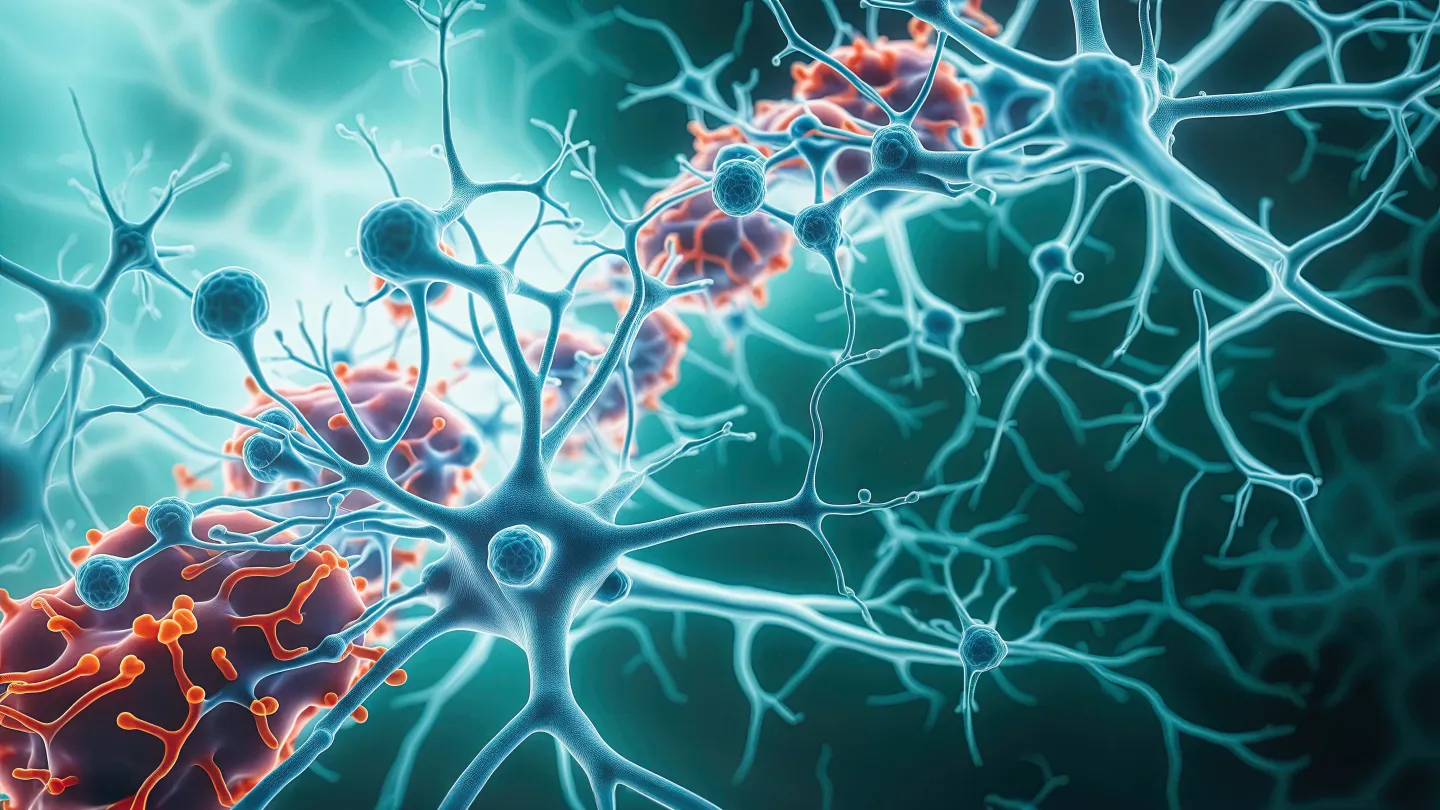
La leucoencefalopatía relacionada con el receptor CSF-1 (CRL) es una enfermedad neurodegenerativa rara que provoca demencia y deterioro motor, causada por mutaciones con pérdida de función en el gen CSF1R, fundamental para el desarrollo y la función de las células inmunitarias del cerebro conocidas como microglía. Utilizando un modelo de ratón de CRL que ellos mismos desarrollaron, E. Richard Stanley, Ph.D., Violeta Chitu, Ph.D., y sus colegas del Albert Einstein College of Medicine y otros centros estudiaron los cambios tempranos en la microglía antes de que aparecieran los síntomas.
Como se describe en un estudio publicado el 26 de febrero en el Journal of Clinical Investigation, la reducción de la señalización a través del receptor CSF-1 altera la forma en que la microglía regula la distribución de iones metálicos esenciales como el zinc, el cobre y el hierro en el cerebro. La microglía CRL comienza a acumular anormalmente estos metales y a "atraparlos", privando a otras células cerebrales, como las neuronas y las células endoteliales (de los vasos sanguíneos), de los iones que necesitan para funcionar correctamente. Este desequilibrio, caracterizado por una acumulación excesiva de metales en la microglía y una menor disponibilidad para otras células, se produce en un contexto de disminución de los niveles de metalotioneínas, proteínas que normalmente regulan la distribución de metales y protegen a las células del daño oxidativo. Incluso en la fase presintomática, estos cambios desencadenan respuestas de estrés y disfunción temprana en neuronas, oligodendrocitos (células que ayudan a aislar las fibras nerviosas) y células endoteliales. Con el tiempo, estas alteraciones contribuyen a la neurodegeneración. Es importante destacar que la restauración de los niveles de metalotioneína en ratones corrigió los desequilibrios de metales, redujo el estrés celular y previno los síntomas conductuales. Estos hallazgos sugieren posibles estrategias para prevenir la leucoencefalopatía crónica y posiblemente otros trastornos neurodegenerativos.
El Dr. Stanley es profesor emérito de biología del desarrollo y molecular . El Dr. Chitu, primer autor, es profesor investigador de biología del desarrollo y molecular.