Característica
Dra. Lucy Shapiro: Celebrando una vida científica
La reconocida bióloga molecular y del desarrollo Lucy Shapiro, PhD '66, sigue haciendo descubrimientos innovadores.
17 de septiembre de 2025
Nota del editor: La exalumna de Einstein, Lucy Shapiro, PhD de 1966, recibió el Premio Lasker-Koshland al Logro Especial en Ciencias Médicas 2025. Esta entrevista con la Dra. Shapiro se publicó originalmente en la edición de verano/otoño de 2023 de la revista Einstein. Todas las fotos son cortesía de la Dra. Shapiro.
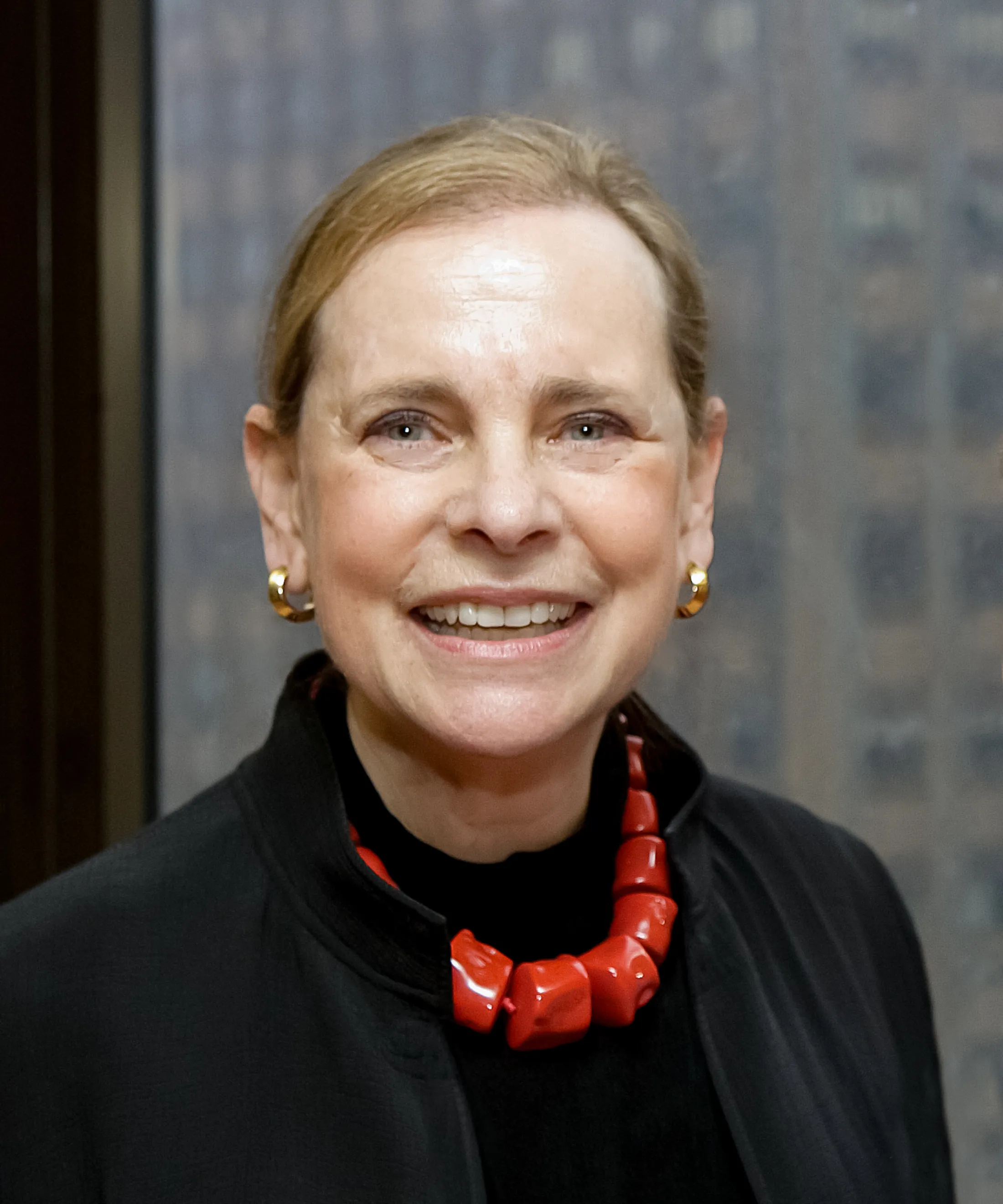
Lucy Shapiro, Doctora en Filosofía '66
Para la Dra. Lucy Shapiro, directora del Centro Beckman de Medicina Molecular y Genética de la Facultad de Medicina de la Universidad de Stanford, la vida ha sido una serie de momentos decisivos, todos arraigados en la ciencia. Desde el momento en que, en la universidad, vio por primera vez la imagen tridimensional de una molécula orgánica, quedó fascinada. "Tengo memoria fotográfica y puedo rotar las cosas en el espacio mentalmente", explica, "y me di cuenta de que la química orgánica es simplemente hermosa".
La Dra. Shapiro se doctoró en biología molecular en Albert Einstein College of Medicine y se convirtió en la primera mujer en dirigir un departamento en 1977. Posteriormente, impulsaría el campo de la biología de sistemas en Stanford, asesoraría a dos presidentes estadounidenses sobre la resistencia a los antibióticos y las amenazas del bioterrorismo, recibiría la Medalla Nacional de Ciencias del presidente Barack Obama y cofundaría empresas biotecnológicas, entre muchos otros logros. Atribuye gran parte de su éxito a la capacitación que recibió en Einstein, que fue «extraordinaria, exigente y rigurosa, pero siempre alentadora».
Nos reunimos con la Dra. Shapiro, quien recientemente celebró su cumpleaños número 83, para preguntarle sobre esos momentos decisivos y cómo dieron forma a su notable carrera.
Estudiaste en la Escuela Superior de Música y Arte de Harlem para ser pintor, pero terminaste estudiando dos carreras: Bellas Artes y Biología en la universidad. ¿Por qué Biología?
Cuando ingresé a Brooklyn College, su programa de honores acababa de comenzar. Diez de los estudiantes de primer año fuimos seleccionados, lo que significaba que no teníamos ningún requisito. Hice lo que quería, principalmente arte, y me ayudé a mantenerme en la universidad con la ilustración médica. La biología era interesante y el ADN estaba en auge: era el inicio de la biología molecular, la comprensión de los fundamentos bioquímicos de este nuevo mundo que había comenzado en 1953 con el descubrimiento de la doble hélice por [James] Watson y [Francis] Crick. Así que también tomé cursos de biología, pero nunca dejé el arte.
El Dr. Shapiro en 1974, examinando una placa de Petri como profesor asociado de biología molecular en Einstein.
¿Cómo llegaste a Einstein?
Mientras aún estudiaba en Brooklyn College, exhibí una pintura en una exposición de arte y conocí a un científico, Theodore Shedlovsky [PhD], que estaba allí desde la Universidad Rockefeller. Era un distinguido físico-químico y violinista, y siempre encontraba jóvenes con potencial artístico y los convencía de darle una oportunidad a la ciencia. Me animó a estudiar química orgánica. No tenía formación en química, pero logré matricularme en el curso de química orgánica de honores de Brooklyn College y obtuve una A. Ese curso marcó el comienzo del resto de mi vida, uno de mis momentos decisivos.
Después de graduarme, el Dr. Shedlovsky me animó a adquirir experiencia en un laboratorio. Me envió al laboratorio de Jerry Hurwitz y Tom August, en el departamento de microbiología de la Facultad de Medicina de la Universidad de Nueva York. Estudiaban las ARN polimerasas dependientes del ADN. Sabía preparar una solución molar, así que me contrataron. Era un laboratorio exigente, orientado a hombres, y se esperaba mucho de nosotros. Era la época dorada de los descubrimientos en biología molecular, y éramos un punto de apoyo para personas de todo el mundo que venían a visitar el laboratorio, así que cuando me ofrecieron la oportunidad de cursar un doctorado, acepté.
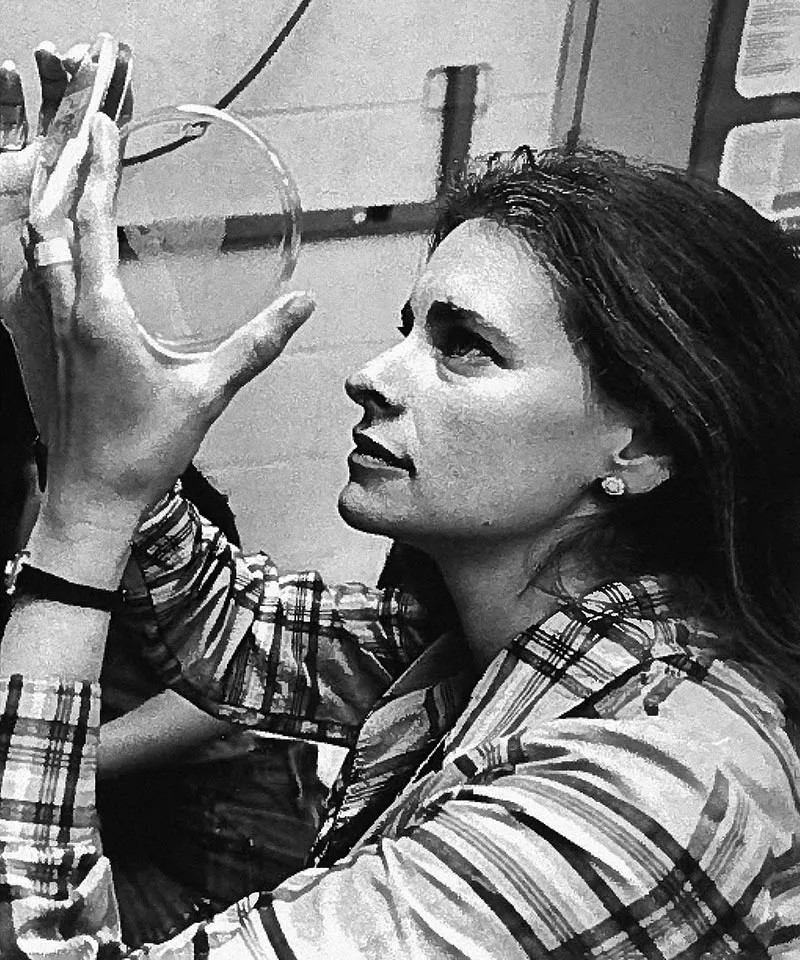
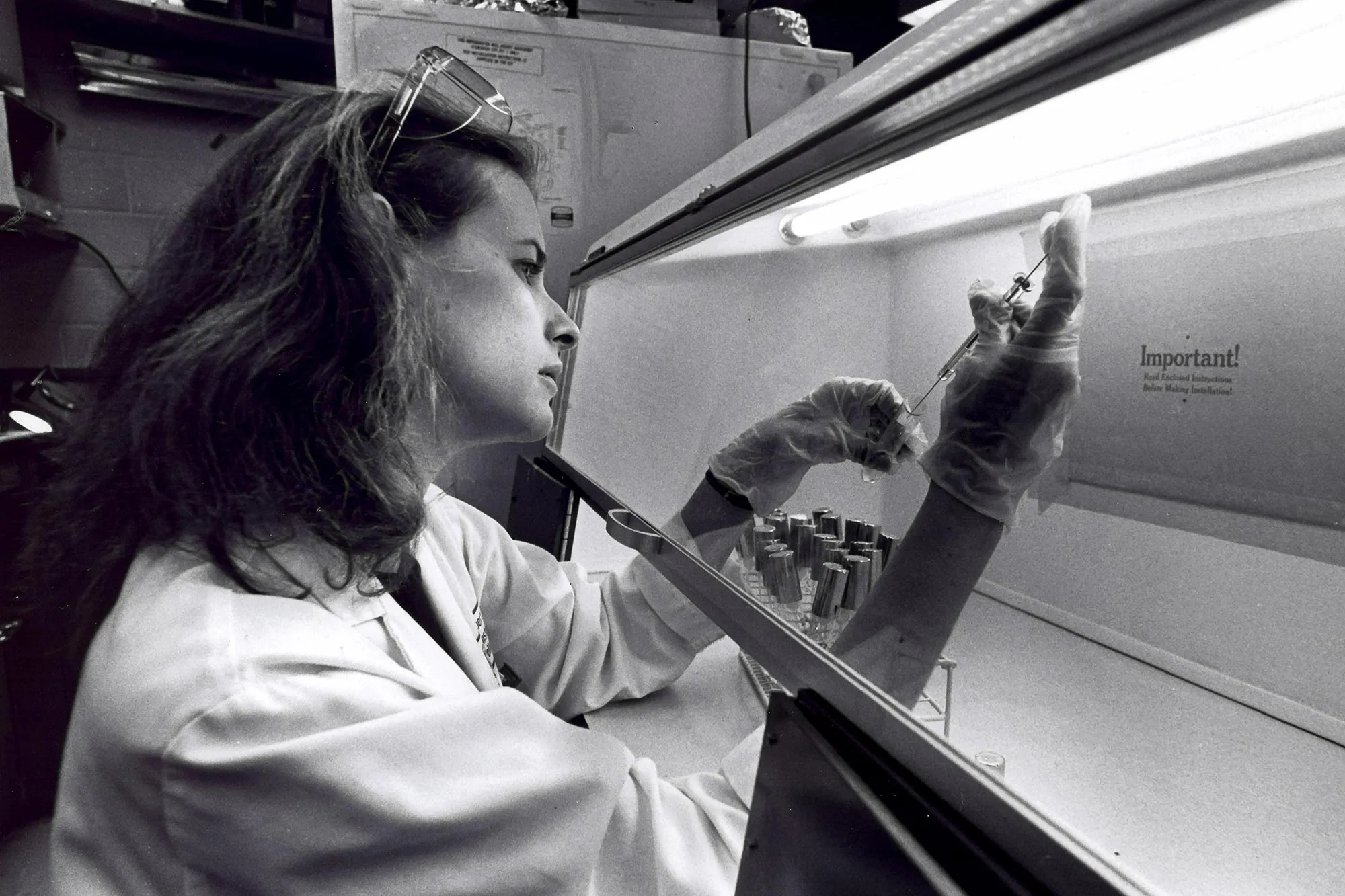
La Dra. Shapiro trabajando en su laboratorio de Einstein en 1978 como profesora y directora de biología molecular.
Al año siguiente, todo el departamento se trasladó al Bronx y a su nueva sede en Einstein, reconstituido como el departamento de biología molecular. La capacitación que recibí en Einstein fue exigente y rigurosa; no cabía duda de que nos enseñaban a ser los mejores del mundo. En ese momento de la evolución de la biología molecular, solo sabíamos copiar ADN para producir ARN. La transcripción inversa de ARN a ADN llegó mucho más tarde. Pero a mediados de la década de 1960, para mi investigación de PhD en Einstein, estudié el primer fago [virus bacteriano] con ARN que se identificó. Y descubrí que, para multiplicarse, utilizaba una ARN replicasa, una enzima que cataliza la replicación del ARN a partir de una plantilla de ARN. En 2020, la ARN replicasa del virus SARS-CoV-2 fue la principal responsable de la pandemia de COVID-19 que azotó el mundo.
Tras pasar seis meses en el laboratorio del PhD Julius Marmur como investigador postdoctoral, el catedrático de biología molecular de Einstein, el PhD Bernard Horecker, le pidió que regresara como miembro del profesorado. Le dijo que podía dedicarse a lo que quisiera.
Sí, ese fue otro momento decisivo. Me dijo: «Quiero que inicies un laboratorio, pero no por tres meses. Primero quiero que pienses, leas y decidas qué pregunta importante hay ahí fuera que te gustaría explorar». ¿Se te ocurre un regalo mayor para un joven científico? Fue increíble. Así que se me ocurrió la idea de usar la bacteria Caulobacter [crescentus] para abordar una pregunta clave sin respuesta en biología molecular.
¿Qué fue eso?
Todas las células existen en tres dimensiones, pero ¿dónde está el código genético que les indica dónde colocar las cosas? El desarrollo y la diferenciación dependen fundamentalmente de divisiones celulares asimétricas que dan lugar a dos células hijas diferentes. No teníamos ni idea de cómo sucede esto. Así que decidí buscar el sistema más simple que pude estudiar. Se trataba de Caulobacter crescentus, una bacteria que produce dos células diferentes en cada división: una célula nadadora con un flagelo y una célula inmóvil con un tallo que la mantiene en su lugar.
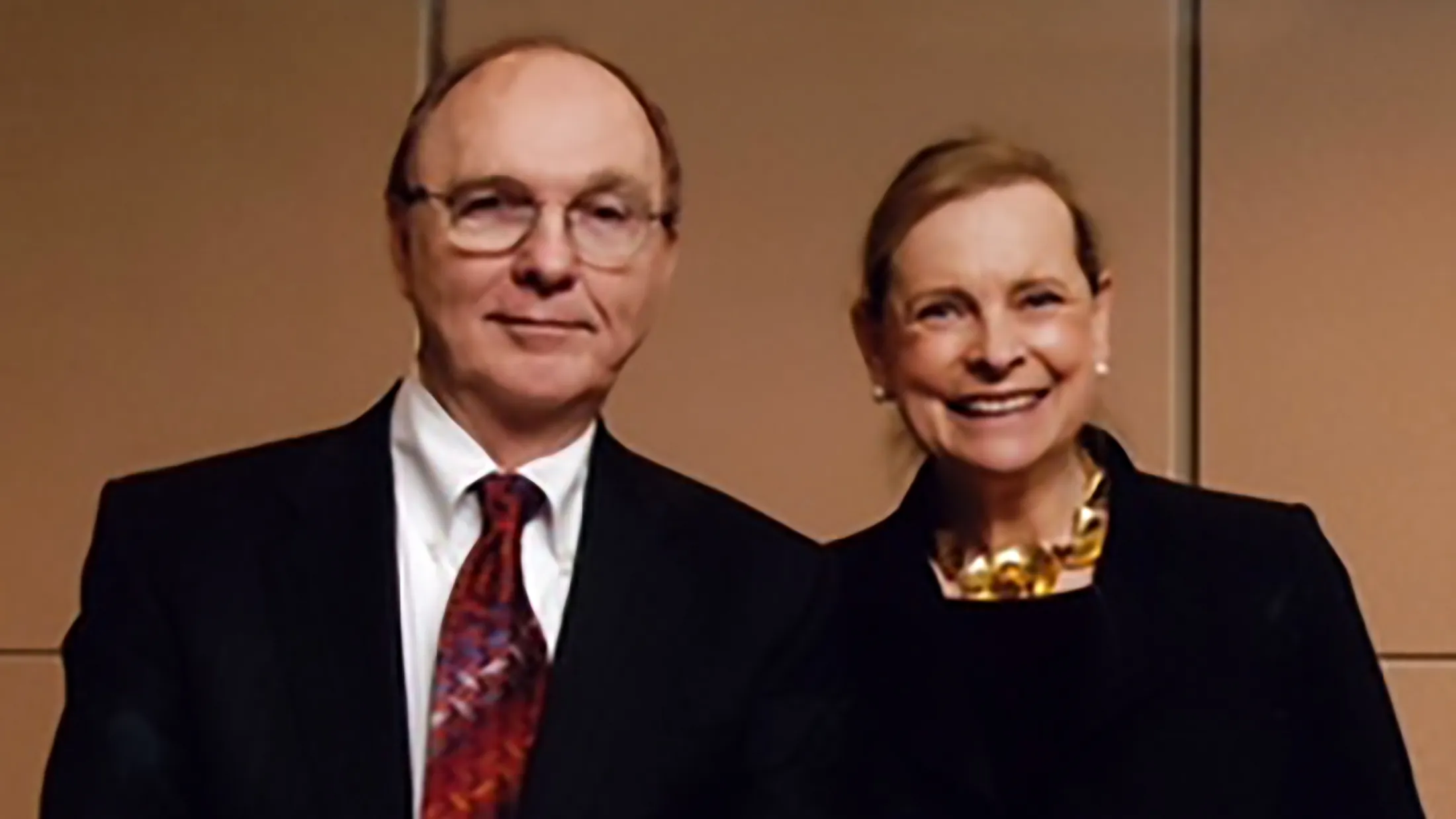
La Dra. Shapiro con su esposo de 45 años, el físico de la Universidad de Stanford Harley McAdams, Ph.D., con quien creó Bio-X, el instituto interdisciplinario de biociencias de la Universidad de Stanford.
Y así comenzó mi trabajo sobre Caulobacter, por el que he ganado muchos premios, incluido mi premio final, la Medalla de Oro Linus Pauling 2022 de la Universidad de Stanford.
Fuiste director de departamento en Einstein y luego en Columbia. ¿Cómo llegaste al otro lado del país, a Stanford?
Había estado en Columbia solo tres años cuando Stanford me pidió que comenzara un nuevo departamento allí. Seguí diciendo que no. Pero un día, uno de los científicos más famosos de Stanford apareció en mi oficina en Columbia, sin anunciarse, con una docena de rosas amarillas. Fui a casa y se lo dije a mi esposo, Harley McAdams [PhD], físico y jefe de departamento en Bell Labs en ese momento. Y él me miró y dijo: "¿Con qué frecuencia alguien recibe una oferta de trabajo como la que acabas de recibir, para construir un nuevo departamento de biología del desarrollo con un cheque de $ 12 millones para contratar profesores? ¿Y con qué frecuencia una mujer recibe una oferta como esa? Vamos". No solo se convirtió en profesor de biología del desarrollo de Stanford, sino que terminamos integrando nuestros laboratorios separados.
¿Cómo funcionó eso?
Los estudiantes de Harley eran físicos e ingenieros; mis estudiantes eran bioquímicos, bacteriólogos, genetistas y biólogos celulares. Cada uno tenía su propio grupo de estudiantes y posdoctorados, pero luego los unimos. Un físico se sentaba en el banco junto a un genetista, y un ingeniero en un escritorio junto a un biólogo celular. Fue el comienzo del trabajo interdisciplinario en Stanford. Y cada vez más laboratorios comenzaron a hacerlo. Era un hervidero de descubrimientos. Teníamos reuniones de grupo todas las semanas. Si uno de mis bioquímicos daba una charla, un ingeniero tenía que entender de qué hablábamos. Así que nos enseñábamos mutuamente el lenguaje del otro. Y el trabajo resultante fue transformador. Cada vez más laboratorios en Stanford comenzaron a hacerlo. Realmente creo que los constantes avances que surgieron de ese laboratorio se debieron a la naturaleza interdisciplinario de lo que hacíamos.
Ha sido mentor de innumerables estudiantes en Stanford; 40 de sus alumnos ahora dirigen sus propios laboratorios de Caulobacter . ¿Por qué es tan importante la mentoría?
Cada vez que tienen un éxito, es mi éxito. Y cada vez que hacen algo emocionante, puedo aprovecharlo. Así es la ciencia. Cuando alguien aprende algo, uno dice: "Bueno, ¿qué puedo hacer con eso? ¿Qué me enseñó que no supiera antes? ¿Qué experimentos puedo hacer para ampliarlo?".
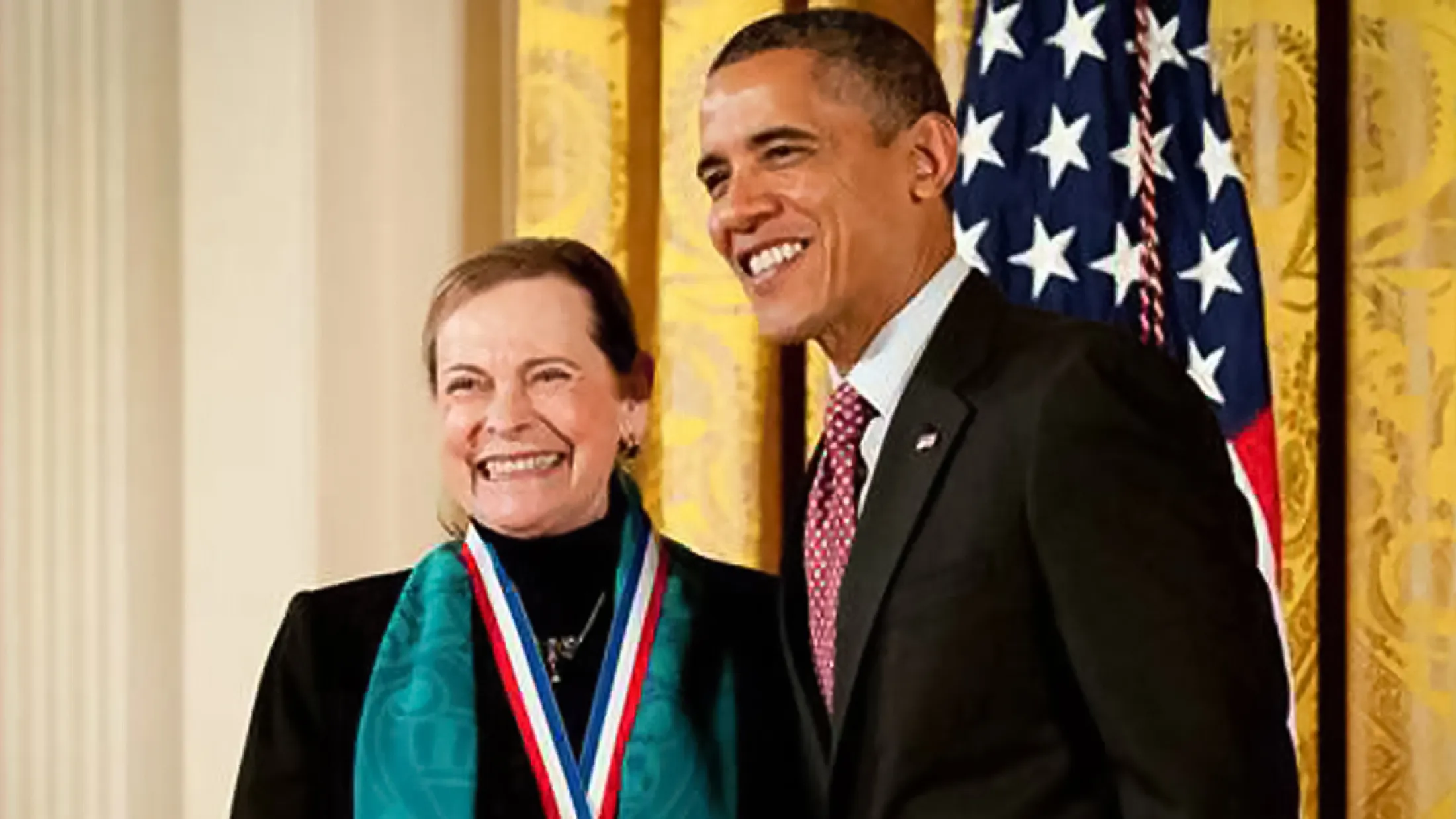
La Dra. Shapiro con el Presidente Obama en la Sala Este de la Casa Blanca, donde recibió la Medalla Nacional de Ciencias 2011.
¿Cómo llegó a desempeñarse como asesor científico de la Casa Blanca?
A principios de la década de 1990, me preocupaban mucho las amenazas que representaban para la población el aumento de la resistencia a los antibióticos, las enfermedades infecciosas emergentes y la posibilidad de bioterrorismo. Para entonces, ya era miembro de la Academia Nacional de Ciencias, con una posición privilegiada. Quería comunicar mis preocupaciones a las personas con poder en Washington, y lo hice. Me invitaron a la Casa Blanca para hablar con el presidente Bill Clinton y su gabinete sobre la resistencia a los antibióticos. Esto me llevó a ser asesor científico del presidente Clinton y, durante la presidencia de George W. Bush, asesor en bioterrorismo del secretario de Seguridad Nacional, Tom Ridge, y de la secretaria de Estado, Condoleezza Rice.
Usted y el PhD Stephen Benkovic, químico de la Universidad Estatal de Pensilvania, decidieron diseñar antibióticos y antifúngicos basados en el boro como sitio activo en lugar del carbono. ¿Por qué el boro?
Revisamos la tabla periódica y encontramos boro justo debajo del carbono. Steve es un químico visionario, y fue la curiosidad lo que lo impulsó a desarrollar nuevas moléculas como posibles fármacos. De eso se trata la ciencia. Nos dijeron: «Esos compuestos serán tóxicos, no pierdan el tiempo». Pero lo intentamos. Steve construyó toda una serie de moléculas centradas en el boro. Me envió los compuestos para que los analizara, y varios mostraron una actividad increíble contra patógenos bacterianos y fúngicos específicos. Cuando reemplazamos el boro de esos compuestos con carbono, descubrimos que perdían toda actividad, lo que demuestra que el boro era clave para su éxito como posibles fármacos. Stanford y Penn State, donde Steve es profesor de química, patentaron nuestros compuestos. Luego, Steve y yo, aprovechando todos los recursos disponibles, obtuvimos la licencia exclusiva de estas patentes para formar la empresa Anacor Pharmaceuticals, especializada en antiinfecciosos basados en la química del boro.
¿Cuál es tu próximo emprendimiento?
Tras vender Anacor a Pfizer, centré mi atención en las pérdidas de cultivos en países en desarrollo debido a infecciones fúngicas, una de las consecuencias del cambio climático. Así, en 2017, Steve y yo formamos la empresa Boragen con el objetivo de descubrir compuestos a base de boro para prevenir las plagas fúngicas en los cultivos. En 2021, Boragen se convirtió en 5Metis, y uno de nuestros compuestos, para eliminar un hongo que devasta los bananos, se está evaluando en ensayos equivalentes a la fase 3 en Nigeria, Uganda y Brasil, y parece muy prometedor. Estos compuestos también son eficaces contra otras enfermedades fúngicas, como la roya del trigo, la plaga de la soja y el hongo que mata al sorgo, un cereal nutritivo que alimenta a medio mundo.
¿Hay algo más que quieras contarnos sobre seguir una carrera científica?
Ten confianza. Sé valiente. Y si no te sientes seguro, actúa con confianza.