
Video could not be played
Feature
For Controlling High Blood Pressure, Home Is Where the Heart Is
Montefiore Einstein’s Remote Monitoring Program for Hypertension is helping patients maintain healthy blood pressure and prevent heart attacks and strokes.
February 5, 2026

Video could not be played
Roughly 80 percent of people in the U.S. with high blood pressure are not achieving the treatment goals identified by the American Heart Association in its 2025 hypertension guidelines. “Many of our patients here in the Bronx struggle with taking medications as prescribed, but even those who do need regular check-ups to make sure they are on track,” says Sharon Rikin, MD, MS, director of Ambulatory Quality Improvement for the Department of Medicine and one of the leaders of Montefiore Einstein’s Remote Monitoring Program for Hypertension.
Video could not be played
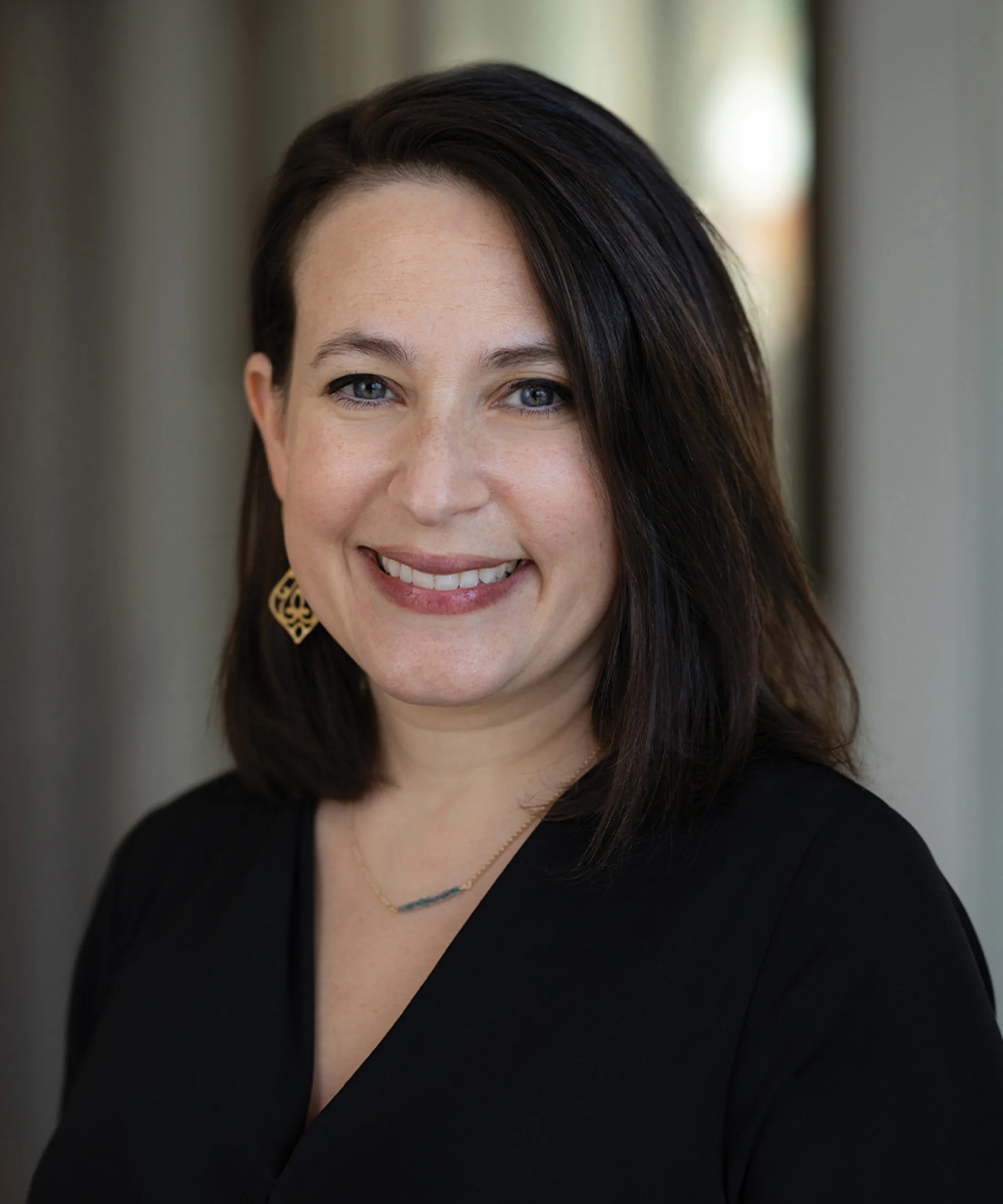
Sharon Rikin, MD, MS, director of Ambulatory Quality Improvement, Department of Medicine, and primary care physician
She continues, “Getting to the doctor’s office can be a big barrier for many. And when we don’t have a blood pressure reading, doctors can’t make necessary adjustments to medications that keep blood pressure at target levels.”
The consequences can be deadly. High blood pressure is the leading cause of stroke and one of the leading causes of heart attacks.
Even when patients come into the office, there can be challenges to good blood pressure treatment and maintenance. It’s estimated that as many as 30 percent of adults suffer from “white coat syndrome,” which describes people who have abnormally high blood pressure readings at the doctor’s office. “When we have patients come in and measure their blood pressure, we know it's inaccurate in many people for variety of reasons, whether it's anxiety, not fully resting, rushing to the appointment,” says Molly Fisher, DO, who sees many patients with high blood pressure as a nephrologist at Montefiore Einstein. “Home blood pressure readings are more predictive of cardiovascular outcomes compared to office-visit blood pressure readings, and we as physicians should really be tailoring our treatment plans to the latter.”
As one patient shared, “My kidney doctor told me I should get my own blood pressure machine and I told him, ‘I’m not going to do that, because I get all upset over these high readings.’” That patient later became enrolled in the Remote Monitoring Program for Hypertension, which launched in 2021. The program is a joint effort between Dr. Rikin, who is also associate dean for institutional quality improvement, and Montefiore’s Care Management Organization, led by Allison Stark, MD, MBA. Dr. Fisher was an early collaborator and champion for the program within the Division of Nephrology, since many patients with moderate to advanced kidney disease also have hypertension.
The patient became one of many hundreds of remote monitoring success stories. “I’m happy my doctor signed me up,” they said. “I’ve been taking these high blood pressure meds for years and it’s good my doctor can see my blood pressure every day so he can make changes to my medications. I have grand babies I need to be around for, and this program makes that feel possible.”
Opportunity Meets Need
A number of factors came together to create the right moment for the program. The pandemic had made telehealth and “virtual” doctors visits more common, and thanks to technological advances, remote patient monitoring has become more sophisticated and widely available in recent years. The Centers for Disease Control and Medicaid and Medicare Services, supported by the American Heart Association, had also launched a “Million Hearts” campaign with the goal of reducing hypertension in order to prevent a million heart attacks and strokes.
Video could not be played
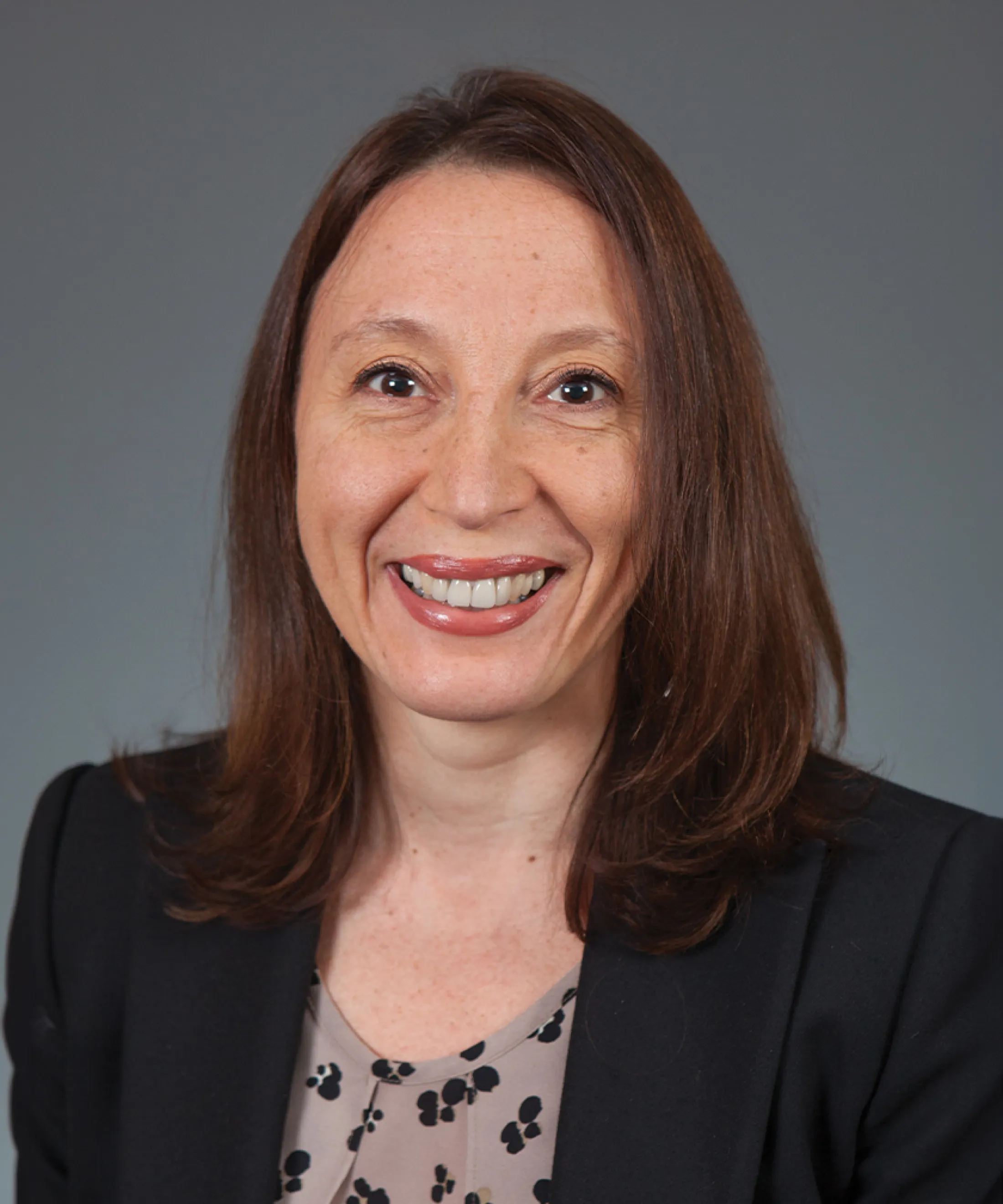
Allison Stark, MD, MBA, vice president and chief medical officer, Montefiore Care Management Organization
At Montefiore Einstein, Dr. Rikin and Dr. Fisher had both separately been thinking about how to reduce hypertension for our patients on a broad scale. “As a nephrologist about 80 percent of my patients have hypertension,” says Dr. Fisher. “As kidney function gets worse, the prevalence of hypertension increases dramatically, and it’s also harder to control well with medications than in the general population.”
She continues, “To me, hypertension felt like the ideal chronic condition that should be managed outside of the office. Around the pandemic I had started looking into outside companies that help health systems facilitate remote monitoring, and was very excited to find out we’d just signed a contract.”
Separately a vendor had approached Dr. Stark with a compelling solution that seemed tailormade for Montefiore Einstein’s patients. “The blood pressure cuffs provided to patients to use at home are cellular enabled, they don't need extra strong wifi or broadband,” says Dr. Stark. “They don't have to download an app to their phone. They can just use the cuff like they would any cuff they buy at the drugstore, and yet the data gets transmitted.”
In the program’s first iteration, a homegrown team of pharmacists, nurses, and physicians was on the receiving end of that data at Montefiore, helping primary care doctors track patients’ progress and making recommended changes in medications. Dr. Fisher helped develop the algorithms that help determine when it was time to make adjustments.
Based on their blood pressure readings, which patients were encouraged to take every day, they would have a telehealth visit with the remote monitoring team, usually a nurse or clinical pharmacist. Telehealth appointments were at least once a month, more often if readings were abnormal. Depending on the patient’s progress, the team could adjust medications. “Giving the remote team the ability to change medications removes what for many patients is a big barrier of coming into the office for an in-person visit,” says Dr. Rikin. “As a primary care physician, it reduces that lead time to me acting on the readings when I see them in three months.” If they preferred, patients also had the option to wait and see their doctor before making changes.
Leveling Up
The program was a resounding success. “About 60 percent of patients stayed in the program until they reached their blood pressure goals, which is almost double what other institutions that have published data have seen,” says Dr. Rikin. “Most saw a significant reduction in blood pressure, meeting or exceeding what's been studied with these types of tools.”
Between 2021 and 2025, Montefiore Einstein’s Remote Patient Monitoring Program for Hypertension enrolled 2,000 primary care patients and around 300 nephrology patients. “On average patients had an 11-point reduction in their blood pressure,” says Dr. Rikin. “Our results equate to a 20 percent reduction in the risk of heart attacks and strokes. That's huge. It’s life changing for many people who may have had a heart attack or stroke that won't.” The program was a success among patients with kidney disease as well, with around 50 percent achieving their goals.
In addition to standardizing when medications need to be adjusted and how much, the remote monitoring team provides patient education and support, and this is another key element in the program’s strong outcomes. “It's not just the nephrologist, but you have nurse education, nurse practitioners, all these different touch points that lead to greater awareness,” says Dr. Fisher. “It's about patients seeing the readings, talking about them regularly with the remote monitoring team as well as their physicians, realizing taking their medications is important, thinking about how their diet might influence their blood pressure day-to-day. It all adds up.”
Video could not be played
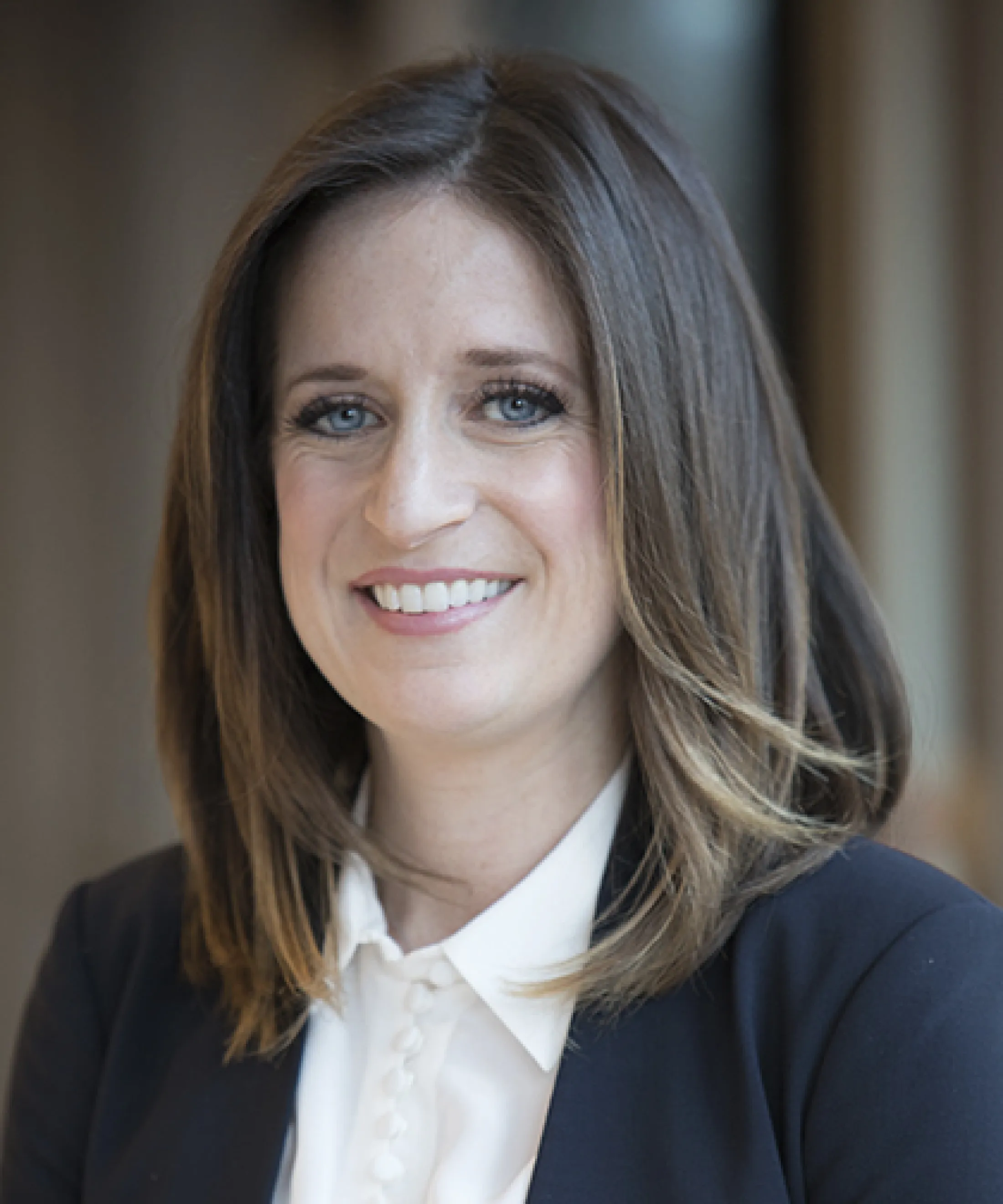
Molly Fisher, DO, nephrologist and associate professor, Department of Medicine
The only downside was that because it relied on a small in-house team, it wasn’t scalable. So in 2025, Drs. Rikin and Stark identified a new vendor, Cadence. Its providers now conduct the telehealth visits and patient education, so that staffing the remote-monitoring team is no longer a barrier to growth. The remote team also proactively responds 24/7 if a patient records an abnormal reading. “Within six months, we've referred over 6,000 patients and enrolled 4,000,” says Dr. Rikin. “The magnitude is hugely different.”
The new system has other key advantages as well. “All the data now comes into our Epic electronic health record system,” she adds. “Previously physicians had to log into a third-party website to look at the data, so this reduces time and effort on their end.”
Continuous Improvement
Now the team is working to optimize the new system for both patients and providers. The project has received grant funding from the Patient-Centered Research Outcomes Institute (PCORI), an independent nonprofit authorized by the federal government to help healthcare institutions improve quality, which has given the team access to an implementation specialist. Together they are pinpointing ways to make the process seamless, including exactly when to prompt physicians that a patient is eligible, for example.
“There is a strong nudge that is automatically provided for clinicians with eligible patients to enroll them in the program,” says Dr. Rikin. “But when we got feedback from our physicians, we found the prompts weren’t happening at the right time and place. We are very responsive to that, so we’re fine tuning it based on their input, as well as accounting for their preferences around prescribing medications and medication changes.”
“What we really want to focus on now is, how do we make this the best for our patients and our clinical teams?” says Dr. Rikin. “We want to make sure that they're satisfied with the experience, and that it's equitable for patients in terms of reach and engagement. The PCORI grant allows us for the next few years to really focus on refining the program to meet everyone’s needs.”
Gianni Carrozzi, MD, primary care physician and medical director of Montefiore’s Family Care Center, has enrolled a number of patients in the program. “I find it extremely useful,” he says. “It’s very helpful to have an organized blood pressure log when you see the patients. It really facilitates medication adjustment.”
His patients are also very happy. “I have been telling my friends to switch to Dr. Carozzi and Montefiore so they can also be in the program,” one said.
Longer term, the team is gathering data to look at how the program impacts overall healthcare usage and associated costs. “Our hope is that we'll be able to track, does this help prevent hospital admissions and readmissions?” says Dr. Stark. “Patients have access to their remote-monitoring team 24/7, which can help prevent emergencies.” Adds Dr. Rikin, “Everyone wants to reduce emergency room visits, first and foremost for our patients. The program is a great example of investing in preventive care.”
A number of families have reported that the remote-monitoring care team was quick to alert them when their loved one’s blood pressure dipped below normal. One patient with an elevated heart rate and an abnormally low blood pressure reading was contacted by the remote-monitoring nurse, who advised him to go to the emergency department. He was diagnosed with new onset atrial fibrillation and given the appropriate medications. It may have prevented a more serious outcome such as a stroke or heart failure.
Dr. Stark and Dr. Rikin are continuing to ramp up the program, getting more providers involved and continuing to enroll more patients. In addition to primary care and nephrology, they are currently in the pilot phase of adding general cardiology patients as well as some with heart failure. Fathima Jahufar, MD, cardiologist and specialist in advanced heart failure, is the physician champion. “Heart failure patients have more complex disease, and so it’s a different population in terms of the algorithms we use to manage the medications,” says Dr. Rikin. “We’re starting small with the goal of getting it right and hopefully expanding quickly from there.”
“We're really excited about the level of engagement and adoption by our current providers, and by our opportunity to really scale this type of intervention in a meaningful way to support our patients and improve their health,” says Dr. Stark. “It's been really exciting, so we're thrilled to continue to move forward and expand further.”
“We’re committed to continuing to refine the program and make it even better,” says Dr. Rikin. “We're very confident in the big picture and why we're doing this.”
Related Faculty

Video could not be played

Video could not be played

Video could not be played