Video could not be played
News Brief
Uncovering How Neural Stem Cells Develop
October 10, 2024
Video could not be played
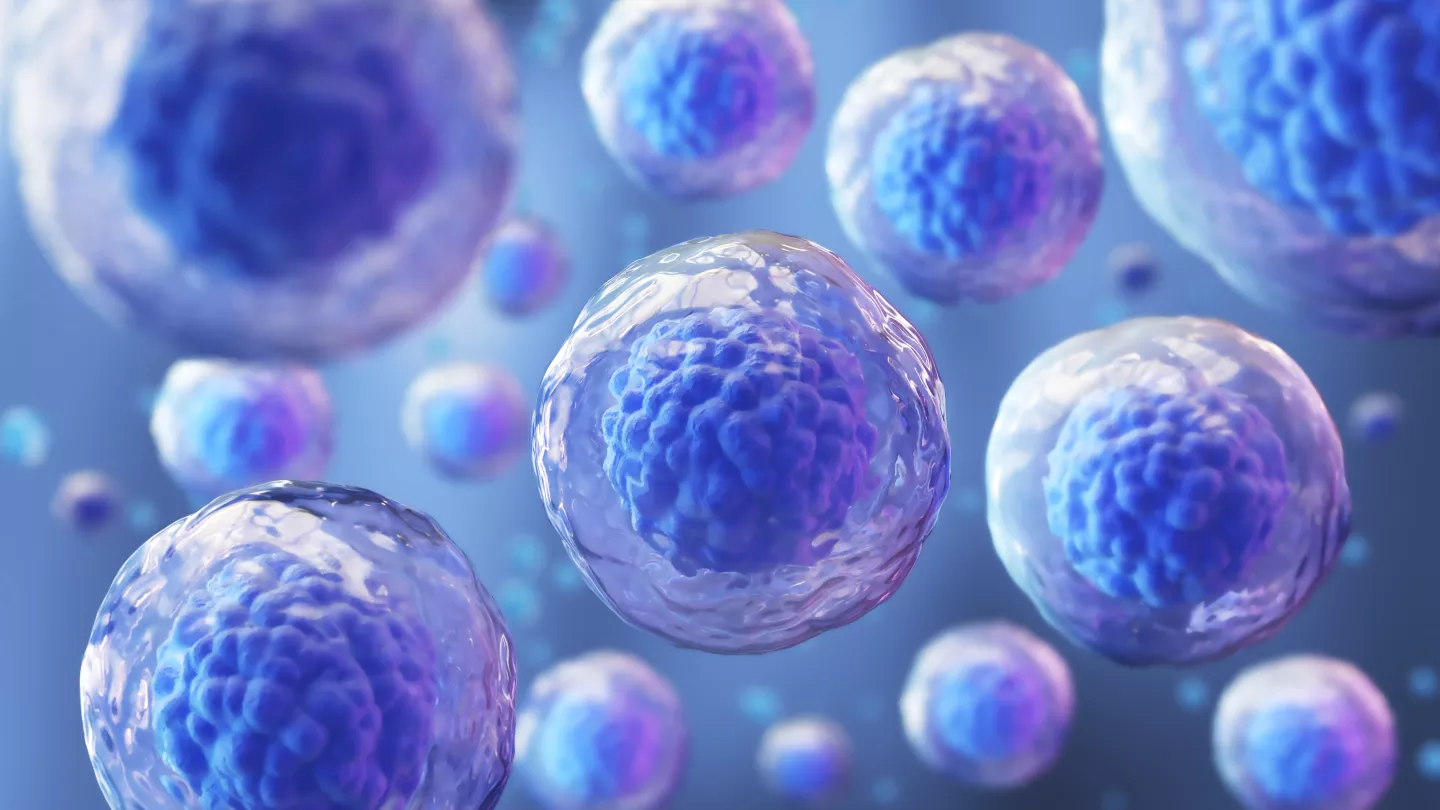
During embryonic development, embryonic stem cells give rise to neural stem cells, which in turn differentiate into the different cell types that comprise our brains.
In a study published online on August 28 in Science Advances, Meelad Dawlaty, Ph.D., and colleagues report that neural stem-cell formation requires DNA demethylation (the removal of methyl groups from DNA)—a process driven by the Tet family of enzymes. More specifically, Tet enzymes were found to demethylate the regulatory regions (i.e. “enhancers”) of neural genes, thereby activating those genes and transforming embryonic stem cells into neural stem cells. This process is essential for forming neural stem cells that can properly self-renew and differentiate into brain-cell types, specifically glial cells (non-neuronal brain cells important for brain function). The researchers focused on the entire family of Tet enzymes—Tet1, Tet2, and Tet3—and found that the loss of all three enzymes impaired the proper formation and ability of neural stem cells to differentiate into glial cells. Tet enzymes are mutated or dysregulated in autism and many neurodegenerative, neurodevelopmental, and intellectual disability disorders. Insights into Tet enzymes and their crucial role in regulating the formation and differentiation of neural stem-cells could lead to strategies for treating or preventing neurodevelopmental disorders as well as improving ways to derive neural stem cells from pluripotent stem cells.
Dr. Dawlaty is an associate professor of genetics and of developmental and molecular biology, member of the Ruth L. and David S. Gottesman Institute for Stem Cell Biology and Regenerative Medicine at Einstein, and a member of the National Cancer Institute–designated Montefiore Einstein Comprehensive Cancer Center.