
Video could not be played
Feature
The Future of IDD Research: Showcasing RFK IDDRC Junior Investigators
Richard “Daniel” Kelly, Second Year Ph.D. Student
August 1, 2024
Video could not be played
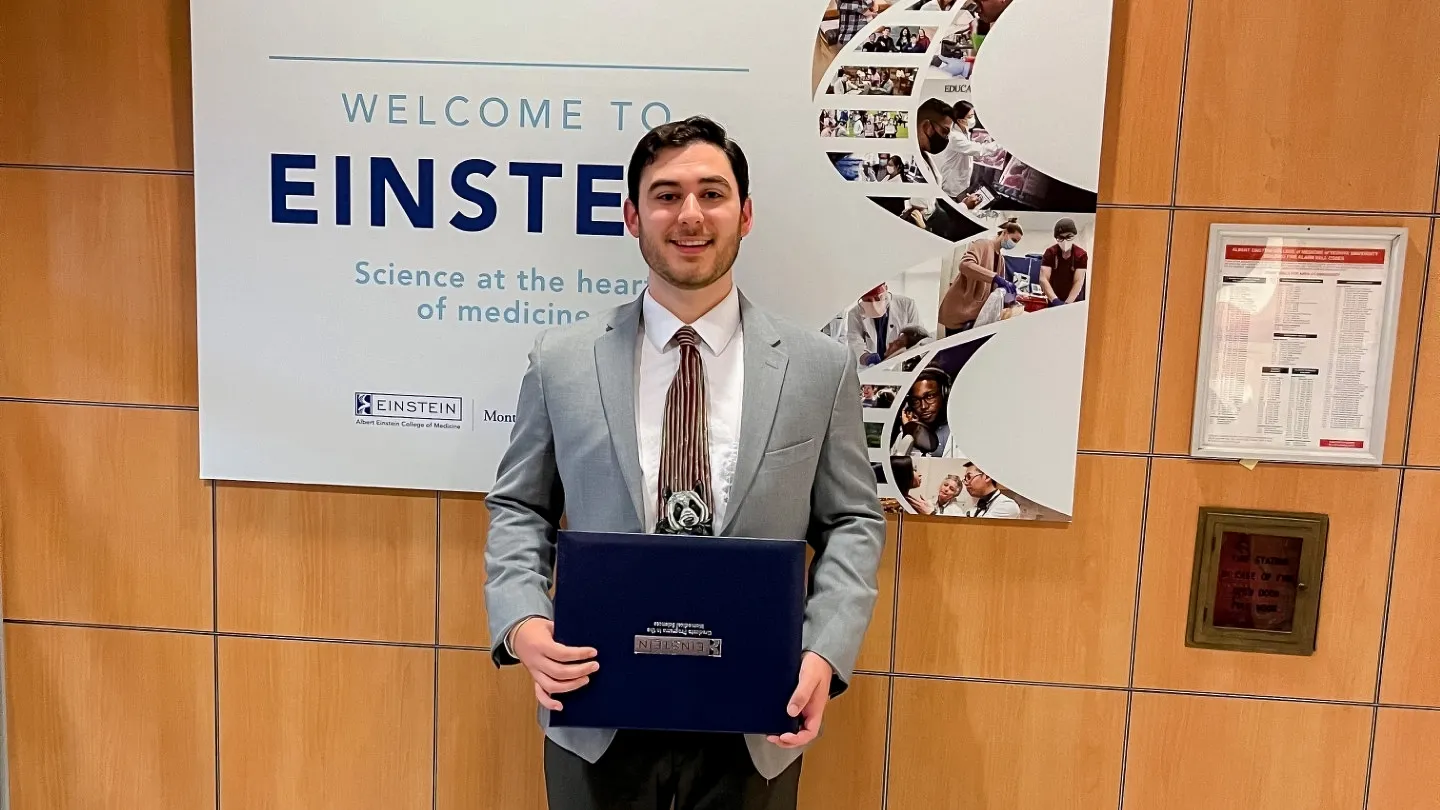
Inspired by personal experiences with loved ones affected by neurological disorders, Richard “Daniel” Kelly, a current Ph.D. candidate, set out to better understand the mechanisms behind these conditions. His thesis research focuses on intellectual disability (ID) caused by mutations in the KDM5C gene. Working in the lab of Dr. Julie Secombe, he uses fruit flies to model how gene variants impact brain development, behavior, and cognition with a focus on how specific neuron types contribute to this neurodevelopmental disorder.

Video could not be played
Despite the many hurdles in research, he finds joy in problem-solving, viewing each failure as an opportunity to learn and grow. Daniel finds that scientific collaborations have been essential and greatly appreciates the focus on both clinical and basic science to ensure that research addresses real-world needs. Working with the KARES Foundation, has been foundational to ensuring research remains patient-centered. A highlight in his Ph.D. has been attending an IDDRC conference, where meeting individuals with disabilities deepened his dedication to inclusive and impactful science. Mentorship and support from his lab have also played a significant role in his growth, both scientifically and personally. Looking ahead, Daniel aspires to lead his own lab, mentoring the next generation of researchers while continuing to explore how neuronal dysfunction drives neurological and neurodevelopmental disorders.
Video could not be played
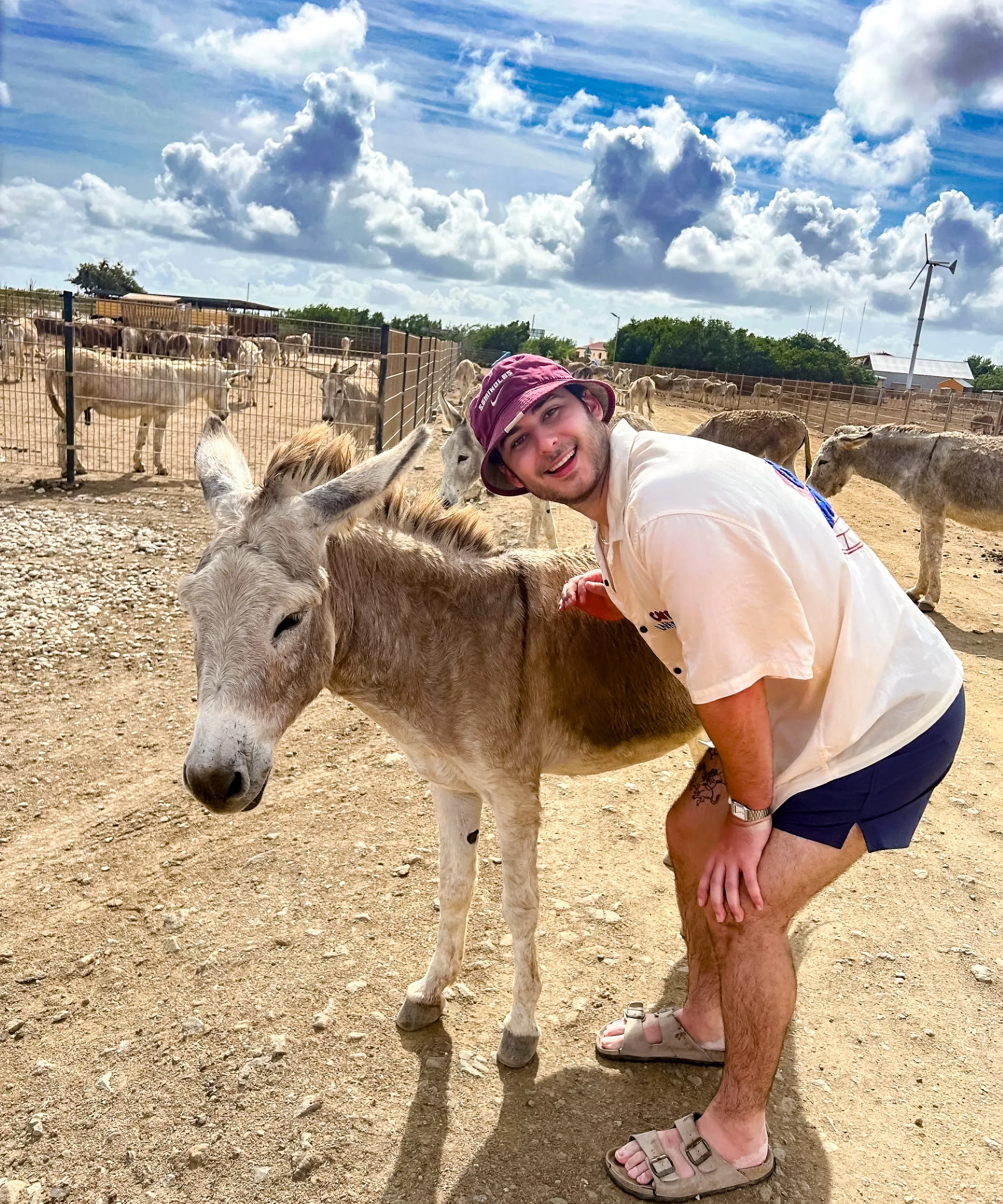
Outside the lab, Kelly enjoys gardening—especially growing hot peppers—along with hobbies like bowling, snowboarding, crocheting, and collecting books. A fun fact: He played harmonica in a high school jazz band, reflecting a creative spirit that complements his scientific endeavors.
Through his research, Daniel hopes to inspire others to join the field of neurodevelopmental disorder studies, fostering collaboration and advancing knowledge to improve diagnostics, alleviate symptoms, and drive progress in this vital area of science.