Noticia breve
Un nuevo enfoque para la metástasis: la latencia del cáncer
24 de abril de 2026
A review by researchers at the NCI-designated Montefiore Einstein Comprehensive Cancer Center (MECCC) reframes how scientists should approach cancer metastasis, highlighting the role of “dormant” cancer cells and suggesting new strategies for prevention and treatment.
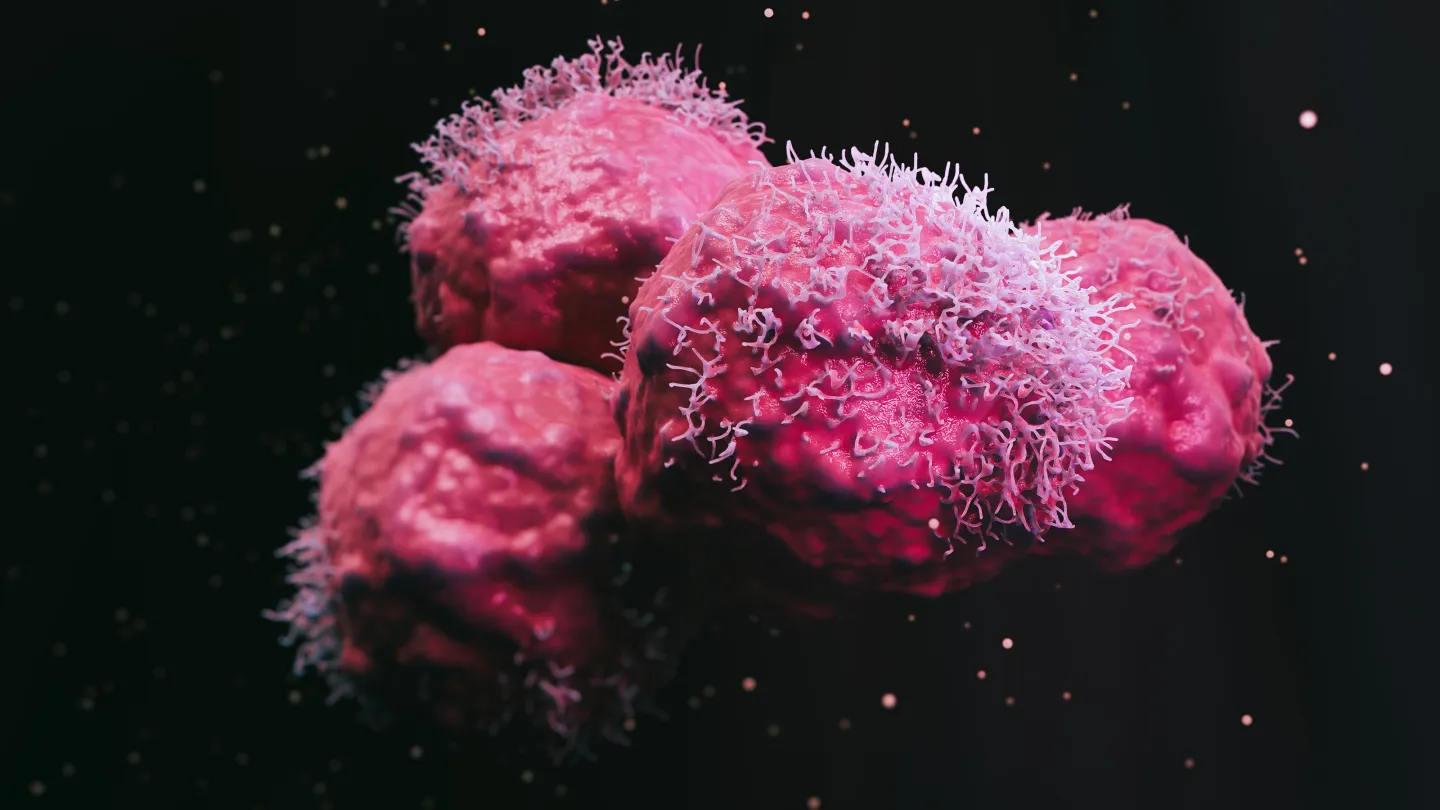
Disseminated cancer cells (DCC) break away from the primary tumor and spread to distant sites in the body, where they can persist in a dormant, non-dividing state for years—or even decades—before reactivating to form metastatic tumors. The authors, led by Julio Aguirre-Ghiso, Ph.D., and Maria Soledad Sosa, Ph.D., both members at MECCC’s Cancer Dormancy Institute (CDI), contend that dormancy should be considered the central organizing principle of cancer progression and relapse. The review was published April 24 in Nature Cancer Reviews.
The researchers formalize a new framework that defines four distinct phases of dormancy, helping to unify a field that has historically used inconsistent definitions. They also emphasize that these stages of dormancy can be linked to specific biological mechanisms and therapeutic opportunities.
Because conventional therapies target actively dividing cells, they are largely ineffective against dormant cancer cells. The authors point to emerging biomarkers—such as DCC levels in bone marrow and dormancy-associated gene expression—that could identify patients at highest risk for recurrence and guide treatment decisions.
The review also explains the role of the host environment. Factors such as aging, inflammation, infection, and stress can disrupt dormancy and trigger metastatic “awakening,” suggesting that recurrence risk is shaped by both tumor biology and overall health.
By integrating basic biology with clinical strategies, the authors outline a roadmap for “metastasis prevention,” including treatments aimed at maintaining dormancy or eliminating dormant cells before they reawaken. If successful, this approach could shift cancer care toward preventing relapse before it begins, rather than treating it after metastases emerge.
Dr. Julio Aguirre-Ghiso is co-leader of MECCC’s Tumor Microenvironment & Metastasis Program, director of CDI, and professor of cell biology, of oncology, and of medicine and the Rose C. Falkenstein Chair in Cancer Research at Albert Einstein College of Medicine. Dr. Sosa is associate professor of microbiology & immunology and of oncology at Einstein and a member of the Tumor Microenvironment and Metastasis Program at MECCC.