Característica
Edward Chu, MD, MMS, líder del Cancer Center, fallece a los 66 años.
20 de noviembre de 2025
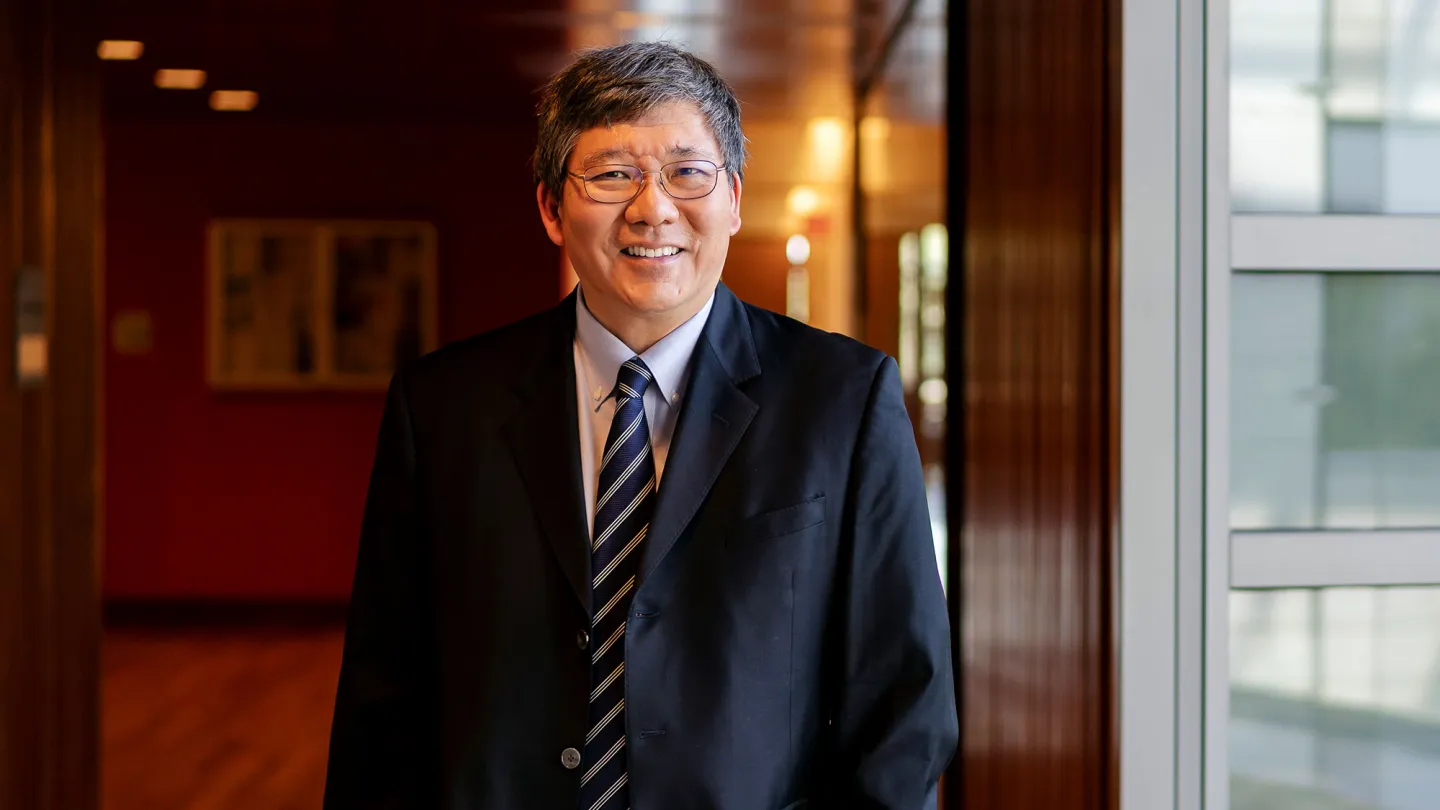
Edward Chu, M.D., M.M.S., a treasured member of the Montefiore Einstein community, passed away on November 13 at the age of 66 from glioblastoma. Dr. Chu was the director of the Montefiore Einstein Comprehensive Cancer Center (MECCC), vice president of cancer medicine, and the Carol and Roger Einiger Professor of Cancer Medicine. He also served as interim chair of oncology until last year and held faculty positions in the departments of oncology, medicine, and molecular pharmacology.
Inspiring Leader
Dr. Chu arrived on the Montefiore Einstein campus in October of 2020, while the Bronx and the country were still recovering from the first devastating wave of the COVID pandemic. Undaunted, he quickly assembled a senior leadership team, developed a comprehensive strategy, and launched a massive recruitment effort, with the goal of establishing a unified cancer enterprise and securing comprehensive designation from the National Cancer Institute (NCI) for the 50-year-old cancer center. As a member of the center’s external advisory board for nearly 15 years, Dr. Chu was well acquainted with its research strength. He respected and touted the center’s long and storied history, while forging ahead with a vision for a revitalized cancer enterprise that integrated clinical care and expanded its translational and clinical research footprint.
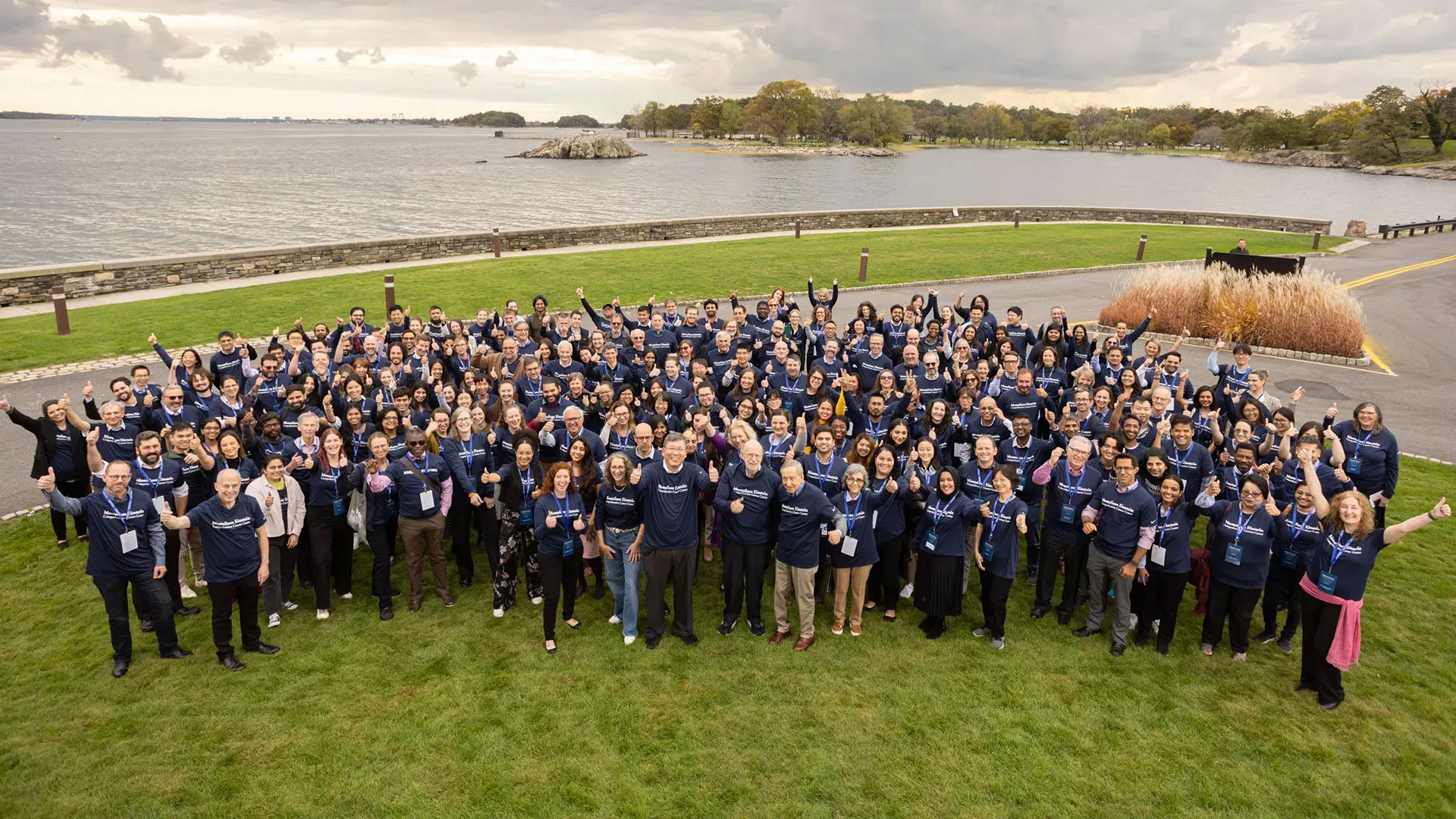
Leading the charge: Edward Chu, M.D., M.S.S., front center, with the attendees of the 2023 MECCC Retreat.
"Dr. Ed Chu’s impact on cancer research and medicine is already monumental, yet we know the world has yet to appreciate the full impact of Ed’s work,” said Philip O. Ozuah, M.D., Ph.D., President and CEO of Montefiore Einstein. “The breadth of his transformational work at the Montefiore Einstein Comprehensive Cancer Center, the speed with which he executed his plan, and the outsized results he was able to achieve are just a few examples of his enduring legacy. The entire Montefiore Einstein family mourns the loss of a true pioneer and visionary.”
As a cancer center, Einstein was previously focused primarily on research. By becoming the inaugural vice president for cancer medicine at Montefiore Einstein, Dr. Chu oversaw clinical cancer care across the entire Montefiore Health System, which serves the Bronx, Westchester, and the Hudson Valley. Dr. Chu led the effort, in a mere two years, to build a fully integrated, unified cancer center, spanning basic science, translational research, clinical care, and community outreach, which resulted in our first comprehensive designation from the NCI.
“It’s hard to overstate what Ed was able to accomplish in his short time here,” said Yaron Tomer, M.D., the Marilyn and Stanley M. Katz Dean at Einstein. “He was a visionary leader, creating an aspirational but pragmatic plan and inspiring hundreds of researchers, clinical staff, and administrators to embrace his vision. He truly transformed cancer research and care in the Bronx.”
While monumental on its own, Dr. Chu’s list of accomplishments at MECCC is extensive: he recruited 65 faculty members, which meaningfully expanded our research and clinical missions; established a phase I clinical trial program, elevating the center’s ability to develop and provide cutting-edge therapies to patients; oversaw the opening of the new Montefiore Einstein Breast Care Center in the Hutchinson Metro Center, consolidating services in a state-of-the-art facility; and super-charged its translational research program by providing millions in pilot and accelerator grants.
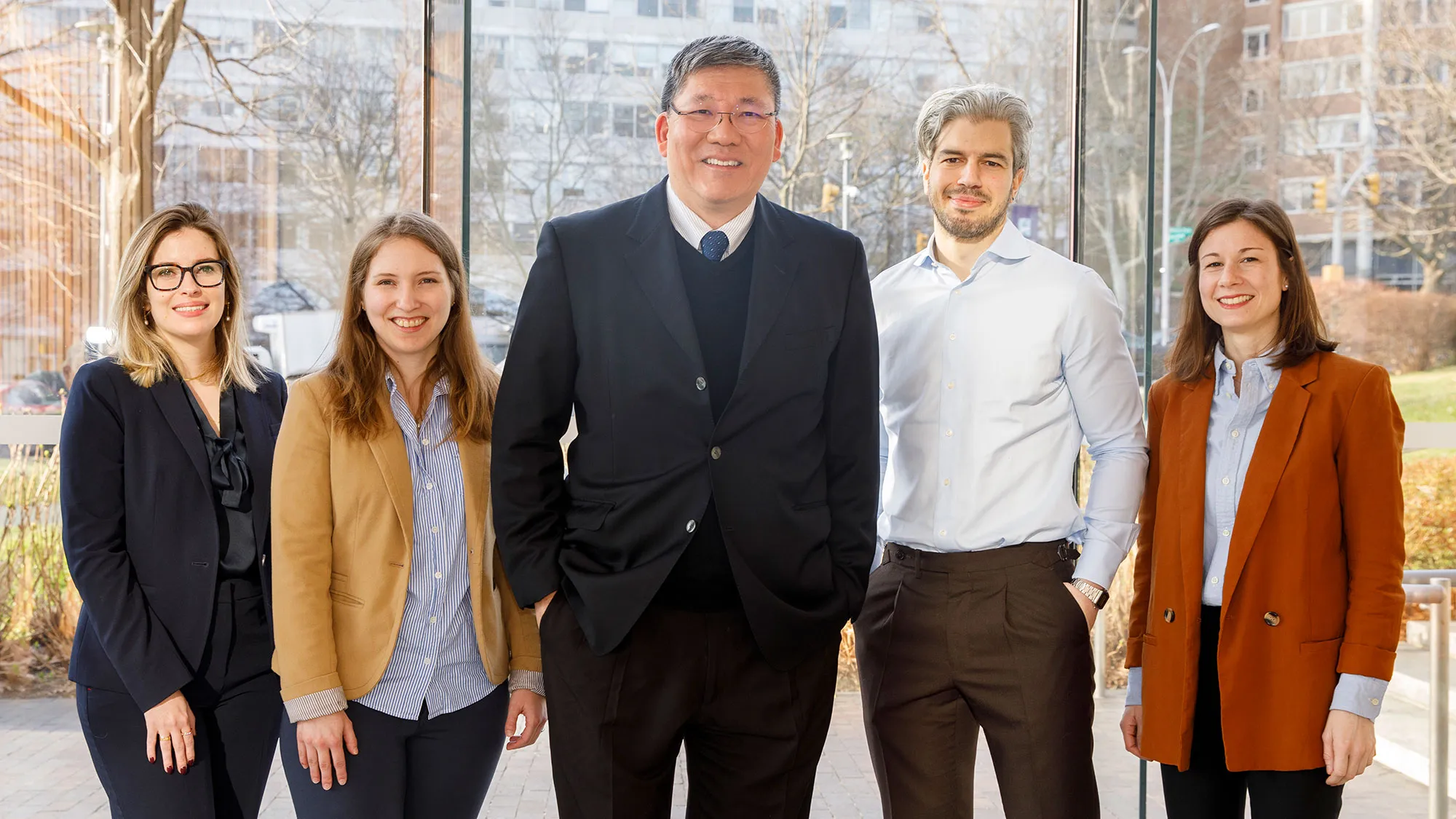
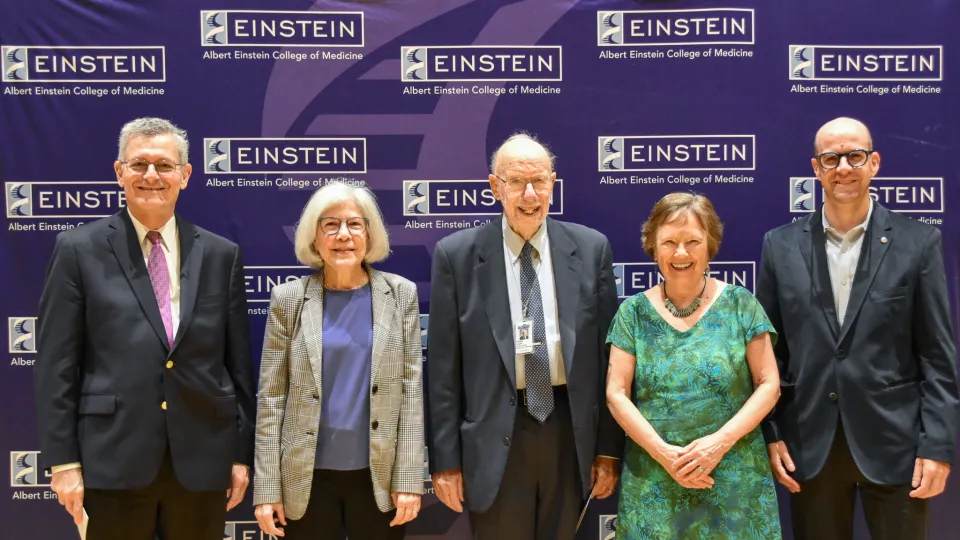
Edward Chu, M.D., M.S.S., center, with the 2024 ExCEL Scholars. Under Dr. Chu’s leadership, MECCC established a national competition to recognize postdoctoral fellows for outstanding cancer research achievements.
“Ed was a giant in the field of cancer research and care, and he had an extraordinary impact on patients and their families, as well as colleagues,” said Ulrich Steidl, M.D., Ph.D., interim director of MECCC, professor and chair of cell biology, and the Edward P. Evans Endowed Professor for Myelodysplastic Syndromes. “He leaves behind a remarkable legacy of leadership, research, clinical care, and mentorship excellence at MECCC and the numerous cancer centers around the country where he served as an advisor. Above all, Ed was a close friend and great mentor and teacher to many including myself. I will always be grateful and remember him for his personal warmth and kindness and his willingness to support others.”
Early Years
Dr. Chu was born on December 19, 1958, in Detroit, Michigan. Raised in East Haven, Connecticut and Barrington, Rhode Island, he followed in his parents’ footsteps by enrolling in Brown University, where he graduated magna cum laude with a B.S. in biology.
He continued at Brown for his M.M.S. in pharmacology and received his M.D. from the Brown University School of Medicine. He completed his internship and residency at Roger Williams General Hospital at Brown, followed by a fellowship in medical oncology at the NCI. He became a senior clinical investigator at the NCI and received tenure in 1994. In 1996, he was recruited by the Yale Cancer Center to co-lead its cancer therapeutics program. Over the next 14 years, he held increasingly senior leadership appointments, including chief of medical oncology, associate director of clinical/translational research, and, subsequently, deputy director of the cancer center.
In 2010, he was recruited to the UPMC Hillman Cancer Center (HCC) and the University of Pittsburgh School of Medicine as HCC deputy director. There, he was the chief of the division of hematology-oncology, co-leader of the HCC Cancer Therapeutics Program, and leader of the HCC phase I program, before moving to Montefiore Einstein.
Preeminent Physician-Scientist
In addition to his distinguished leadership, Dr. Chu was a compassionate and caring physician. He was board-certified in internal medicine and medical oncology and embraced a holistic view of patient care.
His care for patients informed and inspired his research, which focused on improving outcomes for patients with colorectal and GI cancers and reducing treatment side effects. His primary focus was on the design and development of novel agents and treatment approaches, as well as on early-phase I and II clinical trials. He has made seminal contributions in understanding how certain chemotherapy drugs work and why some people respond better than others.
He and his team found that a protein called thymidylate synthase, which is targeted by chemotherapy, can regulate itself by controlling how its own genetic instructions are used. His team also showed that this kind of self-regulation applies to another enzyme, dihydrofolate reductase, which is also involved in cancer treatment. His discoveries changed how researchers think about enzyme regulation in cancer cells, opening new doors for drug development and new treatment strategies to improve survival and quality of life for patients with colorectal and GI cancers. By integrating traditional Chinese medicine with modern cancer treatments, he also explored new ways to enhance therapy and reduce chemotherapy toxicity.
Commitment to Academic Medicine
A fellow of the American Association for the Advancement of Science and the American College of Physicians, Dr. Chu was a member of numerous professional societies, including the American Society of Clinical Oncology, American Association for Cancer Research, the European Society for Medical Oncology, and a member of the board of directors for the Association of American Cancer Institutes. His accolades included the NCI Commendation Medal, Public Health Service Achievement Medal, and the 2016 Lifetime Achievement Award from the Chinese American Hematology-Oncology Network.
He was a prolific author and educator, serving as the founding editor-in-chief of Clinical Colorectal Cancer for 25 years, and published over 195 scientific articles and 50 book chapters. He co-authored 24 editions of the Physician’s Cancer Chemotherapy Drug Manual, the essential reference guide on advances in the field.
His legacy includes his steadfast commitment to mentoring the next generation of cancer researchers, physician-scientists, and leaders across the spectrum of cancer-relevant disciplines. He mentored over 40 students and fellows throughout his career, supported numerous faculty colleagues, and advised more than 20 executive leaders of NCI-designated cancer centers.
Final Thoughts
He is survived by his loving wife, Dr. Laurie Harrold, and two children, Ashley and Josh Chu, two dogs, many cousins, and countless friends and colleagues whose lives he touched each day.
#####
The Edward Chu Fund for Cancer Research at Montefiore Einstein Comprehensive Cancer Center
One way to honor Dr. Chu’s legacy is to contribute to the Edward Chu Fund for Cancer Research, which will fuel innovative cancer research with the power to advance new discoveries from basic science laboratories to patient care.