Noticia breve
Prevención de las consecuencias nocivas de la exposición a la contaminación ambiental
28 de octubre de 2025

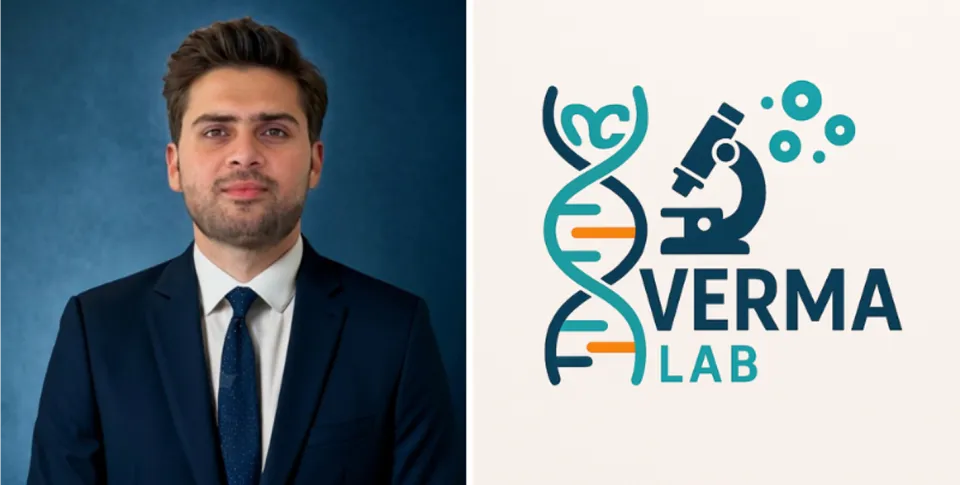
Many types of environmental problems, from automobile exhaust to catastrophic events such as the World Trade Center (WTC) collapse, involve the release of harmful airborne pollutants such as polycyclic aromatic hydrocarbons. In studies of exposed individuals, Divij Verma, Ph.D., and colleagues have found that such exposures increase the incidence clonal hematopoiesis (CH), a condition in which mutated blood-forming stem cells (i.e., hematopoietic stem cells or HSCs) multiply. CH causes inflammation, impairs stem cell function, and increases the risk for cardiovascular disease and blood disorders.
Dr. Verma has now received a five-year, $2.8 million grant from the National Institute of Diabetes and Digestive and Kidney Diseases to study the molecular mechanisms by which exposure to airborne pollutants drives HSC dysfunction and CH progression. He and his team will use a large and unique cohort of blood samples from people with genotoxic WTC exposure, plus genetically engineered mouse models of environmental exposure. In a pilot clinical study involving healthy individuals, the researchers will study whether a promising experimental drug reduces inflammation. Their findings could provide insights into preventing hematopoietic disorders and lead to novel therapeutic strategies for reducing hematopoietic dysfunction and disease.
Dr. Verma is a research assistant professor of oncology at Einstein. (1R01DK144815-01)