Noticia breve
Prevención de la encefalitis por toxoplasmosis asociada al SIDA
23 de octubre de 2025
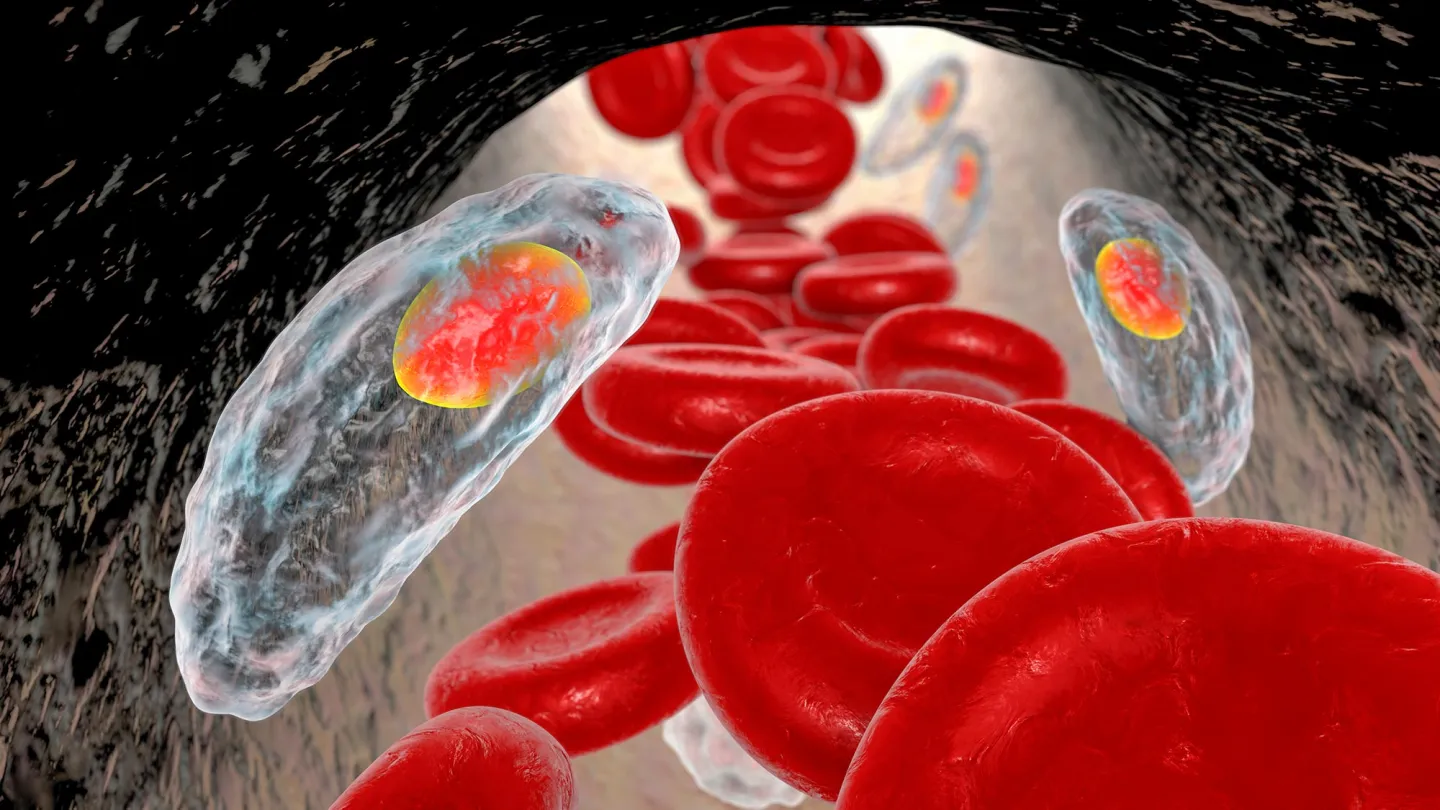
Toxoplasma gondii is a food- and water-borne pathogen that is found worldwide and causes an infection known as toxoplasmosis. The single-celled parasite often infects the central nervous system, where it can lie dormant within protective cysts; breakdown of cysts reactivates the parasite, leading to some 4,000 cases of Toxoplasma encephalitis annually in the U.S., primarily among people with HIV/AIDS and others who have weakened immune systems.
The National Institute of Allergy and Infectious Diseases has awarded Louis M. Weiss, M.D., M.P.H., a four-year, $2.4-million grant to better understand how the cyst wall forms and identify the specialized proteins that comprise it. In earlier work, Dr. Weiss and colleagues identified CST1 and other T. gondii cyst-wall proteins that are critical for cyst formation and could potentially serve as vaccine targets. The researchers will use advanced proteomic, immunologic, and genetic techniques to characterize the cyst wall and determine how it allows the parasite to persist in the body. Uncovering how T. gondii maintains its dormant state could lead to new vaccines or therapies that prevent the parasite’s reactivation and protect people from life-threatening encephalitis.
Dr. Weiss is professor of pathology and of medicine at Einstein and codirector of Einstein’s Global Health Center. (1R01AI194912-01)