Noticia breve
Nueva estrategia contra las proteínas relacionadas con el cáncer
22 de octubre de 2025
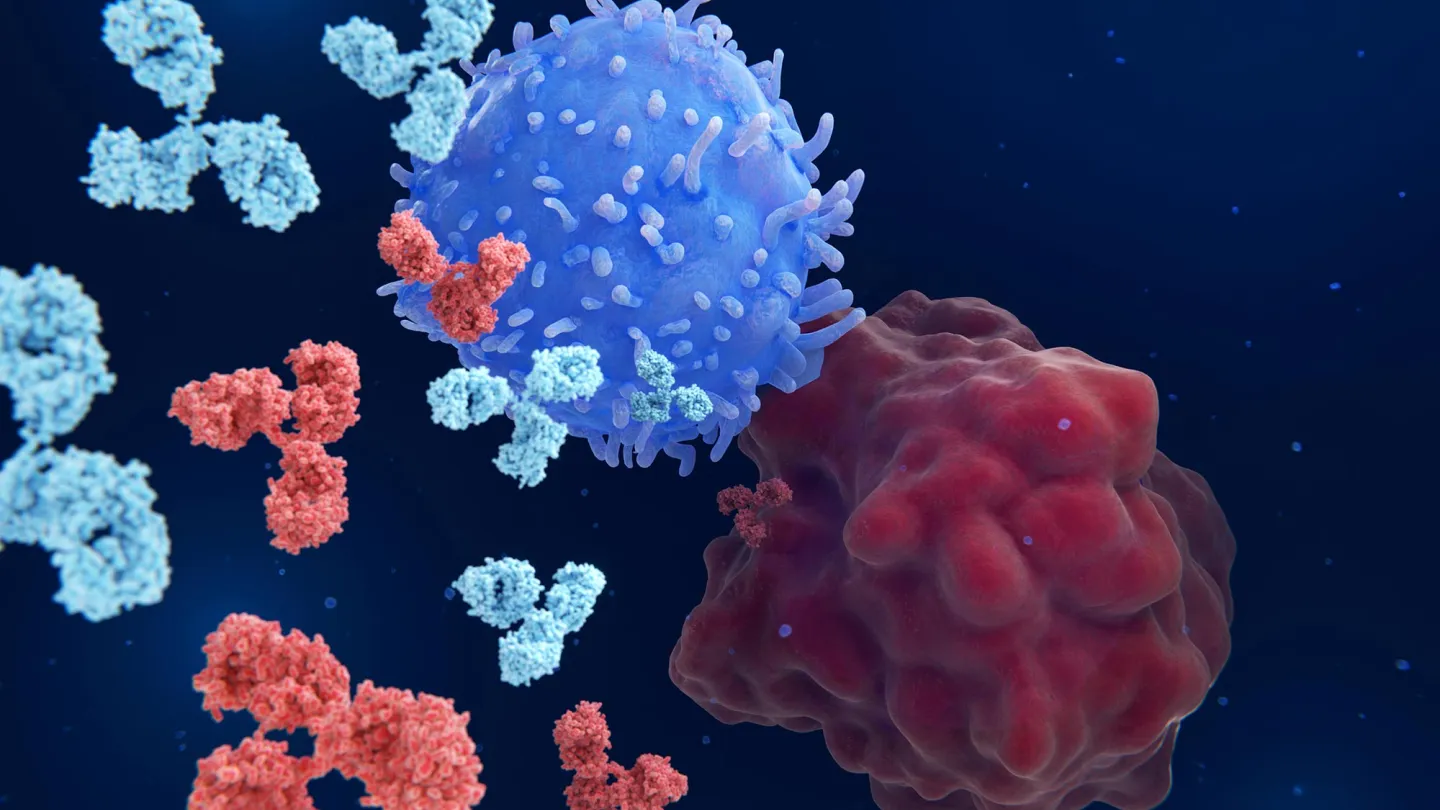
Se necesitan urgentemente nuevos enfoques contra proteínas relacionadas con el cáncer difíciles de atacar que son "no tratables" por las clases convencionales de medicamentos. El Instituto Nacional de Ciencias Médicas Generales ha otorgado una subvención de cinco años por $2.3 millones a Juan Pablo Maianti, PhD, para desarrollar una estrategia de oxidación dirigida con precisión para inhibir las interfaces de proteínas actualmente no tratables. El Dr. Maianti descubrió este nuevo modo de inhibición mediante el uso de pequeñas moléculas similares a fármacos que transfieren selectivamente un solo átomo de oxígeno a la cadena lateral de aminoácidos de una proteína objetivo. Mientras que la mayoría de los fármacos de moléculas pequeñas se unen a estos objetivos desafiantes solo temporalmente, la estrategia del Dr. Maianti produce una oxidación químicamente estable y específica del sitio que bloquea de forma potente y duradera la interfaz de la proteína.
El Dr. Maianti y su equipo aplicarán primero su estrategia para mejorar la eficacia y el alcance de los inhibidores de puestos de control inmunitario. Estos inhibidores refuerzan el sistema inmunitario para combatir el cáncer, pero no siempre son eficaces contra tumores sólidos, tumores cerebrales y otros cánceres protegidos del ataque inmunitario . Este nuevo modo de inhibición irreversible podría ofrecer mejores opciones de tratamiento para la inmunooncología y otras enfermedades sin tratamiento disponible.
El Dr. Maianti es profesor adjunto de bioquímica en Einstein, miembro del Montefiore Einstein Comprehensive Cancer Center designado por el National Cancer Institute y director científico del Núcleo de Síntesis Química . (1R35GM160115-01)