Noticia breve
Una mejor manera de diagnosticar la tuberculosis
25 de agosto de 2025
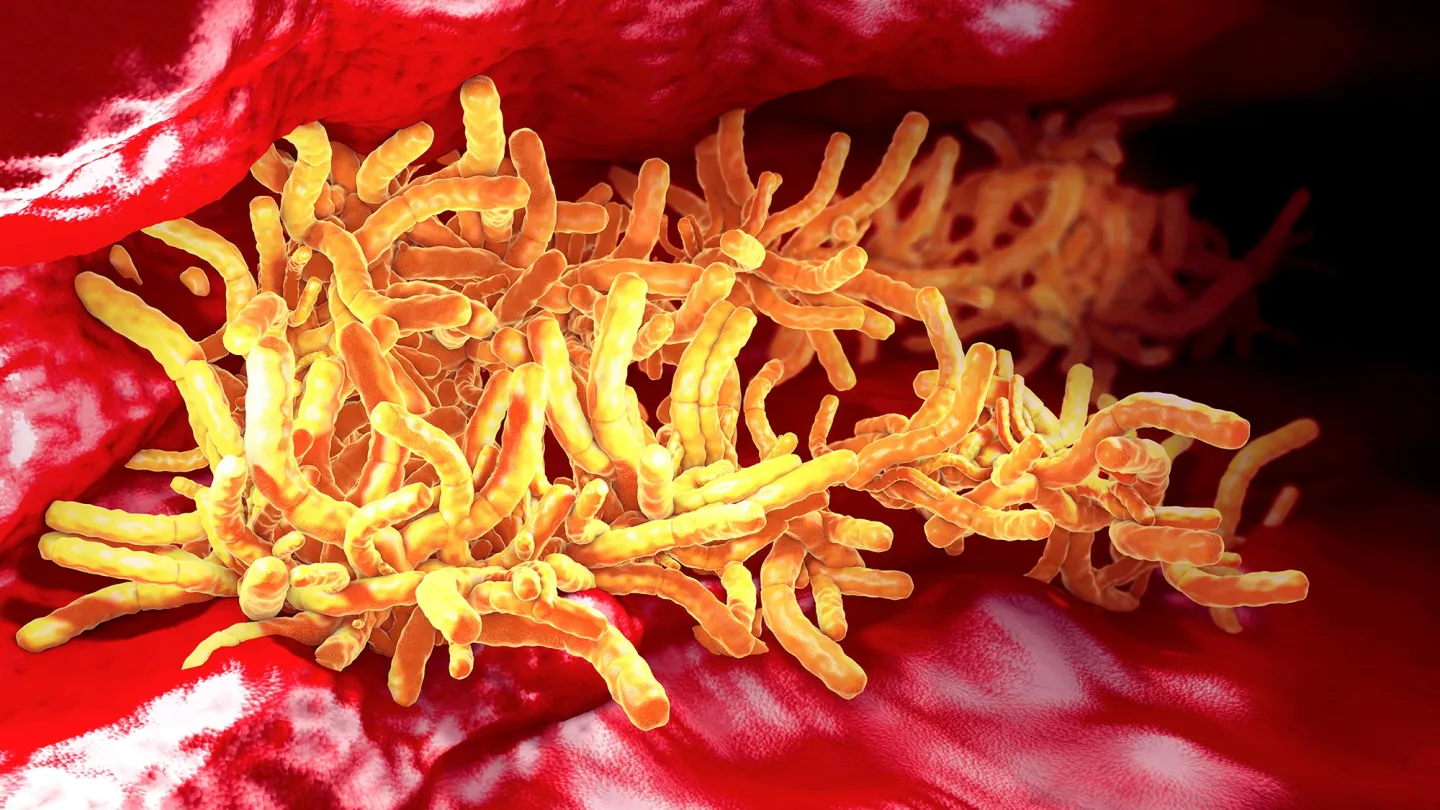
La tuberculosis (TB), causada por la bacteria Mycobacterium tuberculosis, sigue siendo una de las enfermedades infecciosas más letales y extendidas del mundo. La detección temprana es fundamental para detener su propagación. Las pruebas basadas en esputo, que detectan el propio Mtb o el ADN de Mtb, son el estándar de oro para la detección temprana y precisa de la TB; pero el esputo (moco de los pulmones) debe expectorarse y puede ser difícil de recolectar, especialmente en niños y personas con VIH. La única prueba disponible comercialmente es una prueba de orina que detecta una molécula conocida como lipoarabinomanano (LAM), que es liberada por Mtb y se puede encontrar en los fluidos corporales; pero la prueba funciona mal en la mayoría de los pacientes, lo que limita su utilidad.
La Dra. Jacqueline Achkar, con MD en ciencias, ha recibido una subvención de 4 millones de dólares por cinco años de los Institutos Nacionales de Salud para desarrollar pruebas nuevas, sencillas y de alta sensibilidad para detectar la tuberculosis sin necesidad de esputo. Su equipo ha desarrollado anticuerpos monoclonales humanos capaces de detectar LAM en concentraciones muy bajas. Analizarán estos anticuerpos en orina y en el "concentrado de aire exhalado", un líquido que contiene concentraciones de LAM hasta 1000 veces superiores a las de la orina.
Mediante el estudio de muestras de pacientes con tuberculosis en EE. UU., Sudáfrica y la República Democrática del Congo, el equipo espera encontrar combinaciones de anticuerpos que permitan detectar la LAM de Mtb con mucha mayor precisión que las pruebas de orina actuales e investigar la LAM en el condensado del aliento exhalado. El objetivo es crear una prueba altamente sensible, asequible y fácil de usar, compatible tanto con pacientes VIH positivos como negativos. Esta herramienta podría mejorar las iniciativas de control de la tuberculosis en todo el mundo al facilitar el diagnóstico temprano .
El Dr. Achkar es profesor de medicamento, microbiología e inmunología, director de investigación en salud global en el Centro de Salud Global, director asociado de investigación traslacional en el Programa de Capacitación en Investigación Clínica de Einstein y médico a cargo en el Montefiore Medical Center. (1R01AI185330-01A1)