
Característica
Aprovechar la biología para prevenir enfermedades pulmonares graves: conozca a la Dra. Alexandra Racanelli, médica y científica.
9 de enero de 2025
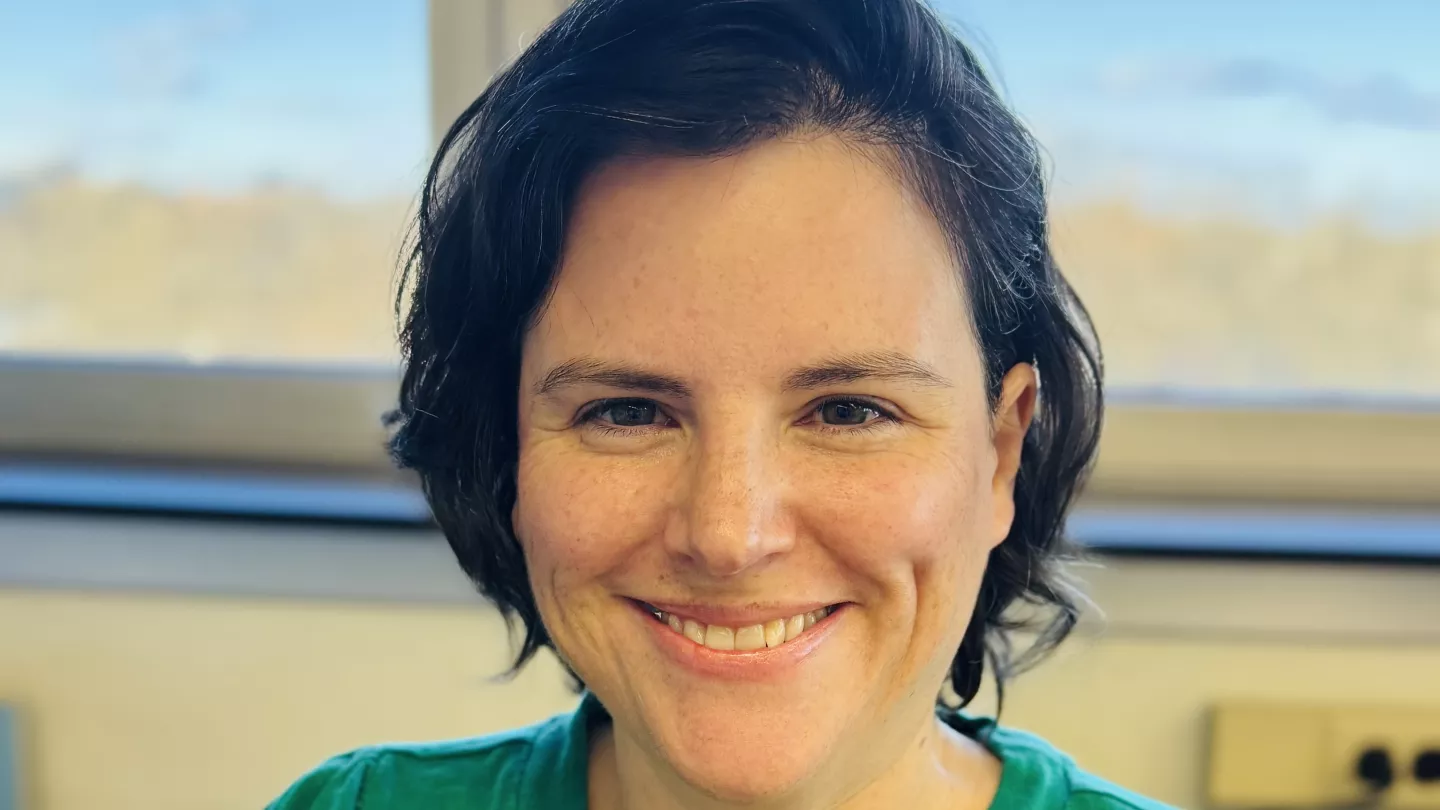
Alexandra Racanelli, MD, PhD , se incorporó oficialmente a Montefiore Einstein como profesora adjunta en el departamento de medicina, división de neumología, en septiembre de 2024, con un doble nombramiento en el departamento de biología celular. Tras comenzar su carrera científica estudiando la biología del cáncer, ahora se centra en cómo la vasculatura pulmonar contribuye a las enfermedades pulmonares, incluida la enfermedad pulmonar obstructiva crónica (EPOC).
Hablamos con ella sobre su trayectoria en la investigación y sus intereses actuales, y lo que la llevó a Montefiore Einstein.
¿Cuándo supiste que querías ser científico?
No provengo de una familia de científicos ni médicos. Si bien de niño siempre me gustó la ciencia, creo que no entendí realmente lo que era una carrera científica hasta que fui a la universidad. Estudié en una pequeña universidad de artes liberales, Mary Washington, y tuve excelentes mentores que notaron mi curiosidad y me sugirieron que solicitara un programa de investigación de verano para financiar una investigación en ciencias básicas. Estos primeros días de exploración científica fueron increíblemente emocionantes e influyeron en mi decisión de conseguir un trabajo como técnico de investigación en el Memorial Sloan Kettering después de graduarme.
Como técnico de investigación en el MSKCC, trabajé en un laboratorio traslacional y presencié de primera mano cómo las observaciones que realizábamos en el laboratorio influían en los ensayos clínicos que se llevaban a la práctica. Fue entonces cuando me di cuenta de que debía dedicarme a la medicina científica. capacitación MD y PhD en la Universidad Commonwealth de Virginia y tuve un mentor excepcional, Richard Moran, quien exigía excelencia y rigor científicos, y me ayudó a construir las sólidas bases necesarias para una carrera investigadora.
¿Cómo llegó a centrarse actualmente en las enfermedades pulmonares?
Mi investigación de tesis se centró en la biología del cáncer y en la comprensión de los mecanismos de control y regulación transcripcional en el contexto de la terapéutica oncológica. Tras graduarme en medicina, me formé en medicina interna en Weill Cornell Medicine y, durante ese tiempo, me fascinó la biología que sustenta las enfermedades pulmonares y de cuidados intensivos. Existen muchas lagunas en nuestra comprensión de la medicina pulmonar, y las terapias para pacientes con enfermedades pulmonares son muy deficientes. Actualmente, sabemos muy poco sobre qué hace que una persona presente una enfermedad grave, mientras que a otra le puede ir mucho mejor. Por ejemplo, no es raro ver a dos pacientes con el mismo estadio de enfermedad pulmonar obstructiva crónica, basándose en estudios de función pulmonar: uno presenta síntomas diarios y el otro presenta complicaciones mínimas.
Mi programa de investigación actual se centra en desentrañar los mecanismos por los cuales las disfunciones de la vasculatura pulmonar contribuyen a la enfermedad pulmonar aguda y crónica. Este es un área que a menudo se pasa por alto en las investigaciones centradas en el epitelio, que recubre las vías respiratorias, y los sacos alveolares, que transportan oxígeno a la sangre. Mi esperanza es desarrollar un programa de investigación que aborde la interacción entre la vasculatura pulmonar y las células circundantes dentro del nicho alveolar para determinar cómo las interacciones complejas impulsan el proceso patológico.
¿Cual es tu metodología?
Utilizamos modelos murinos y organoides humanos, y también colaboramos con diversos consorcios nacionales que brindan acceso a muestras de pacientes y datos longitudinales. El objetivo es identificar factores que puedan contribuir al desarrollo de nuevas terapias.
¿Qué está en juego?
La EPOC es la tercera causa principal de muerte en todo el mundo. Dentro de este diagnóstico, existe un amplio espectro de pacientes. Determinar las causas de la enfermedad más grave en algunos casos es fundamental para influir en los resultados negativos. Faltan terapias que mejoren la mortalidad o reviertan la enfermedad. Esperamos que, al descubrir los pasos clave en la patogénesis de la EPOC, podamos identificar factores de riesgo tempranos y marcadores de la enfermedad que ofrezcan oportunidades de intervención. En las etapas iniciales de la enfermedad, la reversibilidad y la capacidad regenerativa del pulmón son mucho más prometedoras que en etapas avanzadas.
¿Participará en la atención al paciente en Montefiore Einstein?
Me entusiasma participar en los servicios de medicina pulmonar y de cuidados intensivos para pacientes hospitalizados de Montefiore Einstein, aunque la mayor parte de mi esfuerzo se centrará en el desarrollo de mi laboratorio y mi programa de investigación. Espero con interés trabajar con residentes y becarios en los servicios de hospitalización y conocer la comunidad clínica y de pacientes de Montefiore Einstein .
¿Qué más le atrajo de Montefiore Einstein?
Cuando me entrevistaron en Einstein para un puesto de profesor, me impresionó de inmediato la comunidad científica colaborativa y cohesionada que hay aquí. Conocí a profesores jóvenes y veteranos, así como a becarios postdoctorales, y la cultura de respeto y compañerismo entre los individuos fue sobresaliente. También percibí ese nivel de compromiso en las divisiones de neumología y cuidados críticos, así como en los departamentos de medicina y biología celular. A lo largo de mi carrera, he tenido la fortuna de aprender de mentores increíbles, y espero poder contribuir y ayudar a otros a encontrar su camino. La dedicación del profesorado de Montefiore Einstein a los estudiantes y becarios fue evidente desde mis primeras reuniones, y supe que este era un entorno que apoyaría mi pasión por la mentoría. Espero con interés trabajar con los estudiantes de medicina y de posgrado, así como con los residentes y becarios. En resumen, me atrajo Montefiore Einstein por la gran oportunidad en un lugar fantástico.