
Característica
New Director of the IDDRC Animal Phenotyping Core: Dr. Mikhail Kislin, Ph.D.
September 1, 2024
Dr. Mihail Kislin’s passion for experimental science and the mysteries of the brain emerged early in his academic journey. His interest deepened at the Pavlov Institute of Physiology of the Russian Academy of Sciences, where an introduction to neurobiology laid the foundation for a career in neuroscience. Drawn by an interdisciplinary program combining advanced imaging techniques and behavioral studies, he pursued a Ph.D. at the University of Helsinki. Now a computational neuroethologist, Dr. Kislin investigates how animal behavior and brain activity intersect, combining mathematical models and experiments to unravel the interplay between genes, environment, and neural circuits. His work has profound implications for understanding mental health disorders, neurodegenerative diseases, and learning disabilities, with the ultimate goal of improving preclinical models and developing better treatments.
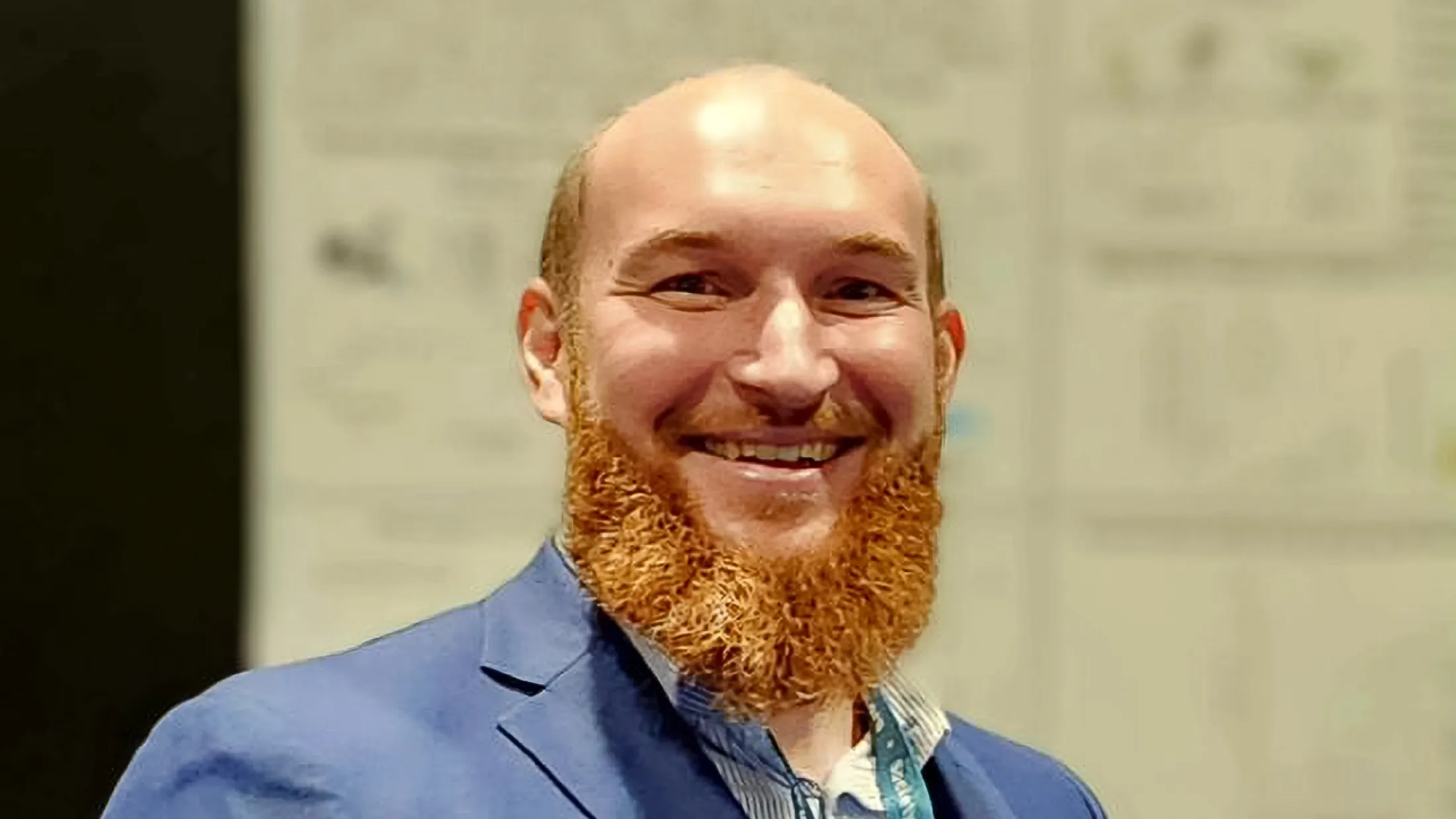
Dr. Mihail Kislin’s passion for experimental science and the mysteries of the brain emerged early in his academic journey. His interest deepened at the Pavlov Institute of Physiology of the Russian Academy of Sciences, where an introduction to neurobiology laid the foundation for a career in neuroscience. Drawn by an interdisciplinary program combining advanced imaging techniques and behavioral studies, he pursued a Ph.D. at the University of Helsinki. Now a computational neuroethologist, Dr. Kislin investigates how animal behavior and brain activity intersect, combining mathematical models and experiments to unravel the interplay between genes, environment, and neural circuits. His work has profound implications for understanding mental health disorders, neurodegenerative diseases, and learning disabilities, with the ultimate goal of improving preclinical models and developing better treatments.
The rapid progress in neuroscience, from what once felt like science fiction to reality, has inspired Dr. Kislin to push boundaries and embrace new discoveries. Joining Albert Einstein College of Medicine was a natural step, drawn by the institution’s blend of groundbreaking research and world-class medical care. The collegial atmosphere and collaborative spirit of the Dominick P. Purpura Department of Neuroscience were especially compelling.
As director of the Animal Phenotyping Core, Dr. Kislin is committed to enhancing its research capabilities by applying innovative approaches to behavioral analysis. A key focus is integrating computer vision for precise, automated tracking of animal movement and social interactions. Additionally, the core is advancing machine learning models to analyze complex behaviors, including ultrasonic vocalizations. As a testament to this forward thinking, Dr. Kislin, in collaboration with Stephanie Rudolph, Ph.D. were awarded a competitive IDDRC Pilot Grant for 2024 titled, “Novel Paradigms for Quantifying Behavioral Deficits in Neurodevelopmental Disorders.” By establishing broad collaborations and applying novel methodologies, Dr. Kislin seeks to improve the accuracy of animal model phenotyping and support neuroscience and neurodevelopmental research.
Outside of work, Dr. Kislin finds balance in nature, hiking scenic trails, enjoying water activities, and engaging in winter sports like snowboarding. His lifelong fascination with orcas, stemming from a summer studying their behavior off the coast of Kamchatka, reflects his deep admiration for intelligence, strength, and community—qualities he sees reflected in his own approach to research and collaboration.
Looking ahead, Dr. Kislin is dedicated to furthering the mission of the IDDRC by fostering collaboration and mentoring the next generation of scientists. Through bold, innovative research, he aims to inspire others and deepen our understanding of the brain. His journey highlights the impact of curiosity, dedication, and the shared pursuit of discovery, embodying the spirit of the IDDRC’s commitment to improving lives through science.