
Video could not be played
Feature
From Shutdown to Success
Q&A with Jessica Weiselberg, PhD
October 13, 2025
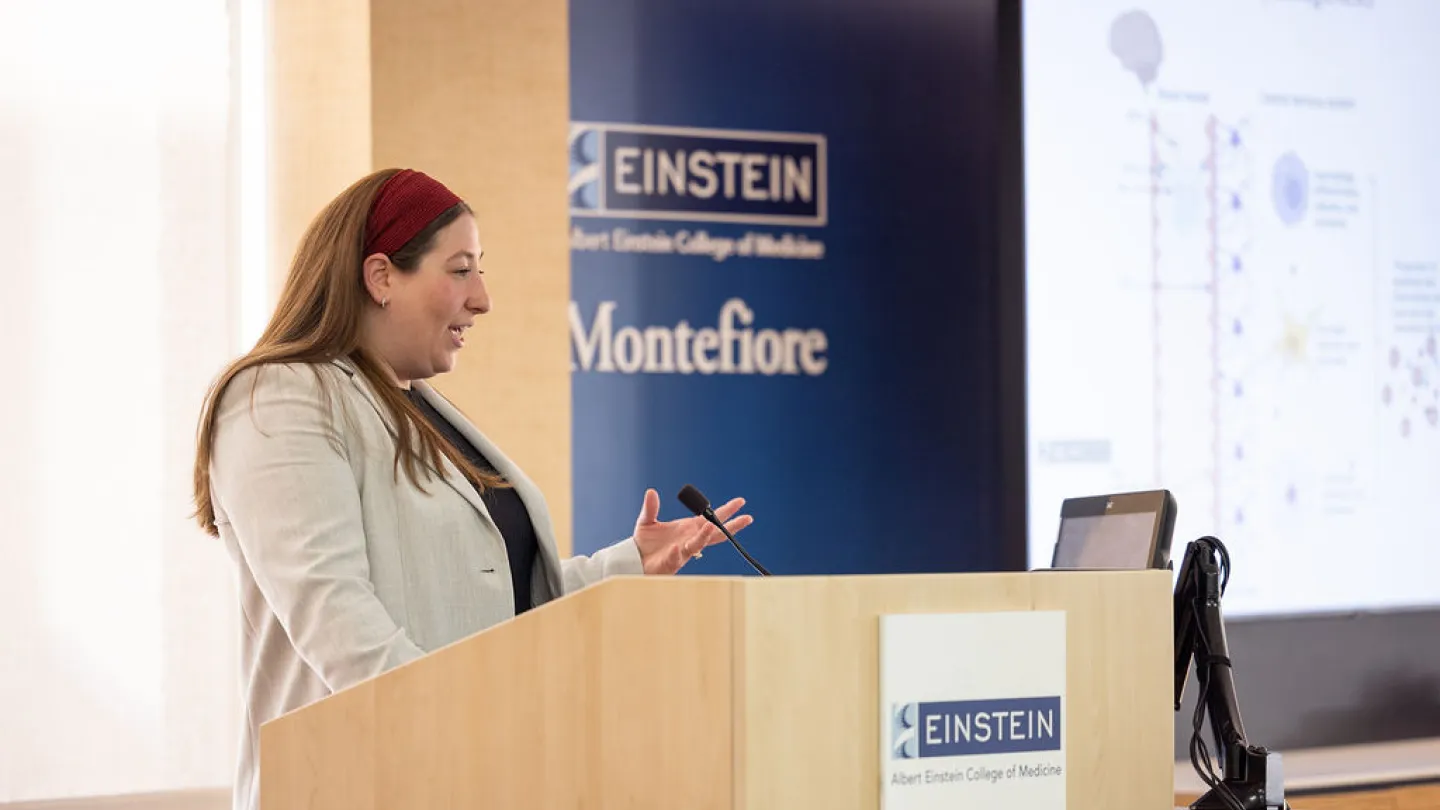
Video could not be played
Growing up in Mill Basin, Brooklyn, Jessica Weiselberg wasn’t the kind of kid digging in the dirt or tinkering with science kits. Her interest in science came later, in a biology class at Yeshiva University High School for Girls, where a teacher’s encouragement set her on the path to study biology at Hunter College then a PhD in biomedical sciences at Einstein.
Her timing couldn't have been more challenging. Just three days after joining Dr. Joan W. Berman's lab in the department of pathology, the Einstein campus shut down for COVID-19. But Jessica pushed through the pandemic disruptions, and five years later, on September 4, 2025, she successfully defended her thesis on how methamphetamine affects brain immune cells in people with HIV. Alongside her research, she chaired the Education Committee of the Jewish student community, mentored students in the lab, and presented her work at national and international conferences.
“Jessica persevered through many external challenges and performed outstanding thesis work,” Dr. Berman said. “She is a wonderful example of how to turn obstacles into opportunities!”
Reflecting on her time at Einstein, Jessica credits both strong mentorship and persistence for her success. “My inner 13-year-old who wanted to be a scientist is still screaming, ‘I can’t believe you get to do this every day,’” she said.
In this Q&A, Jessica shares how a Brooklyn high school teacher set her on the path to science, what it was like to begin her PhD in a shutdown, and the quirky role she once took on outside the lab.
You said you weren’t a science kid early on, but that changed in high school. What happened?
My biology teacher, Mrs. Fried, sparked my interest in science and encouraged me to keep asking questions. I remember learning about genetics — the idea that one small mutation can manifest in a whole disease process was just so fascinating. And that the minutia of it all can translate all the way up to something that affects people's lives. That was my, “Oh wow, I want to know more about this” moment. It was Mrs. Fried’s encouragement that led me to pursue a biology major and research in college.
Why did you choose Dr. Berman’s lab for your PhD research?
I knew from my college research that I loved the immune system and host–pathogen interactions. At Einstein I rotated in other labs, but when I met Joan’s students, they were so collegial and excited about the science. Everyone spoke very highly of Joan. That pulled me in and led me straight to HIV and her lab.
You joined the Berman lab the same week the COVID-19 shutdown began. What was it like starting your PhD during such an uncertain time?
I started on a Monday, and by Thursday the lab was shutting down. I was in my first year, and it was my third rotation. I spent those three months doing Zoom meetings with Joan while the lab kept holding weekly meetings online. It gave me the chance to really sit with the science — reading papers, learning the techniques, and understanding the work in a way that’s harder when you’re trying to run experiments at the same time.
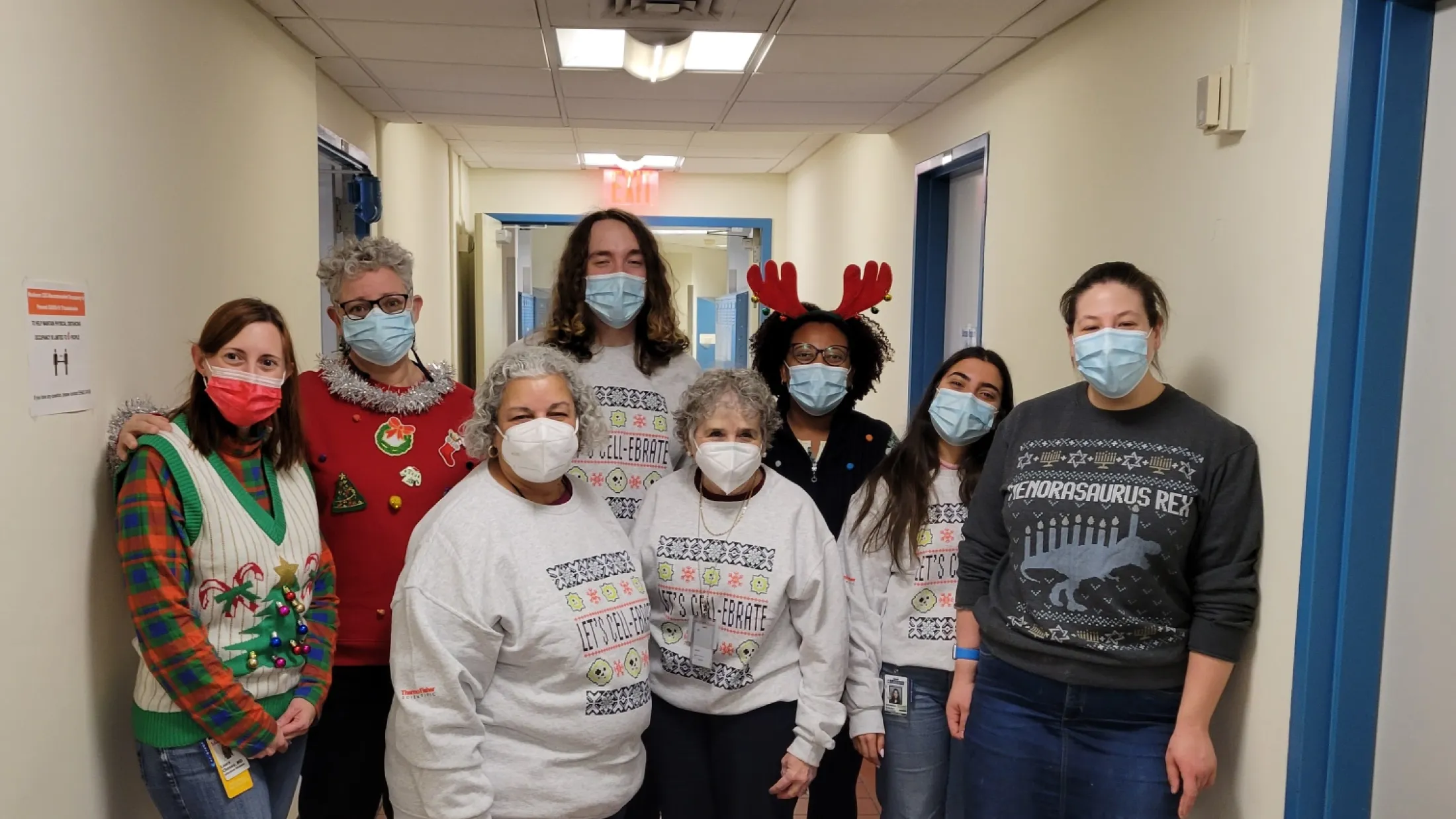
Video could not be played
Your thesis focused on how methamphetamine affects HIV-infected macrophages and contributes to HIV-related brain changes. How would you explain your research in simple terms to a non-scientist?
People with HIV can develop cognitive dysfunction because infected immune cells get into the brain and establish a long-lived source of virus. This causes inflammation and neuronal damage that lead to cognitive impairment. People who use methamphetamine tend to have worse outcomes. We found that meth changes immune cells in ways similar to other neurodegenerative diseases like Alzheimer’s and Parkinson’s. My work focused on one protein that was increased in these cells and may contribute to the brain damage we see in HIV.
Did you feel like you made breakthroughs during your time in the lab?
The novelty of my project was in the design. Previous work looked at one-time meth exposure, but I wanted to model repeated exposures, the way people actually use meth. The question was: Can cells recover from repeated hits, or do they weaken to the point they can’t re-establish balance? That approach gave us new insight into how substance use worsens HIV-related brain disease.
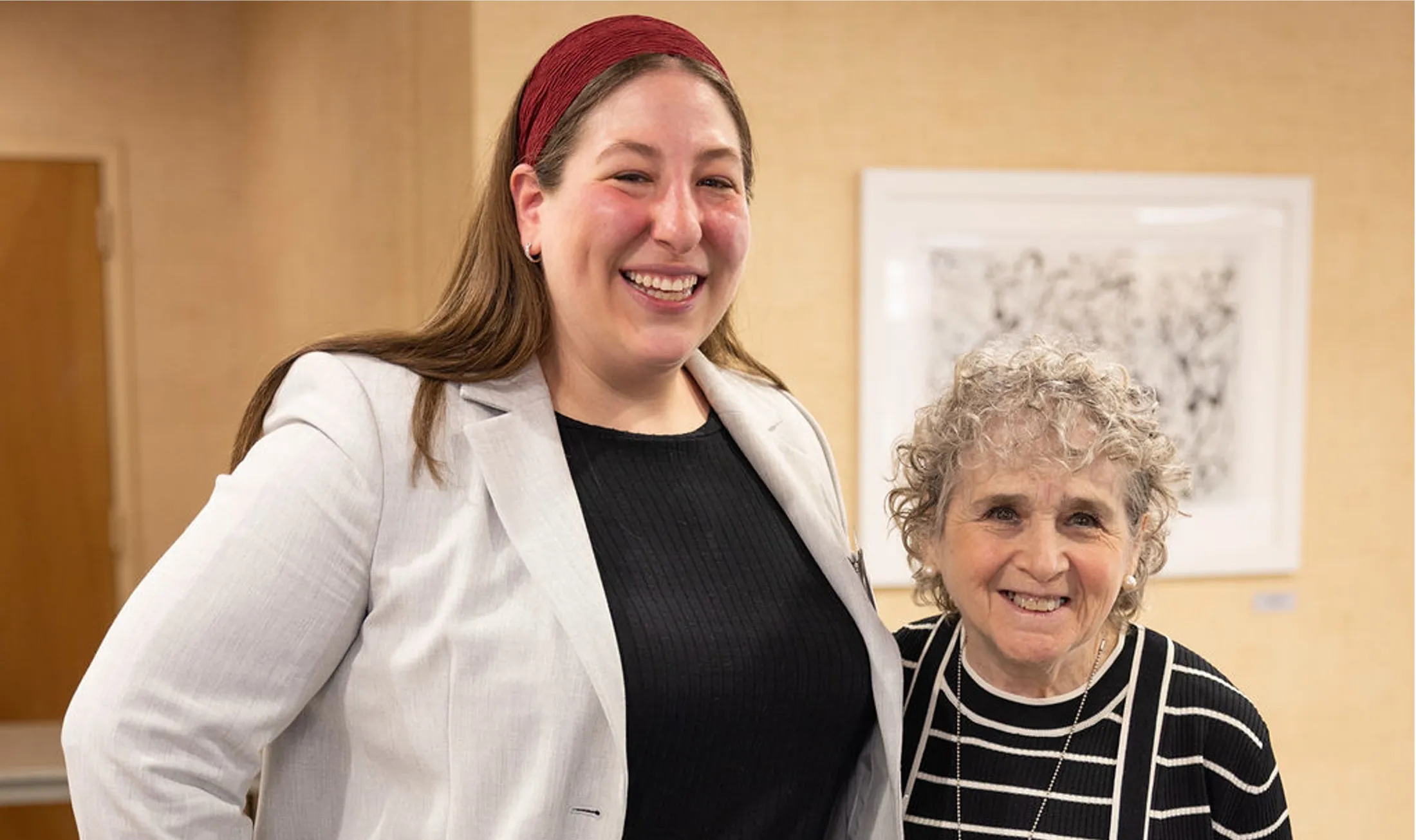
Video could not be played
What is the most valuable lesson you’ve taken from Dr. Berman or your lab experience?
One thing I really appreciated from Joan is, keep your head down, do good science, persevere, because the cause and the people we’re trying to help are important. Even when our projects weren’t directly with patient samples, she reminded us to keep people in mind. That patient focus is something I’ll carry with me. She also really pushes her students to be critical thinkers.
You’ve mentored students and trained colleagues in the lab. What did you learn from teaching others?
It’s uplifting to see rotation students start with little experience, then present their projects and make the science their own. That growth makes you feel good, seeing how well they explain things at the end. Joan has told me she could see me in a teaching role. I want to keep doing hands-on research now, but I’ve realized I really enjoy mentoring.
Video could not be played
What stands out as your best memory from your time at Einstein?
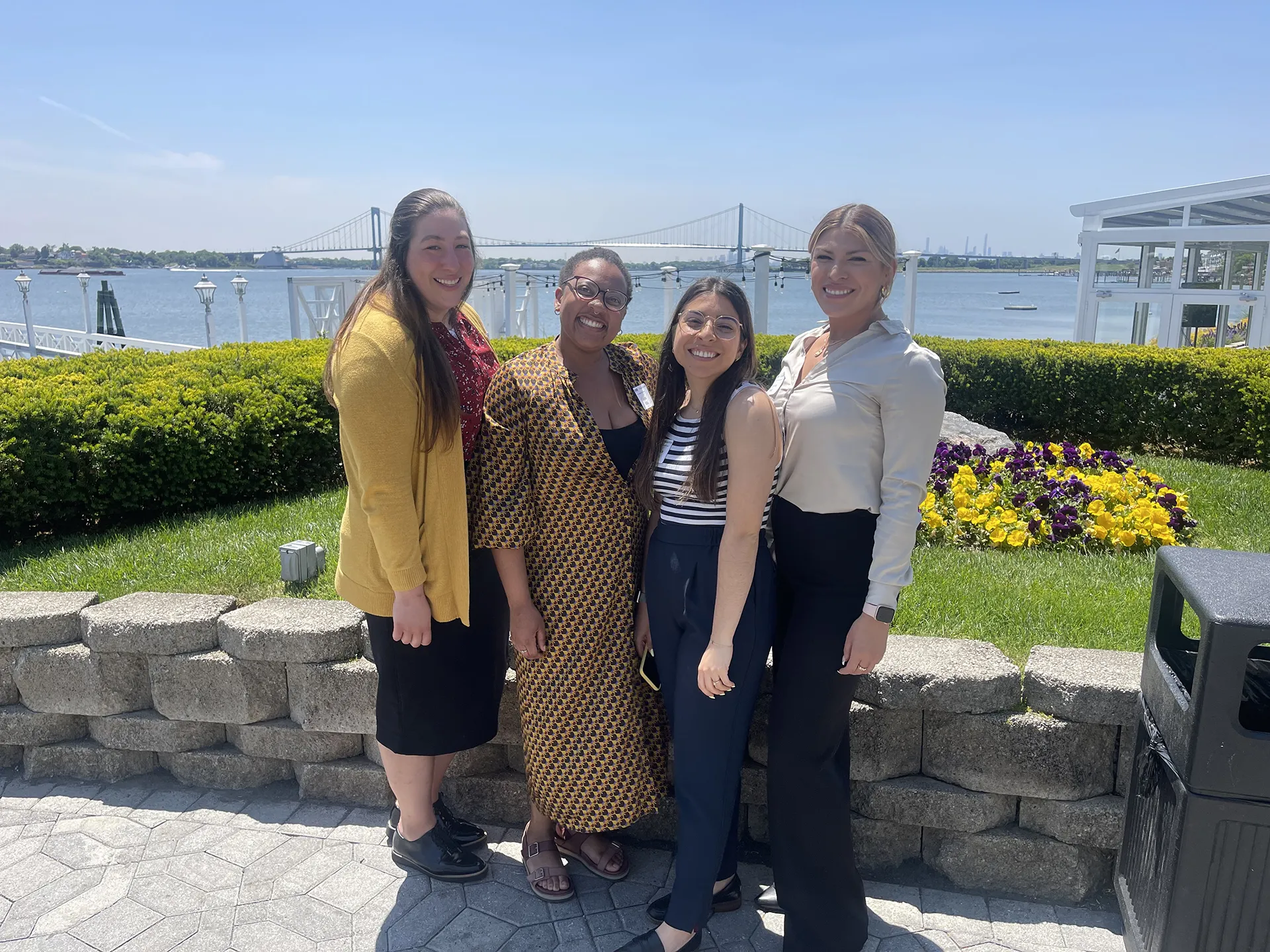
The pathology retreats have always been a lot of fun. Einstein is special because people really care, and the department’s smaller size means you get to know students and faculty more personally. The retreats bring everyone together to share science and enjoy time as a community.
It’s a challenging time to be in science. What advice would you give to students just starting out?
I like to joke that I started grad school just as the labs were shutting down for Covid and ended with technical difficulties at my thesis defense — a good bookend, I say with sarcasm. But my advice is what Joan always says: keep doing good science, keep showing up, and eventually people will have to listen to why this work matters.
Outside of the lab, what do you enjoy doing? Any hobbies?
Through writing my thesis I got into running. I never thought I’d be a runner, but it became a way to get outside, clear my head, and balance the long hours of sitting and writing. There's a route along Harlem River Drive that I really enjoy.
What’s something fun or unexpected your colleagues might not know about you?
My husband, who is getting a PhD in math, is also a rabbi. For a year he served as the rabbi for a small synagogue in the Catskills. We were brought upstate NY once a month, and for all the holidays, including the High Holidays. So, my husband and I were the religious leaders of the community. It was random, but it taught me a lot about people and community.
What do you hope to do next?
I’ve been talking to people about postdocs, but I’m also applying for jobs in industry to see what opportunities are out there. What I know for sure is that I want to keep doing science. I really enjoy the work and being hands-on at the bench.
Video could not be played